REVIEW · ARUSHA
5 Days Group Camping Safari
Book on Viator →Operated by Suricata Safaris · Bookable on Viator
Watching the parks slide by beats any checklist. This 5-day camping safari out of Arusha is built around game drives in Tarangire, Lake Manyara, Serengeti, and Ngorongoro—plus the comfort of included meals and an included safari setup that keeps logistics simple. I like that it’s a small group (max 7) with a private guide and a dedicated 4×4 experience, so you’re not stuck in a huge cattle herd. I also like the way the schedule breaks up wildlife styles: elephants and baobabs one day, then lakeside action, then Serengeti plains, then Ngorongoro’s crater drama.
One heads-up: a camping safari is not a resort. You’re in tents and on safari time, not cushy lounging time—so if you want a low-key, hotel-heavy vacation, this may feel too active.
In This Review
- The Parks Plan: What You’ll See and Why It Works
- Key Highlights You’ll Care About
- Camping Safari Value: What Your Money Buys
- Day 1 Tarangire: Elephants, Baobabs, and a Well-Timed Kickoff
- Day 2 Lake Manyara: Flamingos, Hippos, and Predator Chances
- Day 3 Serengeti Via Karatu: Seronera Water Pulls Wildlife In
- Day 4 Early Serengeti Drive to Ngorongoro Overnight: Two Worlds in One Day
- Day 5 Ngorongoro Crater: The 600-Meter Drop and Lake Magadi
- Who Should Book This Safari (and Who Might Skip It)
- Guides, Cooking, and the Stuff That Makes It Feel Real
- Practical Tips for Making Your 5 Days Work
- Should You Book This 5-Day Camping Safari With Suricata Safaris?
- FAQ
- What parks are visited on this 5-day safari?
- Is this safari private or shared?
- What is the price per person?
- Are meals and accommodation included?
- Do you get pickup from Arusha hotels?
- What happens on the Ngorongoro crater day?
- How many travelers are in the group?
- What’s the cancellation policy?
The Parks Plan: What You’ll See and Why It Works
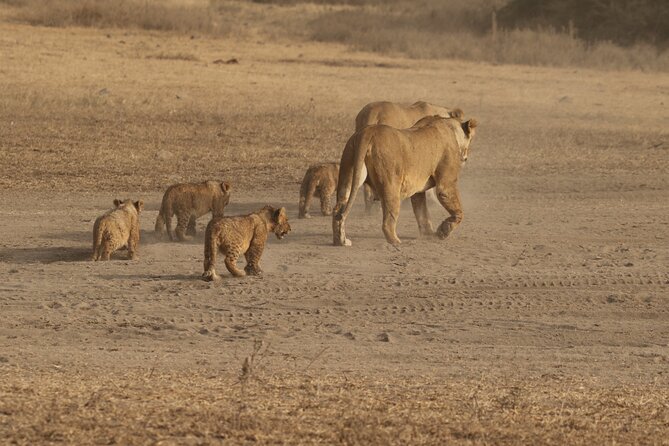
The big idea here is variety without constant backtracking. You start in Tarangire for elephant density and iconic baobabs, then shift to Lake Manyara’s mix of lake-edge life and predator potential. After that you drop into the Serengeti (with the Seronera area and its water source pulling wildlife in), and finish with the Ngorongoro crater—where you descend more than 600 meters for close-up viewing and a real shot at predators, including the famously hard-to-spot leopard.
It’s also good value for what you get. At $1,100 per person, you’re paying for guided drives, included accommodation, and meals across the week—not just a seat in a vehicle. Just remember that with group tours, the vibe stays friendly and flexible, and you might share the trip with people on slightly different day counts.
Key Highlights You’ll Care About
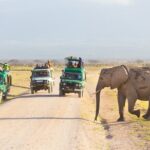
- Private guide + private 4×4 experience: the day feels tailored, not scripted.
- Two UNESCO World Heritage sites: you’ll spend time in Tanzania’s most protected wildlife country.
- Park variety in 5 days: elephants and baobabs, a soda-lake crater, and Serengeti plains.
- Ngorongoro crater drop (600+ meters): steep viewing where wildlife concentrates.
- Food is part of the safari: camp meals and lunch boxes keep drive days smooth.
- Small max group size (7): you get the energy of a group without the chaos.
You can also read our reviews of more tours and experiences in Arusha.

Camping Safari Value: What Your Money Buys
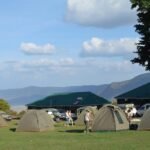
Let’s talk about value like a real person, not a brochure. At $1,100 per person, the cost only makes sense if the basics are handled well—and here, they are. You get accommodation and all meals included, plus breakfast every day listed and lunches through the trip. Dinner is included for 4 of the nights, so on the last evening you’ll want to plan for what happens after the safari ends back at the meeting point.
What you’re really paying for is time and coordination. This is a wildlife loop that covers multiple parks without you organizing the in-between travel. Admission tickets are marked as free, and that saves you a chunk of budgeting hassle. You also get pickup offered in Arusha, starting from a specific meeting point at Jevas Hotel Encore (Street House No. 9, Plot 163 Block F, Levolosi Area). That matters more than people think—when you’re trying to catch morning wildlife, late starts are a tax.
Also, don’t ignore the small-group detail: maximum of 7 travelers. That keeps the game drive experience more conversational. It also makes it easier for your guide to manage spotting and pacing when the action moves fast.
Day 1 Tarangire: Elephants, Baobabs, and a Well-Timed Kickoff
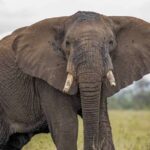
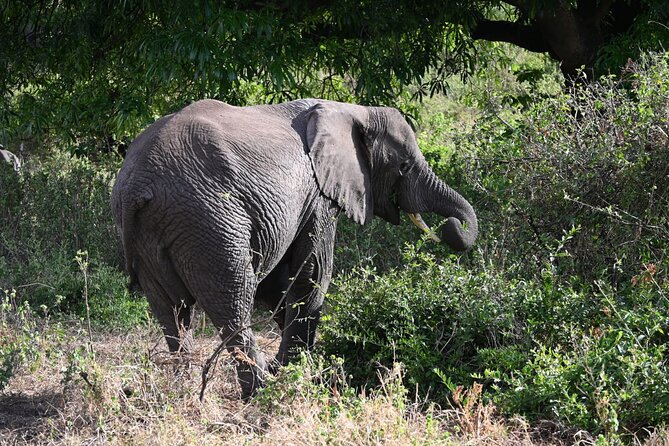
You start the day with a departure between 08:30 and 09:00, then roll into Tarangire with your private guide and safari vehicle. Tarangire is famous for two things: the high density of elephants and the dramatic baobab trees that look like they’re from another planet. If you like classic savanna scenery, this is your opening chapter.
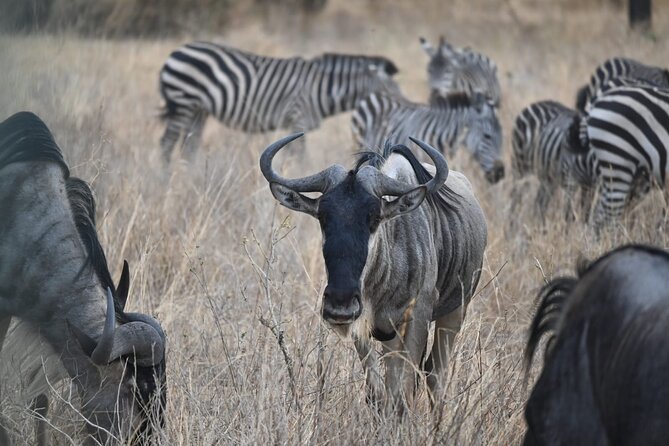
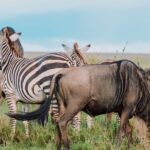
The rhythm is built for sightings. After breakfast, you head to the lodge for lunch, then you go back out for an afternoon game drive. Afternoon drives can be great because animals are active, and you’re not only chasing dawn light. Tarangire’s dry season (June to November) is specifically called out for large herds—think thousands of zebra and wildebeest, plus cape buffalo in the mix. If you’re traveling during that window, your chances for large-group wildlife moments rise fast.
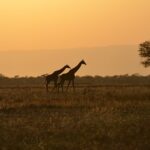
What else you might see is listed clearly: giraffe, dik-dik, impala, eland, Grant’s gazelle, waterbuck, plus monkeys like vervet. Even smaller critters show up in the animal list—banded mongoose and olive baboon—so your guide isn’t just hunting the headline species. Predator possibilities exist too: lion, leopard, cheetah, caracal, honey badger, and African wild dog. You shouldn’t expect every predator on day one, but Tarangire gives you enough chances that you’ll likely feel the safari starting strong.
Day 2 Lake Manyara: Flamingos, Hippos, and Predator Chances
Day two starts after a nice breakfast at the lodge, with pickup around 08:30 to 09:00. You’re heading straight to Lake Manyara for an extended game drive, with a picnic lunch included. This is a good day for people who like variety: lake-edge wildlife plus a park that holds enough big-game energy to keep you guessing.
Lake Manyara is strongly associated with flamingos. Here’s the key seasonal clue: during the wet season, flamingos feed along the lake edges in huge flocks of thousands. In the dry season, they’re not as present. So if your trip lines up with the drier months, don’t treat flamingos as a guaranteed payoff—look at them as a bonus when conditions support it.
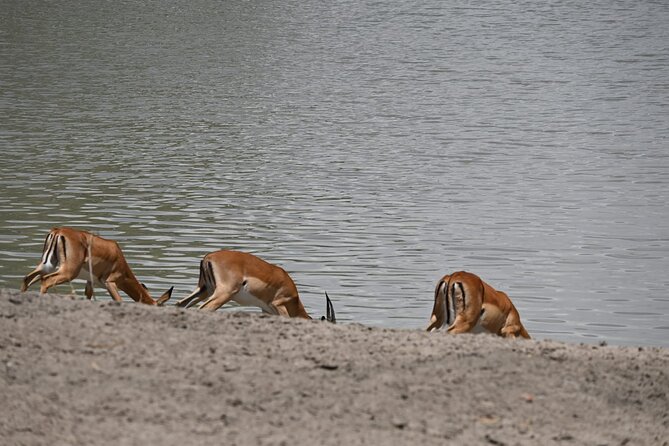
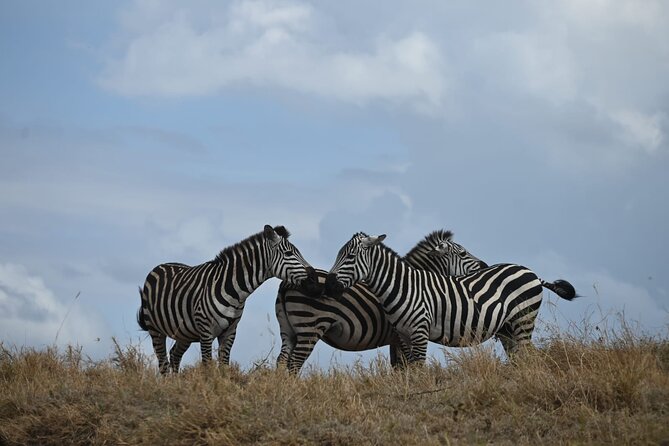
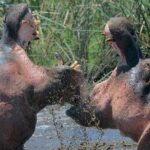
The animal list for Manyara is wide and practical: lions, cheetahs, elephants, blue monkeys, dik-dik, gazelles, zebras, and impala. You also get mention of a hippo pond at one end of the park—worth paying attention to when your guide chooses where to focus your time. Plus, Masai giraffe and hippos are in the mix, which can make Manyara feel like a buffet day.
If you’re hunting predators, Manyara fits the bill because it can deliver sightings in different ways depending on where animals are moving. With an extended drive and a picnic lunch plan, you’re not rushing out after a short half-day. It’s a day that rewards patience, and your private guide can usually adjust the route based on what’s happening right then.
Day 3 Serengeti Via Karatu: Seronera Water Pulls Wildlife In
On day three, you depart for Serengeti National Park via Karatu farmland and the Ngorongoro Conservation Area. The drive changes the feel of the trip. You’re leaving higher ground behind and descending into the broader Serengeti plains—the kind of space where your brain takes a second to adjust to the horizon line.
Lunch is included when you arrive, and then you do an afternoon game drive. The afternoon timing can work well in Serengeti because wildlife stays active and the plains let you see animals at different distances without the terrain feeling cramped.
A specific Serengeti zone is highlighted: the Seronera area. What makes Seronera special is the Seronera River, which provides a water source that attracts wildlife. That’s a big deal for animal watching. Water is one of the strongest magnets in the ecosystem. When animals have a reliable reason to gather, your odds improve across the board—grazers, predators, and scavengers all benefit.
The tour describes Serengeti’s habitat as among the richer wildlife zones in the park and says you’ll see wildlife representative of most of the Serengeti species. In plain terms: you get a solid chance at a wide variety rather than only one type of scene.
This day is also where the safari shifts from “first impressions” to “serious wildlife.” If you want to photograph in a focused way, this is often where you start getting more confident—because you understand the rhythm of the drives.
Day 4 Early Serengeti Drive to Ngorongoro Overnight: Two Worlds in One Day
Day four starts with a small morning comfort—coffee, tea, and biscuits—before you move into the day’s first game drive. The drive window is clearly laid out: early morning game drive between 08:00 and 14:30, using lunch boxes.
That long morning-to-midday block is a smart choice. Predators and prey both move in different patterns through the day. If your schedule only gave you two hours, you’d be at the mercy of timing. Here, you have enough time to catch action and adjust if the first sights don’t bring what you hoped.
After that, you depart to the Ngorongoro Conservation area. The plan includes game driving en route, then you go to dinner and overnight where you’ll be positioned for the crater viewing on day five. This is one of those “quietly important” parts of the schedule. Ngorongoro is special, but to make it work you need to be placed correctly ahead of the big descent. This day handles that.
Ngorongoro is also known for predator density, and day five is built around that theme. By moving you into Ngorongoro area overnight, the safari gives you a clean start for the crater descent—without losing daylight.
Day 5 Ngorongoro Crater: The 600-Meter Drop and Lake Magadi
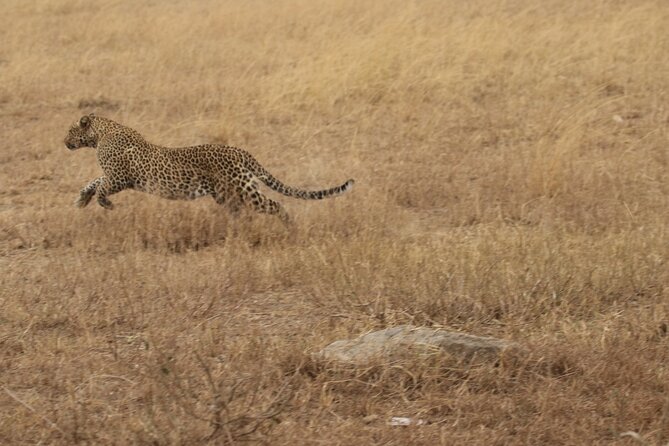
Day five begins with an early breakfast (coffee is mentioned), and then the real show starts: you descend over 600 meters into the Ngorongoro crater to view wildlife. That steep descent matters because the crater’s geography concentrates habitat. The tour notes a year-round water supply and fodder that supports a wide variety of animals.
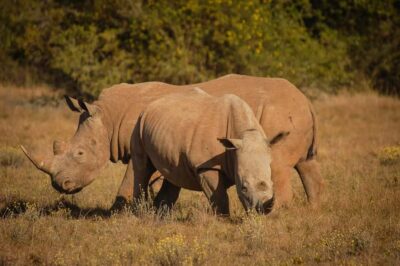
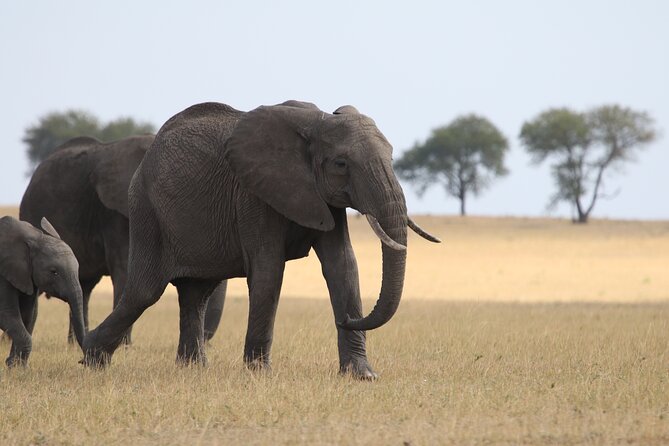
You’ll have a chance at herds of wildebeest, zebra, buffalo, eland, warthog, hippo, and giant African elephants. That list reads like a highlight reel, but with crater conditions, it’s also plausible: animals that need water and grazing can end up in the same area for long stretches.
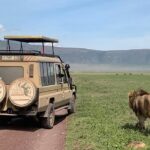
The predator angle is also emphasized. Ngorongoro can deliver lions, hyenas, jackals, cheetahs—and sometimes the leopard. The text even flags leopard as elusive and says it may require a trained eye to spot. This is where a good guide earns their keep. You’re not just driving; you’re getting eyes on behavior, not only on distance.
You also visit Lake Magadi, described as a large but shallow alkaline lake in the southwestern corner of the crater. That lake stop gives the crater a different visual rhythm—more than just animals on the grass.
If you’re chasing the big five, the structure is right: elephants and buffalo in the crater, predators on the move, plus open visibility for spotting. Still, wildlife stays wildlife. This is about strong chances, not guarantees.
Who Should Book This Safari (and Who Might Skip It)
This is a smart fit if you want a classic Tanzania wildlife route without doing the logistics yourself. You’ll likely enjoy it if you:
- Like variety across parks in a short window.
- Want a small-group feel (max 7) with a private guide approach.
- Are happy with a camping safari setup and included meals.
It may not be the best match if you:
- Want hotel-luxury comforts every night.
- Get easily annoyed by long drive days and early starts.
- Need a fixed, fully private experience with only your household (because it’s a group tour capped at 7).
One more practical note: the tour is described as a private experience, but group tours can combine people doing different number of days. That doesn’t ruin the safari, but it can change the flow. If you’re the type who hates any shared logistics at all, ask the operator how they handle combining schedules for your dates.
Guides, Cooking, and the Stuff That Makes It Feel Real
Good safaris don’t just find animals. They manage energy: timing, breaks, patience, and explanations. The tour description emphasizes learning the local ecosystem from your guide. That kind of talk isn’t trivia. It changes how you see animals—why they’re where they are and what the ecosystem is doing around them.
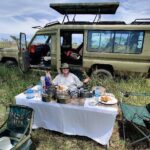
The experience also leans on staff you can feel in the background. In the stories attached to this safari style, you’ll hear about guides such as Amiri and Max, and a chef like Salim. The common thread is organization from pickup to return and meals that are cooked on the spot for camp life. One review even calls out that food was abundant and excellent, and that the tents were comfortable—key details if you’re worried that camping means roughing it.
Because food and comfort affect your patience, this matters. If your meal plan is solid, you’re more willing to wait on the next sighting instead of checking your watch like it’s a dentist appointment.
Practical Tips for Making Your 5 Days Work
Here are the practical things I’d pay attention to if I were choosing this exact format.
First, plan around early starts. Day one runs late-morning-ish after breakfast (08:30–09:00 departure). Day four includes an early morning game drive starting at 08:00. Day five is early breakfast plus crater descent. If you’re someone who needs lots of sleep to function, this safari will test your routine.
Second, understand seasonal expectations. Tarangire dry season (June to November) is highlighted for large herds of zebra, wildebeest, cape buffalo, and strong elephant density. Manyara flamingos vary by season—wet season brings big flamingo flocks, dry season brings fewer. Knowing this helps you avoid disappointment and appreciate what’s actually on offer.
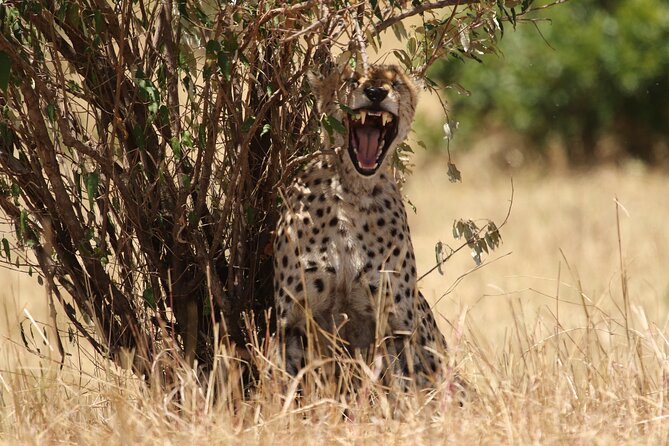
Third, keep your expectations flexible on predators. Lions, cheetahs, hyenas, jackals, and leopard are part of the potential mix. Leopard in particular is described as elusive. If you treat leopard like a guaranteed box to tick, you’ll get cranky. If you treat it like a possibility that might happen when the guide finds the right moment, you’ll have a better time.
Finally, bring gear you’ll actually use. Binoculars and a camera with a long reach are practical for spotting wildlife at distance. If you don’t have them, no panic—your guide’s focus and the open sight lines in these parks do a lot of the work for you.
Should You Book This 5-Day Camping Safari With Suricata Safaris?
I’d book it if your priority is strong wildlife variety—Tarangire elephants and baobabs, Manyara lake-area action, Serengeti’s Seronera water-driven wildlife, then Ngorongoro crater viewing with predator chances and Lake Magadi. The schedule is tight but not chaotic, and the included meals and accommodation make the week feel like a real package rather than a scavenger hunt.
I’d think twice if you want pure comfort over wildlife time, or if you need a totally private, no-mixing group setup. Also, since dinner is included for 4 nights, confirm what’s happening on the final evening so there are no surprises.
Overall, for $1,100, this feels like a well-structured way to see Tanzania’s big-name parks with an experienced team and a format that doesn’t waste your daylight.
FAQ
What parks are visited on this 5-day safari?
The safari covers Tarangire National Park, Lake Manyara National Park, Serengeti National Park, and the Ngorongoro Conservation Area.
Is this safari private or shared?
It’s a small-group tour with a maximum of 7 travelers, and it includes a private guide and a private 4×4 safari vehicle for the safari experience.
What is the price per person?
The price is $1,100.00 per person.
Are meals and accommodation included?
Yes. Breakfast is included for 5 days, lunch is included for 5 days, and dinner is included for 4 days. Accommodation is also included.
Do you get pickup from Arusha hotels?
Pickup is offered, and the meeting point in Arusha is Jevas Hotel Encore (Street House No. 9, Plot 163 Block F Levolosi Area).
What happens on the Ngorongoro crater day?
You have an early breakfast, then you descend over 600 meters into the crater for wildlife viewing. You also visit Lake Magadi inside the crater.
How many travelers are in the group?
The maximum group size is 7 travelers.
What’s the cancellation policy?
You can cancel up to 24 hours in advance of the experience’s start time for a full refund. If you cancel less than 24 hours before, you won’t receive a refund.