REVIEW · ARUSHA
8 Days Great Wildebeest Calving Migration Safari from Arusha
Book on Viator →Operated by Gosheni Safaris (T) Limited · Bookable on Viator
Calving season turns Serengeti into theatre. This 8-day safari is built around wildebeest calving (Dec to Apr), when the herd’s newest arrivals pull in lots of predators—so your drives feel like they’re happening with real momentum. You’ll bounce through classic Northern Tanzania stops, from Tarangire’s elephant energy to Ngorongoro’s dramatic crater drop.
I love that the itinerary mixes big wildlife country with a very specific natural event. The Ndutu/Serengeti-south days are scheduled for the tight calving window (around February for about three weeks), and Tarangire plus Lake Manyara add variety so you’re not doing the same kind of viewing every day.
One consideration: calving season can be logistically busy and weather-dependent, and the tour requires a moderate physical fitness level for experiences like the crater descent and the walking safari in Mto wa Mbu.
In This Review
- Key things to know before you go
- Calving Season Timing: Wildebeest Births + Predator Action
- Arusha Arrival and Your First Night at Mount Meru Hotel
- Tarangire National Park: Elephants, Baobabs, and Tree-Climbing Lions
- Lake Manyara’s Compact Circuit: Great Views, Many Species
- Ndutu Area (Serengeti South): Where the Calving Action Usually Peaks
- Day 4: Arriving in Ndutu and Settling into the Calving Zone
- Day 5: A Full Day of Ndutu Game Drives
- Central Serengeti National Park: Following Migration Trails
- Ngorongoro Crater: The 600-Meter Descent to Wildlife
- Mto Wa Mbu: Culture and a Walking Safari Between Parks
- Your Guide and Vehicle: Why Spotting Skills Matter
- Price and Value: What You’re Really Paying For
- Who This Safari Fits Best (and Who Might Reconsider)
- Should You Book This 8-Day Calving Safari?
- FAQ
- What parks does this 8-day safari include?
- How long is the tour?
- Where does the safari start, and what time?
- Is airport pickup and drop-off included?
- What meals are included?
- Is alcohol included?
- How many travelers are on the tour?
- Can children join the safari?
- What fitness level do you need?
- What happens if the experience can’t run due to poor weather?
Key things to know before you go
- Calving-season timing (Dec–Apr) gives you a real chance at thousands of young wildebeest and the predator activity that follows
- Ndutu focus: the tour aims at the short peak around February (about three weeks) for most births
- A full park run: Tarangire, Lake Manyara, Ngorongoro, and both southern and central Serengeti areas
- Small group size (max 7) plus a private vehicle for more flexible game-drive time
- Guide spotting skills: many praised guides are described as quick to find animals and explain what you’re seeing
- Value packaging: accommodations, meals, park days, bottled water, and transport are handled for you
Calving Season Timing: Wildebeest Births + Predator Action
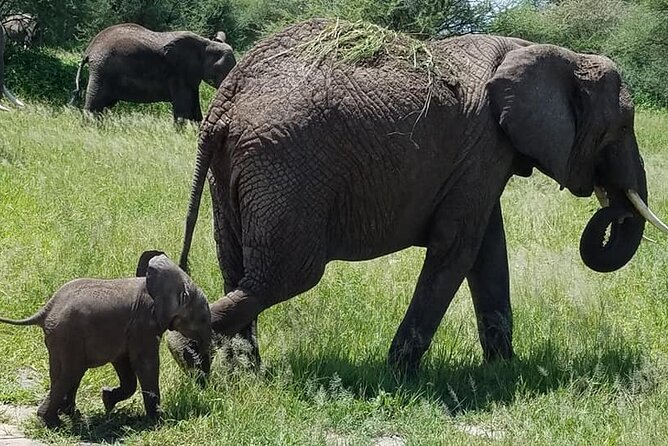
If you’re chasing one reason to visit Tanzania, this is it. The tour is timed for the Great Wildebeest Migration during the calving season, December through April. That matters because calving isn’t just a scenic moment—it changes the whole food chain. When newborn wildebeest appear in large numbers, predators show up in higher numbers too, and your days can feel like they’re packed with high-stakes wildlife behavior.
The itinerary gets more specific in the Ndutu segment. Ndutu sits in the southern Serengeti ecosystem, within the Ngorongoro conservation area. The tour notes that herds are especially active during a short time-frame from around February, lasting about three weeks, when the majority of wildebeest calve. Practically, that means you’re not just visiting “Serengeti in general.” You’re visiting during a window when the timing of births can make a huge difference to what you see.
You can also read our reviews of more tours and experiences in Arusha.
Arusha Arrival and Your First Night at Mount Meru Hotel
Your trip starts in Arusha with an airport pickup from Kilimanjaro Airport and transfer to a hotel for night one. You’ll sleep at Mount Meru Hotel and get your bearings before the safari proper begins.
Why I like this setup for first-timers: it reduces stress on day one. You’re not trying to jump straight into long drives immediately after travel. Also, starting in Arusha keeps the logistics simple because the rest of your route is Tanzania’s northern circuit.
Tarangire National Park: Elephants, Baobabs, and Tree-Climbing Lions
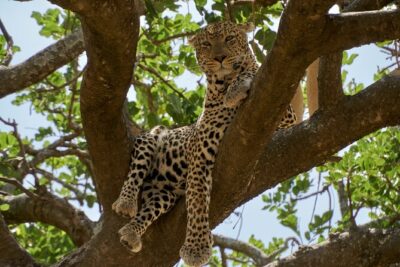
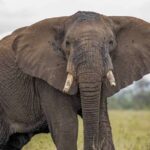
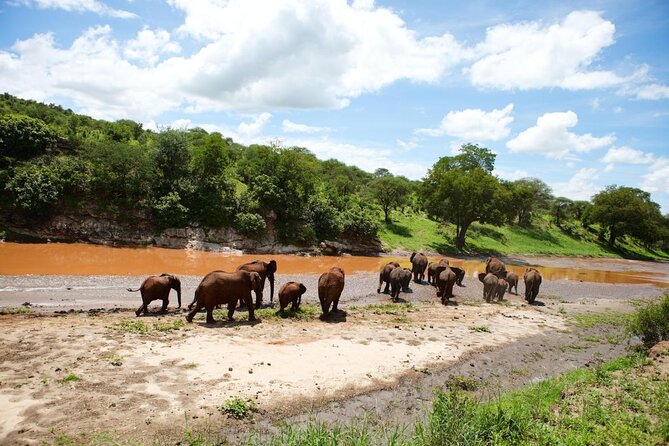
On day two, you head to Tarangire National Park, famous for a few repeat favorites. The tour highlights large herds of elephants and the park’s baobabs—often called the Tree of Life. There’s also a chance to see lions that climb trees, a Tarangire classic.
There’s another practical reason Tarangire lands early on your itinerary: the Tarangire River flows all year round, so wildlife has a dependable resource. When a park has consistent water access, it often makes game viewing feel steadier, even when conditions shift.
What to watch for on game drives here:
- Elephant herds near the river corridor
- Lion behavior around unusual cover (including trees)
- Baobabs as landmarks—these trees can help you “read” the area as the day goes on
Lake Manyara’s Compact Circuit: Great Views, Many Species
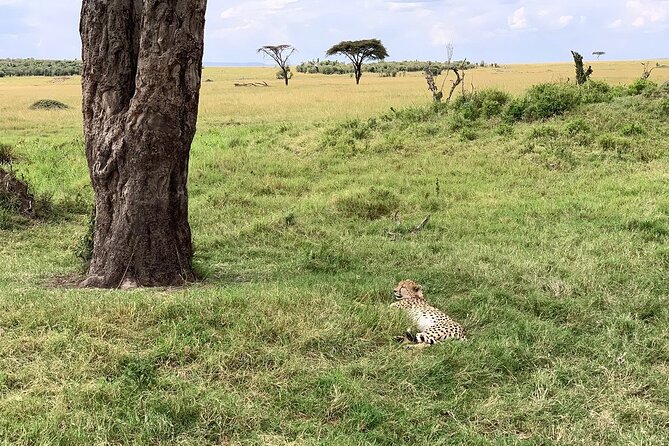
Day three takes you to Lake Manyara National Park. The setting is a major part of the appeal: it’s a scenic lake area, and Hemingway once described it as the loveliest he had seen in Africa. That’s not just postcard talk. Lake Manyara’s viewing tends to happen in a more compact way than some larger parks, so you can spend more time with your eyes on animals instead of mostly driving.
The tour also calls Lake Manyara one of the most diverse reserves in the country. Translation: you’re more likely to see different habitats and different kinds of wildlife in the same general stretch of time.
Ndutu Area (Serengeti South): Where the Calving Action Usually Peaks
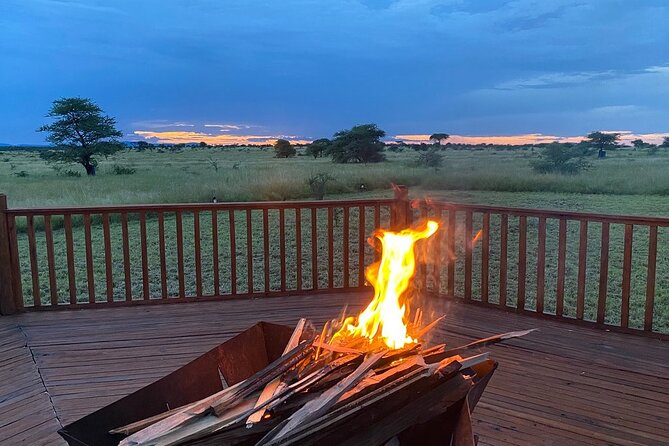
Days four and five are where this safari gets laser-focused. You’ll move into the Ndutu area, part of the Ngorongoro conservation area and the southern Serengeti ecosystem. This is the calving-zone vibe: the landscape changes the way wildlife behaves, and it’s also where the timing matters most for seeing many young wildebeest.
A fun detail the tour provides: Lake Ndutu is alkaline, but the water is still drinkable and is consumed by wildlife. You can often tell when animals rely on water sources—their movement patterns tighten, and sightings can stack up.
Day 4: Arriving in Ndutu and Settling into the Calving Zone
On day four, after breakfast you travel into Ndutu area. You’ll stay at a luxury tented camp for the night, which keeps you close to the day’s viewing area without adding extra transfers.
Day 5: A Full Day of Ndutu Game Drives
On day five, you’ll do a full day game drive in the Ndutu area. The itinerary points out the variety of habitats you can cover in one day: swamps, woodland, soda lakes, and the famous Serengeti short grass plains.
This is also the day tied most directly to the calving peak timing. Around February, for about three weeks, most wildebeest calve. If you’re traveling anywhere in that broader Dec–Apr window, this portion of the trip is the one to care about most.
Central Serengeti National Park: Following Migration Trails
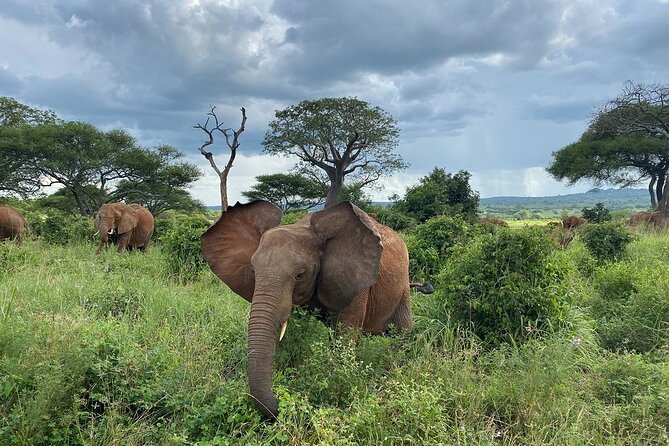
Day six shifts you to Central Serengeti National Park for a full day of game drives focused on the Great migration trails. The tour notes that your experienced driver-guide will explain facts about the event, which is important—migration can look chaotic if you don’t know what you’re seeing.
A calm way to think about this day: Ndutu often gives you the calving intensity, while Central Serengeti gives you the movement story. You’re trying to connect where the herd is and how predators respond.
What you’ll likely appreciate here is the rhythm: early starts, long viewing periods, and the patience required to watch animal behavior change over hours.
Ngorongoro Crater: The 600-Meter Descent to Wildlife
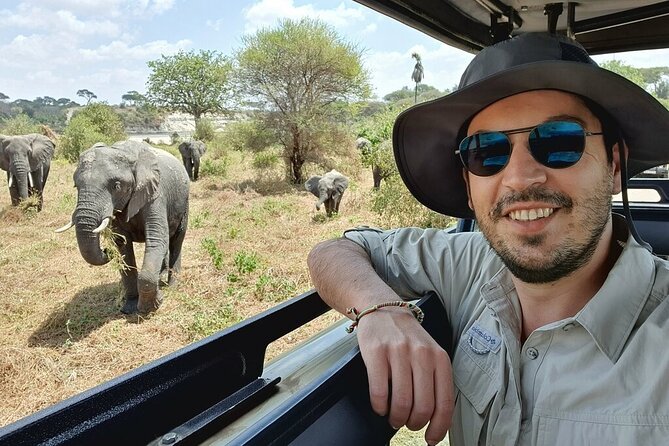
On day seven, you’ll head to Ngorongoro Conservation Area, where you descend about 600 meters down into the crater to view wildlife. That 600-meter change isn’t just a fact—it usually changes temperature, vegetation, and the “feel” of the game drive.
Ngorongoro is also a strong end-cap to a calving-season itinerary. Even when the calving story is strongest in the south, the crater gives you a different kind of wildlife density and variety.
Practical note: the tour calls for moderate physical fitness. The descent into the crater and the day’s schedule are the kind of things to think about if you’re not used to uneven ground.
Mto Wa Mbu: Culture and a Walking Safari Between Parks
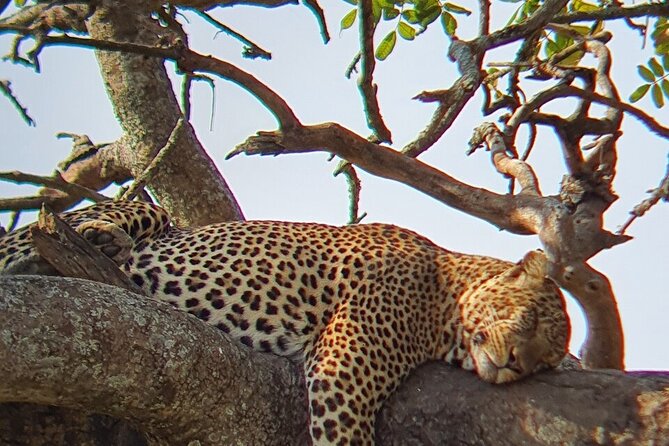
On day eight, you’re driving to Mto wa Mbu for a morning cultural tour and walking safari, plus a local lunch. The tour also mentions stunning views hovering over the area, which is a nice contrast after days focused on vehicles and park roads.
This part of the trip is valuable for two reasons:
1) It breaks up the wildlife-heavy tempo with human-scale experiences.
2) It adds a different kind of “safari pacing,” where you’re not scanning for animals every second.
Then you’ll return to Arusha or continue to the airport depending on your flight.
Your Guide and Vehicle: Why Spotting Skills Matter
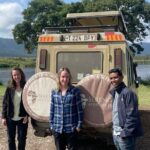
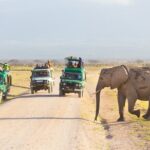
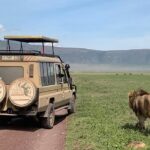
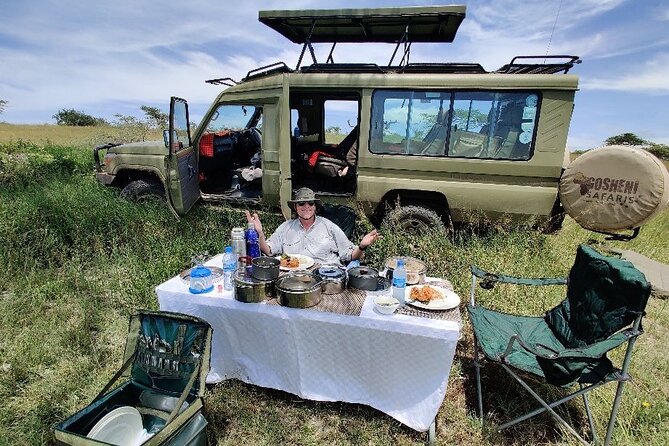
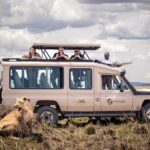
In safaris, the car isn’t just transport. It’s your viewing platform. This tour uses a private vehicle and includes a driver/guide, and the group size is capped at seven travelers, which tends to make the experience feel less crowded and more controlled.
The biggest theme from guide praise is simple: sharp eyes and smart explanations. Multiple guide names show up in feedback, including William David, Albert, Emanuel, George Matias, Calvin Kileo, Innocent Mafuru, Rahim, Ombeni, and Michel. The common thread across these standout mentions is that they help you find animals and explain what you’re seeing—wildlife, plants, and even Maasai culture topics.
That kind of guidance changes the experience. Without a good guide, you can still see animals. With one, you’re more likely to understand why they’re there and what you’re looking at when something small or sudden happens.
Price and Value: What You’re Really Paying For
This safari is listed at $2,999.62 per person for about eight days. At first glance, that’s a lot. But it’s easier to judge value when you look at what’s packaged in:
- Accommodations across the itinerary (luxury tents and lodges)
- Meals as per itinerary (breakfast, lunch, dinner)
- Airport pickup and drop-off in Arusha / Kilimanjaro route
- Transport by private vehicle
- Bottled water
- Driver/guide
- Entrance fees are described as included for a worry-free trip
Alcohol isn’t included, though you can purchase it. That’s common, but it does mean you should plan your budget for drinks if you expect to have them every day.
For me, the key value lever is the combination of park coverage and calving timing. You’re paying not only for drives, but for being in the right places at the right season. If you’re going to Tanzania once, it helps when the itinerary is more than a checklist.
Who This Safari Fits Best (and Who Might Reconsider)
This tour fits best if you:
- Want the Great Migration calving-season experience during Dec–Apr
- Prefer a structured route across Tarangire, Lake Manyara, Ndutu, Serengeti, and Ngorongoro
- Like the idea of a small group (max 7) with a private vehicle
- Enjoy learning while you watch wildlife—guides are repeatedly praised for explanations
You might reconsider if you:
- Have limited mobility or can’t handle moderate physical demands. The tour asks for moderate physical fitness, and it includes a crater descent plus a walking safari
- Are traveling with strict expectations about exact calving timing. The tour targets the February peak window, but calving is still nature, not a clock
Should You Book This 8-Day Calving Safari?
My take: if calving season is your priority, this itinerary makes a lot of sense. It doesn’t just point you toward Serengeti; it concentrates on Ndutu, where the calving window around February (about three weeks) is the target. Then it broadens the experience with Tarangire, Lake Manyara, and Ngorongoro so you don’t spend the whole time only thinking about one theme.
The smart move is choosing dates that give you the best odds of being around that February period. If your schedule lands elsewhere in Dec–Apr, you can still get the calving-season story, but your highlights may feel more variable.
If you’re on the fence, this is the kind of trip where the “season fit” matters more than the exact park order. And because weather can affect safari plans, you’ll want to be flexible. The tour also offers free cancellation if you cancel at least 24 hours ahead, and it notes options if weather cancels the experience.
FAQ
What parks does this 8-day safari include?
The itinerary includes Tarangire National Park, Lake Manyara National Park, Lake Ndutu/Serengeti South (Ndutu area), Central Serengeti National Park, and Ngorongoro Crater (Ngorongoro Conservation Area). It also includes a day in Mto wa Mbu for a cultural tour and walking safari.
How long is the tour?
It’s an 8-day safari (approximately).
Where does the safari start, and what time?
It starts in Arusha, Arusha Region, with a start time of 8:30 am. The meeting point is Arusha.
Is airport pickup and drop-off included?
Yes. The tour includes airport pickup and drop-off, and it specifically mentions pickup from Kilimanjaro Airport on arrival.
What meals are included?
Meals are included as per the itinerary: breakfast (B), lunch (L), and dinner (D). Bottled water is also included.
Is alcohol included?
No. Alcoholic drinks are not included and are available to purchase.
How many travelers are on the tour?
The tour has a maximum of 7 travelers.
Can children join the safari?
Children must be accompanied by an adult.
What fitness level do you need?
The tour notes a moderate physical fitness level. This matters for the crater descent and the included walking safari.
What happens if the experience can’t run due to poor weather?
It’s noted that the experience requires good weather. If it’s canceled due to poor weather, you’ll be offered a different date or a full refund.