REVIEW · ARUSHA
6-day Private Camping Safari Tour from Kilimanjaro Airport
Book on Viator →Operated by Suricata Safaris · Bookable on Viator
Elephants and crater views come fast. This private camping safari strings together Tarangire, Serengeti, Ngorongoro, and Lake Manyara for a classic Northern Circuit feel, with game drives built around prime wildlife areas. I especially like the way the itinerary gives you real time on the ground in each park instead of rushing through checklists.
I also like the camp-and-food rhythm. You get breakfast and lunch included most days (6 each) plus dinner on 5 days, and several departures highlight freshly prepared meals that are meant to be more earth-friendly. The main drawback to weigh is simple: this is a long-days style trip, with multiple 6-hour driving/game-drive blocks, so comfort on the road matters.
In This Review
- Key Highlights Worth Noting
- The Northern Circuit, Done Like a Private Safari Camp Trip
- Day 1 Tarangire National Park: Elephant Herds at the Dry-Season Waterline
- Days 2 and 3 Serengeti From the Seronera Campsite Base
- Day 4 Central Serengeti and the Seronera River Advantage
- Day 5 Ngorongoro Crater Day (Plus More Serengeti Time)
- Day 6 Lake Manyara: Birds, Zebra Herds, and the Tree-Climbing Lion Chance
- Camping Setup and the Meal Plan That Keeps You Going
- Price and Value: Is $2,400 Per Person Fair?
- Who Should Book This Safari (and Who Might Be Happier Elsewhere)
- Should You Book This 6-Day Private Camping Safari?
- FAQ
- How long is the 6-day private camping safari?
- Where does this safari operate?
- Is this tour private?
- What meals are included?
- Which national parks are included?
- Are park admission tickets included?
- Can I cancel for a full refund?
Key Highlights Worth Noting
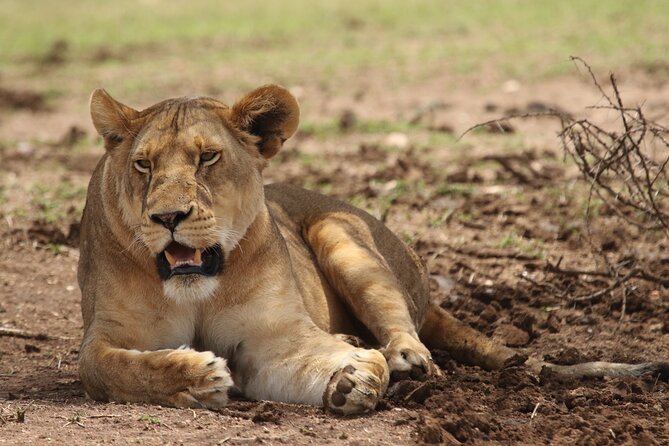
- Big-wildlife focus: Tarangire elephants, Serengeti predators, Ngorongoro crater wildlife density, Lake Manyara’s birdlife and tree-climbing lion chances
- Private group experience: only your party goes out together, which helps when you want flexible stops for photos
- Seronera-based Serengeti time: several days centered around the Seronera area, known for steady animal activity around water
- Team structure you can feel: certified guide plus the practical support roles that help spotting happen smoothly
- Fresh, non-kit style meals: more “real dishes” than drive-thru food, with some trips emphasizing low-plastic habits
The Northern Circuit, Done Like a Private Safari Camp Trip
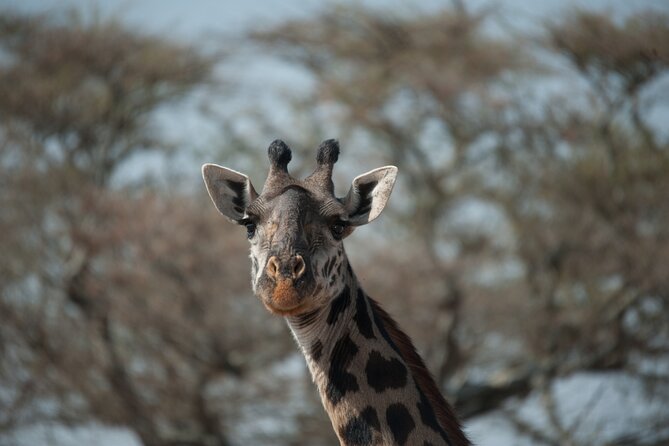
This is a 6-day private safari that starts with pickup from Kilimanjaro Airport and bases you around Arusha-area logistics. You’ll spend your days moving between some of the most famous parks in Tanzania: Tarangire, Serengeti, Ngorongoro Conservation Area/Crater, and Lake Manyara. The format is camping, which changes the experience from seeing animals from a lodge balcony to living the safari pace—early starts, daytime drives, then camp dinners.
Because it’s private, you’re not stuck watching someone else’s priorities. It also tends to make photo breaks and slower roads easier to manage. And with a mobile ticket included, you don’t have to worry about a paper hunt when you arrive.
The tour runs on daily hours listed as Monday through Sunday, basically covering the day for coordination. That matters because safari timing can shift with animal movement, road conditions, and park schedules.
You can also read our reviews of more tours and experiences in Arusha.
Day 1 Tarangire National Park: Elephant Herds at the Dry-Season Waterline
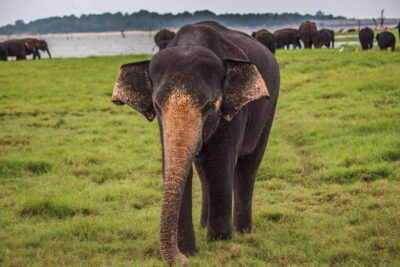
Tarangire is the opening act for a reason. The day is built around a full game drive with a picnic lunch, and the standout wildlife story here is the elephants—herds described as reaching up to 300 that move toward alternative water sources when rivers dry up. When you hear about a “waterless river bed,” that’s the key idea: animals concentrate in predictable places, which improves your odds for sightings.
Tarangire also offers a strong mix beyond elephants. You might see wildebeest, zebra, buffalo, impala, gazelle, hartebeest, and eland gathering around the same areas. It’s a great park for photographers because the lighting and animal movement can line up well when you’re in the right section at the right time.
The day ends with dinner and overnight at Lilac Campsite. Campsite nights are where you start to feel the group’s energy shift from “travel days” to “safari days.” If you want the experience to feel immersive, Day 1 is where that starts.
Watch-out to consider: Tarangire is a big driving day. If you’re sensitive to long hours in a vehicle, plan to be comfortable with that tradeoff because the rest of the circuit keeps that pace.
Days 2 and 3 Serengeti From the Seronera Campsite Base
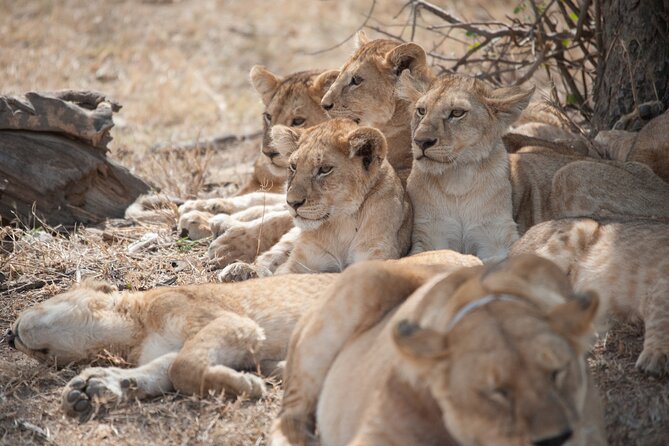
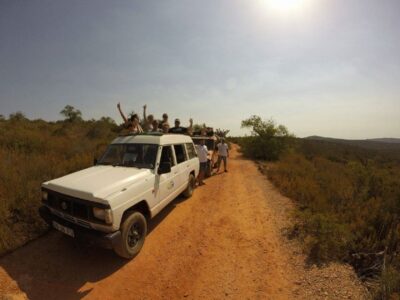
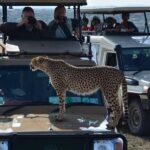
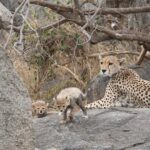
Serengeti is where this itinerary really turns into a full wildlife adventure. Day 2 goes from breakfast into driving toward Serengeti National Park, passing through the Ngorongoro Conservation Area. The plan includes game driving en route—so even before you reach Serengeti’s deeper sections, you’re not just commuting. The animal list provided for this leg includes lions, leopard, cheetah, hyenas, elephants, caracal, honey badger, and African wild dog.
You then settle at Seronera Campsite for dinner and overnight. Seronera is important here because Day 3 keeps you in that zone for a full game-drive day. The itinerary includes a full day drive with picnic lunch, followed by another return to Seronera Campsite later that evening.
What I like about packing Serengeti across multiple days is that it reduces the “one-day randomness” problem. Even when you can’t control animal behavior, spreading your time helps you catch different patterns—early sightings, midday movement, and late-afternoon activity.
Day 3 also includes meal planning explicitly labeled as FB (breakfast, lunch & dinner). That’s a useful detail if you want fewer decisions during the day. Fewer meals to manage also means less time off-road and more time focused on spotting.
Practical consideration: Some parts of this plan list 6-hour blocks, so expect a steady cadence. It’s not a laid-back safari; it’s a “find animals, then find more animals” style trip.
Day 4 Central Serengeti and the Seronera River Advantage
Day 4 is built around Central Serengeti and the Seronera area, with a big emphasis on the Seronera River as a key water source. In practical terms, water shapes animal movement. When animals know where water is, your sightings become less accidental and more about being in the right place at the right time.
The day is described as an experience that takes you down into the heart of the park with endless plains stretching out. Then you head into the Seronera region, where wildlife tends to be more consistently active. For you, that translates to higher odds of seeing the “classic Serengeti mix,” rather than just one isolated highlight.
The plan also indicates that after this day’s game viewing, you’ll proceed toward your Lodge in the Ngorongoro Conservation Area. Even without every minute spelled out, the takeaway is clear: Day 4 is part safari, part repositioning. That positioning matters because it gets you set up for crater day on Day 5.
Drawback to weigh: Moving from Serengeti to the Ngorongoro area means there’s less downtime. If you love long, slow afternoons, this day won’t give you much of that.
Day 5 Ngorongoro Crater Day (Plus More Serengeti Time)
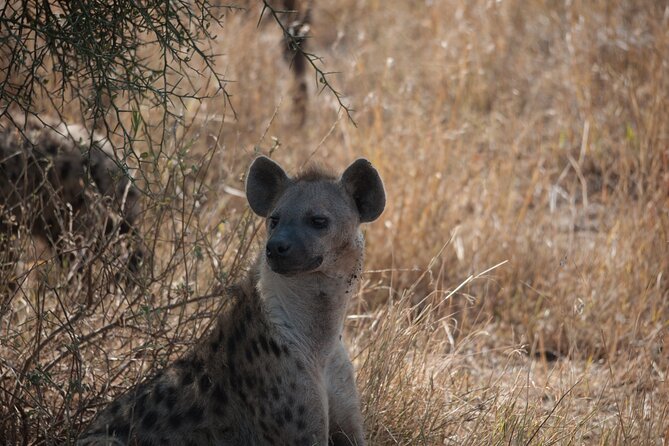
Day 5 is where Ngorongoro steps into the spotlight. The itinerary shows you starting with additional game driving in the Serengeti area, then after lunch moving to your Lodge in the Ngorongoro Conservation Area. After that, you do game drive at the Ngorongoro Crater with admission ticket included.
Ngorongoro is famous because it compresses wildlife into a tighter space, which can make spotting feel more “dense” than open-plains driving. It also tends to be a highlight for people aiming for the biggest-name sightings. In the feedback that comes with this program, the “Big Five” theme shows up often, and the crater is one of the places that helps make that pursuit realistic.
What’s smart about this itinerary is that it doesn’t put all your crater hopes into a single moment. You also get more Serengeti time earlier in the day, so if the crater day feels slow at any point (weather and animal movement can do that), you still have a full day structure.
Consideration: Crater areas can mean steep descents and big changes in temperature and air feel. The schedule makes it clear you’ll be doing long stretches of driving and driving-adjacent time, so bring patience for the pace.
Day 6 Lake Manyara: Birds, Zebra Herds, and the Tree-Climbing Lion Chance
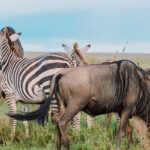
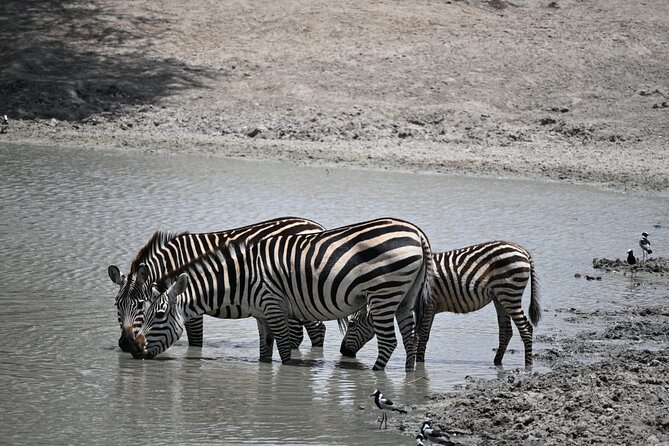
Day 6 shifts into Lake Manyara National Park. The itinerary says you’ll be picked up between 8:30 and 9:00 am, and the day is an extended game drive with a picnic lunch. The wildlife focus includes birds, tree-climbing lions, zebras, and buffalos.
Lake Manyara is a nice “different flavor” ending. After days of Serengeti plains and crater driving, Manyara can feel like a fresh visual and ecological chapter. Even if tree-climbing lions aren’t in your cards, the park’s birdlife and the chance of seeing animals in varied habitats can still make the day satisfying and photo-friendly.
The day doesn’t mention an evening game drive, and the meals included list shows 5 dinners total across the trip. Translation: you should assume the final day is more about getting you out and ending the safari loop than adding one more long night program.
Camping Setup and the Meal Plan That Keeps You Going
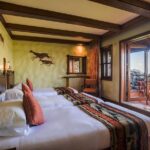
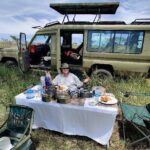
Camping safaris have a reputation for being “roughing it.” This one is framed as a private camping experience with organized campsites like Lilac Campsite and Seronera Campsite, plus a structured meal plan. That matters, because it’s the difference between camping as a chore and camping as part of the safari mood.
Meal details are fairly clear in the included list:
- Breakfast: 6
- Lunch: 6
- Dinner: 5
That gives you predictable energy for game drives and reduces the temptation to spend extra money on roadside food. It also means you’ll likely have at least one evening where dinner isn’t listed as included, so don’t plan your calendar like you’ll always be back at camp for a full meal.
Food quality is where this tour tends to win people over. Some groups highlight lunch with “real dishes” and freshly prepared food, plus an eco-minded approach that avoids plastic waste. Even if your own trip doesn’t match those exact details, the pattern to watch for is clear: you want a camping safari that treats the food seriously because it directly affects your day-to-day comfort.
Price and Value: Is $2,400 Per Person Fair?
At $2,400 per person, this is not a budget safari. But it’s also not overpriced for what you’re getting if the trip matches the core promises: private guiding, certified guide support, camping nights, and a multi-park Northern Circuit route.
Here’s the value lens that matters:
- Private format: Only your group participates, which you pay for in flexibility and attention.
- Time in major parks: Tarangire, Serengeti (multiple days), Ngorongoro crater time, and Lake Manyara.
- Meals included: 6 breakfasts and 6 lunches are a real cost saver, and 5 dinners keep you covered most nights.
- Pickup from Kilimanjaro Airport plus mobile ticket convenience.
If you compare this to cheaper safaris that use shared vehicles, skip meals, or squeeze down park time, the price starts to look more logical. You’re paying for an experience that’s built to keep you moving through the good animal zones while also handling the “camp logistics” side.
The key drawback to watch is cost sensitivity. If you’re traveling as a group of two, this price is a heavy lift compared with join-in group safaris. If you’re flexible on comfort and want the private attention, it can feel like a fair deal.
Who Should Book This Safari (and Who Might Be Happier Elsewhere)
You’ll likely love this if you:
- want a Northern Circuit style itinerary with Tarangire + Serengeti + Ngorongoro + Lake Manyara
- care about wildlife viewing time over slow sightseeing
- are comfortable with camping and a schedule that keeps you outdoors most of the day
This may not be your best fit if you:
- hate long drives and want a more relaxed pace
- expect lodge-level comfort every night
- don’t enjoy the tradeoff of camping logistics for more safari time
One more practical note: the tour is marked as suitable for most travelers, and there are mentions of safaris working with families that include a small child. That doesn’t mean every toddler will love it, but it does suggest the program can handle real-life group variety.
Should You Book This 6-Day Private Camping Safari?
My take: if your priority is big wildlife days across multiple parks and you’re okay living the camping rhythm, this itinerary is a strong bet. The structure is built around proven animal concentration areas—Tarangire’s elephant focus, Serengeti’s Seronera water-based activity, the crater’s dense viewing, and Manyara’s bird-and-lion possibilities.
I’d book if you want a safari where the day-to-day feels handled: pickup, meals that keep you fueled, and a team approach that makes spotting and timing feel organized. I’d think twice if camping and vehicle time are dealbreakers for you, because this is designed for movement, not lounging.
FAQ
How long is the 6-day private camping safari?
It runs for approximately 6 days.
Where does this safari operate?
The itinerary is based around Arusha, Tanzania, with pickup offered from Kilimanjaro Airport.
Is this tour private?
Yes. It is a private tour/activity, so only your group participates.
What meals are included?
Breakfast is included for 6 days, lunch for 6 days, and dinner for 5 days.
Which national parks are included?
Tarangire National Park, Serengeti National Park, Ngorongoro Conservation Area (including Ngorongoro Crater), and Lake Manyara National Park.
Are park admission tickets included?
The itinerary notes admission ticket details as free or included for the listed game drive days and stops.
Can I cancel for a full refund?
Yes, free cancellation is offered. You can cancel up to 24 hours in advance of the experience’s start time for a full refund.