REVIEW · ARUSHA
6 Day Tanzania Wildlife Mid range Safari
Book on Viator →Operated by Serengeti African Tours · Bookable on Viator
Wild Africa in 6 action-packed days. This safari is interesting because it strings together four iconic wildlife areas with real time on the ground, not just quick stops. I especially like the mix: Tarangire’s elephant and baobab scenery plus Serengeti’s plains and migration-focused game drives. Second, I like that the trip is structured for constant sightings, with daily drives in 4×4 safari vehicles and guided time in the parks. One drawback to consider: this is an efficient route, so expect long drives between parks and early starts, not a slow, “sleep in” vacation.
You’re paying about $2,500 per person for a mid-range style safari package that covers the big essentials: park fees, transport, a professional English-speaking guide, and meals (breakfast, lunch, dinner). With a maximum of 6 travelers and pickup offered, it’s a small-group setup that tends to feel easier to manage than the big-van circus. The key question is whether you want maximum wildlife time across multiple parks, because that’s exactly what this does.
In This Review
- Key Points to Know Before You Go
- Tarangire to Ngorongoro: The 4-Park Route That Makes Sense
- Tarangire Game Drive: Elephants, Baobabs, and a Real Picnic Lunch
- Lake Manyara: Baboon Counts and the Famous Tree-Climbing Lions
- Serengeti in Two Drives: Seronera Plains and Migration Following
- Olduvai Gorge Stop on Day 5 and the Ngorongoro Lodge Base
- Ngorongoro Crater Day: Descend Over 600 Meters for Predators and Lake Magadi
- Mid-Range Lodges, Real Meals, and the 4×4 Vehicle Reality
- Guide Quality That Shows Up in the Results
- Price and Value: What $2,500 Includes (and What It Doesn’t)
- Who Should Book This Safari (and Who Might Reconsider)
- Should You Book This 6-Day Tanzania Wildlife Safari?
- FAQ
- What parks and wildlife areas does this 6-day safari include?
- How is the wildlife viewing handled during the trip?
- Is pickup included?
- What’s included in the price?
- What is not included?
- How large is the group?
Key Points to Know Before You Go
- You cover Tarangire, Lake Manyara, Serengeti, and Ngorongoro in one 6-day circuit, so you get variety instead of repeating the same park.
- Picnic lunch in Tarangire adds a different rhythm than just eating at the lodge.
- Serengeti includes a full day with migration following, plus an additional afternoon game drive.
- Ngorongoro is the big drop: you descend over 600 meters for crater wildlife and predator spotting.
- Your group stays small (up to 6 travelers), which can help the day feel more flexible.
- Mid-range lodges or tented camps handle your overnight stays, with breakfast/lunch/dinner included and mineral water on board.
Tarangire to Ngorongoro: The 4-Park Route That Makes Sense
This safari works because it’s not trying to be everything at once in one place. Instead, it moves through Tanzania’s signature ecosystems—each with a different cast of wildlife and scenery—so you’re not stuck waiting for one kind of animal in one kind of habitat.
You start in Tarangire National Park, famous for huge elephant numbers and baobab trees tied to animal movement. Then you head to Lake Manyara, known for intense bird life and primates, including the world-class baboon action. From there it’s Serengeti time—Seronera area first, then a full day built for following the wildebeest migration. Finally, Ngorongoro Crater gives you the enclosed “wildlife theater” feel, with predators and a dense mix of animals around the crater’s water sources.
If you’re the type who likes seeing multiple species in a single trip, this route is a strong match. If you prefer slow travel and lots of downtime, you may feel the pace.
You can also read our reviews of more tours and experiences in Arusha.
Tarangire Game Drive: Elephants, Baobabs, and a Real Picnic Lunch
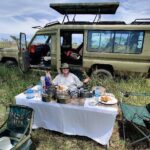
Day 1 begins after breakfast, with a stop in Arusha Town for any last-minute purchases before heading out. In Tarangire, you get a game drive in the park and a picnic lunch inside the park, which is a nice change from the usual “eat-and-go” routine.
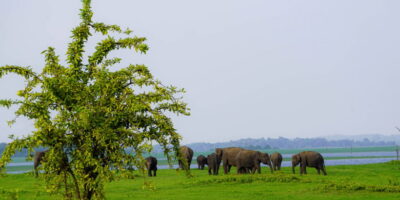
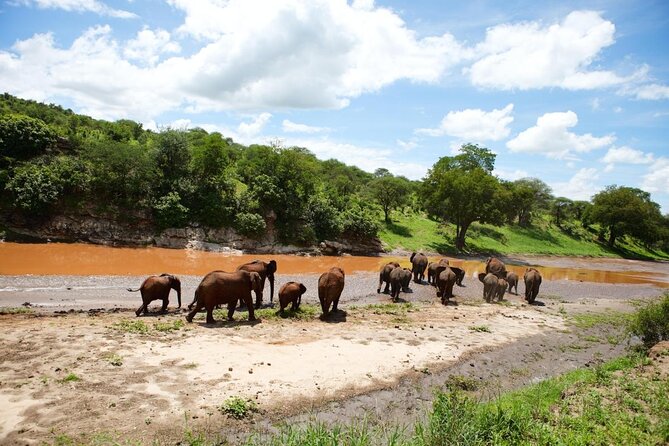
Tarangire is all about the classic visuals: elephants moving through the area and baobab trees that shape the landscape. It’s also linked to an annual migratory rhythm, with the park supporting cycles that can include up to 3,000 elephants, plus large numbers of wildebeest and zebra. That matters because it signals you’re not visiting a random “scenic park.” Tarangire is part of an actual wildlife system, and that tends to translate to better odds of seeing action.
You’ll finish the day with dinner and an overnight stay at Farm of dream Lodge. Mid-range lodges like this are usually where you recharge between drives—hot shower, solid meals, and sleep—so you can be ready for the next habitat shift.
Lake Manyara: Baboon Counts and the Famous Tree-Climbing Lions
After breakfast on Day 2, you head toward Lake Manyara National Park. The park gets described as a mix of habitats for a reason: acacia woodlands, water forest edges, baobab-strewn cliffs, hot springs, swamps, and the lake itself. The practical payoff is variety—different spots can produce different sightings on the same day.
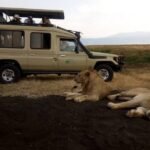
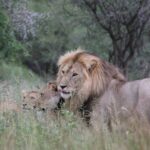
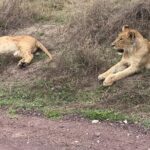
Lake Manyara’s standout reputation is the largest concentration of baboons anywhere. You’re not just likely to see them—you’re likely to see them in large numbers, often close to where vehicles stop. The other highlight is the lions. Manyara lions are known for climbing trees, so your guide can steer you toward those chances when conditions allow.
In the end, the day doesn’t stop at wildlife. Dinner and overnight are at Eileen’s tree lodge, which pairs nicely with this part of the safari because the whole area feels like it’s tied to water and trees. It’s a good night to reset after one of the most “alive” primate-and-bird focused parks on the route.
Serengeti in Two Drives: Seronera Plains and Migration Following
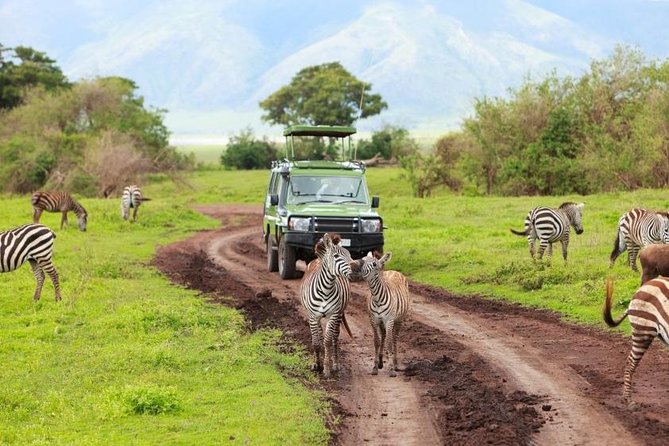
Serengeti is where people start thinking in terms of “best chance,” not just “possible sightings.” On Day 3, you travel via Karatu farmland and the Ngorongoro Conservation Area, then descend into Serengeti’s wide-open plains mood. You arrive in time for lunch and then take an afternoon game drive.
You’ll spend time in the Seronera area, described as one of the richest wildlife habitats inside the park, helped by the Seronera River. This matters because water brings animals—and animals bring predators—so it’s a sensible base for maximizing viewing time without having to constantly gamble on “where things might be.”
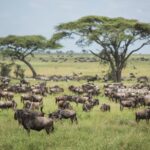
Day 4 is your heavier day: a full day game drive in Serengeti with the goal of following the wildebeest migration. The route is designed to keep you moving with the herds. That’s why this part of the safari feels like the main event: you’re not just watching animals; you’re tracking a system.
That said, a quick truth: migration timing is never fully controllable. Your guide’s skill becomes the difference between seeing a lot of “stuff happening” and seeing fewer big moments. (In the best runs, you’ll feel like the plains are running a live broadcast.)
Your overnight for these Serengeti days is at Domel wilderness camp, which gives you a consistent place to return to after long driving hours.
Olduvai Gorge Stop on Day 5 and the Ngorongoro Lodge Base
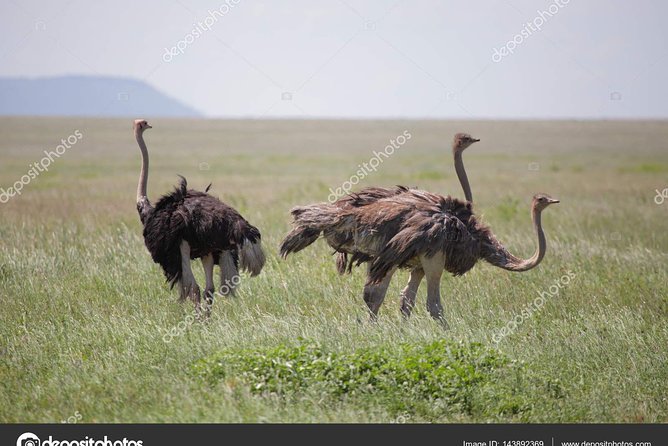
Day 5 starts early with a game drive, then you transition toward Ngorongoro Conservation Area. You stop at Olduvai (Olduvai Gorge), tied to early human evolution discoveries associated with the Leakey work. The tour specifically notes that researchers Lois and Mary Leakey found skull links known as Nutcracker Man and Handy Man—important clues in the chain of human evolution.
That stop works well because it breaks the “only animals” rhythm without getting stuck on a museum-style detour. You get perspective on what this region means beyond wildlife, and then you return to the safari pace.
Late afternoon brings a transfer to Ngorongoro Wildlife Lodge for dinner and overnight. This is your crater-adjacent base—exactly where you want to be before the big drop the next morning.
Ngorongoro Crater Day: Descend Over 600 Meters for Predators and Lake Magadi
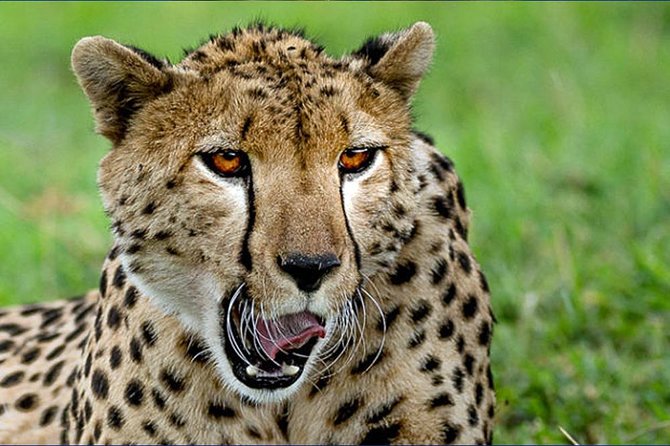
Day 6 is the payoff day. After an early breakfast, you descend over 600 meters into the crater to view wildlife. The crater setup matters: the conservation area has year-round water and fodder, which supports dense animal presence.
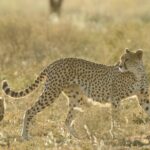
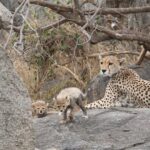
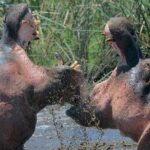
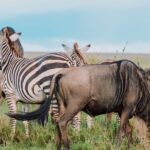
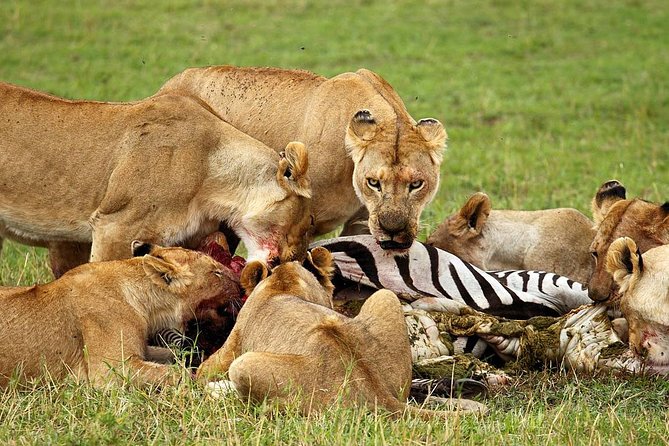
The list of animals you’re likely to see includes herds of wildebeest, zebra, buffalo, eland, warthog, hippo, and giant African elephants. Then there are predators: lions, hyenas, jackals, cheetahs, and the leopard, which sometimes takes careful searching to spot.
That last detail is important. Ngorongoro can feel incredibly productive, but predators don’t line up on a schedule. A good guide’s patience and eye help you turn “maybe” into “there it is.”
You’ll also visit Lake Magadi, described as a large but shallow alkaline lake in the crater’s southwestern corner. It’s one more natural feature that shapes where animals gather and how the crater looks at different times of day.
Mid-Range Lodges, Real Meals, and the 4×4 Vehicle Reality
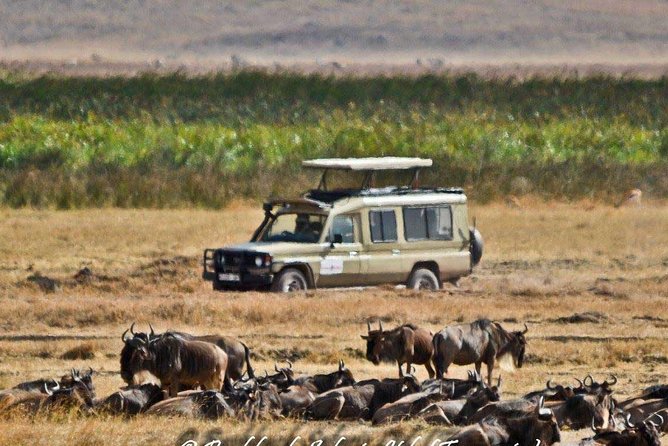
This tour is built around comfort that’s “enough” for safari life, not luxury-by-default. Overnight stays are in safari lodges or tented camps, and the package includes all the basic fuel: mineral water plus breakfast, lunch, and dinner across the 6 days.
The practical value here is simple: you’re not hunting for meals or paying extra park-by-park. Lunch is noted as included, with a picnic lunch included on Day 1. That matters because in parks, time is everything. Being able to eat where the day unfolds usually beats the “sit in traffic to eat” version of safari life.
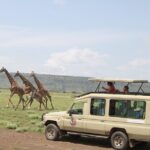
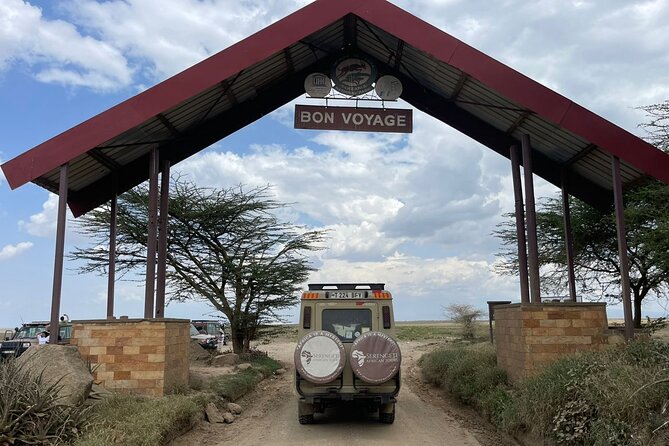
Transportation is in a 4×4 safari vehicle, which is the right choice for the roads and park tracks. It also affects how comfortable the day feels when drives run long. If you’re prone to motion discomfort, you’ll want to be ready for bumpy moments, especially while searching for animals.
Two small considerations from the structure:
- Your drive schedule changes the day’s rhythm. Expect early starts and consistent time in the vehicle.
- Because it’s a small group (up to 6), your day depends on everyone being ready at the scheduled times.
Guide Quality That Shows Up in the Results
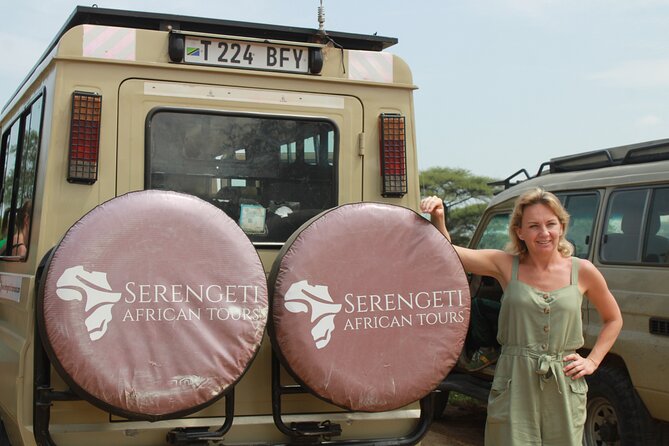
One of the biggest differences between a good safari and a great safari is the guide. This trip includes a professional English-speaking guide, and the people you’ll see connected to this operator include guides such as David, Godfrey, Kelvin, James, and Aboh—with common praise around spotting animals and staying positive.
What you can take from that is not just “they’re nice.” It’s that the experience leans on skill: finding animals, explaining what you’re looking at, and keeping the day moving efficiently. Some guides also get credit for sharing information on animals and local culture, which helps the parks feel less like a checklist and more like a place you understand.
Communication support also shows up in the wider experience, with names like Linah and Lucas mentioned for being responsive and helpful. You can treat that as a sign the team may be quick to answer questions and keep plans on track while you’re in Tanzania.
Price and Value: What $2,500 Includes (and What It Doesn’t)
At $2,500 per person for 6 days, this is not a budget safari. But you’re also not paying only for “game drives” in isolation. The included list is heavy-duty for safari cost control:
- 4×4 safari vehicle
- Professional English-speaking guide
- Mineral water
- Park fees included
- Overnight stays in lodges/tented camps
- Meals: breakfast (6), lunches (6), dinners (6)
Not included is where you should plan ahead: visa fees, tips, and personal spending for souvenirs. Those can add up in any country, so it’s smart to set aside a realistic amount.
Value-wise, the best way to think about it is this: park fees plus transportation plus guide plus meals are usually the pieces that balloon. Here, you’re getting them bundled, which helps you compare “apples to apples” across safari companies.
Who Should Book This Safari (and Who Might Reconsider)
I’d tell you to book this if you want:
- A balanced mix of parks: elephants and baobabs (Tarangire), primates and tree-climbing lions (Manyara), migration-driven Serengeti, and predator density in Ngorongoro.
- Daily wildlife time with included meals and included park fees.
- A small group experience with up to 6 people and pickup offered.
I’d rethink it if you:
- Want lots of downtime and fewer long drives. This route is efficient, so the pace is real.
- Are imagining a luxury, low-stress getaway. This is mid-range comfort designed for safari schedules.
If you’re traveling with kids or someone who dislikes early mornings, plan carefully. One of the names attached to this safari includes an account of a toddler trip, but the tour itself doesn’t promise kid-friendly pacing beyond what the itinerary naturally allows.
Should You Book This 6-Day Tanzania Wildlife Safari?
Yes—if your main goal is seeing major Tanzania wildlife areas on one trip and you’re comfortable with an active schedule. The biggest selling point is the route logic: Tarangire, Lake Manyara, Serengeti (with migration emphasis), and Ngorongoro (with predator-focused crater viewing). Add included meals, included park fees, a 4×4 vehicle, and mid-range lodging, and the package feels built for value.
Before you book, be honest with yourself about pacing. If you want a relaxed pace, you might feel rushed. If you want maximum wildlife time with a guide who can find animals, this kind of safari makes a lot of sense.
FAQ
What parks and wildlife areas does this 6-day safari include?
You visit Tarangire National Park, Lake Manyara National Park, Serengeti National Park, and Ngorongoro Conservation Area/Ngorongoro Crater. The tour also includes a stop at Olduvai Gorge.
How is the wildlife viewing handled during the trip?
You get game drives with a professional English-speaking guide, traveling in a 4×4 safari vehicle. Serengeti includes both an afternoon drive and a full-day game drive.
Is pickup included?
Yes. Pickup is offered, and the tour notes it is near public transportation.
What’s included in the price?
The price includes transportation in a 4×4 safari vehicle, a professional English-speaking guide, mineral water, overnight stays in safari lodges or tented camps, all national park fees, and meals (breakfast, lunch, and dinner across the 6 days).
What is not included?
Visa fees, tips, and personal spending money for souvenirs are not included.
How large is the group?
The tour has a maximum of 6 travelers.