REVIEW · ARUSHA
From Arusha: 6 Day Classic Game Drive Serengeti & Ngorongoro
Book on Viator →Operated by Beach & Safari · Bookable on Viator
Six days, four parks, one big wildlife story. You’ll roll from Lake Manyara (famous for tree-climbing lions) into Serengeti and then down to Ngorongoro Crater for a top shot at the Big Five. It’s a straightforward route that still hits the big Tanzania “wow” zones.
Two things I really like: the park mix is smart and efficient, and the guiding is built around spotting and explaining what you’re seeing. Guests also consistently bring up guides by name, including David Lasway, Stanley, Godlisten Nassari, Peter Malley, Khalid, and Shabani—so you’re not just paying for drives, you’re paying for interpretation and better positioning.
The main drawback to consider is the tradeoff for that efficiency: you’re doing long game-drive days and transfers, plus the price is premium. Also, you’ll still need to budget for the Tourism Development Levy and village tax paid at check-in.
In This Review
- Key things to know before you go
- Getting started in Arusha (and why the timing matters)
- Day 1: Lake Manyara’s birds, baboons, and tree-climbing lions
- Ngorongoro Conservation Area transit: a Maasai road lesson en route
- Days 2–3 at Lake Ndutu: calving-season action and leopard chances
- Day 4: Serengeti National Park and the migration’s full scale
- Day 5: Ngorongoro Crater for Big Five chances
- Where you stay: “close to the parks” makes the days work
- Guides and spotting: why the names keep showing up
- Price of $2,864: what’s included, what’s extra, and the real value
- Best time to go for Ndutu and the migration story
- Who this safari fits best (and who might want to tweak the plan)
- Should you book this 6-day Arusha safari route?
- FAQ
- How long is the safari from Arusha?
- What parks are included in this 6-day route?
- Is pickup included, and what time does the tour start?
- When is the best time for Ndutu calving and Great Migration action?
- What’s included in the $2,864 price?
- What extra taxes should I expect to pay at check-in?
- What is the cancellation policy?
Key things to know before you go
- Tree-climbing lions at Lake Manyara in a compact park with lots going on fast
- Ndutu calving season timing (Dec–Feb) and Great Migration (Nov–Apr) for predator action
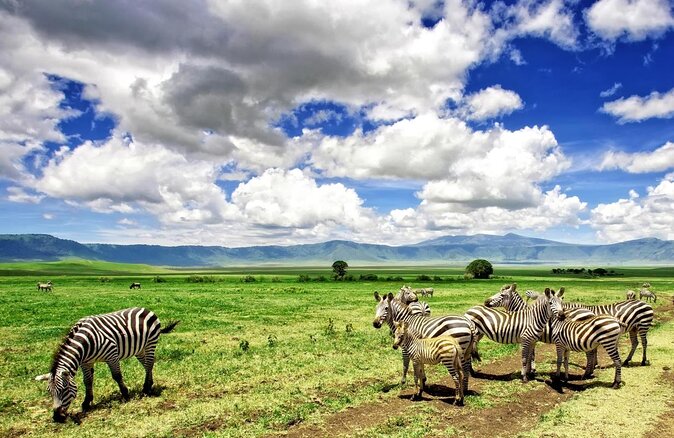
- Serengeti’s migration scale with large herds and frequent big-cat sightings on full day drives
- Ngorongoro Crater as the Big Five “focus day” inside a massive volcanic caldera
- Full-board rhythm (breakfast, lunch, dinner) that keeps the safari pace from feeling chaotic
- Guide-driven spotting shows up repeatedly in feedback, with multiple named guides
Getting started in Arusha (and why the timing matters)
Your safari runs out of Arusha with a start time of 8:00 am. Pickup is offered from your place of stay or the airport, which matters because early departures in Tanzania work best when you’re not trying to arrange transport last-minute.
You’ll also be dealing with a lot of “waiting vs. doing” decisions on safari. This itinerary keeps things moving: you drive to the next park, then you’re out on safari for the day rather than spending your time only on the road.
One more practical note: the tour is described as private, meaning only your group participates. That’s a big deal if you want fewer compromises about photo stops or how you pace the day.
You can also read our reviews of more tours and experiences in Arusha.
Day 1: Lake Manyara’s birds, baboons, and tree-climbing lions
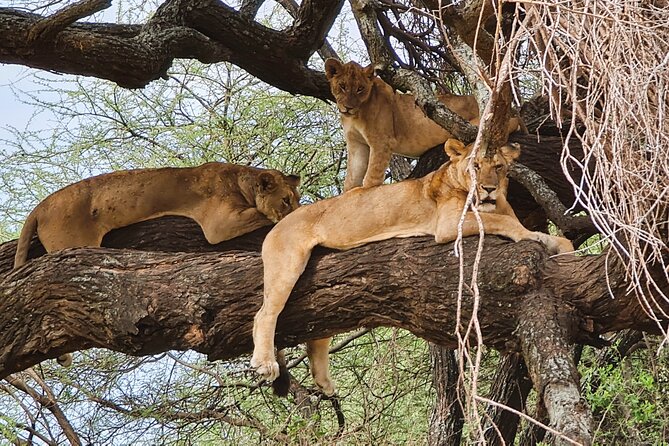
Lake Manyara is where this safari earns its easy headline. You’re heading there from Arusha in about a two-hour drive, then you’re set for a full day of game drives.
What I’d expect you to remember most is the way the park packs multiple ecosystems into a small footprint. The alkaline soda lake pulls in impressive birdlife, with more than 400 species identified and thousands of flamingos strolling along the water. If you like wildlife that isn’t only “big cats in the grass,” this day gives you plenty of variety.
Then there’s the special trick: the trees around the park are where you can get the famous tree-climbing lions. Even if you don’t see them immediately, the area is set up for that possibility, and the drive pattern is geared toward finding what makes the park unique.
The tradeoff? This is also the kind of park where you can feel a little “spread out” because there’s so much happening—birds, primates, grazing animals, forest edges. If you know you’ll want long stretches focused on one species, you’ll need to embrace the fact that Manyara is a “variety” park, not a one-animal park.
Ngorongoro Conservation Area transit: a Maasai road lesson en route
On Day 2, you move toward Lake Ndutu with a safari transfer through the Ngorongoro Conservation Area, which is home to the Maasai tribe. This is not a filler day. It’s part of the trip’s value because you’re seeing the wider region that surrounds the parks, not just park gates.
If you enjoy understanding how people live near wildlife areas, you’ll likely appreciate this segment. And even from a pure safari standpoint, transfers can still produce wildlife sightings since you’re passing through areas where animals use the land.
Practically, this day includes an afternoon game drive around Ndutu. You’ll want to keep your camera ready, because once you’re in the right habitat, sightings can happen quickly and you don’t want to miss the first good moment.
Days 2–3 at Lake Ndutu: calving-season action and leopard chances
Lake Ndutu is the safari “timing” star. The route calls out two wildlife moments: the Great Migration (Nov–Apr) and the calving season (Dec–Feb). That matters because predator-prey scenes aren’t random—you’re traveling during the window when they’re most likely.
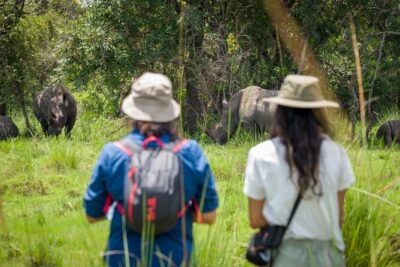
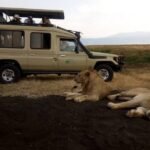
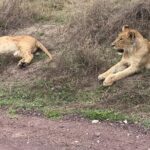
In Ndutu, lion sightings are described as common, and the riverbank is noted as one of the densest leopard areas in the world. That’s a big promise, and while no safari can guarantee exact animals on exact days, Ndutu is one of the best places to chase these outcomes.
Day 2 gives you an afternoon drive around the lake (about 3 hours). Day 3 is a full day drive (about 6 hours). I like having both. The afternoon helps you “read” the terrain and watch how animals move in the specific light conditions. Then the next day gives you longer coverage when you’re already tuned into what you’re looking at.
One small consideration: Ndutu is heavily rewarding in the right season, but it can also be emotionally intense because predator action tends to be fast-moving and dramatic. If you prefer a calmer safari pace, you might find yourselves feeling “go-go-go” for two days straight.
Day 4: Serengeti National Park and the migration’s full scale
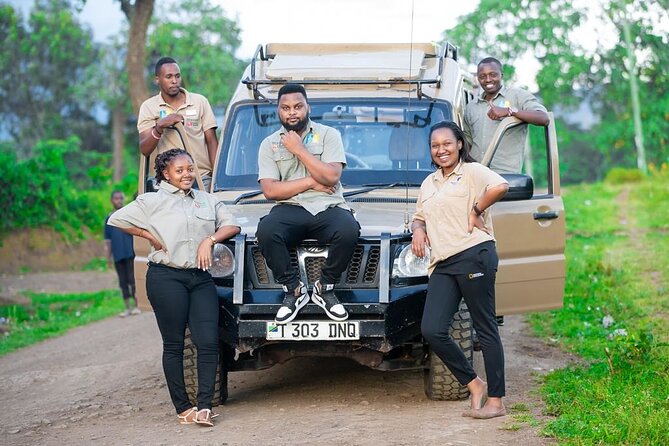
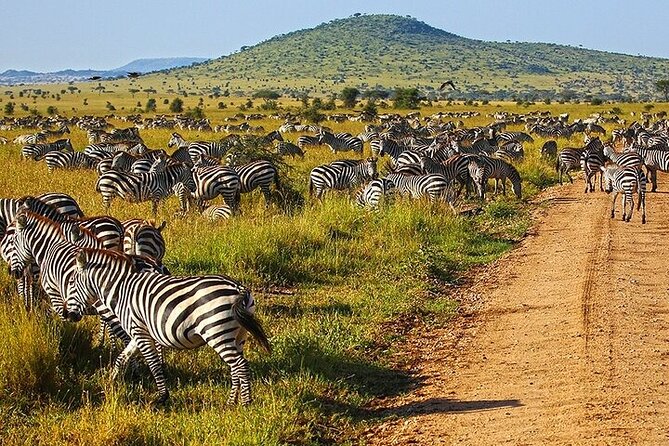
Serengeti is the grand name for a reason. This day is built around a full game drive (about 6 hours) focused on the endless savannah and the wildlife rhythm that comes with it.
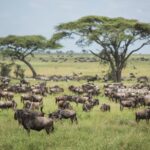
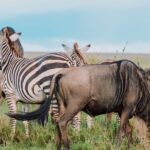
The itinerary also frames Serengeti migration scale with big numbers: around six million wildebeest, plus roughly 200,000 zebras and 300,000 Thomson’s gazelle joining the trek. Even if you don’t see every herd at once, you’re traveling in the ecosystem where mass movement is the story.
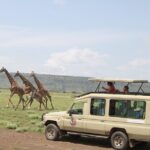
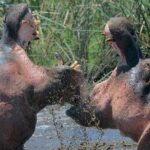
You can expect to encounter a wide range of animals, including buffalo, elephant, giraffe, lion, hippo, and hyena. That’s important for you because it means your day isn’t dependent on one single moment. In Serengeti, you often win by staying patient and letting the guide’s route choices bring encounters to you.
The practical reality: Serengeti days can feel long. That’s normal, and it’s also why this tour includes meals and a driver guide built for long hours. Bring patience, drink water when offered, and don’t plan to treat this like a checklist sprint.
Day 5: Ngorongoro Crater for Big Five chances
Ngorongoro Crater is the “focus day.” You’ll enjoy a full day game drive inside the crater (about 6 hours). The tour describes it as the world’s largest intact volcanic caldera, and that’s more than geography trivia. The caldera creates a bowl-like habitat where wildlife concentrations can be easier to find than in more open terrain.
This is where the itinerary emphasizes Big Five opportunity. If your goal is the classic checklist (lion, leopard, elephant, buffalo, rhino), Ngorongoro is the logical day to dedicate that hope.
You’ll likely understand why the crater feels so powerful once you stand at the rim and look down. The information included mentions clouds around the rim and a cooler mountain breeze—exactly the kind of sensory shift that helps you remember this isn’t just another park day.
Also, because the crater rim shapes the environment, wildlife can be found throughout the conservation area. That means your day should feel varied even within one destination.
Where you stay: “close to the parks” makes the days work
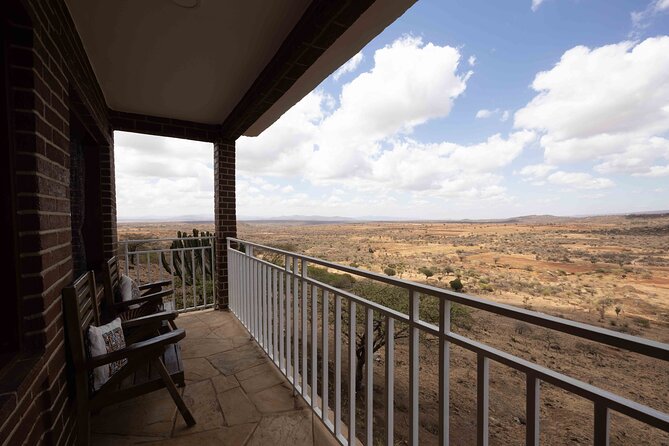
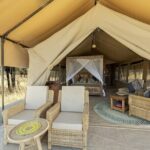
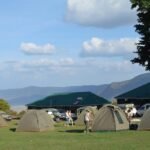
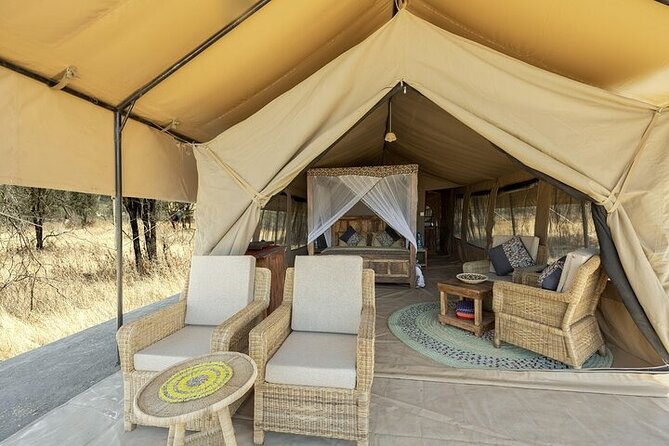
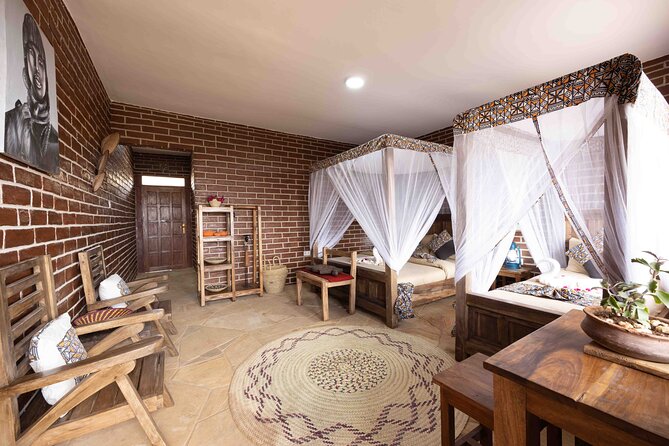
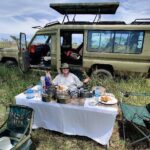
The tour includes overnight stays in unique accommodations close to the national parks, using a full board meal plan. In plain terms: you spend less time commuting and more time in the habitats you paid to see.
Guest feedback highlights that the lodges and tents on this route can be excellent, and that lodge service matters. That’s a real value point because after long days in the vehicle, you’re not just looking for a bed—you’re looking for food you can rely on and a place that lets you actually recover.
Food is also handled: breakfast (5), lunch (5), dinner (5) are included. On safari, that reduces the stress of figuring out meals between drives.
One caution for your expectations: because the accommodations are described as unique and close to parks (not one standardized hotel name), the exact style can vary by where you are that night. Your best bet is to accept the “close to nature” vibe and pack for comfort, not luxury assumptions.
Guides and spotting: why the names keep showing up
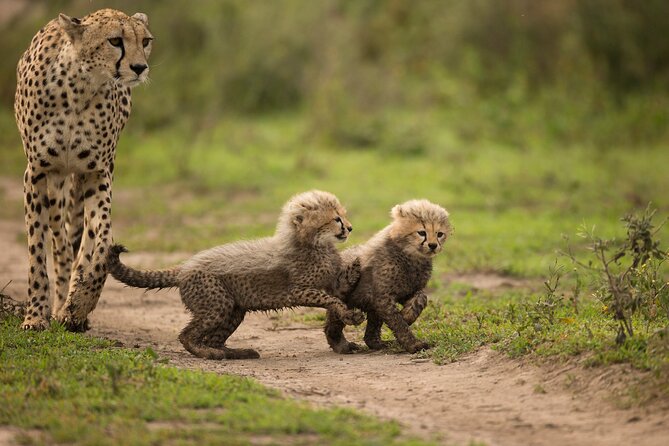
What makes this tour feel like more than a route is the driver-guide work. Feedback repeatedly points to guides who go the extra mile, and several names come up often enough to matter: David Lasway, Peter Malley, Godlisten Nassari, Stanley, Emmanuel Adson, Godbless, Khalid, and Shabani.
Common strengths you can plan around:
- Route choices for better sightings, not just driving time
- Animal explanations that help you spot what you’d otherwise miss
- Photography-friendly habits, including taking the time needed and keeping the jeep clean at night (a detail mentioned in feedback)
- Culture context, including sharing about Maasai life in the conservation area
If you’re the kind of person who loves learning what you’re actually seeing—tracks, behaviors, why an animal is where it is—this guide style is a big part of the value.
It’s also worth saying: any safari can be hit-or-miss for specific animals on specific days. But a strong guide can improve your odds by putting you in the right place and time, then helping you understand the moment while it’s happening.
Price of $2,864: what’s included, what’s extra, and the real value
At $2,864 per person, this is not a budget safari. The question is whether what’s included reduces the hidden costs.
Here’s what’s clearly part of the package:
- Park fees
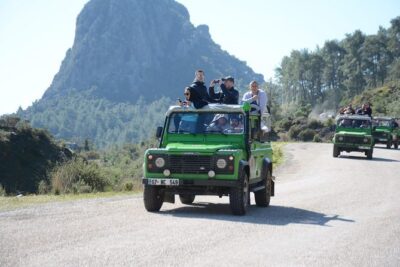
- Transport and driver guide
- Overnight stays with full board meals (breakfast, lunch, dinner)
- A mobile ticket
- A private format where only your group participates
That combination matters because many cheaper safaris “unbundle” permits, park fees, and meal plans. When you add those back, the price gap often narrows.
What’s extra:
- A Tourism Development Levy of $1.50 pp/pn and a village tax of $1.00 pp/pn, paid at check-in
- Personal expenses, drinks, and tips (optional)
So the math depends on how you travel. If you’re the type who wants everything handled (vehicle, guide, park fees, meals, and lodging near the parks), this route’s inclusions make it feel more like a single well-run trip instead of five separate problems to solve.
Best time to go for Ndutu and the migration story
If you want the Ndutu highlight to really hit, timing matters most here.
- Great Migration at Ndutu: Nov–Apr
- Calving season at Ndutu: Dec–Feb
Serengeti is described as hosting the annual wildebeest migration, but the itinerary is especially explicit about those Ndutu windows. If your main dream is predator-prey drama around calving, plan your trip for the Dec–Feb range. If you want broader migration action, aim for Nov–Apr.
And yes—this is when the animals draw in predators, so your game drives are more likely to feel eventful.
Who this safari fits best (and who might want to tweak the plan)
This tour is a strong match if:
- You want a classic northern circuit style experience with the Big Five day built in
- You prefer a set route with a driver-guide handling the logistics
- You value a mix of big-game viewing and learning from a guide
- You’re traveling at a time when Ndutu is likely to deliver (Nov–Apr, especially Dec–Feb)
You might consider a different format if:
- You hate long travel days and want more downtime between parks
- You’re ultra price-sensitive and don’t want to pay for park fees and full-board planning
- Your physical comfort needs are very limited, since the itinerary suggests moderate physical fitness and you’ll be spending long hours in a safari vehicle
Should you book this 6-day Arusha safari route?
I’d book it if you want a high-structure safari that still gives you real wildlife variety: flamingos and tree-climbing lions at Lake Manyara, Ndutu’s season-driven drama, Serengeti’s migration scale, then Ngorongoro for Big Five odds.
The biggest reason to lean yes is the combination of park variety + included park fees + full-board lodging close to the action, plus feedback that keeps circling back to strong guides like David Lasway, Peter Malley, Godlisten Nassari, and others. That guide quality is what turns a drive into a story you remember.
If the price is your biggest stressor, weigh it against how much effort you’ll spend building the trip yourself. When permits, meals, transport, and close-to-park stays are already handled, the premium can start to feel less painful.
FAQ
How long is the safari from Arusha?
It’s listed as a 6-day classic game drive, starting with pickup from Arusha and returning to Arusha at the end.
What parks are included in this 6-day route?
You’ll visit Lake Manyara National Park, Lake Ndutu (Ndutu/South Serengeti area), Serengeti National Park, and the Ngorongoro Crater, with transfers that include the Ngorongoro Conservation Area.
Is pickup included, and what time does the tour start?
Pickup is offered from your Arusha accommodation or the airport. The start time is listed as 8:00 am.
When is the best time for Ndutu calving and Great Migration action?
Ndutu is described as a hotspot for the Great Migration from November to April and for calving season from December to February.
What’s included in the $2,864 price?
The price includes park fees, overnight stays in accommodations close to the parks with full board, transport and a driver guide, plus breakfast (5), lunch (5), and dinner (5). It also includes a mobile ticket.
What extra taxes should I expect to pay at check-in?
You’ll pay a Tourism Development Levy of $1.50 per person per night and a village tax of $1.00 per person per night at check-in.
What is the cancellation policy?
Free cancellation is available up to 24 hours in advance of the experience start time for a full refund. Canceling less than 24 hours before the start time is not refundable.