REVIEW · ARUSHA
Private 6-Day Great Migration Ndutu Serengeti Safari Tour
Book on Viator →Operated by Lion King Adventures · Bookable on Viator
That short-grass plain can steal your whole day.
This private 6-day Great Migration safari centers on Ndutu (Lake Ndutu, Serengeti ecosystem) in the prime window from Dec to April, with January often delivering the calving rush. You’ll also rotate through Tarangire, the Ngorongoro Crater, and Lake Manyara, so you’re not just chasing one moment—you’re seeing several ecosystems that support big wildlife action.
Two things I like a lot: the itinerary is built around the timing of wildebeest movement and (especially) January calving, and you get the comfort of private guiding and dedicated vehicle use the whole way. One consideration: migration timing isn’t a guaranteed movie scene—if your trip lands outside the tight calving window, you may see plenty of action, just not the same density of newborns.
In This Review
- Key Highlights (Quick Read Before You Commit)
- Why Ndutu Is The Great Migration Sweet Spot (Not Just Another Serengeti Stop)
- Day 1 in Arusha: Getting Safari Ready Without Rushing
- Tarangire National Park: Elephant Country With Acacia and Open-Air Jeep Time
- Lake Ndutu: Short-Grass Plains, Big Movement, and Calving Season Energy
- January Calving: What You’ll Want, and What You Should Keep Expectations Flexible About
- Ngorongoro Crater: Dense Wildlife in a Volcanic Bowl
- Lake Manyara Finale: Flamingos, Birds, Baobabs, and Tree-Lion Chances
- Private Tour Logistics: Pickup, Vehicle Time, and Why It Changes the Safari Experience
- Price and Value: Is $2,827 Per Person Fair for a 6-Day Private Migration Plan?
- Who This Safari Fits Best (And Who Might Want a Different Plan)
- Should You Book This Private 6-Day Ndutu and Serengeti Migration Safari?
- FAQ
- What is the meeting point for this tour?
- How long is the safari?
- Which parks and areas are included?
- When is the Great Migration and calving focus?
- Is this a private tour?
- Is pickup included?
- Can I cancel and get a refund?
Key Highlights (Quick Read Before You Commit)
Ndutu calving timing: target Dec–Apr, with January described as the best time, often lasting around three weeks.
Several ecosystems in six days: Tarangire + Ndutu + Ngorongoro + Lake Manyara means you’re not stuck with one habitat type.
Ngorongoro’s high-density viewing: the crater is described as deep (about 610 m) with lots of ungulates, making wildlife encounters more likely.
Private format: only your group participates, which usually makes it easier to adjust plans and keep the day smooth.
Guides matter: Lion King Adventures is staffed with guides like Shabani, Gilbert, Meck, Ozzie, Goodluck, Evans, David, Fredrick, Gama, and Luther (names commonly associated with excellent animal-spotting and on-the-spot problem solving).
Why Ndutu Is The Great Migration Sweet Spot (Not Just Another Serengeti Stop)
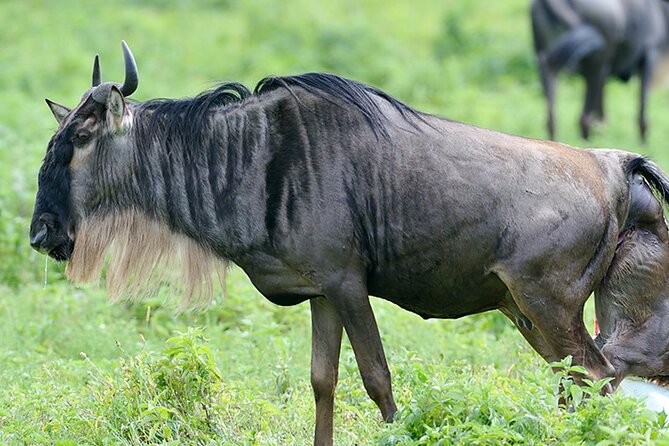
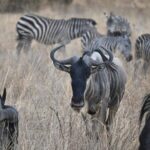
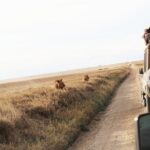
Ndutu is in Tanzania’s Ngorongoro Conservation Area, part of the wider Serengeti ecosystem. The “why” is pretty simple: during Dec to Apr, the wildebeests and zebras are commonly found on short-grass plains around Lake Ndutu. Short grass matters because it supports grazing herds, and that grazing keeps predators and scavengers working the edges.
The tour is clearly aimed at that season, and it’s especially tuned for the moment when many herds spread out and calving starts. The plan even calls out a short, intense run in January—often around three weeks—when many calves arrive in a concentrated burst. If you’ve ever wanted to see the Great Migration not as a vague concept but as an ongoing living event, Ndutu is one of the most direct ways to chase that feeling.
And it’s not only about wildebeest. Ndutu is also where you’re scanning for zebra activity, predator movement around the edges, and the plain itself—because in this habitat, your best wildlife sightings often come from patience and positioning, not just a quick stop.
You can also read our reviews of more tours and experiences in Arusha.
Day 1 in Arusha: Getting Safari Ready Without Rushing
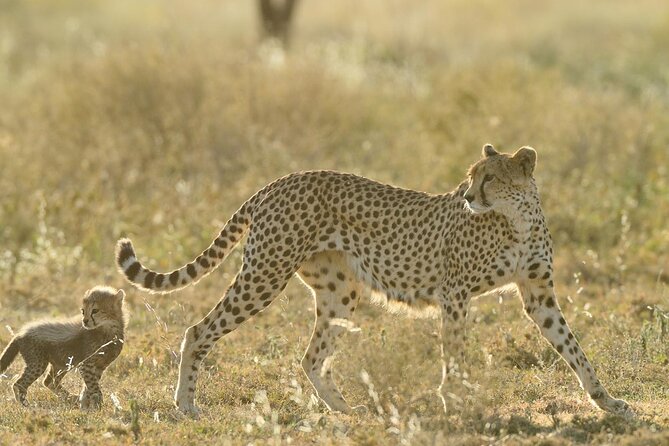
Your trip begins in Arusha, with pickup handled by a Lion King representative. You’re driven to your Arusha accommodation for one night—listed here as Arusha Planet Lodge—so you start fresh instead of arriving and immediately being thrown into the parks.
This first day is your buffer. That matters when you’re traveling from far away, dealing with possible flight delays, and trying to get your body into safari rhythm. It also sets you up with the kind of calm start that makes the longer drive days feel manageable.
One more small detail that’s easy to overlook: your itinerary lists Day 1 admission ticket free. That’s not a deal-maker, but it suggests the operator is building the schedule with some costs handled up front, rather than turning the trip into a series of extra charges.
Tarangire National Park: Elephant Country With Acacia and Open-Air Jeep Time
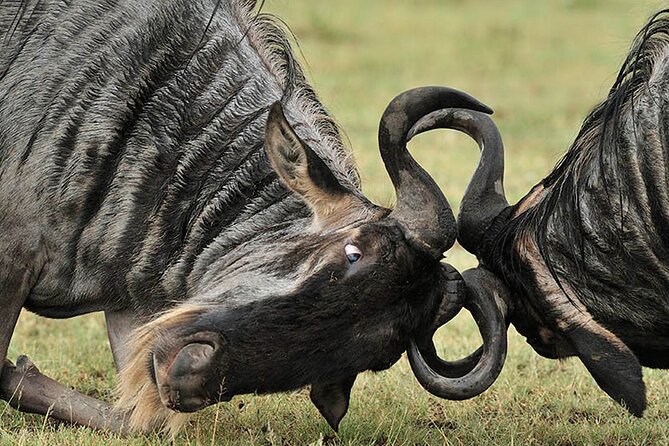
Day 2 brings you to Tarangire National Park, with pickup from your Arusha lodgings and a drive that crosses Maasai plains. The scenery here is classic northern Tanzania—acacia trees, open country, and roadside life you see only when you’re moving through the region rather than just sitting inside park boundaries.
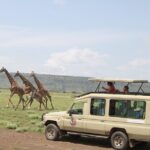
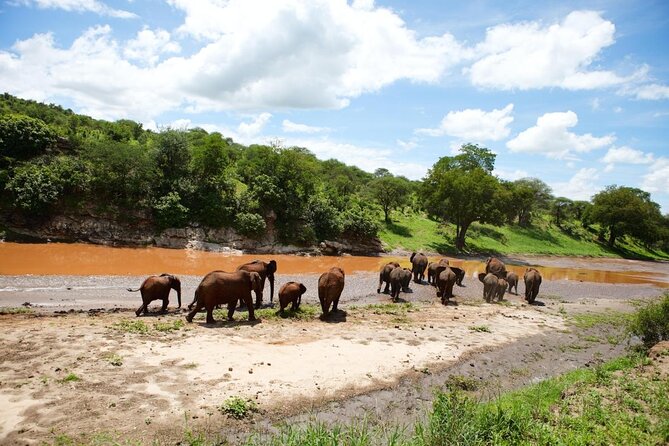
Tarangire is known for large elephant herds, and the tour leans into that. You go in on an open-roof safari jeep—called state of the art in the plan—so wildlife viewing feels more direct. Even if you don’t love the heat, the open-air format helps you spot animals sooner because you’re not boxed behind glass.
You’ll also be watching for a mix of habitats: seasonal swamps, savanna, and the Tarangire River as it supports wildlife movement. You’re not just chasing one animal. The idea is to keep your eyes moving: zebra, and other plains animals, plus elephants that often steal the spotlight when herds decide to wander through your area.
Practical note: you’re looking at an about 8-hour day here. That’s a normal safari rhythm, but plan for long sitting time and a day that’s more “out there” than “quick sightseeing.”
Lake Ndutu: Short-Grass Plains, Big Movement, and Calving Season Energy
After breakfast, you drive to the Lake Ndutu region. The transfer is listed as about 3 hours, and it’s a key transition day. The plan describes Ndutu as part of the southern Serengeti ecosystem, with Rift Valley features and soda lake conditions in the area.
Then it’s game drive time. The itinerary has two Ndutu days, which is smart. The Great Migration shifts, and predators respond to herd movement. When you only visit one day, you can miss the sweet spot. Two days gives you a second chance to catch the action when herds move and the plains settle into a new pattern.
On your Ndutu full day, you’ll search across multiple habitat types: swamps, woodland, soda lakes, and the short-grass plains. That matters because calving and predator behavior don’t happen in one neat bubble. If the wind changes, if herds shift closer to cover, or if the day’s heat pushes animals around, your viewing improves when you’re covering more of the habitat.
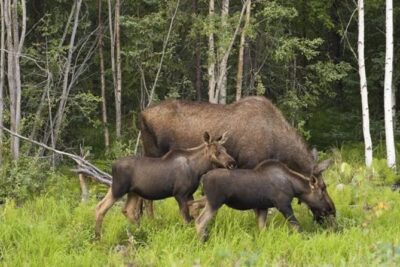
And yes, the tour is very explicit about what’s special around January: during a roughly three-week period, a huge number of wildebeest calves are born, described here as dropping in the region of half a million young. The plan also notes that calves can run within minutes of birth and may be seen moving quickly across the plains as the days progress.
That’s the reason this safari is built the way it is. You’re not just trying to see animals. You’re trying to witness a system in action.
January Calving: What You’ll Want, and What You Should Keep Expectations Flexible About
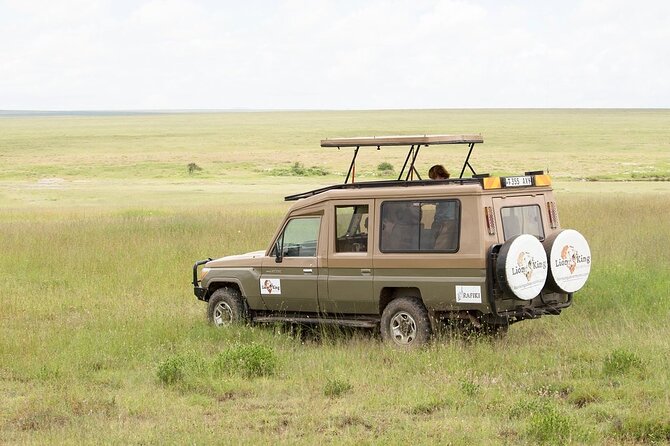
January is framed as the best time to witness calving on the Ndutu plains. The itinerary even treats it as a focused target rather than a random bonus. If your dates line up, you’re likely walking into a period where the plain is full of activity and predators are nearby—waiting for opportunities.
Here’s the expectation management part, and it’s worth saying plainly: even in January, wildlife is wildlife. The calving window is described as a short stretch, but the exact timing of where the densest newborn activity sits can vary. So think in terms of “this season creates the best odds,” not “every day will look the same.”
If you do land in that tight run, one of the most meaningful benefits of two Ndutu days is that you can compare what you see day to day: herd density changes, predator movement changes, and even the way animals use open grass vs. swamp edges can change quickly.
Also, if your trip is outside January (still within Dec–Apr), you might get something different: more herds in motion, more zebra-wildebeest behavior, and still excellent predator scanning, just not the same synchronized calving peak.
Ngorongoro Crater: Dense Wildlife in a Volcanic Bowl
Day 5 shifts gears to the Ngorongoro Conservation Area and then focuses on the Ngorongoro Crater, described as a UNESCO world heritage site formed by an ancient volcano. The plan gives you specific scale: the crater is about 610 meters deep and covers roughly 304 square kilometers. It also highlights a key viewing advantage—dense animal population, described at about 25,000 ungulates.
That density is the practical reason Ngorongoro plays such well with a short safari like this one. You’re less dependent on long hours of searching across open country. The crater rim gives you a big-picture view, and then your descending game drives (typical for crater viewing) put you in the right space for sightings.
The itinerary frames the day as a chance to see the Big Five, with the caveat of luck. That luck factor isn’t filler—it’s the truth of how wildlife behaves. But with that high-density setting, you’re aiming for better odds than you’d usually get from random plain-side scanning.
One more thing: the schedule indicates Day 5 admission ticket free, which suggests the crater costs may be handled as part of the package. Still, I’d treat any “free/included” markings as something to confirm at booking for your exact travel dates and invoice.
Lake Manyara Finale: Flamingos, Birds, Baobabs, and Tree-Lion Chances
Your final safari day goes to Lake Manyara National Park, described as about 120 km west of Arusha. The defining feature is the shallow salt lake—the plan says it covers about 70% of the surface area and floods and dries with the seasons.
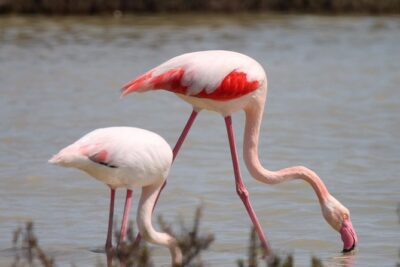
Because of that cycle, Manyara is an animal and bird mix. You’re told to watch for thousands of flamingos and around 500 other bird species. That’s a different safari vibe than the herds-on-the-plains experience of Ndutu.
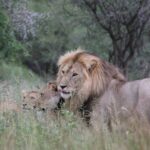
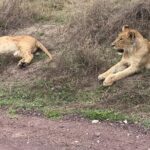
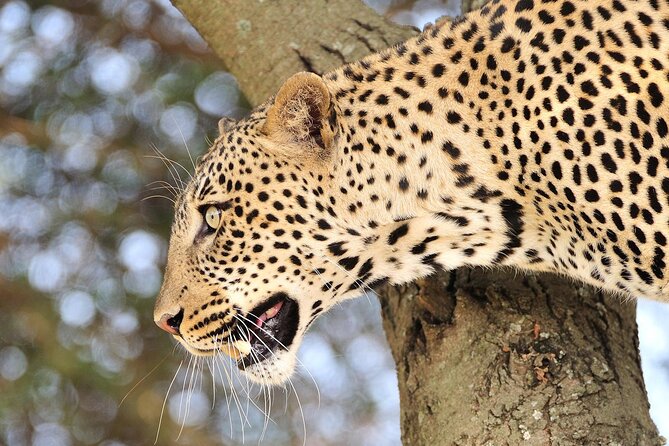
You’re also looking for classic African fauna: monkey, giraffe, zebra, wildebeest, buffalo, elephant, and, with luck, lions lounging in trees. That “lions in trees” note is a Manyara-specific talking point, and it’s why I like ending here. It gives you variety at the end instead of repeating the same herd-spotting theme.
The park is also described as having multiple scenery types: open grassy plains, primate-filled woodlands, and baobab-dotted cliffs. In other words, you’re not only scanning grasslands. You’re changing your angles, which helps keep the day from turning into one long stare into the horizon.
Private Tour Logistics: Pickup, Vehicle Time, and Why It Changes the Safari Experience
This is a private tour, meaning only your group participates. For a safari, that matters more than it might on a city trip. You’re spending most of the day in the vehicle, so who you share space with—and how your guide runs the day—can affect your comfort, your photo timing, and your ability to adjust to sightings.
Lion King Adventures lists pickup offered, including airport pickup by a Lion King representative and local pickup from your Arusha lodgings on driving days. That’s a big win because it reduces the chaos of figuring out who’s where and what time.
You’re also shown mobile ticket usage in the tour basics. That can make check-in smoother, as long as your phone battery and signal cooperate.
Finally, the operator offers group discounts, though this tour is private. If you’re traveling with friends or family, it’s worth asking how the discount works for multiple parties or multiple rooms.
Price and Value: Is $2,827 Per Person Fair for a 6-Day Private Migration Plan?
At $2,827 per person for about 6 days, you’re paying for three things: time, access, and coordination.
Time: You’re covering Tarangire, two Ndutu days, Ngorongoro, and Lake Manyara in a tight schedule. That’s not a slow sampler.
Access and guidance: This is private, with dedicated vehicle time and a guide focused on finding wildlife in multiple parks. In safaris, good spotting and good positioning often matter as much as the destination name on the itinerary card.
Coordination and costs marked as included: The schedule shows admission tickets as free on some days and included on others. That suggests the trip isn’t stacking every park fee on top at the end, though I still recommend checking your final invoice so nothing surprises you.
Are you paying a premium? Likely yes, as you are with most private Great Migration safaris. But the value is tied to the specific focus: Ndutu calving season plus the other heavyweight parks. If your dates align with the Ndutu window, that focus can turn a big-ticket safari into a very targeted one.
If your dates don’t align—say you’re traveling outside the Ndutu calving peak—you may still see a lot, but the “big promise” of the January-style calving density may not be as intense. That’s the trade-off you should weigh before you book.
Who This Safari Fits Best (And Who Might Want a Different Plan)
This tour is a strong fit if you:
- Want the Great Migration focus with Ndutu as the centerpiece.
- Are traveling with a partner, family group, or small friends group that wants private time instead of sharing with strangers.
- Care about variety: elephants and river life in Tarangire, predator-ready plains at Ndutu, crater density in Ngorongoro, and bird-and-woodland variety in Manyara.
It may not be the best match if you:
- Are only available in a time window far outside Dec–Apr or the tight January calving run, and you’re specifically hunting for newborn calves in large numbers.
- Prefer very light driving days. This is a full-on safari rhythm, not a leisurely hop between viewpoints.
Should You Book This Private 6-Day Ndutu and Serengeti Migration Safari?
If you’re aiming for the Great Migration in the most direct way, I think this plan deserves a serious look. The combination is practical: Ndutu for the calving timing, plus Tarangire, Ngorongoro Crater, and Lake Manyara so your six days don’t rely on one single “perfect” moment.
My honest decision rule: book it when your travel dates truly line up with the Ndutu season you want—especially if you’re considering January for calving. If you’re flexible, you can target the odds. If you’re set on dates that miss that tight window, you might still enjoy the wildlife, but I’d temper the newborn-calving expectations.
Last tip before you commit: ask Lion King Adventures how they plan to manage daily sightings at Ndutu and whether they can guide you to the best plain areas for your specific dates. With migration safari days, the details of positioning are everything.
FAQ
What is the meeting point for this tour?
The tour starts at Mount Meru Hotel, Arusha-Taveta Road, Sekei Area, Arusha 2673, Tanzania. It ends back at the same meeting point.
How long is the safari?
It runs for 6 days (approx.).
Which parks and areas are included?
The route includes Tarangire National Park, Lake Ndutu (Ngorongoro Conservation Area / Serengeti ecosystem), the Ngorongoro Crater (Ngorongoro Conservation Area), and Lake Manyara National Park. There’s also an overnight in Arusha on the first day.
When is the Great Migration and calving focus?
The focus is on the migration herds in the Dec to Apr period. The tour specifically notes that January is the best time to witness calving, typically around three weeks.
Is this a private tour?
Yes. It’s private, so only your group participates.
Is pickup included?
Yes. There is airport pickup by a Lion King representative, and you’re also collected from your Arusha lodging for the park drives listed in the schedule.
Can I cancel and get a refund?
No. The experience is non-refundable and cannot be changed for any reason. If you cancel or request an amendment, the amount paid is not refunded.