REVIEW · ARUSHA
2 Days Tarangire and Ngorongoro Group Camping Safari
Book on Viator →Operated by Suricata Safaris · Bookable on Viator
A two-day safari can still feel big. This one strings together Tarangire National Park and the Ngorongoro Conservation Area so you get two very different wildlife worlds with minimal backtracking. I especially like that meals and camping are handled for you, which makes the days feel focused rather than logistically stressful, and I also like the limited group setup with the Suricata Safaris team staying responsive. The main thing to consider is that this is a tight schedule: you’ll be doing a lot of driving and a lot of time on the game-drive track, so if you crave slow, lounging safari pacing, you may feel a bit rushed.
You start in Arusha at Jevas Hotel EncoreTZ and the trip ends back there, which is simple and easy to plan around. You’ll also have a couple of useful practical options, including pickup and the choice of an airport departure or hotel departure, plus a mobile ticket for less fuss. If you’re coming from afar, or you just want a clean “two parks, two days, go” plan, this format is built for you.
In This Review
- Key reasons this 2-day camping safari works
- Tarangire game drive with picnic lunch: elephants, baobabs, and migratory energy
- Ngorongoro crater descent: why one morning can feel like a wildlife highlight reel
- Camping near Ngorongoro: saved transit time and a more grounded safari rhythm
- Price and value: how $550 makes sense for a tight two-day plan
- A quick “what you’ll do each day” guide
- Wildlife expectations: how to get the most from a leopard-friendly, elephant-heavy schedule
- Getting there from Arusha: the simple start and end points you’ll care about
- Who should book this 2-day Tarangire and Ngorongoro camping safari?
- Should you book it?
- FAQ
- Where does the safari start and end?
- How long is the safari?
- What parks are included?
- Is pickup available?
- Is the safari private?
- What’s included for meals and lodging?
- Is the park admission included?
- What animals and landscapes should I expect?
- Can I choose hotel or airport departure?
- What is the cancellation rule?
Key reasons this 2-day camping safari works
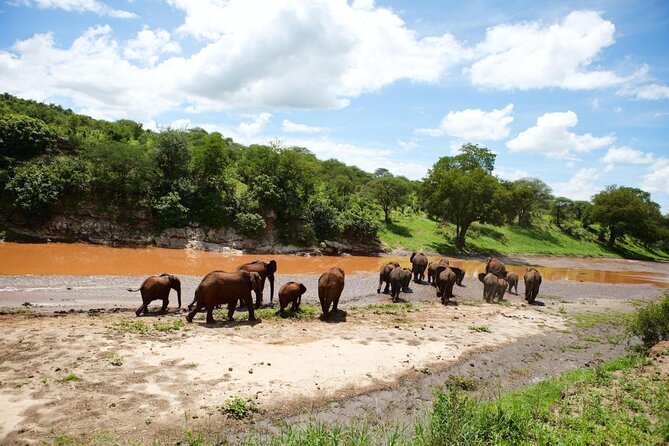
- Tarangire’s elephants and baobabs: a park known for huge elephant presence and dramatic baobab scenery
- Big crater payoff in one morning: you descend over 600 meters for serious wildlife viewing
- Lake Magadi on the crater floor: an alkaline, shallow lake adds a distinct landscape stop
- Camping close to Ngorongoro: less transit time means more time actually watching animals
- Private, limited-group feel: only your group participates, so the experience stays personal
- Park entry is covered: admission tickets are listed as free for the driving stops
Tarangire game drive with picnic lunch: elephants, baobabs, and migratory energy
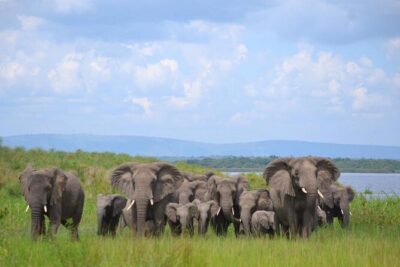
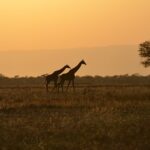
Tarangire is the kind of place that resets your safari expectations fast. The park is famous for its elephants and those sculptural baobab trees that look like they’ve been carved by time. If you’ve seen photos of Tanzania before, you’ve probably seen baobabs. Seeing them in real time, while elephants move through the landscape, is another story.
In this 2-day plan, Day 1 starts after breakfast, then you head to Tarangire for a game drive plus a picnic lunch inside the park. The schedule is about six hours, and that matters. In a short safari, that’s what keeps your day from feeling like a long commute with a quick wildlife stop. You’re actually doing wildlife viewing for a meaningful block of time.
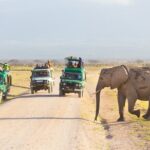
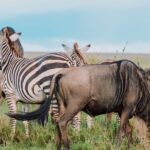
What I like about Tarangire in particular is how it can feel both casual and intense. You might be watching herds in open areas, then suddenly notice how quickly elephants can change the vibe of a whole scene. The park is also part of a big seasonal story. It’s described as the centre of an annual migratory cycle, with figures like up to 3,000 elephants, 25,000 wildebeest, and 30,000 zebras mentioned for that cycle. Even if you won’t see every number at once, the idea is clear: animals are built into Tarangire’s rhythm.
Possible drawback to plan for: Tarangire wildlife can be spread out, and in a time-boxed safari you’ll want to be mentally ready for that. This isn’t a “stand in one spot and wait” park. You’re on the move, and you’ll likely do more scanning than savoring.
You can also read our reviews of more tours and experiences in Arusha.


Ngorongoro crater descent: why one morning can feel like a wildlife highlight reel
If Tarangire brings the elephants-on-the-open-land energy, Ngorongoro brings the “concentrated wildlife in one dramatic bowl” feeling. Day 2 starts early with breakfast, then you go to the Ngorongoro Conservation Area and descend over 600 meters into the crater.
That descent isn’t just a scenic trick. It’s part of why Ngorongoro works so well for a short safari. The crater setting supports wildlife with a year-round supply of water and fodder, which helps animals stay active and visible across seasons. When you’re doing two days, that stability matters. It’s one of the reasons people come here when they don’t have weeks to wait for the perfect conditions.
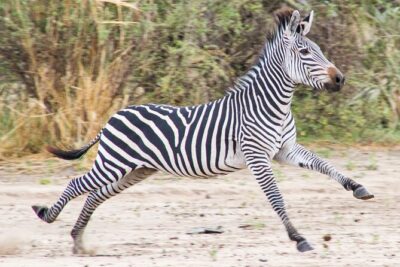
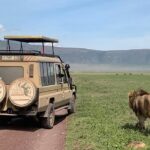
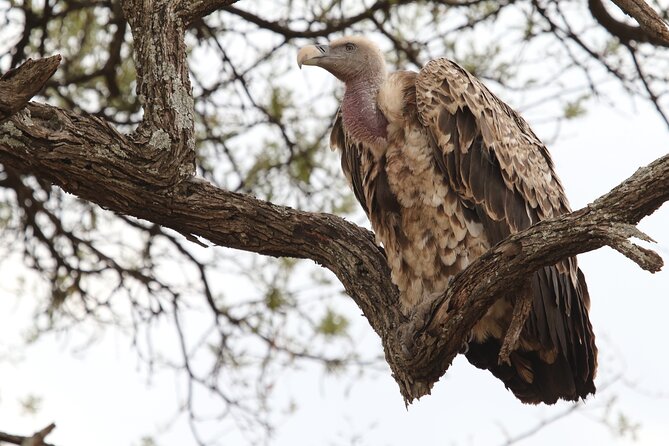
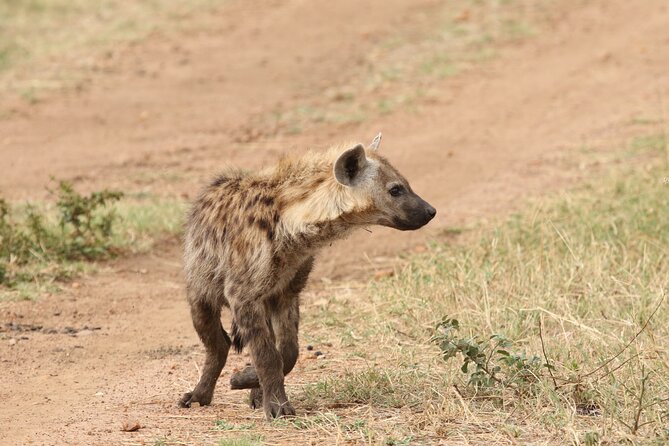
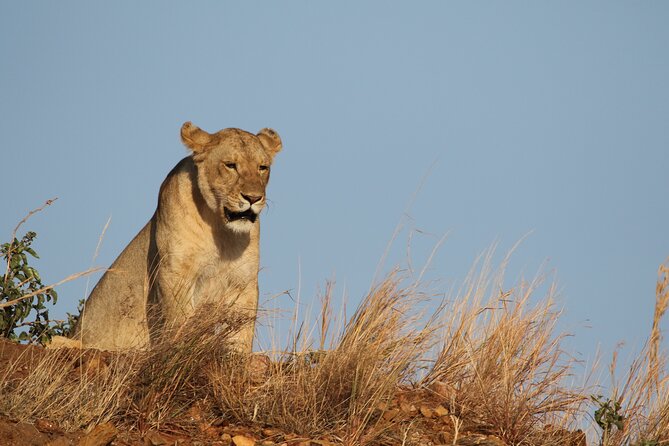
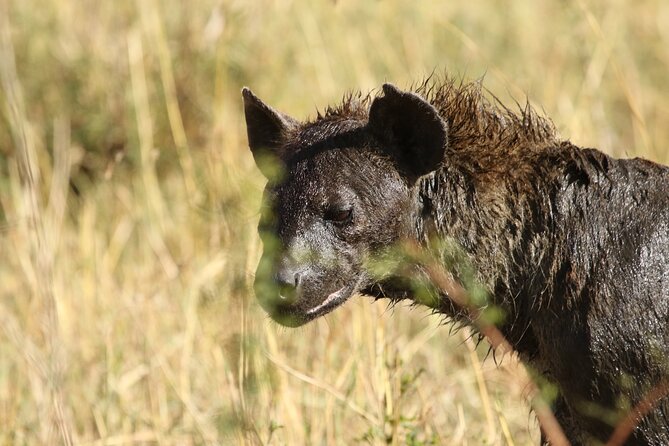
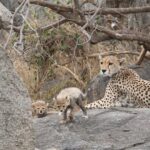
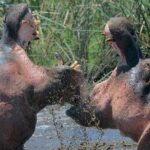
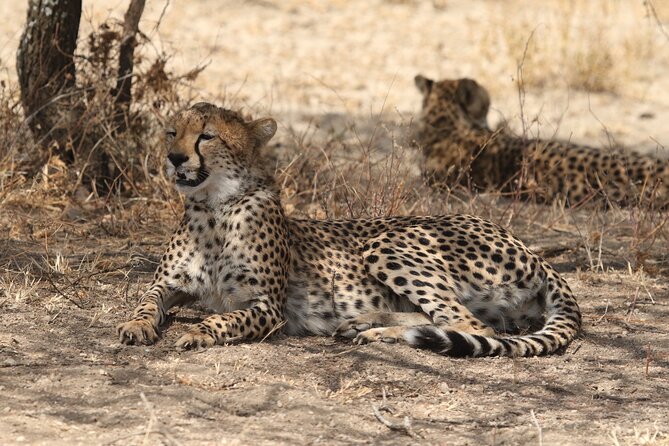
From the crater floor, the range of animals listed is impressive and practical. You can expect a mix that includes wildebeest, zebra, buffalo, eland, warthog, hippo, and even giant African elephants. Then there’s the predator layer, which is where Ngorongoro often delivers that “keep watching, it might happen” tension. The predators mentioned include lions, hyenas, jackals, cheetahs, and the leopard, which is described as something that sometimes requires a trained eye to spot.
The route also includes Lake Magadi, a large but shallow alkaline lake in the southwestern corner of the crater. It gives you a change of scenery without breaking the schedule. In practice, it’s a good way to stay alert and keep your eyes working, because the landscape itself shifts how animals appear and how light hits the ground.
Again, the time block is about six hours, which is a sweet spot for a compact safari day. It’s long enough for meaningful crater viewing but short enough that you’re not mentally cooked by the time you reach camp.
The real consideration here: the leopard is known as elusive. Even with a trained eye, spotting isn’t guaranteed. So keep your expectations flexible. If you go hunting for one specific animal, a short trip can feel frustrating. If you go ready to enjoy the full predator-and-prey ecosystem, you’re more likely to feel that wow factor no matter what you see.
Camping near Ngorongoro: saved transit time and a more grounded safari rhythm
This safari is described as a group camping trip, with accommodations close to Ngorongoro. That detail matters more than it sounds. When you’re doing only two days, every extra hour spent transferring from one area to another is an hour you could be on the game drive.
Staying near Ngorongoro also changes the rhythm of the trip. You’re not constantly thinking about packing, relocating, and resetting. You can focus on the actual safari moments: the crater viewing, the drive breaks, and the wrap-up evening routine.
The tour also includes meals and accommodations, which keeps the value strong and reduces the temptation to “DIY it” and then spend more than you planned. On safari days, hunger and logistics are distractions you don’t need. Having meals handled lets you stay present in the landscape and wildlife viewing windows.
I’ll add one practical note: camping safaris usually mean fewer comforts than hotel-based trips. The payoff is that you feel closer to the real safari cadence. If you’re the type of traveler who wants creature comforts at every step, you might prefer a lodge stay instead. But if you’re okay trading a bit of comfort for time with animals, this style fits well.
Price and value: how $550 makes sense for a tight two-day plan
At $550 per person, this isn’t a “budget from nowhere” safari. It’s priced as a guided, organized package with the essentials covered. Here’s where the value comes from, based on what’s included and what’s scheduled.
First, the trip is set up to cover two major conservation areas in about two days. That reduces the cost and stress of trying to stitch together separate bookings yourself, especially when you’re starting from Arusha.
Second, meals and accommodations are included. That’s not a small line item on safari days, because you’re not just paying for food. You’re paying to not have to figure out where you’ll eat and how you’ll get there between drives.
Third, park admission tickets are listed as free for the driving stops. That helps explain why the all-in number doesn’t spiral higher for a two-park schedule.
Finally, the experience is private in the sense that only your group participates. It’s also described as limited for personalized service. For me, that matters because safari vehicles and guides are where quality happens: you’ll want enough time for eyes-on-scope scanning and enough flexibility to react when animals appear.
So is $550 a deal? For a two-day, two-park safari package that includes camping and meals, yes, it’s a reasonable value—especially if you want the crater experience without adding extra days.
A quick “what you’ll do each day” guide
You’ll get a smooth, game-drive-heavy flow, and the timing is built around wildlife viewing.
Day 1: Tarangire
- After breakfast, you travel to Tarangire
- You go on a game drive with picnic lunch at the park
- Expect about six hours of safari time
- The main themes are elephants and baobab scenery, with Tarangire tied to a migratory cycle that can include large numbers of elephants, wildebeest, and zebra
Day 2: Ngorongoro crater + Lake Magadi
- Early breakfast, then into the Ngorongoro Conservation Area
- You descend over 600 meters into the crater for wildlife viewing
- You visit Lake Magadi in the crater’s southwestern corner
- The day runs about six hours, with a strong emphasis on both herbivores and predators
This is a classic “see a lot, move smart” safari layout. It’s not meant to be leisurely. It’s meant to be effective.

Wildlife expectations: how to get the most from a leopard-friendly, elephant-heavy schedule
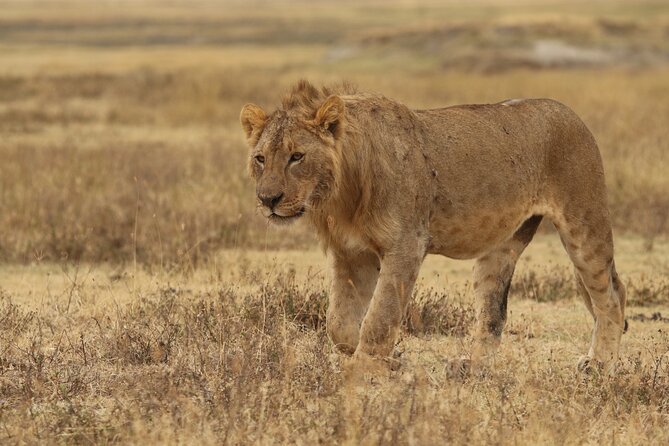
I love how two parks create two different “animal stories,” even in only 48 hours.
At Tarangire, the story is elephants under those iconic baobabs, plus the sense of big seasonal movement that the park is known for. When the herd dynamics shift, you’ll feel it quickly. It’s not a slow museum tour; it’s living wildlife territory.
At Ngorongoro, the story is density. The crater supports wildlife with steady resources, which means you’re more likely to see a range of animals on the day you go. You’ll also be in a setting where predator sightings can happen, even if they don’t happen on demand.
Here’s how I’d play it to protect your enjoyment:
- Scan wide first, then focus. In crater terrain and open plains, animals can appear in steps and layers.
- Stay patient with predators. Leopard is listed as elusive, and leopard sightings sometimes need a trained eye. If you miss it, don’t feel like you failed. You didn’t.
- Enjoy the full chain. Even if lions or cheetahs are the headline, the prey activity often makes the whole scene feel alive.
From the feedback that comes with this safari style, staff and responsiveness are a strong theme. The Suricata Safaris team is repeatedly called out as amazing and very responsive, and that kind of attention can matter when you’re trying to maximize sightings in a short window. There’s also mention of seeing multiple big cats and big game highlights in just two days, but remember that wildlife is wildlife. Treat that as a sign of what’s possible, not a promise.
Getting there from Arusha: the simple start and end points you’ll care about
This is a practical Arusha-based safari. You meet at Jevas Hotel EncoreTZ, Makao Mapya, Arusha 0255, Tanzania. The activity ends back at the same meeting point, so you don’t end up hunting down transport details after a long crater day.
You can also get pickup offered, and the highlight notes that you can choose between hotel or airport departure. If you’re building your Tanzania trip around flight times, that flexibility is gold. Less scrambling. More sleep.
The tour also uses a mobile ticket, which is a small thing until you’re already tired and just want to get moving.
Who should book this 2-day Tarangire and Ngorongoro camping safari?
This safari fits best if you want:
- Two major destinations in a short time window
- A group format with limited participation and a more personal touch
- A trip that includes meals and camping, so you don’t manage daily logistics
- The crater experience without adding extra days of transit
It’s also a good choice if you’re the kind of traveler who doesn’t need maximum comfort to have a great safari. Camping brings you closer to the rhythm of the land.
If you’re chasing a super-relaxed pace, or if you dislike early mornings and extended drive time, consider whether two days is enough to feel spacious. But if your idea of a perfect short trip is “see it all, go home happy,” this format is built for that.
Should you book it?
I’d book this 2-day Tarangire and Ngorongoro camping safari if you’re trying to do Tanzania without blowing your schedule. The pairing is smart: Tarangire for elephants and baobabs, Ngorongoro for crater viewing and predator odds. Add in included meals and accommodations, park entry listed as free, and a private group feel, and the overall value holds up.
I’d think twice if you’re uncomfortable with a fast pace. You’ll be doing a lot in a short time. For some people that’s the point. For others it’s too much. If you can handle that intensity and you’re excited by the chance to see a wide mix of animals in two very different landscapes, this is a strong pick.
FAQ
Where does the safari start and end?
The safari starts at Jevas Hotel EncoreTZ, Makao Mapya, Arusha 0255, Tanzania and ends back at the same meeting point.
How long is the safari?
It’s listed as 2 days (approx.).
What parks are included?
You’ll visit Tarangire National Park and the Ngorongoro Conservation Area.
Is pickup available?
Yes, pickup is offered.
Is the safari private?
It’s described as private, meaning only your group participates.
What’s included for meals and lodging?
The trip includes meals and accommodations, with camping mentioned in the safari style.
Is the park admission included?
Admission tickets are listed as free for the stops.
What animals and landscapes should I expect?
Tarangire is known for elephants and baobab trees. Ngorongoro includes a wide range of animals such as wildebeest, zebra, buffalo, eland, warthog, hippo, and elephants, plus predators like lions, hyenas, jackals, cheetahs, and leopard; you also visit Lake Magadi.
Can I choose hotel or airport departure?
Yes, you can choose between hotel or airport departure.
What is the cancellation rule?
You can cancel for a full refund if you cancel at least 24 hours in advance of the experience’s start time.