REVIEW · ARUSHA
Big Five Classic Safari in Tanzania **Sustainable Travel approach
Book on Viator →Operated by World Adventure Tours · Bookable on Viator
Big Five in seven days, with zero guesswork. This Northern Circuit safari takes you through Tanzania’s top game parks in open-roof 4×4 vehicles, built for real-time spotting, not just scenic suffering. I like that it’s run as a small-group seat-in-vehicle safari so you stay focused on animals and not on crowd management.
Two things I’d happily plan around: the chance to see black rhino at Ngorongoro Crater and the way Tarangire and Lake Manyara deliver dense wildlife and birds in different ecosystems. One catch: the days can run long, with full game drive time and transfers that expect moderate energy.
In This Review
- Quick hits: what makes this Big Five safari tick
- Big Five classics, built on smart routing
- Price and value: what $1,785 includes (and why that matters)
- Open-roof 4x4s and the small-group advantage
- Day 1: arriving at Kilimanjaro and getting settled in Moshi
- Day 2: Tarangire National Park for baobabs, birds, and a river that matters
- Days 3 and 4: Serengeti’s endless plains and predator drama
- Day 5: Ngorongoro Crater for black rhino and the world’s famous bowl
- Day 6: Lake Manyara’s Rift Valley mix and tree-climbing lions
- Day 7: a calm morning, then flying out of Kilimanjaro
- What “sustainable travel approach” might mean here
- Who this safari fits best (and who should rethink)
- Should you book this Big Five Classic Safari in Tanzania?
- FAQ
- How long is the Big Five Classic Safari in Tanzania?
- How much does the safari cost?
- What does the price include?
- What is not included in the tour price?
- Do you get airport pickup and transfers?
- What group size will you travel with?
- What fitness level do you need?
Quick hits: what makes this Big Five safari tick
- Open-roof 4x4s for better sightlines when animals pop out suddenly
- Small group in each vehicle (up to 6) with window seats, so everyone’s in the action
- Northern Circuit focus: Tarangire, Serengeti, Ngorongoro Crater, Lake Manyara in one week
- Rhino route through Ngorongoro’s open grassland, a key place to look
- Big wildlife variety across Rift Valley and river-driven ecosystems
- All-in basics like park fees, meals, accommodation, and bottled water in the vehicle
Big Five classics, built on smart routing
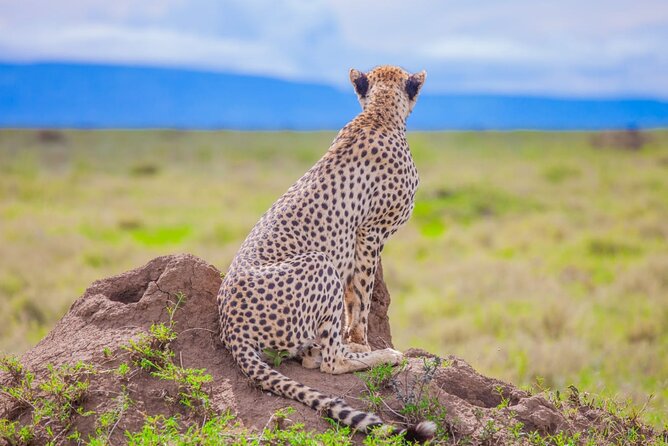
This safari targets the Big Five through classic park choices rather than trying to cram in every stop under the sun. In a week, that matters. You’re not jumping between random places with long gaps and little time on the ground.
You’ll work through a sequence that’s designed around different wildlife “settings.” Tarangire is about concentrated animals and birds near a reliable water source. Serengeti is about mass movement across the plains and predator action near rocky outcrops. Ngorongoro is all about descending into a natural bowl where you can scan for large mammals at close range. Lake Manyara adds Rift Valley variety and a different kind of predator lookout.
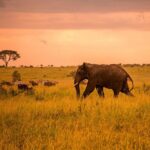
The payoff is simple: you’re in the right areas for lion, elephant, leopard, Cape buffalo, and black rhino—not just “hoping the universe feels generous.”
You can also read our reviews of more tours and experiences in Arusha.
Price and value: what $1,785 includes (and why that matters)
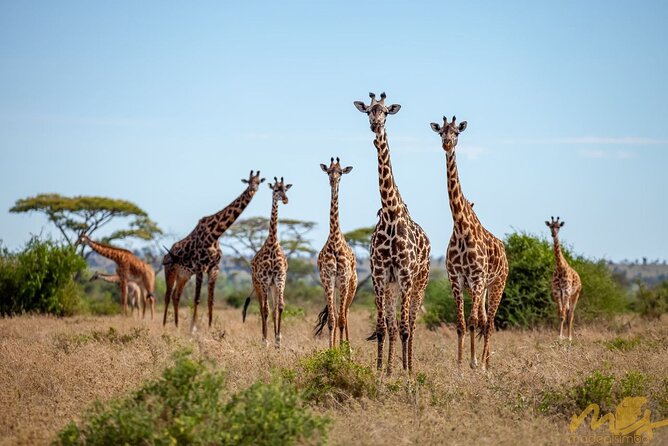
At $1,785 per person, the value depends on what’s covered for you. Here, you’re not just buying seats in a van.
This package includes:
- All fees and taxes
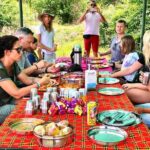
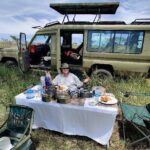
- All meals (7 breakfasts, 5 lunches, 5 dinners)
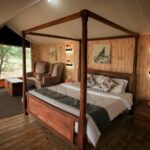
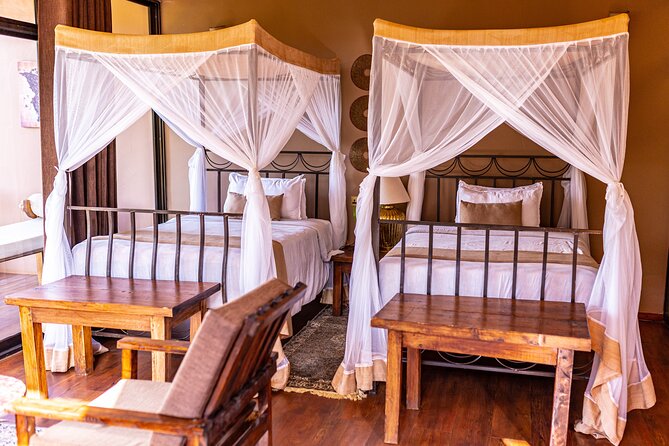
- Accommodation for the nights during the safari
- Park entry fees
- A professional English-speaking driver/guide
- Bottled water in the safari vehicles
- Transfers to and from the airport
So you’re budgeting for one big, predictable total rather than adding park costs, meals, and vehicle logistics later. That’s especially helpful on safari, where the “extras” can quietly multiply.
What’s not included is also important:
- International flights
- Tanzania entry visa
- Travel and health insurance
- Balloon excursion
- Gratuities
- The Maasai village tour and Olduvai Gorge tour (these are listed as not included)
If you want a straightforward plan where you can focus on animals and photos, this pricing structure is a solid fit. If you’re aiming to keep costs ultra-low by skipping lodging and meals, then you’d need a different style of trip.
Open-roof 4x4s and the small-group advantage
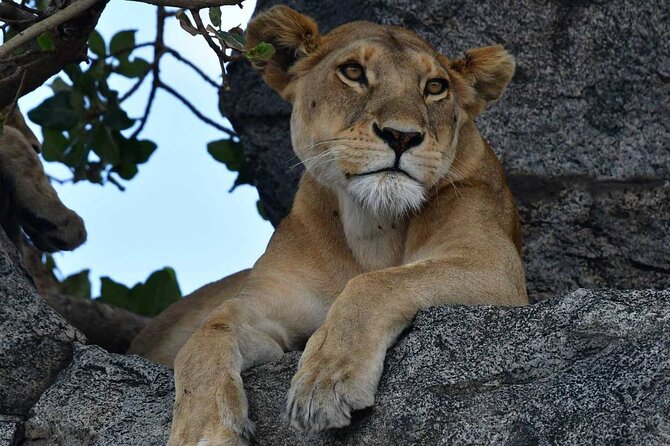
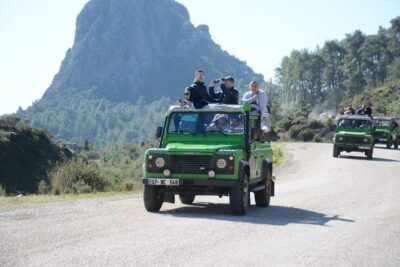
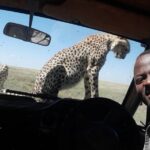
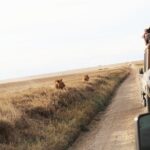
Safari vehicles aren’t all equal. Here, you’re in custom-designed 4×4 safari vehicles with open roofs for game viewing. That makes a real difference when you’re trying to see over grass or spot movement on a distant plain.
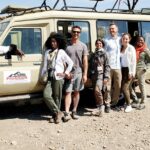
You also get a maximum of 6 travellers per vehicle, and everyone has a window seat. In practice, that means fewer bodies between you and your view, and less time negotiating who can lean, shoot, or point. It also tends to keep drives smoother because the group dynamic is manageable.
The vehicle setup also helps you stay present. When you’re not spending your energy on crowded logistics, you can actually scan. You’ll notice small details: animals moving between trees, birds taking off, or predators stalking along the edges.
And yes, there’s bottled water in the vehicles. It sounds minor until you’re out for hours and you don’t want to lose time to searching.
Day 1: arriving at Kilimanjaro and getting settled in Moshi
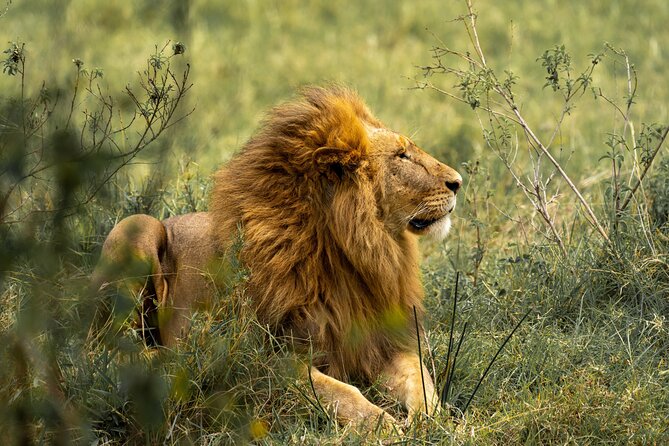
Your trip starts with arrival at Kilimanjaro International Airport. After customs, you’ll meet your driver holding a sign with your name. Then it’s transfer time to Moshi.
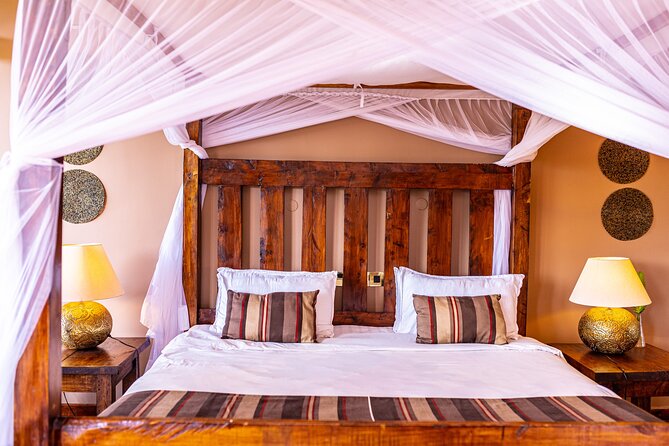
Overnight is at Springlands Hotel (or similar) with breakfast included. This is a practical start. It gives you a base for the safari leg without forcing you to sleep in an airport zone or rush straight into the first park tired.
If you’re landing with a late schedule, I’d still aim to keep the first evening low-key so you’re awake and ready for day two. Safari days work best when you can concentrate during the morning drive.
Day 2: Tarangire National Park for baobabs, birds, and a river that matters
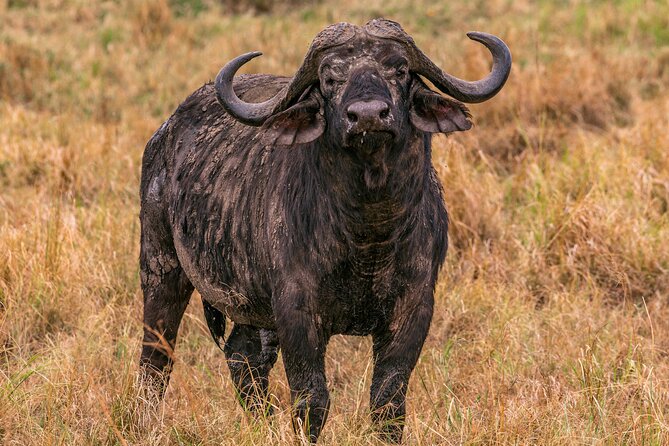
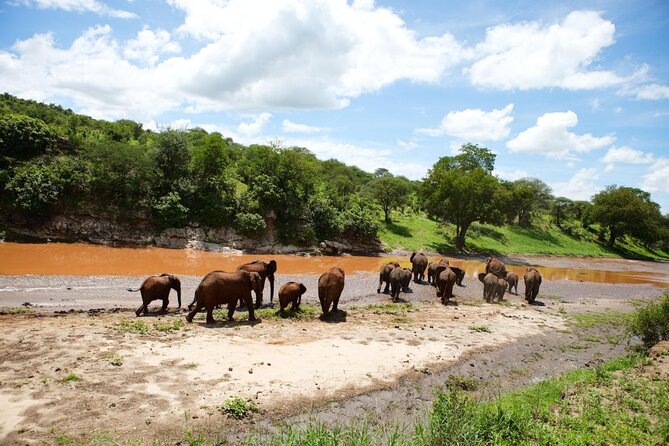
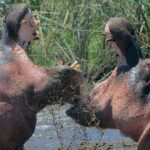
On day two you head to Tarangire National Park. Tarangire is special because the Tarangire River never dries up, especially important during the dry season. That makes the park a magnet for wildlife and bird life—because water concentrates the food chain.
What you’ll experience here isn’t one “type” of scenery. You’ll see savannah plains, swamps, hills, and spectacular baobabs. That variety matters for viewing because animals don’t all use the same micro-habitats. In one game drive, you can shift from open-sight plains to areas where visibility changes as you approach denser pockets.
For photographers, Tarangire can be a fun day because light and subject options vary. For wildlife fans, it’s the “busy ecosystem” day—where you can often get multiple sightings without the long, empty stretches you fear on safari.
Days 3 and 4: Serengeti’s endless plains and predator drama
Serengeti is where the trip turns from impressive to classic. Even the name has meaning: Serengeti is linked to the Maasai word for endless plain.
You’ll also get optional context time along the way. There’s the chance to visit a Maasai village en route, and Olduvai Gorge is possible too (listed as not included). If those aren’t your focus, you can just treat the ride as a chance to settle in before deeper game drive time.
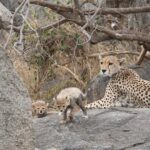
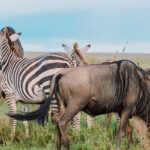
Then it’s full-on Serengeti. The park covers different regions—from open grass in the south to savanna with acacia trees in the center, and wooded grassland to the north. You also get kopjes, the rocky outcrops that often attract predators and prey watching.
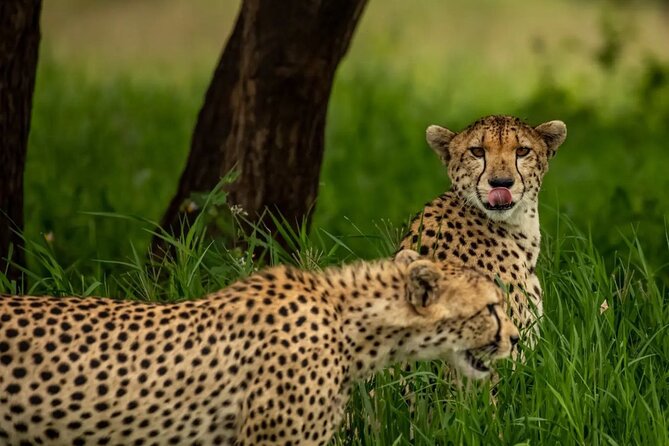
This is the place where you’re looking for the whole food chain to show up together: plains game like wildebeest, zebra, and antelope, with predators such as lion and cheetah moving through the scene.
One practical thing: Serengeti runs best when you’re okay with waiting. Some sightings are instant. Others take patience. If you’re the kind of person who enjoys scanning and finding the moment instead of rushing to the next spot, you’ll love this section.
Day 5: Ngorongoro Crater for black rhino and the world’s famous bowl
Ngorongoro is the day that feels like you stepped into a different kind of safari. You descend into the crater, described here as 600m deep and about 16km across. It’s a naturally enclosed setting, and that geometry often makes animals more noticeable.
This is also where the trip’s black rhino focus comes into play. The crater floor includes open grassland where many of Tanzania’s remaining black rhinos graze. You’ll also find other animals in large numbers, along with predators like lion and cheetah.
If the Big Five list is your goal, this is the day you plan your attention around. Rhino sightings aren’t guaranteed anywhere on Earth—but the itinerary is clearly built to put you in the right spot for a serious chance.
You can also look for flamingos at Makat Soda Lake, which can appear during the day depending on conditions. Then you drive to your lodge for overnight after the afternoon drive.
Day 6: Lake Manyara’s Rift Valley mix and tree-climbing lions
Day six takes you to Lake Manyara National Park, framed by the Rift Valley escarpment. Manyara is a mix of ecosystems: evergreen groundwater forest, acacia woodland, grassy plains, and a swampy fan delta, plus the lake itself.
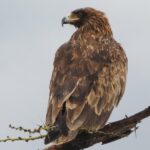
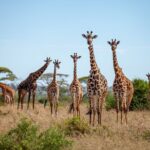
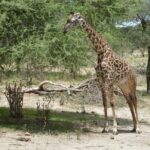
This variety is why you get different species in the same general timeframe. You’ll commonly see buffalo, impala, giraffe, bushbuck, waterbuck, hippos, and elephants near the lake areas. There are also monkeys like blue monkeys and velvet monkeys, plus active olive baboons.
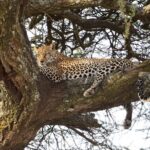
The famous special feature here is tree-climbing lions. Not every drive produces one of these sightings, but the park is known for that behavior, and your game drive time is shaped accordingly.
If you’re the type who enjoys “same day, different habitat” experiences, Lake Manyara is a great closer. It balances the dense large-mammal focus of the earlier parks with a different kind of animal watching.
Day 7: a calm morning, then flying out of Kilimanjaro
After a final morning at the Kilimanjaro region, you transfer to Kilimanjaro airport for your flight home. The key idea here is pace. You’re not squeezed into another full day of driving, which helps you avoid the classic safari crash where you end up traveling exhausted.
If you’re flying soon after, pack for comfort on the plane. Safari days reward good sleep, and you’ll feel it on departure day.
What “sustainable travel approach” might mean here
The tour is labeled with a Sustainable Travel approach, but the specific practices aren’t detailed in the information provided. So here’s what I’d do before booking any safari with that label: ask the operator what makes it sustainable for this specific itinerary.
Good questions:
- Is the company using lower-impact vehicle practices or optimized routes?
- Do they support local guides and communities through structured spending?
- Is there any formal waste or water conservation policy on safari days?
Even without those details, the trip’s structure helps in one practical way: you’re not wasting days with inefficient transfers between far-flung stops. Less wasted driving usually means less cost, less time lost, and a smoother experience.
Who this safari fits best (and who should rethink)
This works best if you:
- Want Big Five credibility without adding extra days
- Prefer small-group vehicle viewing and clear logistics
- Enjoy full game drive days and can handle long days on safari roads
It also says you should have moderate physical fitness. That likely means you’re fine with getting in and out of vehicles and spending long hours seated and scanning. If you have mobility limits, you’ll want to ask the provider how vehicle access works in practice.
If you dislike long drives between parks or want a more flexible pace with extra sightseeing time beyond game drives, you might find the week intense. This is safari-focused, not a buffet of optional stops.
Should you book this Big Five Classic Safari in Tanzania?
I’d book it if you want a classic Northern Circuit week that’s organized around the Big Five, with meals, lodging, park fees, and guiding handled for you. The vehicle style and small group size are strong signals that viewing time stays high-quality.
I’d think twice only if:
- You’re not ready for long days of driving and game drive schedules
- You’re counting on extra add-ons like Maasai village or Olduvai Gorge, since they’re not included
- You need a fully refundable plan, because this experience is listed as non-refundable and not changeable
If you’re okay with that structure, this safari looks like a smart value: you pay once, you get the essentials covered, and you’re placed in the key parks that give the Big Five a real chance.
FAQ
How long is the Big Five Classic Safari in Tanzania?
It’s listed as 7 days (approx.).
How much does the safari cost?
The price is $1,785.00 per person.
What does the price include?
It includes all fees and taxes, all meals (7 breakfasts, 5 lunches, 5 dinners), accommodation, park entry fees, a professional English-speaking driver/guide, bottled water in safari vehicles, and transfers to and from the airport.
What is not included in the tour price?
Not included are international flights, Tanzania entry visa, travel and health insurance, a balloon excursion, gratuities, and the Maasai village tour plus the Olduvai Gorge tour.
Do you get airport pickup and transfers?
Yes. Transfers to and from the airport are included, and pickup is offered.
What group size will you travel with?
The safari has a maximum of 15 travelers, and it’s run in custom designed 4×4 safari vehicles with a maximum of 6 travellers per vehicle, each with a window seat.
What fitness level do you need?
The tour notes you should have a moderate physical fitness level.