REVIEW · ARUSHA
5days Tanzania Safari lodge and camping Serengeti, Tarangire & Ngorongoro Crater
Book on Viator →Operated by Dancing Simba Safaris · Bookable on Viator
Craters, elephants, and tree lions in five days. This small-group northern circuit packs in Tarangire, Lake Manyara, the Serengeti, and the Ngorongoro Crater with game drives every day, plus camping nights that keep the trip feeling real and grounded.
I like that the schedule is tight but not rushed, so you get real time on animals instead of only quick stops.
My favorite part is the value on the ground: all meals are included along with drinking water and park fees. You’re also riding in a safari jeep with a top roof, which helps when you’re trying to spot motion across the plains or frame a shot without everyone crouching.
One consideration: camping and early mornings come with the territory. The crater morning includes a steep, narrow path down and then up again, so it’s not the trip to choose if you want an easy pace.
In This Review
- Key highlights worth clocking before you book
- How this 5-day northern circuit fits together (and why it works)
- Tarangire National Park: elephants, baobabs, and acacia cover on Day 1
- Lake Manyara: baboons, alkaline lake vibes, and the tree-lion hunt
- Serengeti National Park: why the Seronera area is such a smart base
- Ngorongoro Crater: 600 meters of drama and sleeping on the edge (Day 4)
- Crater morning descent: steep path, fast sightings, and the picnic in the bowl (Day 5)
- What the daily game drives and small group really mean for your experience
- Food, camping style, and what to expect day to day
- Price and what you’re really paying for at $1,254
- Packing tips for a camping safari in Tarangire, Serengeti, and Ngorongoro
- Who should book this safari, and who might want a different style
- Should you book this 5-day Tanzania safari?
- FAQ
- What parks and areas are included on this 5-day safari?
- How many people are in the group?
- What’s included in the tour price?
- Are flights included?
- Is tipping included?
- What is the cancellation policy?
Key highlights worth clocking before you book
- Max 6 travelers: small-group feel with more flexibility to stop for sightings.
- Daily game drives: you’re on safari every day, not just a couple of quick sessions.
- Camping included: you’ll sleep on-site in places like the crater edge area.
- Serengeti Seronera base: a strong wildlife zone tied to the Seronera River.
- Lake Manyara tree-lion search: one of the few places you can realistically hunt for lions in trees.
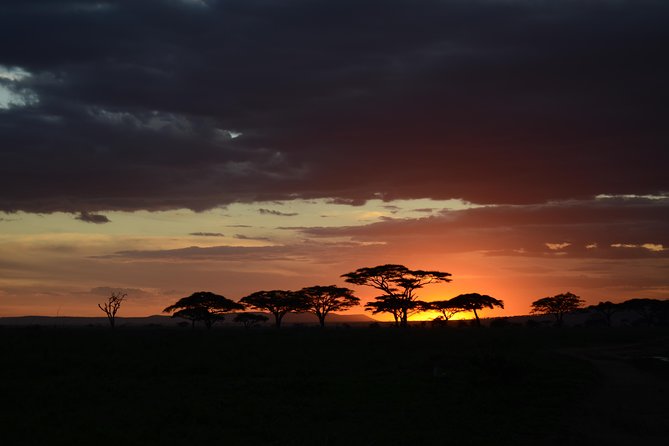
- Ngorongoro views from the edge: 600 meters down makes sunsets feel seriously cinematic.
How this 5-day northern circuit fits together (and why it works)
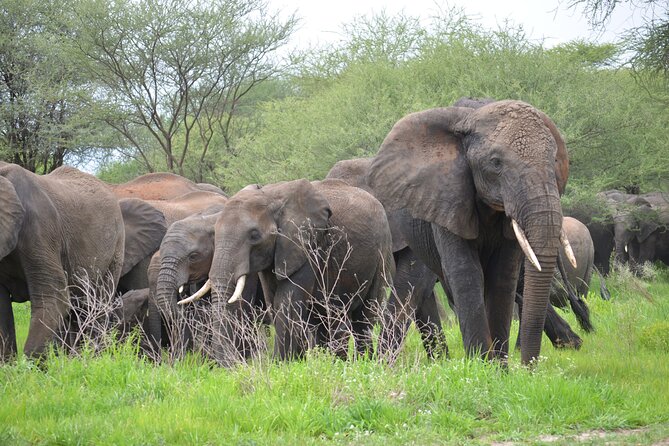
This tour runs out of Arusha and moves in a clean loop through northern Tanzania’s best-known wildlife zones. In five days you’ll cover three main safari areas (Tarangire, Serengeti, Ngorongoro) plus a stop at Lake Manyara, with a drive between each.
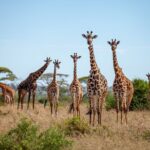
The big reason this format works is simple: the parks are famous for different reasons. Tarangire leans elephant and baobab country. Lake Manyara is smaller and more specific, with baboons and a chance at tree-sleeping lions. Serengeti is the classic open-plains game-viewing engine. Ngorongoro is a natural amphitheater that compresses wildlife into a dramatic bowl.
For your expectations, think of it as a nonstop safari course: you’re not just traveling between attractions. You’re consistently in the right regions, during the right time of day, trying to find animals while your guide reads the terrain and behavior.
You can also read our reviews of more tours and experiences in Arusha.
Tarangire National Park: elephants, baobabs, and acacia cover on Day 1
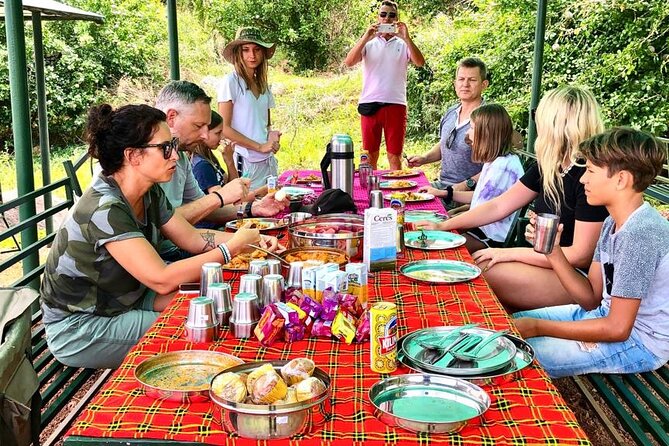
Your first morning starts with a pickup from your Arusha hotel at 8:00 am. Then you drive to Tarangire National Park for game viewing.
Tarangire sits along the line of the Tarangire River, and the park’s ecology is built around that water and its surrounding swamps and hills. On the ground you’ll see acacia woodland, plus the iconic giant African baobab trees. In the dry season, the river and swamp areas act like a magnet for wildlife, which is why this park is so strong for big concentrations of animals.
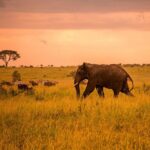
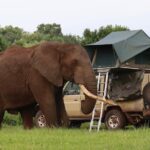
Tarangire is also known for large elephant herds, and it has a few rarer species you might hope to spot, including the greater kudu and the fringed-eared oryx, along with some ashy starlings. You probably won’t see every listed species, but the payoff here is that the habitat is structured to funnel animals into view.
Even if your first drive is your “warm-up,” it matters. A solid Day 1 sets the tone: you learn how your guide scouts, you get used to the rhythm of the jeep, and you start noticing what animals are doing—not just where they are.
Camping night: you’ll finish Day 1 at Fig Lodge Campsite for dinner and overnight.
Lake Manyara: baboons, alkaline lake vibes, and the tree-lion hunt
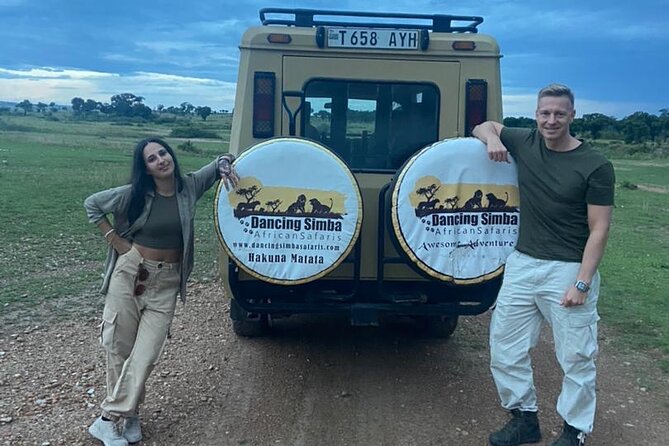
The next morning you keep moving, with a drive of about 15 minutes to Lake Manyara. This stop is short on paper but it’s the kind of place you remember because it feels busy.
Lake Manyara’s setting includes diverse vegetation and an alkaline lake, plus plenty of monkey action. You’ll likely see baboons and other monkeys hanging around in the forest areas, which makes the whole game-viewing scene feel less distant and more immediate.
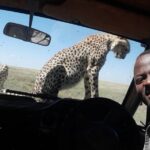
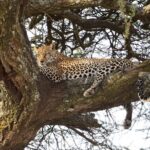
Then there’s the famous twist: you’ll spend the day on a game drive in the park searching for rare-sighted lions that may be sleeping in trees. That “tree lion” possibility shapes the whole approach. You’re not just scanning grasslines. You’re also looking up, watching for lion movement or the signs that a cat has taken refuge overhead.
This day is also where your guide’s pattern matters. Instead of treating it like a checklist, your best odds come from patience and location choice: moving when the light changes, when animals shift, and when other wildlife indicates something larger is nearby.
Lunch and return: lunch is included, and you return to your accommodation after the drive.
Camping/lodge night: you’ll stay again at Fig Tree Lodge & Campsite with breakfast and dinner included on this day.
Serengeti National Park: why the Seronera area is such a smart base
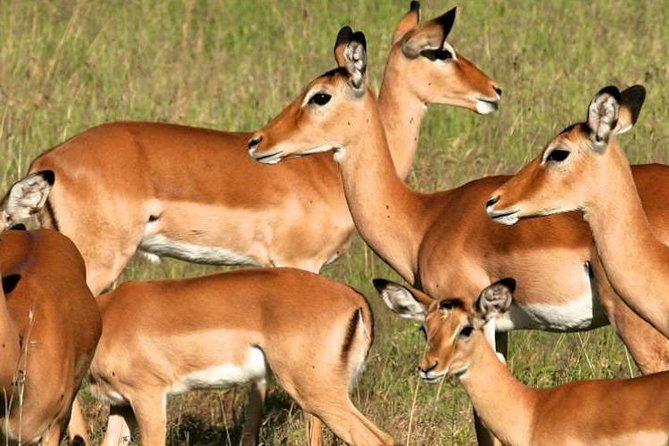
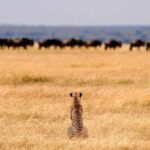
On Day 3, you head toward the Serengeti National Park, traveling through the Karatu farmland and the Ngorongoro Conservation Area. Leaving the highlands behind, you descend into the Serengeti—wide open plains that stretch far enough to make your eyes work harder, because distance is part of how you see animals here.
You arrive in the central park area, specifically the Seronera area, which is described as one of the richest wildlife habitats in the park. The reason is practical: the Seronera River provides a dependable water source, and water is the magnet. When water pulls wildlife into one region, your search becomes easier.
You’ll have lunch after arrival, then an afternoon game drive. That timing is good because you get two things in a single day: a chance to see animals active after the morning heat, and time to start learning the local rhythms before the full push on Day 4.
In real safari terms, Serengeti is about patterns—where herds move, where predators patrol, and how often you see different species at once. A strong base area helps because it keeps you closer to action instead of driving all day to chase a rumor.
Overnight: dinner and overnight are in the Seronera area, with accommodation type matching what you requested.
Ngorongoro Crater: 600 meters of drama and sleeping on the edge (Day 4)
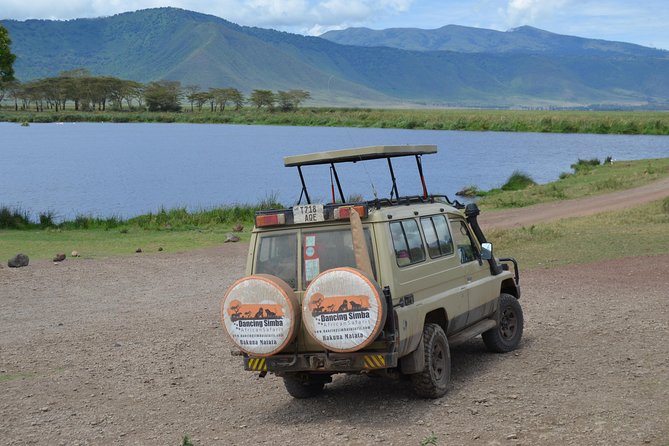
Day 4 starts early with another game drive in the Serengeti, then you continue to Ngorongoro Crater. When you arrive, the view hits fast: a 600-meter-deep unbroken caldera opens up, and you get a moment where your brain just pauses.
The tour includes a camp setup that gives you a rare experience: your campsite is positioned directly on the crater’s edge. That’s a big deal because it changes how the crater feels. You’re not only visiting for a drive-by. You’re there long enough to watch the light shift as the day winds down.
Sunset over the crater is one of those moments where the scenery becomes more than scenery. The crater floor holds wildlife, and as evening approaches, you often see animals become more active or visible in changing light. Being on the edge also means you’re closer to quick adjustments—if your guide thinks conditions favor one side of the crater, you can be set up to respond.
Overnight: dinner and overnight at Simba-A campsite.
Crater morning descent: steep path, fast sightings, and the picnic in the bowl (Day 5)
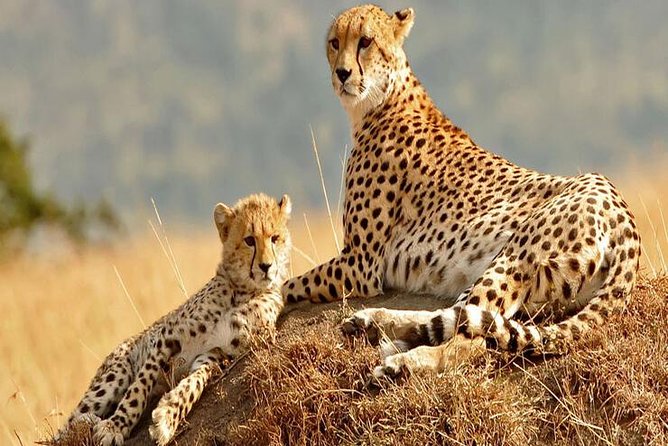
Day 5 begins with the part people remember most: you head down into the crater on a steep and narrow path. The crater floor is described as mostly open grassland, with occasional acacia trees plus two small wooded areas.
That vegetation mix matters for sighting style. Open grassland tends to make animals easier to spot across distances, while acacia and small wooded patches create short cover zones where predators and prey may hold close. In a short period, your guide will work to put you where sightings are most likely.
Ngorongoro is also framed as a Big Five possibility. The tour notes that you might be able to tick off the Big Five—lion, elephant, buffalo, rhino, and leopard. You should treat this as an odds statement, not a guarantee. But the crater’s layout does make it one of the places where multiple species can appear during one visit.
You’ll spend the entire morning exploring inside the crater, then enjoy a picnic lunch. After that, you return to Arusha, arriving by early evening.
What the daily game drives and small group really mean for your experience
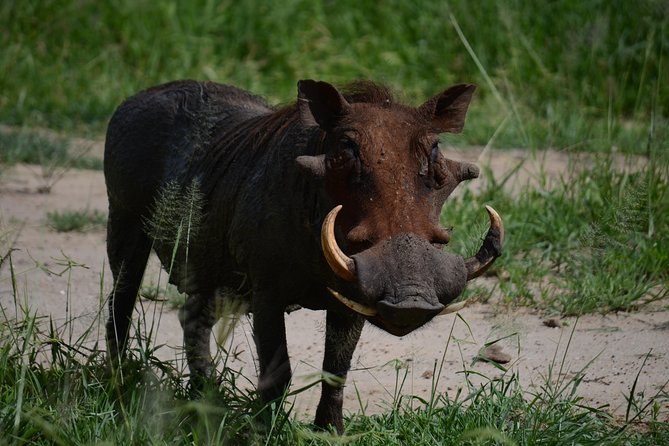
On a safari, logistics can quietly shape your outcomes. This is a small-group tour with a maximum of 6 travelers, which usually means your guide can run the day with a little more breathing room. Fewer people also helps with timing—when the right animal is moving, it’s easier to adjust without a large crowd slowing every decision.
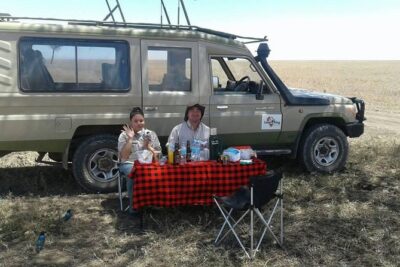
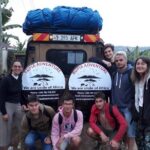
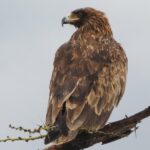
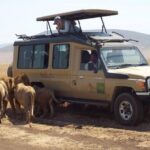
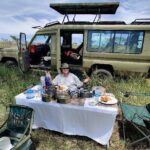
You’re in a safari jeep with a top-up roof, which is practical. When you’re scanning for movement at odd angles—lions on rises, birds on branches, or animals partly hidden behind vegetation—having the roof structure available helps you see and capture quickly without everyone changing positions at once.
The biggest difference you’ll notice is how your guide can work with your questions in real time. Names that have shown up in this operator’s orbit include guides like Grayson, Proches, Michael, and Jackson, plus team members such as Lucy for planning support and Owen and Yaya for careful on-the-ground attention. Chef Dennis has also been credited for strong safari meals. You can use those names as a cue for the kind of service to expect: responsive, human, and focused on making the day work.
Food, camping style, and what to expect day to day
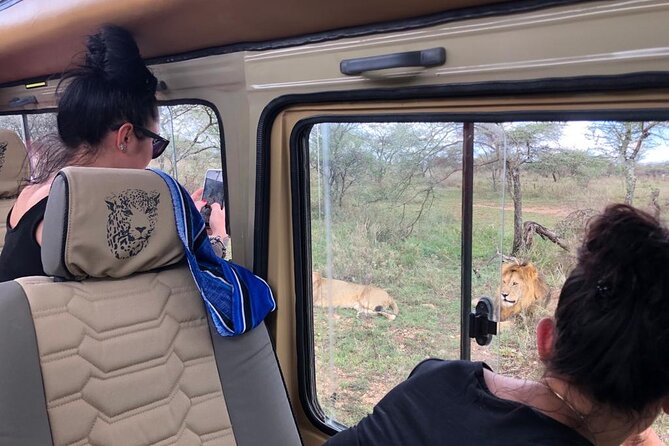
This trip is structured around meals and drinking water on safari, and it includes park-related costs. That matters because you’re not juggling extra expense or hunting for food in remote areas.
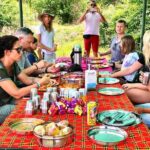
The included meal pattern is listed as 5 breakfasts, 5 lunches, and 4 dinners. In practical terms, you should plan for long safari days where your meals are scheduled so you can keep your energy stable instead of arriving at lunch hungry and cranky.
Camping nights add flavor. You’ll stay at Fig Lodge Campsite and Fig Tree Lodge & Campsite, then at Simba-A campsite by the crater edge. Camping also means you might hear wildlife nearby. One common theme from past safari moments with this type of setup is the feeling of being close to the ecosystem rather than isolated behind walls. If that sounds good to you, you’ll likely enjoy this style.
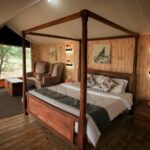
If you expect hotel-level comfort, adjust your mindset. Camping doesn’t mean discomfort has to ruin your day, but you should come ready for basics: cooler sleep, outdoor sounds, and the reality that you’re in the wild on purpose.
Price and what you’re really paying for at $1,254
At $1,254 for roughly 5 days, this is a budget-leaning safari price for a route that includes four major elements that typically cost real money on safari: park fees, guiding, meals, and camping accommodations.
You’re also getting airport transfer included, plus a safari vehicle (jeep with top-up roof). When those are rolled into the price, your on-the-ground decisions get simpler. You’re not constantly deciding between convenience and cost.
What’s not included is equally important. Flights are not included, and tipping and personal items are not included. Plan your total budget around that, and you’ll avoid the common surprise: the safari price looks good until you add what you still need for travel logistics.
Also note: the tour uses group discounts and includes mobile ticket handling. That doesn’t change the game-viewing itself, but it can make the booking experience smoother.
Packing tips for a camping safari in Tarangire, Serengeti, and Ngorongoro
The tour data doesn’t list gear requirements, but the itinerary does point to what you should prepare for: long days in open country, camping nights, and a steep crater descent on Day 5.
My practical packing checklist for this route:
- Light layers for daytime heat, warmer layer for cooler mornings and crater air.
- Sturdy footwear for dust and the narrow path down into the crater.
- Sun protection: hat and sunscreen. You’ll be out for long drives.
- A small daypack for water, layers, and a camera setup.
- If you’re sensitive to motion on roads, consider motion-sickness basics since the circuit includes multiple drives.
If you want the “camping experience” part to feel good, bring things that make you comfortable during downtime. That might mean a warm layer for night, and simple items for washing and hand care when you’re away from constant facilities.
Who should book this safari, and who might want a different style
This is a great fit if you:
- Want the big-name northern highlights in a short time window.
- Love game drives every day and want to maximize chances of sightings.
- Are happy with camping as part of the experience, not a compromise.
- Prefer a small-group setup (up to 6 travelers) over a larger bus-style tour.
It may not be the best choice if you:
- Need very high comfort standards every night.
- Have mobility limitations, since Day 5 includes a steep, narrow descent and return.
Should you book this 5-day Tanzania safari?
If you’re aiming for a classic northern Tanzania safari with an efficient route, daily drives, and the kind of included value that saves you from extra planning headaches, I’d say this tour is an easy yes—especially if camping sounds fun rather than stressful.
The experience hinges on two things: you’ll be willing to do early starts and crater-day effort, and you’ll enjoy being close to the wild instead of only watching from a lodge deck. If that matches your travel style, you’re set up for the kind of trip where the scenery isn’t the headline. The animals are.
FAQ
What parks and areas are included on this 5-day safari?
You’ll visit Tarangire National Park, Lake Manyara, Serengeti National Park (including the Seronera area), and Ngorongoro Crater. The tour is based in Arusha, Tanzania and returns to the meeting point.
How many people are in the group?
This tour has a maximum group size of 6 travelers, so it stays small.
What’s included in the tour price?
The price includes a safari jeep with a top-up roof, a professional safari guide, airport transfer, meals (breakfasts, lunches, and four dinners), drinking water on safari, park fees, and camping accommodations.
Are flights included?
No. Flights are not included in the tour price.
Is tipping included?
No. Tipping is not included.
What is the cancellation policy?
You can cancel for a full refund up to 24 hours before the experience’s start time. The tour can also be canceled due to poor weather, in which case you’ll be offered a different date or a full refund.