REVIEW · ARUSHA
5 Days Safari in Tanzania | Camping and Lodge Safaris
Book on Viator →Operated by Travel wise Safari · Bookable on Viator
Elephants first, then endless plains. This 5-day northern Tanzania safari is built around Tarangire, the Serengeti, and the Ngorongoro Crater, with Lake Manyara part of the mix for baboons and flamingos. You’re getting a tight route that focuses on animals and smart timing, not hours of guesswork.
What I like most: you start with Tarangire National Park for big herd energy and baobab landscapes, then you move into multiple full days of Serengeti game driving. Another win is the human side—guides and drivers get named in past bookings (Amani, Sam, Frankie, Meshack, Hope, Isaac, and David show up across feedback), and that usually means you’ll have someone active and responsive on your trip.
One consideration: this is a camping-and-lodge style safari with early starts and long drives, so if you hate rough mornings or want lots of downtime, this won’t feel like a slow travel vacation.
In This Review
- Key things that make this safari work
- The big picture route: Tarangire, Serengeti, and Ngorongoro Crater
- Price and what you’re really buying for $1,800
- Getting around: pickup, private transport, and small-group advantages
- Day 1 to Tarangire: elephants, baobabs, and your first sunset drive
- Days 2 and 3 in Serengeti: long drives, picnic pauses, and early-morning magic
- Day 2: arrival afternoon game drive
- Day 3: sunrise game drive plus full-day exploring
- What you should know before you go
- Day 4 in Serengeti then to Karatu: river valley bird life and camp-to-lodge flow
- Day 5 Ngorongoro Crater: early descent and the best odds for big moments
- Lodging and meals: what included means on the ground
- Guides and organization: the human factor that shows up repeatedly
- Who should book this 5-day safari, and who should skip it
- Should you book this Tanzania Safari?
- FAQ
- How long is this Tanzania safari?
- Where does the safari start and end?
- Do you get pickup from Arusha hotels?
- What parks are included?
- What meals are included?
- Is WiFi provided?
- Is transportation private?
- How many travelers are in the group?
- What should I know about tipping and cancellation?
Key things that make this safari work
- Early-to-crack-it timing for game viewing, including the option to head down into Ngorongoro as early as possible
- Multiple Serengeti days so you’re not relying on one short window to see the wildlife
- Small group size (maximum of 7 travelers), which keeps the safari vibe more personal
- Park logistics handled with private transportation and all fees and taxes included
- Guide coordination using VHF radios, which helps them react faster when animals shift locations
The big picture route: Tarangire, Serengeti, and Ngorongoro Crater
Northern Tanzania is the “greatest hits” for a reason. This safari is designed around three wildlife magnets that each do something different.
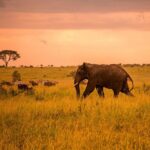
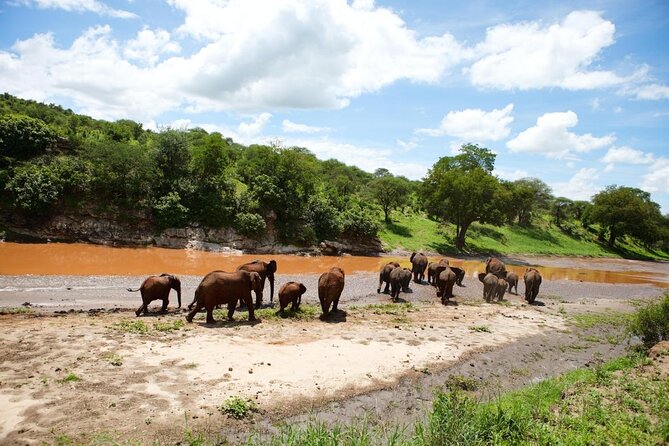
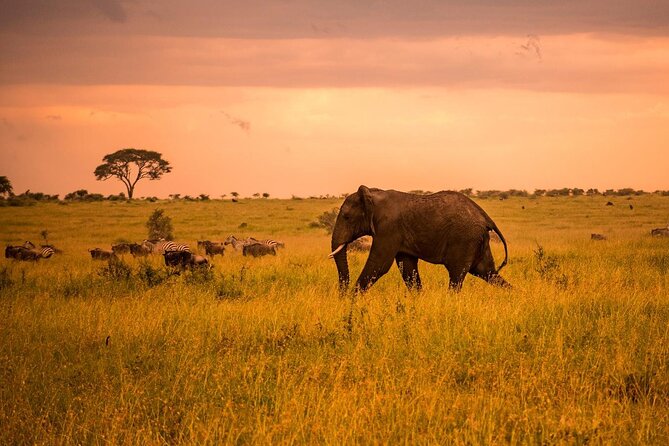
Tarangire is where the show often starts fast. You’re looking for large elephant herds and the distinctive baobabs that make the scenery feel ancient. In many safaris, elephants are a bonus. Here, they’re a headline.
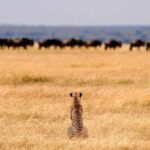
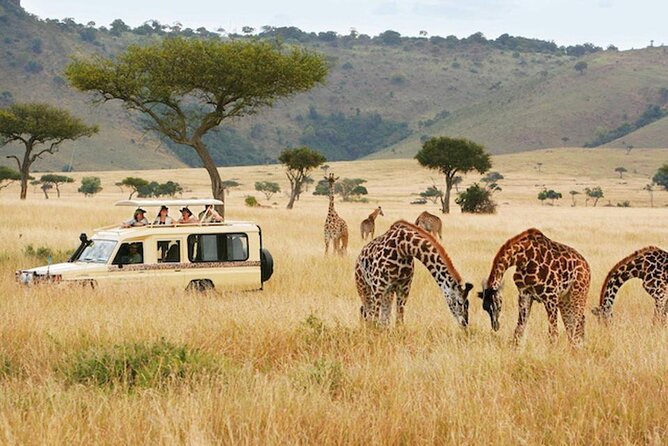
Then comes the Serengeti. The name itself points to why people fall for it—Siringit, often tied to the idea of plains without end. What you’ll love is the rhythm: long stretches of savannah, lots of chances to spot different behavior (grazing, hunting, moving herds, birds in action), and enough days that you don’t feel like you’re chasing a single moment.
Finally, Ngorongoro Crater is the “natural zoo” idea made real. With its high walls and dense wildlife concentration, you get a better shot at seeing rare animals in a single day than you would in many other habitats—especially when you start early.
Lake Manyara is also part of the overall safari concept here. It’s known for baboons and flamingos around the alkaline waters. Even if your time there is shorter than the Serengeti, it adds variety—more birds and primates, less open plains.
You can also read our reviews of more tours and experiences in Arusha.
Price and what you’re really buying for $1,800
At $1,800 per person for about 5 days, this isn’t a budget safari. It’s a mid-range value play. The key is what’s wrapped in versus what you’d otherwise pay separately.
This trip includes all fees and taxes, plus private transportation and the meals listed: lunch (5), breakfast (4), and dinner (4). In real terms, that means fewer surprise costs for park access and day-to-day logistics, and you can budget tips and personal expenses without playing financial catch-up.
Also worth noting: park admissions are effectively handled in the program details you’ll see for the driving days, and you’re not stuck coordinating vehicles and entry permits yourself. That matters in Tanzania, where doing the “right admin” is part of having a smooth safari.
Your main extra costs are the obvious ones: international flights and tips. The stated tipping guideline is $10 per person per day. If you come prepared with that in mind, the math tends to feel fair for a route that covers multiple parks over a short window.
Getting around: pickup, private transport, and small-group advantages
You’re starting from Travel Wise Safari in Arusha (Arusha Urban) and ending back at the meeting point. Pickup is offered, which is a big deal if you’re arriving tired or want to avoid figuring out the first transport step.
This is also built for manageable group energy: maximum 7 travelers. In practice, that means fewer people competing for window views and fewer schedule conflicts. You still get shared safari vibes, but you’re not on a crowded bus hunting for animals through elbows.
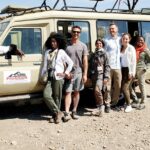
Transportation is private, and the guide stays in contact with other guides via VHF radios fitted in the safari cars. Translation: if something changes—animals move, sightings spike—your guide can react instead of waiting and hoping.
Finally, there’s WiFi on board. I wouldn’t bet your safari memories on it, but it’s a nice perk for updates, messaging, or posting later when signal hits.
Day 1 to Tarangire: elephants, baobabs, and your first sunset drive
Your safari begins with a scenic drive leaving Arusha. The program notes a stop possibility for last-minute personal shopping along the way, then you head toward Tarangire and arrive in roughly two hours or so.
What makes Day 1 work is pace. You don’t waste the first day; you get the first game drive soon after gate paperwork is handled. Tarangire’s identity here is clear: big elephant herds and baobab trees dotted across the grassland.
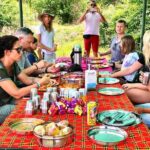
Your lunch is taken at a designated picnic site, then it’s afternoon game drives until sunset time. That sunset window is one of the best parts of safari math: animals often shift behavior as temperatures cool, and light makes sightings more dramatic. You also get a natural reset after your first long drive because you’ll check in at a lodge or campsite for the night.
Possible drawback: since you’re transitioning from Arusha to the park and then straight into game driving, you’ll want to pack for comfort (water, sun protection, layers). Safari days can be deceptively physical.
Days 2 and 3 in Serengeti: long drives, picnic pauses, and early-morning magic
After breakfast, you depart Tarangire and head toward the Serengeti. The driving description includes crossing the Great Rift Valley floor and up the escarpment, then traveling through the Ngorongoro Conservation area before arriving in the afternoon.
That “scenic drive with vistas” matters because it makes the move feel like part of the safari story, not just transportation.
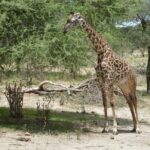
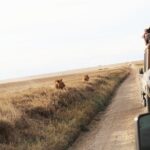
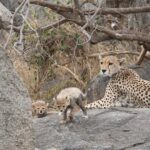
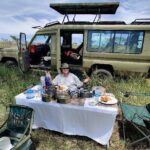
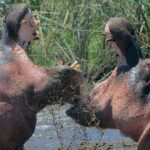
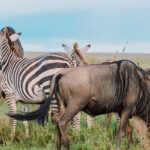
Day 2: arrival afternoon game drive
Day 2 is an afternoon-heavy wildlife day. You arrive in the afternoon, do game driving until late afternoon, then check in for campfire, dinner, and overnight. Lunch is taken at a picnic site, with a common example given around Naabi Hill Gate—a stop that also gives you a chance to stretch your legs.
Day 3: sunrise game drive plus full-day exploring
This is where you win the rare-sighting odds. The program explicitly supports a sunrise game drive to catch animals active early, plus early-risers among diurnal species. If you like close-up sightings, sunrise helps. The description also notes that animals often line up at road edges to escape the morning dew, which can make viewing feel uncommonly close.
After breakfast, you’re out for game drives all day in Serengeti. The big idea: you’re exploring the vast savannah for the wildlife Serengeti is known for. The program also highlights birds and variety across the day, so you’re not only chasing the biggest mammals.
What you should know before you go
Serengeti days mean you’ll spend a lot of time in safari vehicle seating. You’ll enjoy it most if you accept that the best sightings often come when you’re patient and ready to stay flexible—your guide can shift where you are based on what’s happening.
Day 4 in Serengeti then to Karatu: river valley bird life and camp-to-lodge flow
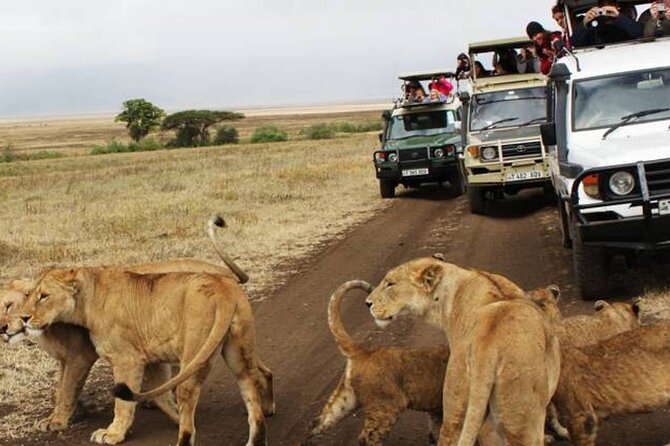
Day 4 starts with breakfast and one more game drive in the Serengeti, then you return to the Ngorongoro Conservation area for dinner and overnight at a mid-range lodge around Karatu (examples include Marera Valley Lodge or Country Lodge at Karatu). All meals are included on this day per the program.
The program points to Seronera River Valley as a strong option for Day 4: it’s described as rich in wildlife and bird life. That’s a useful detail if you’re the kind of traveler who wants more than four-legged action. Birds and river habitats often bring different energy than open grassland.
You’ll also notice the schedule is built around two priorities:
1) squeezing one last Serengeti viewing block out of the day
2) getting you positioned near Ngorongoro so the crater descent can happen early
If you’re worried about being “worn out” by Day 4, this layout is why it helps: you end the day at a lodge area closer to your big crater morning.
Day 5 Ngorongoro Crater: early descent and the best odds for big moments
Ngorongoro Crater is the capstone day. You have breakfast at your lodge, then you descend early into the crater floor for game drives.
The program specifically suggests the earlier you descend (even after breakfast or with a packed breakfast), the better your chances for rarer animals like black rhinos, with the honest caveat of luck.
The morning game drive takes up most of your time until lunch. Lunch is described as a picnic lunch, and then you continue your crater exploration.
Why this is such a big deal is simple: the crater is described as having 600 to 650 meter high walls and acting like a “natural zoo” with the highest concentration of wild animals. That’s why you’re doing an early start—so you’re not arriving mid-day when animal movement can feel less predictable.
Even though no safari guarantees any single species, this is one of the most structured ways to chase “big day” wildlife viewing in one place. The program even notes that, with luck, you might spot the Big Five in a single day.
Lodging and meals: what included means on the ground
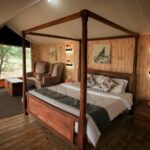
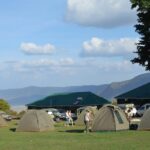
This trip mixes camping and lodge style travel. That usually means you get the classic safari feel—time outdoors, simple comfort, and the rhythm of checking in after drives—without going fully “back-to-basics” every night.
Meals are clearly included for most days:
- Lunch (5)
- Breakfast (4)
- Dinner (4)
That coverage is more practical than it sounds. It keeps you on safari time. You’re not hunting for restaurants between parks, and you’re less likely to lose daylight to logistics.
In the feedback you provided, accommodations show up positively. People highlight beautiful camps and nice lodges, and one comment specifically notes a Tarangire-area lodge that opened in June 2024, described as having friendly staff, good individual lodges, and food that was great. Even if your exact lodge differs, that points to the usual standard you should expect from a lodge-and-camping operator at this level.
One practical tip: with included meals, plan for how you handle caffeine and snacks. Safari schedules can be tight. If you’re a coffee person, bring what you can and don’t assume you’ll always get quick refills on the road.
Guides and organization: the human factor that shows up repeatedly
In safari land, the guide is half the experience. In your provided information, the company name and people involved come up often: Bruno is mentioned as a director who responds quickly and tries to tailor requests. Guides and drivers named in feedback include Amani, Sam, Frankie, Meshack, Hope, Isaac, and David.
What I take from that: this operator puts effort into communication and planning. One standout theme is that everything feels organized from beginning to end, and the guides/drivers are described as helpful, communicative, and professional—plus willing to go the extra mile to match what people want.
There’s also a specific mention of communication and responsiveness, including quick answers to questions. That matters when you’re packing, coordinating flights, or trying to understand what to expect day to day.
And for wildlife, you’ll care about one more operational detail: the guide coordination via VHF radios. That’s not just tech talk. It supports faster decision-making when sightings happen far from where you’re currently positioned.
Who should book this 5-day safari, and who should skip it
This safari makes sense if you want:
- Classic northern Tanzania wildlife in a short, structured 5-day run
- Multiple chances in Serengeti (not just one long afternoon)
- A big “set-piece” day with Ngorongoro Crater early descent
- A small group experience capped at 7 people
- Meals and park logistics handled so you can focus on the animals
You might want to choose differently if you:
- Prefer a slow pace with fewer long vehicle hours
- Want guaranteed species outcomes (this program sets you up well, but luck is part of safari reality)
- Need lots of downtime every day—these drives fill the schedule
Should you book this Tanzania Safari?
I’d say book it if you want a well-run route that prioritizes animal time, smart timing, and smooth day-to-day logistics. The Tarangire → Serengeti → Ngorongoro structure is a classic reason-to-go combo, and the included meals, private transport, and all fees/taxes help you travel with less friction.
Before you lock it in, do two simple checks:
- Confirm how Lake Manyara fits into your exact 5-day schedule, since it’s described as part of the overall safari concept.
- Budget for tips using the given guideline so there’s no last-minute stress.
If you do that, you’ll be set up for the kind of days where you stop asking what’s next and start asking where the animals are right now.
FAQ
How long is this Tanzania safari?
It’s listed as 5 days (approx.).
Where does the safari start and end?
It starts at Travel Wise Safari, Arusha Urban, Arusha, Tanzania and ends back at the same meeting point.
Do you get pickup from Arusha hotels?
Pickup is listed as offered.
What parks are included?
The experience covers Tarangire National Park, Serengeti National Park, Ngorongoro Conservation Area/Crater, and it also describes Lake Manyara National Park.
What meals are included?
The included meals are lunch (5), breakfast (4), and dinner (4).
Is WiFi provided?
Yes, WiFi on board is included.
Is transportation private?
Yes, the tour includes private transportation.
How many travelers are in the group?
The maximum is listed as 7 travelers.
What should I know about tipping and cancellation?
Tips are not included, with a guideline of US$10 per person per day. Cancellation is free up to 24 hours in advance for a full refund.