REVIEW · ARUSHA
Private 7-Day Tanzania Camping Safari
Book on Viator →Operated by Suricata Safaris · Bookable on Viator
Big cats, crater views, and real camping. This private safari stacks Tanzania’s headline parks into one tight, photo-friendly loop. You’ll move between Tarangire, Lake Manyara, the Serengeti plains (Seronera), and Ngorongoro—with early drives built in for better spotting.
I especially like the private setup: you’re not sharing game drives with strangers, so your guide can run the route at your pace. I also like the camping rhythm—days full of drives, then evenings at campsites with included meals (breakfasts, lunches, dinners) and time to recharge.
One consideration: this is a lot of driving and time in the parks each day, so if you want slow travel or long hotel downtime, this style may feel packed.
In This Review
- Key highlights worth knowing
- Why this 7-day Tanzania camping safari route works so well
- Arusha meeting point, private feel, and the mobile ticket
- Day 1 in Tarangire: starting strong in a different kind of safari country
- Day 2 on Lake Manyara: Hemingway’s loveliest Africa moment, without rushing
- Days 3 and 4 in the Serengeti: Seronera days built for spotting
- Day 5 in Serengeti: Sogore River and the Kopjes circuit for extra variety
- Day 6: Olduvai Gorge stop before the Ngorongoro crater descent
- Day 7: early crater-floor Big Five time, then Mto wa Mbu and back to Arusha
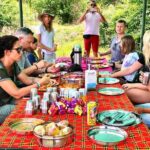
- Camping setup, included meals, and what “camp safari” feels like
- The guide effect: why names like Max, James, Ezekiel, and Frederick matter
- Price and value: what $2,600 buys on this private route
- Who this safari suits best (and who should think twice)
- Should you book this private 7-day Tanzania camping safari?
- FAQ
- How long is the private Tanzania camping safari?
- What parks and areas are included?
- Is this a private safari?
- What meals are included during the safari?
- Where do you meet in Arusha?
- What kind of “ticket” do you get?
- What is the cancellation policy for a full refund?
Key highlights worth knowing
- Seronera timing: you get days centered on the Seronera area, anchored by the Seronera River water source
- Lake Manyara’s compact circuit: a full-day drive on a relatively small viewing loop
- Serengeti circuits beyond the basics: Sogore River circuit plus Kopjes circuit around the Maasai Kopjes
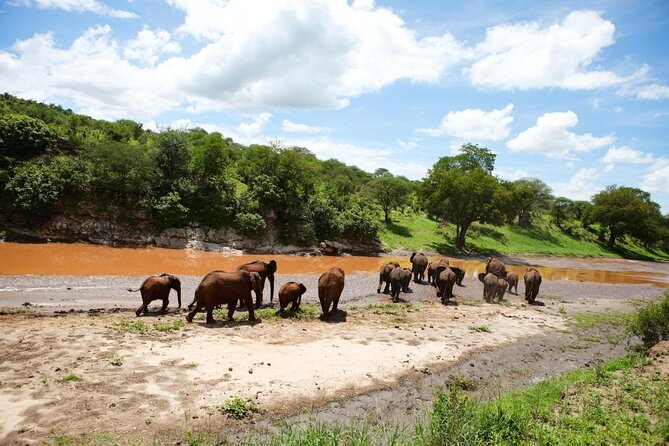
- Ngorongoro built around the crater: Olduvai Gorge on the way, then a descent over 600m for a half-day crater safari
- Big Five focus (especially on Day 7): early crater-floor game watching with a long stop before ascending
- Guide + chef teamwork gets praised: people specifically name guides like Max and James, and chefs like Salim and Ben
Why this 7-day Tanzania camping safari route works so well
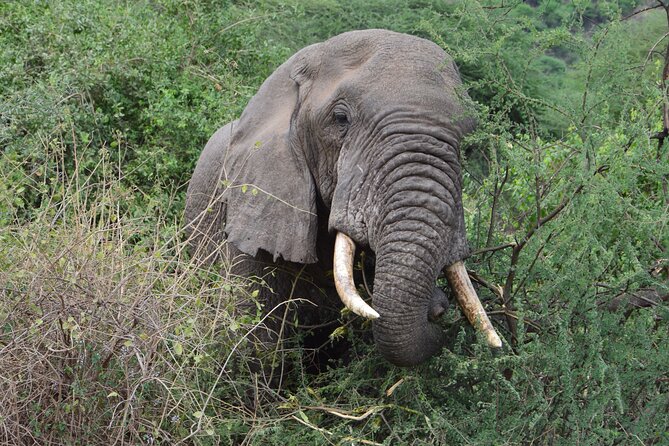
This safari’s value is in how it groups Tanzania’s most famous ecosystems. Tarangire and Lake Manyara can feel different from the Serengeti—then Ngorongoro flips the script with a dramatic, wildlife-dense crater.
The schedule also respects how spotting works in the field. You’ll have early starts for game drives on multiple days and you’ll spend enough time in key areas (not just a quick drive-by). That’s the kind of planning that turns a “bucket list trip” into a trip where you actually get time to react when animals appear.
And because it’s private, you get a smoother day-to-day flow. Your driver-guide can adjust within the park circuits—at least to the extent the wildlife and conditions allow—without trying to satisfy a large mixed group.
You can also read our reviews of more tours and experiences in Arusha.
Arusha meeting point, private feel, and the mobile ticket
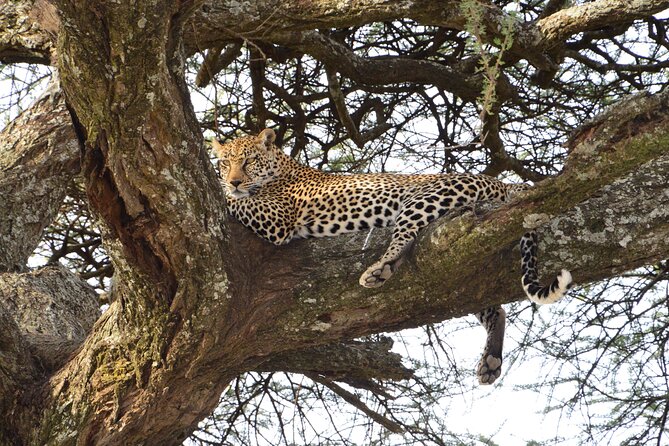
You start in Arusha at Jevas Hotel EncoreTZ, Makao Mapya. Ending is planned back at the meeting point, and the route also includes an airport drop on the last day. In practice, that usually means you get set for departure without needing an extra taxi run across town.
The tour uses a mobile ticket, so you’re not scrambling for printed vouchers. If you like a clean travel checklist, that’s a small but real plus.
Most importantly, this is private: only your group participates. That matters most on safari, where the “right” pace is often personal—whether you want more frequent stops for photos or you’d rather keep moving to cover more ground.
Day 1 in Tarangire: starting strong in a different kind of safari country
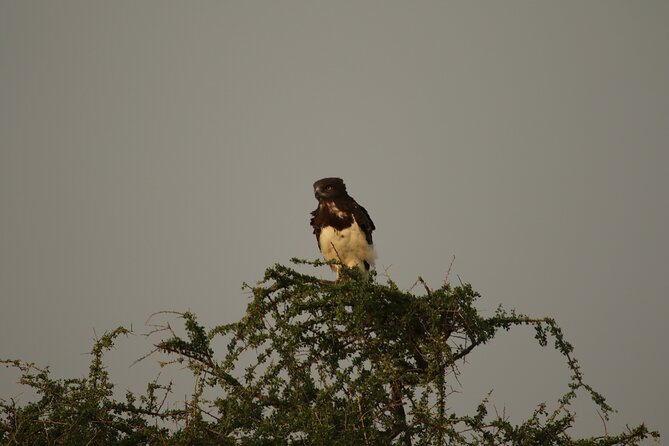
Day 1 centers on Tarangire National Park, with the drive including the high-lying farmland area around Karatu and the Ngorongoro Conservation Area along the way. That transition is a big part of why this trip feels like more than one long drive—it’s you leaving one setting and stepping into a more animal-focused zone.
In Tarangire, you’ll aim for the park’s key habitat zone around water sources, and the plan places you in time for lunch after you arrive. Tarangire is often a “see a lot of animals even when you’re not racing” park, and the route sets you up for that.
Practical takeaway for your expectations: day 1 usually sets the tone. If you want your first game drive to land well, this schedule gives you daylight time to get oriented and settled.
Day 2 on Lake Manyara: Hemingway’s loveliest Africa moment, without rushing
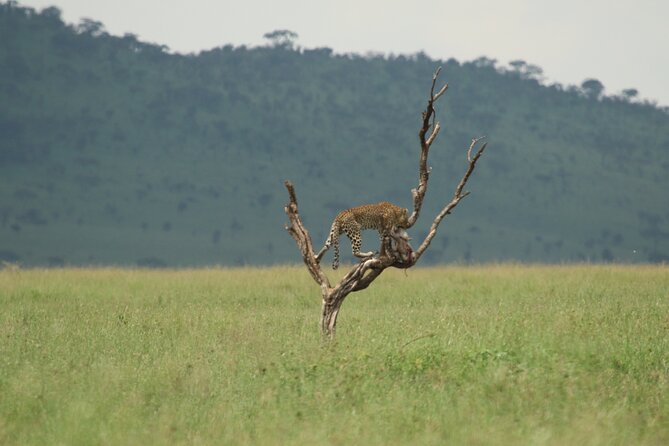
Day 2 shifts you toward Lake Manyara National Park with a picnic lunch in hand for a full-day game drive. The park sits along the Rift Valley escarpment, and the itinerary leans into its dramatic setting—Ernest Hemingway famously described it as the loveliest he had seen in Africa.
What I like about this day is the “compact circuit” idea. Lake Manyara doesn’t require marathon coverage to be rewarding. A smaller loop can mean more chances to spot animals repeatedly as the day goes on, instead of feeling like you’re always chasing the next turn.
You’ll finish at Twiga campsite for dinner and your overnight stay. That’s a nice balance: a full day in the park, then a camp base where you can reset.
Days 3 and 4 in the Serengeti: Seronera days built for spotting
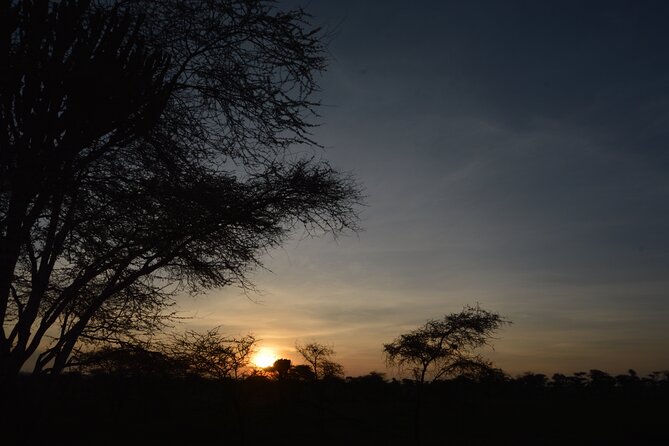
The heart of the itinerary is Serengeti National Park, centered around the Seronera area. You’ll drive to the Serengeti early and keep a strong game-drive structure across the day.
The plan specifically ties the Seronera zone to the Seronera River, which is a key water source. Water in the Serengeti tends to draw animals, and that’s why this part of the park is often productive: you’re not guessing—you’re working with geography that pulls wildlife toward predictable needs.
You’ll spend nights at Seronera campsite (listed as Nguchiro campsite in the plan). Day 3 includes both a full-day drive and a late evening drive. That last light can be great for action—plus it often helps your photos because the light changes quickly.
Day 4 adds an early morning game drive, then another full-day drive with picnic lunch. The itinerary language emphasizes the feeling of Serengeti space—sunburnt savannah in drier stretches and greener grass after rains. Even if you don’t notice the color shift day to day, you will notice how the plains open up your viewing angles.
Possible drawback to factor in here: Serengeti days are long. If you dislike early starts or you don’t like being in the vehicle for extended stretches, this portion could feel like hard work instead of a vacation breeze.
Day 5 in Serengeti: Sogore River and the Kopjes circuit for extra variety
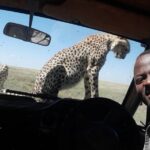
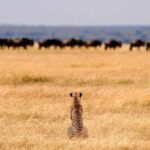
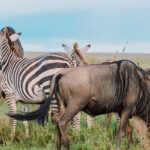
Day 5 keeps you in the Serengeti but changes the focus. You’ll start with an early morning drive along the Sogore River circuit, which the plan highlights as a good area for spotting lion, gazelle, topi, ostrich, and cheetah.
Then you’ll visit the Visitor Center near the Seronera Lodge and public campsites. It’s described as worth the stop because you get wildlife displays plus maps and leaflets. I like this break in the day because it gives your brain context—after a morning of looking for animals, it helps you connect what you saw with why that species chooses that terrain.
In the afternoon, you’ll follow the Kopjes circuit going counterclockwise around the Maasai Kopjes. Kopjes—those rocky outcrops—can be prime hunting and resting areas, and they also change the look of the view enough to keep the day from feeling repetitive.
Your day ends again at Seronera campsite for dinner and overnight.
Day 6: Olduvai Gorge stop before the Ngorongoro crater descent
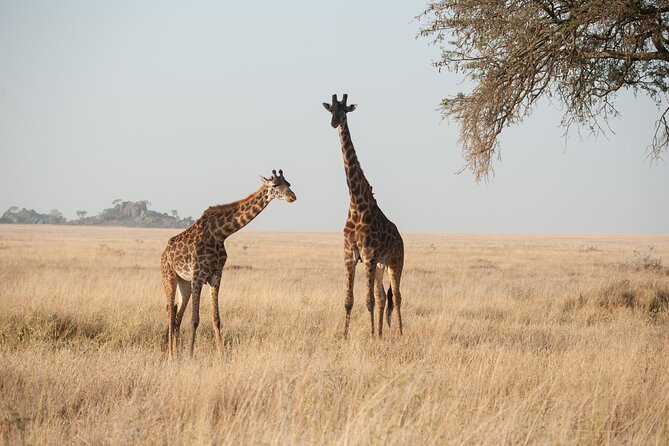
Day 6 moves you to the Ngorongoro Conservation Area, and the route includes a stop at Olduvai Gorge. The plan points out major anthropological discoveries at Olduvai Gorge, including the skulls of what are referred to as Nutcracker Man and Handy Man.
Even if you’re on this trip for wildlife (which is most people), this stop adds a helpful context layer. You’re not only learning animals—you’re learning how long humans have been shaping their own survival strategies in this region.
After lunch, you’ll descend over 600m into the Ngorongoro crater for a half-day crater safari, then spend the night at Ngorongoro Simba campsite.
This is a day where timing matters. A crater descent needs enough daylight to both find animals and enjoy the experience without rushing. The half-day structure keeps it from turning into a “we’re in and out” checklist.
Day 7: early crater-floor Big Five time, then Mto wa Mbu and back to Arusha
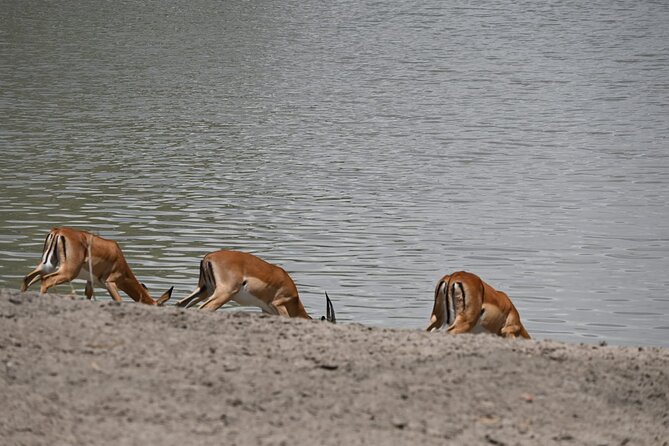
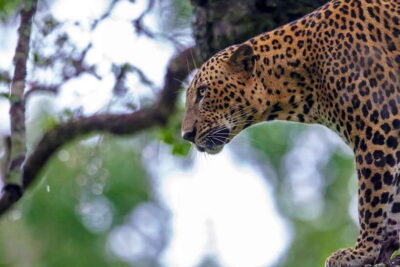
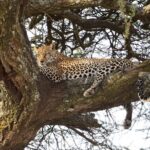
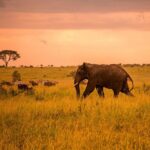
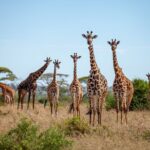
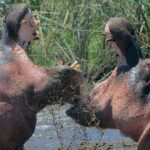
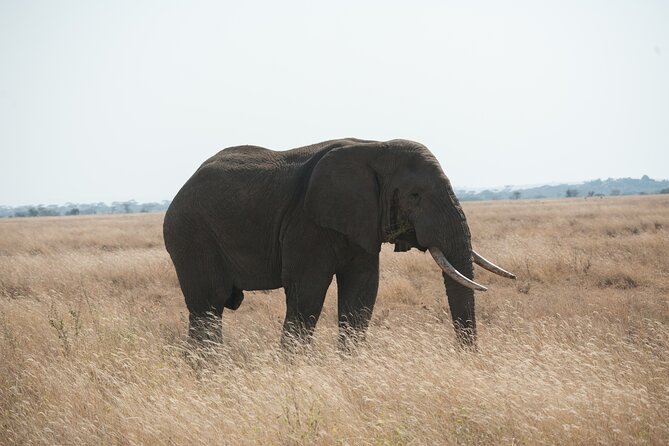
The final day starts with an early breakfast and then heads straight to the crater floor for about 6 hours of game watching. The itinerary frames this as a Big Five chance—lions, leopards, elephants, buffalos, and maybe black rhinoceros—plus other mammals like hippos, giraffe, warthog, baboons, and birds.
You’ll have picnic lunches down the crater at Ngoitoktok spring, which also adds a sense of place to the day. Then you’ll ascend back to the rim and return to Arusha, with an en-route game drive via Mto wa Mbu village.
The plan says you reach Arusha town in the evening, and the trip ends with drop-off at the airport.
Camping setup, included meals, and what “camp safari” feels like
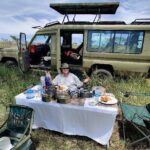
This is a camping safari, and that changes the vibe. Instead of switching hotels every day, you’re living on campsite schedules: long days in the field, then a camp routine for dinner and sleep.
The itinerary clearly includes breakfasts (7), lunches (7), and dinners (6). In a safari context, food matters because it keeps you focused. A few reviews specifically praise chefs by name—Salim and Ben come up—along with comments about fresh, tasty meals and generous portions.
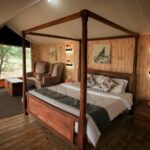
You can also expect that tents are part of the setup. People mention the tents at camp in a positive way, which fits the idea of “comfortable enough to rest well” rather than “roughing it with no comforts.”
One thing to remember: camping is part of the experience, but it also means you’ll want to pack with camp life in mind—especially for early starts and sun-to-cool evening swings.
The guide effect: why names like Max, James, Ezekiel, and Frederick matter
In safari life, your driver-guide is the difference between seeing animals and just driving past them.
A recurring theme is patience and skill. Guides such as Max, Ezekiel, James, and Frederick are praised for being steady and experienced, and for being attentive to questions (including first-time safari travelers). People also describe guides as careful about getting close enough for good viewing without pushing animals off behavior.
Chef teamwork shows up too. Names like Salim, Ben, and Tito appear in praise, often linked to good meals that keep the day’s energy up.
Should you worry about guide names? Not exactly. You can’t guarantee which person you’ll get. But the pattern tells you what to look for: calm driving, clear explanations, and a guide who understands where to point your eyes first.
Price and value: what $2,600 buys on this private route
At $2,600 per person, you’re paying for a private, multi-park route that strings together Tarangire, Lake Manyara, Serengeti, and Ngorongoro with camping nights and included meals.
Where the value comes from:
- Private pacing: your group gets the vehicle and guide focus.
- Multiple full game-drive days: not just one or two long drives.
- Serengeti repeat nights in the same zone: staying around Seronera means less “move-and-unpack” chaos.
- Structure around prime wildlife locations: Seronera water-area days and Ngorongoro crater-floor morning time.
Where you should be realistic: this price doesn’t fit the “economy safari” mold. If you want the absolute cheapest option, you’ll likely find lower-cost group safaris. But if you want the big-name parks, enough hours for decent wildlife time, and a guide-spotting approach that’s repeatedly praised, this route looks like it’s aimed at serious safari time.
Also note the itinerary shows admission ticket free for the park days. Even if you double-check what’s included in your final confirmation, seeing that listed is a positive sign for how the trip is packaged.
Who this safari suits best (and who should think twice)
This tour is a strong fit if:
- You want a classic Tanzania highlights route without cutting corners.
- You like the idea of camping safari life but still want included meals and solid organization.
- You’re okay with early mornings and long game-drive hours.
Think twice if:
- You’re looking for a mostly relaxed hotel-based vacation.
- You hate “moving day” energy. Even though you sleep at campsites, you’ll still be driving between major areas most days.
If you’re a photographer, this style tends to work well because the day structure includes different circuits and time-of-day viewing (morning, full day, and sometimes late evening).
Should you book this private 7-day Tanzania camping safari?
If your goal is to see Tanzania’s most famous wildlife stages—Tarangire, Lake Manyara, the Serengeti plains around Seronera, and Ngorongoro’s crater floor—this itinerary is built to give you repeat shots, not just one rushed stop.
I’d book it if you also care about how the safari feels day to day. The consistent praise for guides like Max, James, and Ezekiel, plus chefs like Salim and Ben, points to smooth logistics and the kind of on-the-ground attention that matters when you’re spending hours looking out over savannah.
I’d pause if you want more free time in one place, or if camping is a hard no. For everyone else, this looks like a practical, classic, private way to spend a full week chasing animals across Tanzania’s big three wildlife areas—plus the crater day everyone remembers.
FAQ
How long is the private Tanzania camping safari?
The safari is listed as 7 days (approx.).
What parks and areas are included?
The route includes Tarangire National Park, Lake Manyara National Park, Serengeti National Park, and the Ngorongoro Conservation Area/Ngorongoro Crater, with a stop at Olduvai Gorge.
Is this a private safari?
Yes. The tour is described as private, meaning only your group participates.
What meals are included during the safari?
Breakfast is included for 7 days, lunch for 7 days, and dinner for 6 days.
Where do you meet in Arusha?
The start meeting point is Jevas Hotel EncoreTZ, Makao Mapya, Arusha 0255, Tanzania. The tour ends back at the meeting point, and the last day includes airport drop-off as part of the plan.
What kind of “ticket” do you get?
The tour summary states mobile ticket.
What is the cancellation policy for a full refund?
Free cancellation is offered. You can cancel up to 24 hours in advance for a full refund, and cancellations made less than 24 hours before the start time are not refunded.