Three days, three distinct wildlife settings. This Arusha safari pairs Tarangire’s elephant-heavy river country with the dramatic Ngorongoro Crater bowl, then finishes with Lake Manyara as a different ecosystem swing.
What I like most is that you’re not stuck trying to spot animals on your own. You get a professional guide plus a local guide, and that makes a big difference when you’re hunting for detail in wide-open bush and grass.
A possible drawback to plan for: it’s a budget-focused safari, so the goal is clean, functional lodging with what you need to recharge—not high-end luxury. Also, the supplied info lists duration as about 2 days, so confirm how that lines up with the 3-park plan before you go.
In This Review
- Key things that make this safari worth your time
- Tarangire’s elephant river, huge baobabs, and why dry season wins
- Ngorongoro Crater: the rim-to-floor tour where 30,000 animals fit in one bowl
- Lake Manyara as the third park day: adding a second habitat mood
- Guides, pacing, and getting close without rushing
- What’s included: park fees, guides, buffet meals, and water that actually helps
- Price and value: what $1,500 per person is buying you here
- Who should book this safari, and who might want to think twice
- Should you book this 3-day Tarangire, Ngorongoro & Lake Manyara safari?
- FAQ
- What time does the safari start?
- Where does the safari begin and end?
- Do you get pickup?
- How long is the experience?
- Which parks are included?
- Are meals included?
- Is bottled water included?
- Where do you stay overnight?
- Is this a private tour?
- Can you cancel for a full refund?
Key things that make this safari worth your time
- Tarangire’s elephant concentration: big herds drawn to the Tarangire River, especially in the dry season
- Ngorongoro Crater game drive: you descend into the crater and tour a mix of acacia forest, swamps, and grasslands
- Small-group feel: it’s private, so only your group participates
- Meals and water included: buffet lunch and dinner plus bottled drinking water
- Guides with real field skills: you may be matched with guides like Ezekiel Masai, Walter, Gadiel (Gadi), or Eazy (Eazzy)
Tarangire’s elephant river, huge baobabs, and why dry season wins
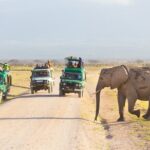
Tarangire National Park covers almost 3,000 square kilometers, and it has two signatures: elephants and baobab trees. The park’s name comes from the Tarangire River, and that river is the magnet. When water is scarce outside the park, wildlife piles in here.
I love how the timing idea matters. Tarangire is especially spectacular from June to November, when wildlife concentrations can rival bigger-ticket parks because the river becomes one of the only reliable water sources. If you’re traveling in that window, you’ll likely feel like the sightings start faster and keep coming.
The numbers are a clue to what you’re walking into. The park supports over 2,000 elephants and roughly 500 bird species, so it’s not only about the big mammals. You’re also in a place where birdlife can be constant, and that helps make long game drives feel productive even on quieter stretches.
One practical thing: the itinerary shows a full day dedicated to Tarangire. That matters because Tarangire rewards patience. You’re not just passing through; you’re spending real time in habitats that include the river corridor and scattered tree-dotted areas where elephants and other animals feed.
You can also read our reviews of more tours and experiences in Arusha.

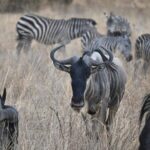
Ngorongoro Crater: the rim-to-floor tour where 30,000 animals fit in one bowl
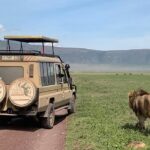
Ngorongoro Crater is the kind of place your brain understands before your eyes catch up. It’s the largest intact crater in the world, formed when a volcano erupted and later collapsed into a natural enclosure. The crater floor sits inside walls about 600 meters tall, creating an enclosed “stage” that traps multiple habitat types.
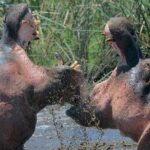
That’s why game viewing here can feel different. You’re not looking at one habitat for a long time. The crater holds acacia forest, hippo-filled swamps, and open grasslands—all in the same broad area. The result is a huge concentration of wildlife, listed as over 30,000 animals across the crater’s habitats.
Your day includes a descent for a crater game tour after breakfast. That timing is useful because you get into the crater rather than burning hours just getting there. It also sets up the day’s rhythm: scan for the obvious first (large animals near water and open grass), then slow down when you see movement in the trees or along the swamp edges.
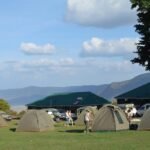
After the crater game drive, you head to Octagon Lodge for overnight. Having lodging secured after the crater day is a simple comfort win. The drive back can be long, and you don’t want to end your day with uncertainty.
There’s also something emotional about Ngorongoro: the crater walls frame everything. Even when you’re sitting still in your vehicle, it feels like the terrain is doing the hard work of focusing your attention.
Lake Manyara as the third park day: adding a second habitat mood
Lake Manyara is part of the plan, and that’s a smart move when you only have a short safari window. Tarangire and Ngorongoro both have a strong “signature,” but Lake Manyara changes the rhythm because it sits in a different environment than the dry river pull of Tarangire and the volcanic bowl of Ngorongoro.
Even without extra details here, you should expect that Lake Manyara will add variety to your wildlife pattern. In a short safari, variety is the point: different animals show up in different conditions, and different habitats make scanning easier. Instead of repeating the same view all day, your eyes get new cover types and new water-and-vegetation cues.
If you’re the type who wants more than one kind of safari experience—river elephants, crater-level density, and a third habitat mix—this package fits that goal. Short trips can feel repetitive. This one avoids that trap by design.
Guides, pacing, and getting close without rushing
On safari, you can feel the difference between a driver who drives and a guide who finds. This company’s outings often highlight drivers and guides by name, including Ezekiel Masai, Walter, Gadiel (Gadi), and Eazy (Eazzy). The common thread in that praise is field skill: spotting animals and explaining what you’re seeing in plain language.
I also like the safety-and-comfort emphasis that shows up in descriptions of their guides. When someone is consistent about safe driving and patient positioning, you’re more relaxed. And that relaxes your eyes. You start noticing animals earlier, because you’re not constantly bracing for bumps or frantic stops.
Pacing is another hidden value. The days are structured around long, focused wildlife time. Tarangire gets a dedicated day, and Ngorongoro includes the descent plus a crater tour window before you move on to overnight. That keeps the safari from feeling like a long checklist with short, rushed glimpses.
One more small advantage: you’re doing this as a private tour/activity, meaning only your group participates. That reduces the frustration factor of being stuck with someone else’s pace—especially when animals show up right when your group is ready.
What’s included: park fees, guides, buffet meals, and water that actually helps
Let’s talk logistics, because logistics are where safari plans either feel smooth or stressful.
National park fees are included, and the itinerary notes Tarangire’s admission as free while Ngorongoro’s admission is included. Either way, the package is set up so you’re not scrambling for ticket paperwork mid-trip.
Meals are built in:
- Lunch buffet and dinner buffet during the itinerary
- Breakfasts listed for the two mornings tied to the overnight plan
- Meals align with the itinerary days (B, L, D formats are listed)
Water is also taken care of. Bottled water is included, and the plan specifies that drinking water is provided every day per person. In real safari terms, that means fewer interruptions. You can stay in the moment longer instead of pausing for supplies.
Two nights of accommodation are included. After the Ngorongoro crater day, you specifically drive to Octagon Lodge for overnight, which gives you a clear anchor point after a long day in the crater.
Also, the overview states accommodations are meant to include basics like clean water, bathrooms, and electrical power so you can recharge batteries. That’s a practical reassurance for phone cameras, battery packs, and anything you rely on for navigation or sharing photos later.


Price and value: what $1,500 per person is buying you here
At $1,500 per person, this sits in the mid-to-upper range for a short circuit safari. The value shows up when you break down what’s bundled.
You’re paying for more than driving to parks. This package includes:
- 2 nights accommodation
- National park fees
- A professional guide plus a local guide
- Fuel surcharge
- Buffet meals (lunch and dinner plus breakfasts)
- Bottled water
- Hotel drop-off, plus pickup offered
The big costs in Tanzania safaris usually come from park access fees and the logistics of getting you between wildlife areas with a trained guide. When those are handled upfront, you’re less likely to hit annoying extras later.
What isn’t included: alcoholic drinks and souvenir photos (available to purchase). That’s normal, but it helps to know where your spending boundaries are.
If you’re trying to maximize wildlife time in a short window, this package is built for that. It’s not a “sit at the lodge” plan. It’s also not a packed-into-your-days itinerary with nonstop transfers all day. You’re spending long blocks inside the parks, which is where safari value actually lives.
One more reality check: the duration line says approximately 2 days, while the experience name is a 3-day parks safari. Before you book, confirm the day count that matches your expectations, especially if you’re working with flight timing.
Who should book this safari, and who might want to think twice
This safari fits best if you want:
- A short Tanzania wildlife hit with Tarangire + Ngorongoro as the core
- Real guided help in spotting and understanding animals
- Meals and water handled so you can focus on wildlife time
- A private setup so your group sets the pace
It may be less ideal if you’re chasing ultra-luxury lodging or want a highly detailed daily itinerary in the information provided here. Since it’s budget-focused, you should expect clean and functional rather than fancy-by-default.
It can also be a mismatch if you’re extremely timing-sensitive and can’t risk confusion about the exact number of days. That’s solvable—just confirm whether it’s truly 3 full park days or 2 compressed days aligned to the 3-park theme.
Should you book this 3-day Tarangire, Ngorongoro & Lake Manyara safari?
I’d recommend booking if you care about guided wildlife viewing more than luxury extras, and you want a short route that hits major Tanzania contrasts. Tarangire’s elephant-and-river pull plus Ngorongoro’s crater density is a strong combo in a limited time.
Before you pay, do two quick checks:
- Confirm the exact day count and schedule so your flights match the real itinerary length
- Ask what “budget accommodations” means for your room expectations during the two nights, since lodging style is the main potential letdown risk
If those two points line up, this is the kind of safari that gives you memorable wildlife time without turning your vacation into an admin project.
FAQ
What time does the safari start?
The start time is listed as 8:00 am.
Where does the safari begin and end?
It starts in Arusha, Arusha Region and ends back at the meeting point.
Do you get pickup?
Yes, pickup is offered.
How long is the experience?
The duration is listed as approximately 2 days.
Which parks are included?
The safari covers Tarangire National Park, Ngorongoro Crater, and Lake Manyara.
Are meals included?
Yes. The package includes buffet lunch and buffet dinner, plus breakfast as shown for the itinerary days.
Is bottled water included?
Yes. Bottled water is included, and drinking water is provided every day per person.
Where do you stay overnight?
You get 2 nights of accommodation, and after the Ngorongoro crater game tour you drive to Octagon Lodge for overnight.
Is this a private tour?
Yes. It’s a private tour/activity, so only your group participates.
Can you cancel for a full refund?
Yes. Free cancellation is available if you cancel up to 24 hours in advance for a full refund.