REVIEW · ARUSHA
3 Days Tarangire, Ngorongoro & Lake Manyara Group Camping Safari
Book on Viator →Operated by Suricata Safaris · Bookable on Viator
Three parks in three days.
This Arusha-based group camping safari strings together Tarangire, Ngorongoro Crater, and Lake Manyara, so the scenery and animals change constantly instead of repeating the same landscape all week. I like that it’s built around a small group (up to six travelers), which usually means you get clearer guidance and easier spotting when animals are far off.
What I like most is the contrast between parks: Tarangire’s elephant-heavy plains and baobab landscape on Day 1, then the steep drop into Ngorongoro Crater on Day 2, and finally Lake Manyara’s water-and-woodland mix on Day 3. I also really appreciate the practical pacing with included meals (breakfast, lunch, dinner), plus the chance to sleep at Twiga campsite, described as a tree-shaded, central spot.
One consideration: you’re doing long game-drive days (about six hours each day) and sleeping in a camping setup rather than a lodge, so bring the right attitude and basics (and plan for tips for the guide and cook, since those are not included).
In This Review
- Key highlights you’ll feel on the ground
- A 3-park wildlife loop that fits real time
- Arusha pickup at Jevas Hotel EncoreTZ and your small-group pace
- Day 1 in Tarangire: elephants, baobabs, and a calm landing at Twiga campsite
- Ngorongoro Crater Day 2: the 600-meter drop, predator chances, and Lake Magadi
- Lake Manyara Day 3: layered habitats, baboons, and tree-climbing lions
- Camping value: what included meals and a campsite location really do for you
- Service that keeps the safari calm: communication, pickup, and team roles
- Price and what you’re really buying for $700
- Who this safari fits best (and who should look elsewhere)
- Should you book the 3 Days Tarangire, Ngorongoro & Lake Manyara Group Camping Safari?
- FAQ
- What parks are included in this 3-day safari?
- Where is the meeting point in Arusha?
- What time does the safari start?
- How long is the safari?
- Is this safari a small group?
- What meals are included?
- Are park admission tickets included?
- What is not included in the price?
- How do I get the ticket?
- Can I cancel and get a full refund?
Key highlights you’ll feel on the ground
- Up to six travelers for a more personal safari rhythm
- Tarangire, Ngorongoro, and Lake Manyara in just three days
- Tree-shaded Twiga campsite in a central location
- Included meals handle most of the day-to-day planning
- Driver Lewis and cook Moussa are cited for smooth service and hot food
- Park admission listed as free for the included activities
A 3-park wildlife loop that fits real time
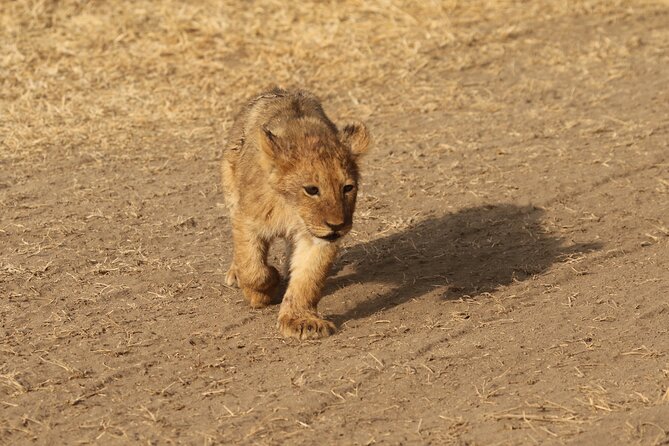
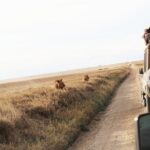
A lot of safaris try to do too much, then you spend half your trip transferring. This one is different because it stays inside a tight loop from Arusha across three well-known ecosystems. That means you’re not just collecting photos; you’re seeing how animals and terrain shift when you go from Tarangire’s open savanna look to Ngorongoro’s crater bowl, then over to Lake Manyara’s layered habitats.
The real value for you is focus. Three days is short, so “variety” needs to be more than marketing. Here, each day has a distinct theme: elephants and baobabs first, crater wildlife and predator odds second, and then birds, baboons, and the chance of tree-climbing lions on Day 3.
And because it’s camping, the trip keeps costs down while still giving you that classic safari feeling—off-road drives, open-air viewing, and sleeping close enough to the action that the whole day keeps going after the drive.
You can also read our reviews of more tours and experiences in Arusha.
Arusha pickup at Jevas Hotel EncoreTZ and your small-group pace
Your day starts at Jevas Hotel EncoreTZ in Arusha (Makao Mapya, Arusha 0255) with an 8:00 am departure. The itinerary is designed to end back at the same meeting point, which matters more than it sounds. On a short safari, you don’t want complicated transfers or confusing drop-offs eating your last hours.
The small-group limit (maximum six travelers) is a big deal for how the safari feels. In a bigger group, you’re often waiting your turn for the best viewing spots. With six people, you’re more likely to get better positioning and quicker communication—especially when guides are tracking animals across open terrain.
The tour is also described as private, meaning you won’t be mixed into a larger crowd with strangers. That helps your day stay smooth, and it usually makes it easier to ask questions without repeating yourself.
Day 1 in Tarangire: elephants, baobabs, and a calm landing at Twiga campsite
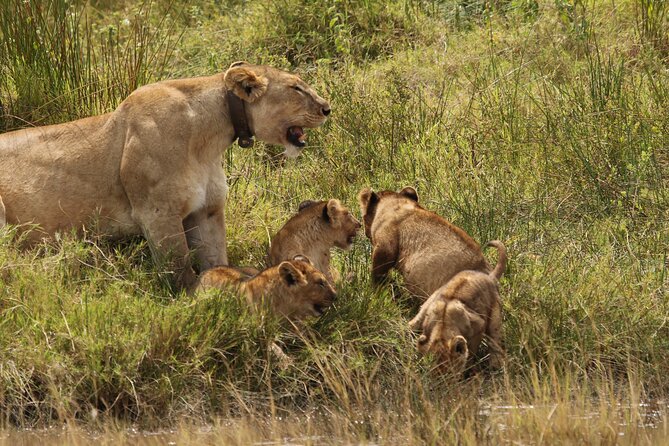
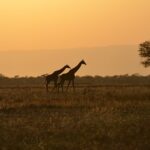
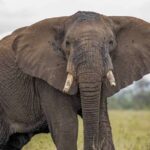
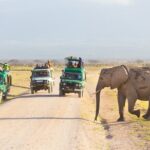
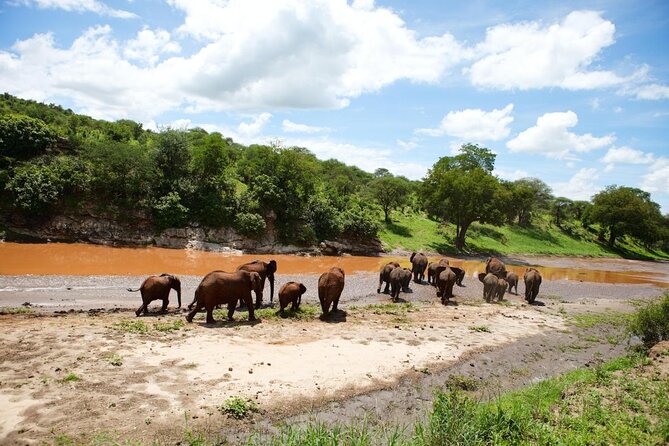
Day 1 is built around Tarangire National Park, starting after breakfast with a game drive plus a picnic lunch inside the park. Tarangire’s reputation isn’t random. It’s known for its huge elephant population and its signature baobab trees—those thick, sculptural giants that make the whole landscape feel older than time.
You’ll also be seeing a place connected to movement. Tarangire is described as part of an annual migratory cycle that can involve up to 3,000 elephants, 25,000 wildebeest, and 30,000 zebras (numbers given for the larger cycle). Even if you’re not there at peak movement, the park is set up to reward patient watching—because animals keep returning to water and feeding areas.
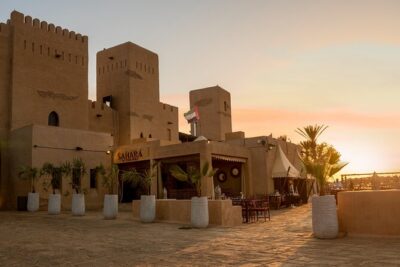
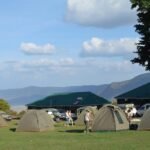
After the drive and picnic lunch, you head to Twiga campsite. The highlight notes it as a tree-shaded, central site, which is practical for two reasons. First, it’s nicer to relax when you’re between activities. Second, being central can help keep the day from turning into constant “where are we going next?” logistics.
Practical tip for you on Day 1: keep your focus wide. In Tarangire, animals can appear suddenly around water points and along paths between baobabs. Don’t spend the whole morning staring at one cluster of trees—let your guide’s spotting pull you around.
Ngorongoro Crater Day 2: the 600-meter drop, predator chances, and Lake Magadi
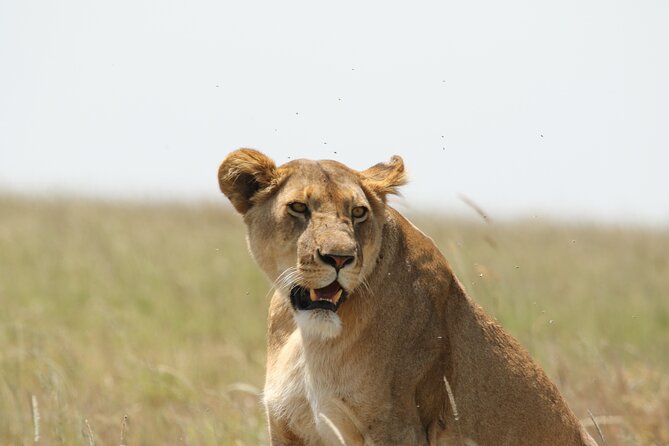
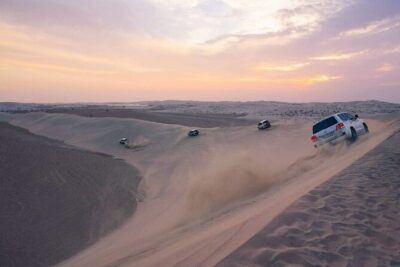
Ngorongoro Crater is where the trip earns its wow factor. You start early, then descend more than 600 meters into the crater for wildlife viewing. That elevation change matters because it creates a different micro-world. The tour notes that the crater has a year-round supply of water and fodder, which supports a broad variety of animals.
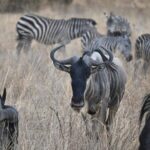
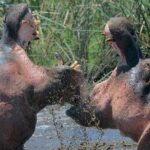
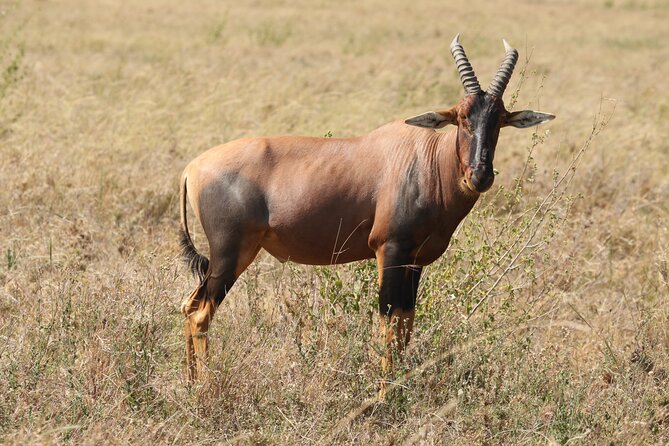
Expect a dense mix of species, including herds of wildebeest, zebra, buffalo, eland, warthog, hippo, and giant African elephants. That list is exactly why Ngorongoro is famous: you’re not chasing one animal for hours; you’re scanning a bowl that often holds multiple species at once.
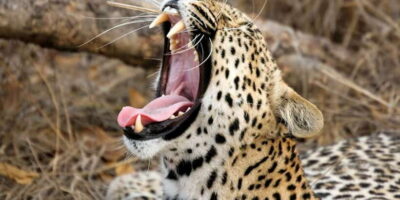
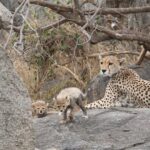
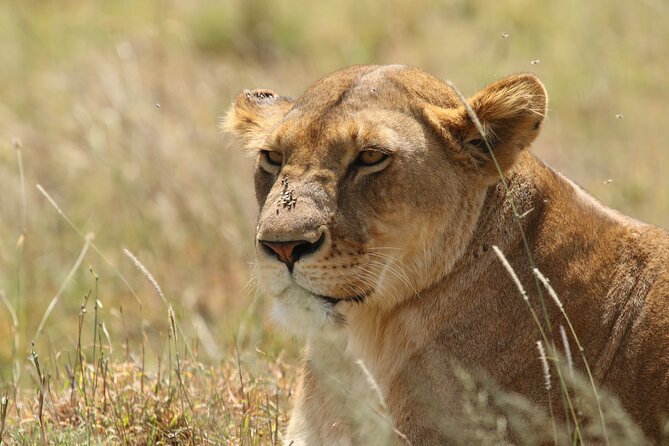
Then there’s the predator angle. The crater is described as having a dense predator population year-round: lions, hyenas, jackals, cheetahs, and the leopard (notoriously elusive). What you should take from that, as a practical matter, is that Ngorongoro can still surprise you—but you’ll need focus. A leopard sighting often comes down to patience and sharp observation in the shade and rocky edges where they like to hide.
The itinerary also includes a visit to Lake Magadi, described as a large but shallow alkaline lake in the crater’s southwestern corner. It’s one of those features that helps you understand the crater isn’t just grass and animals—it’s also water chemistry and terrain shape that influence where animals gather and how the ecosystem works.
One balanced expectation to keep in mind: with so many animals in one setting, it’s easy to spend too long parked in one spot. Ask your guide to keep moving intelligently. A good guide will balance rest stops with repositioning for sightlines and animal activity.
Lake Manyara Day 3: layered habitats, baboons, and tree-climbing lions
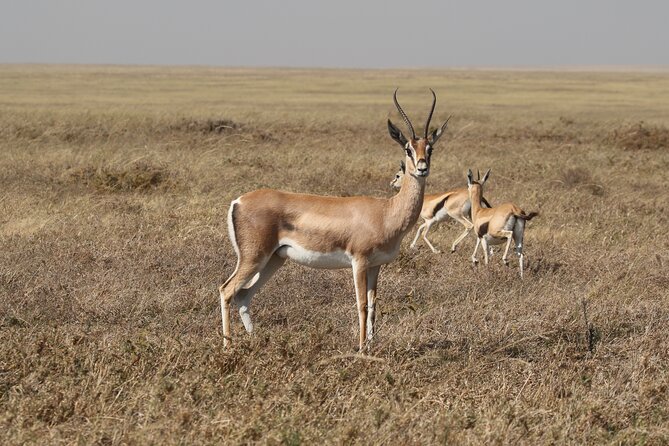
Day 3 shifts gears to Lake Manyara National Park, where you’ll find a mix of habitats that helps explain the park’s variety of wildlife and birds. The description is detailed: acacia woodlands, water forests, baobab-strewn cliffs, algae-streaked hot springs, swamps, and the lake itself.
This is the kind of park where your day can feel fuller even if you don’t see a single dramatic moment like a big kill. Habitat variety means you’re constantly re-mapping where animals might be. Birds change what you pay attention to too—so don’t limit yourself to just mammal spotting.
Two highlights matter especially here:
- Baboons: Lake Manyara is described as having the largest concentration of baboons anywhere in the world. That’s the type of fact that changes your whole drive. You’ll likely spot them repeatedly, and they’re often close enough to watch behavior rather than just spotting bodies in the distance.
- Tree-climbing lions: The lions here are renowned for climbing. That phrase can sound like a tall tale, but the itinerary flags it as part of the park’s draw, so it’s worth keeping an eye on trees and higher branches during scans.
If you’re the kind of traveler who likes “small surprises,” Day 3 is where that works. You’ll often see animals in unexpected places because the park’s structure invites it—trees, cliffs, and wetland edges create lots of angles for spotting.
Camping value: what included meals and a campsite location really do for you
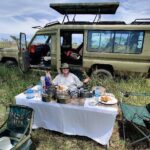
This safari keeps things simple with meals included: 2 breakfasts, 3 lunches, and 2 dinners. That’s a practical win. When food is handled, you don’t burn mental energy on hunting options between drives. It also means the timing stays cleaner, which is important because wildlife viewing is all about being in the right place at the right time.
The campsite is described as tree-shaded and central, which improves the “in-between” time. In a camping safari, that in-between time is real: it’s when you decompress, organize gear, review your photos, and get ready for the next long drive.
From the feedback you can use as a guide, the safari team can also make the camping part smoother. One review specifically praised cook Moussa for delivering delicious hot food, and that’s not a small point. In safari conditions, hot meals can be the difference between feeling fine and feeling worn out.
Also note what’s not included: tips for the safari guide and cook. If you’re used to tipping etiquette at home, keep it simple—set aside an amount in advance so it doesn’t turn into a last-day scramble.
Service that keeps the safari calm: communication, pickup, and team roles
The experience is run by Suricata Safaris. One of the most useful takeaways here is how communication helps during a short trip. A review singled out Hilary as very communicative, and that tends to mean fewer surprises around pickup timing and what to expect.
The driving team matters too. One review called out driver Lewis as knowledgeable and praised the pickup and dropoff back in Arusha as easy. On safari, “easy” is underrated. When transfers are smooth, you start each day less stressed—which helps you enjoy the viewing more.
Then there’s the cooking side. Again, Moussa was highlighted for hot, delicious meals. That tells you the camp isn’t treated like an afterthought. In practice, that usually means your basic needs are handled with more care than you’d expect at this price point.
Price and what you’re really buying for $700
At $700 per person for a 3-day small-group camping safari, you’re paying for access, park time, and in-park logistics—plus meals. For a budget-style safari circuit that covers three major parks, this is the kind of pricing that makes sense if you’re trying to see more without paying lodge rates.
Here’s what you’re effectively getting value for:
- Multiple parks in a short window (Tarangire, Ngorongoro, Lake Manyara)
- Camping accommodations instead of pricier lodges
- Meals included, which reduces your on-the-road spend and planning stress
- Guided driving with a small group, not a giant bus-style safari
Also, admission is listed as free in the provided activity notes. While park fees can be a major part of safari costs, the listing suggests they’re covered for these stops, which is exactly the kind of “hidden budget” you want to avoid.
The one cost you should plan for upfront: tips for the guide and cook. If you budget for that, the $700 price feels clearer and more fair.
Who this safari fits best (and who should look elsewhere)
This is a strong match if you want:
- A short safari that still includes big-name parks
- Small-group attention without the cost of a private lodge safari
- Camping with enough structure that you can focus on wildlife
It’s also a good fit if you’re comfortable with early starts and long drive days. You’ll have about six hours of safari time each day, so this is not a lazy vacation.
If you’re the type who needs comfort every minute—quiet luxury, private downtime, and minimal early mornings—then a lodge safari might suit you better. But if you want classic national park time and you’re okay trading some comfort for wildlife variety, this itinerary does the job.
Should you book the 3 Days Tarangire, Ngorongoro & Lake Manyara Group Camping Safari?
I’d book it if your priority is seeing three distinct ecosystems in a short window and keeping your cost under control. The small group size, included meals, and the focus on major wildlife settings make it a practical “best use of your time” kind of safari.
I’d pause if you hate camping or you dislike long full-drive days. The payoff is worth it for the right traveler, but this is still a safari rhythm: early mornings, lots of driving, and watching whenever the guide stops.
If you’re deciding right now, one simple checklist: pack light for camping comfort, plan a separate budget for tips, and set your expectations for wildlife viewing over fancy amenities. Do that, and this three-park circuit from Arusha is likely to feel like a smart, memorable use of your limited time in Tanzania.
FAQ
What parks are included in this 3-day safari?
You’ll visit Tarangire National Park, Ngorongoro Crater, and Lake Manyara National Park.
Where is the meeting point in Arusha?
The tour starts at Jevas Hotel EncoreTZ, Makao Mapya, Arusha 0255, Tanzania, and ends back at the same meeting point.
What time does the safari start?
The start time is 8:00 am.
How long is the safari?
It runs for about 3 days.
Is this safari a small group?
Yes. The group is limited to six travelers, and it’s described as a private tour/activity for your group.
What meals are included?
The tour includes breakfast (2), lunch (3), and dinner (2).
Are park admission tickets included?
The itinerary notes admission ticket as free for the listed activities.
What is not included in the price?
Tips for the safari guide and cook are not included.
How do I get the ticket?
You’ll receive a mobile ticket.
Can I cancel and get a full refund?
Free cancellation is available. You can cancel up to 24 hours in advance for a full refund. If you cancel less than 24 hours before the start time, the amount paid is not refunded.