REVIEW · ARUSHA
5-Day Ngorongoro Crater and Lake Manyara Safari from Arusha
Book on Viator →Operated by Cubs Expeditions Limited · Bookable on Viator
Five days through Tanzania’s big parks, tight and efficient. I like how this trip turns the route into a rhythm, with Tarangire game drives and a serious Ngorongoro Crater day built in. It’s also the kind of operation where the human side shows up in real names like Humphrey, with guides such as Eli and Lewis often credited for keeping the day moving and the animal-spotting on track.
I also like the no-drama approach to costs: park and activity fees are included, along with accommodation and your meals. That matters on a safari, because the math can get messy fast when you’re adding entries, lunches, and transport day after day. One consideration: you start early (6:00am) and the driving days are long, so this fits best if you like your adventure packed, not slow.
You’ll also be dealing with a mix of campsites and lodges, plus camping equipment. Reviews and the tour setup point to real camping nights in tents in some cases, so it’s worth knowing you’re signing up for the outdoors, not a spa resort vibe.
In This Review
- Key highlights before you commit
- Five parks, one efficient route from Arusha
- Day 1: Tarangire National Park and your first night at Jambo or Fanaka
- Day 2: Serengeti game drives via Naabi Hills Gate, finishing at Seronera
- Day 3: Sunrise searching in the Ngorongoro Conservation Area, then back toward Simba
- Day 4: Descending into Ngorongoro Crater for 6 hours of game driving
- Day 5: Lake Manyara flamingoes, underground water forest, and return to Arusha
- Price and what you avoid paying twice
- Accommodation and camping equipment: tents, campsites, and lodge nights
- Guides, cooking, and the real meaning of game drives
- Group size, daily pace, and who this safari fits
- Should you book this 5-day Cubs Expeditions safari from Arusha?
- FAQ
- Where does this safari start?
- What time does the tour begin?
- Are park fees included?
- What kind of accommodation is included?
- What’s not included in the price?
- Is free cancellation available?
Key highlights before you commit
- Park and activity fees included so fewer surprise add-ons
- Sunrise, day, and late-day game drives built into the schedule
- About 6 hours inside Ngorongoro Crater for one of the most concentrated wildlife areas in Tanzania
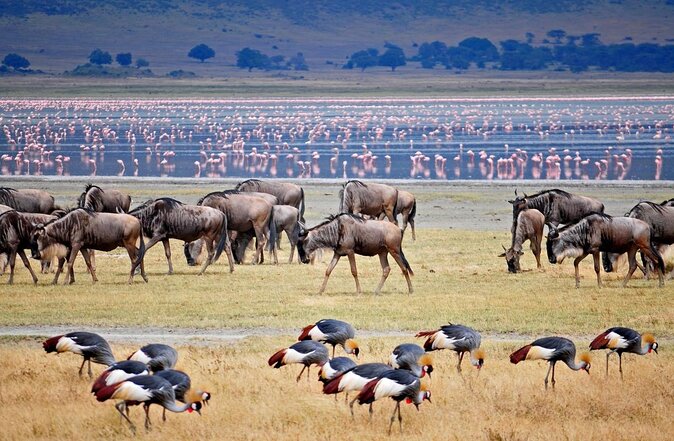
- Lake Manyara’s underground water forest and alkaline lake with flamingoes in season
- Accommodation at campsites and lodges, plus camping equipment
- Pickup and airport transfer built into the package, with a group size up to 50
Five parks, one efficient route from Arusha
This is a classic northern circuit safari, wrapped into a 5-day package that focuses on the big names: Tarangire, Serengeti, Ngorongoro Conservation Area and Crater, and Lake Manyara National Park. The value is in how the days are arranged to keep you in vehicles long enough to cover distance, but not so long that you only see scenery from the windshield.
The schedule leans on a simple safari truth: animals move when light and temperature change. That’s why you’ll see the tour mention sunrise drives, “sunshine” game drives, and also drives that push toward sunset. If you’re the type who thinks the best wildlife viewing happens at one perfect hour, this plan spreads your bets across the day.
You’ll also notice the trip is designed around fewer, more meaningful stops rather than dozens of tiny photo stops. Picnic lunch is built in on key driving days, and the pattern repeats: game drive, picnic, more driving, then dinner and sleep at a campsite outside the park or at a lodge-style setup.
If you care about comfort, the good news is meals and accommodation are part of the package. If you care about quiet time, the good news is there is downtime each night. The tradeoff is the safari is still a safari: expect early departures and long stretches on the road.
You can also read our reviews of more tours and experiences in Arusha.
Day 1: Tarangire National Park and your first night at Jambo or Fanaka
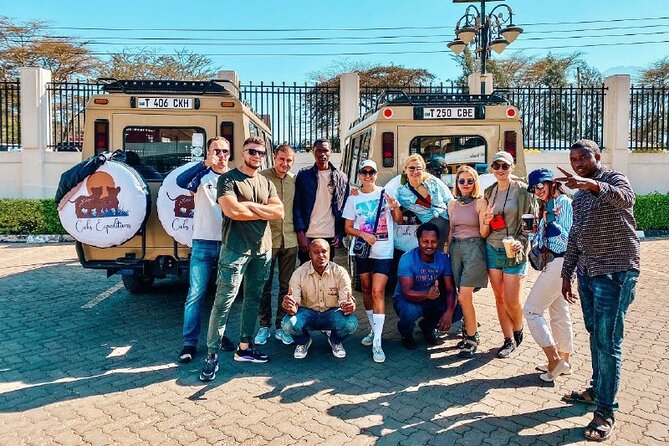
Your first morning starts early with pickup that’s set up around Arusha, and the day immediately goes into Tarangire National Park game driving. The tour includes a picnic launch-time meal, then you continue with your game drive before heading back to camp for dinner and overnight.
One detail I like here is that the campsite is described as being outside Tarangire for more than 30 minutes. That usually means less rushing at nightfall and a clearer break between park time and rest time. It also sets expectations: you’re not sleeping inside the park with zebra at your tent flap, but you are still close enough to feel the wildlife season in the air.
Dinner and overnight are at Jambo campsite or Fanaka campsite. If you’re comparing safari styles, this is the practical middle ground: you get the outdoors and the logistics are handled (sleeping arrangements, transport, and meals), while the pace is still reasonable for Day 1.
What to watch for on Day 1 is not just animals, but the rhythm. Tarangire is your warm-up for safari driving: learn the pace of stops, get used to the way guides position the vehicle for sight lines, and get your body ready for the repeated pattern over the next four days.
Day 2: Serengeti game drives via Naabi Hills Gate, finishing at Seronera
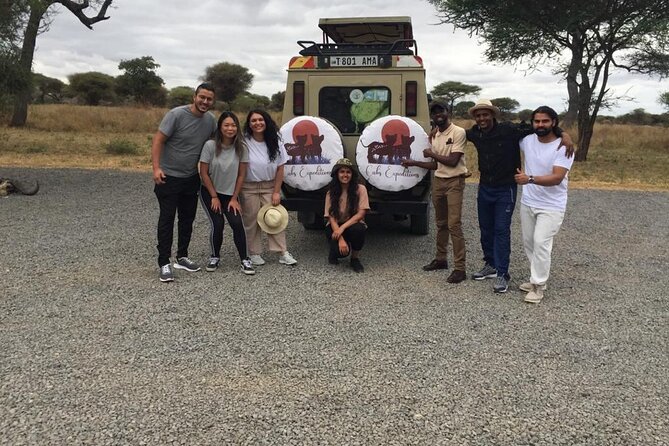
Day 2 shifts you from Tarangire to Serengeti National Park, and the route passes through the Ngorongoro Conservation Area on the way. That matters because it turns the transit into part of the wildlife experience rather than dead time.
A specific moment in the day is the stop at Naabi hills gate. Then you’ll have lunch and continue with what the tour calls a sunshine game drive, aiming toward sunset. After that, you drive to Seronera campsite for dinner and overnight.
Seronera is important because it’s your base for Serengeti game viewing during the trip’s busiest wildlife stretch. And the timing is built for that classic Serengeti pattern: late afternoon and evening are when many animals become easier to spot in open areas, and it’s often when the light makes everything feel more alive.
The practical upside of this day is that it gives you two different “modes” of viewing: daytime and late-day. The practical downside is simple: you’ll spend a lot of time moving between positions in the park and then heading out to the campsite afterward. If you get carsick easily, this is the day to be honest with yourself, because the itinerary packs driving into both morning and late afternoon.
Day 3: Sunrise searching in the Ngorongoro Conservation Area, then back toward Simba
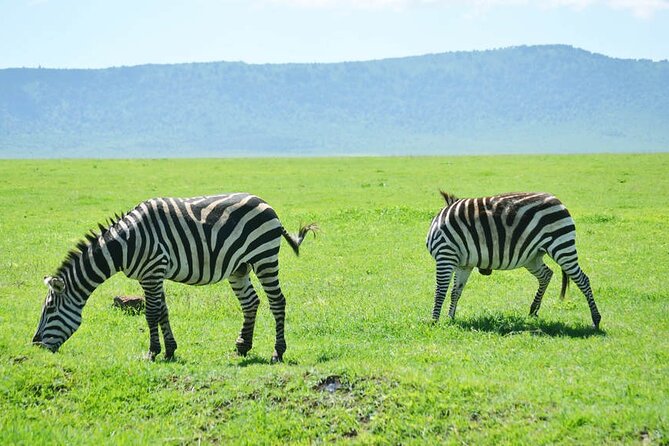
Day 3 starts with early morning game driving with sunrise, then goes through the day’s second viewing session. After the sunrise drive, you go back for lunch, and then the plan keeps you moving through game drive time again while working back toward Ngorongoro simba campsite for dinner and overnight.
That structure can feel a bit like a zigzag on paper, but the intent is clear: don’t waste daylight. Sunrise viewing is different from midday viewing, and predators can be easier to track with that early light. The tour schedule also suggests you’re not locked into one area all day; you’re repositioned as the safari day unfolds.
One thing I appreciate in the way this is set up is that you don’t just do one major drive and call it a day. You get morning searching, then more driving later. It’s an effective way to increase your chances across different animal behaviors.
The main consideration on Day 3 is mental stamina. You’ve had Tarangire, you’ve hit Serengeti in multiple light conditions, and now you’re doing another sunrise start plus more driving. For me, this is where good organization matters. The reviews attached to this operator often credit that kind of coordination to people like Humphrey, plus guides named Eli, Freddy, Lewis, and Amani—so you want a team that can keep timing tight without turning the ride into chaos.
Day 4: Descending into Ngorongoro Crater for 6 hours of game driving
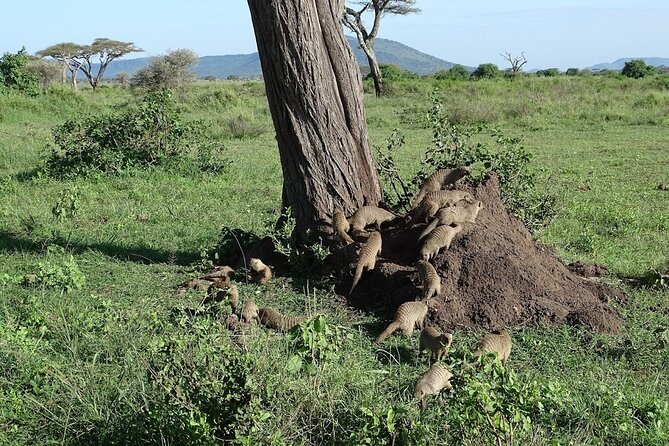
Day 4 is the headline day: you descend to Ngorongoro Crater for a long 6-hour game drive, with picnic lunch included.
Ngorongoro Crater is one of those places where the wildlife density is the point. You’re not searching endlessly across flat distances; you’re working within a contained ecosystem where you’re more likely to see animals close together. That’s why the tour gives you several hours inside rather than a quick hit.
The rest of the day is structured to keep things manageable after the crater experience. After the crater drive and picnic lunch, you drive back to camp, described as being outside the park by more than 30 minutes, for dinner and overnight. That gives you space to decompress and sleep after a day that tends to be mentally intense—good viewing usually means a lot of stopping, scanning, and reacting quickly.
This is also a day where your guide’s skill really matters. Reviews mention guides that speak good English and know their way around animal behavior. In your case, the aim is simple: get you positioned for the best chances without rushing you through what can be a very productive experience.
If you’re visiting for one bucket-list moment, this is the one day you should treat like a priority. Try to be flexible emotionally if sightings come in bursts. Ngorongoro rewards patience, and six hours gives you that window.
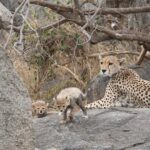
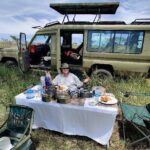
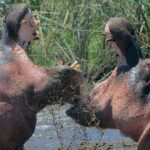
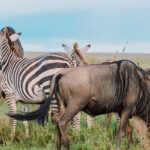
Day 5: Lake Manyara flamingoes, underground water forest, and return to Arusha
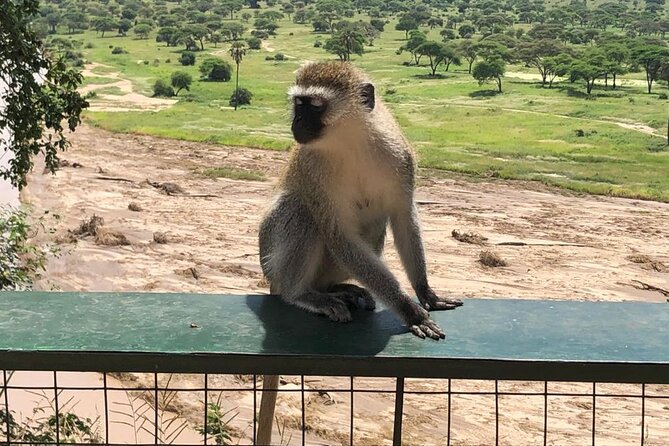
On Day 5 you head to Lake Manyara National Park for game drives in the park, with about a half day of viewing time. The tour highlights underground water forest and an alkaline lake where you can see thousands of flamingoes at certain times of the year.
That flamingo timing detail is the key thing to understand before you go. It’s not a 100 percent guarantee year-round, because the sightings are seasonal. If flamingoes are your top goal, ask your operator what months are best for sightings in Lake Manyara when you book.
You’ll have a picnic lunch during the park time, then in late afternoon you drive back to Arusha for drop-off around 5:00pm to 6:00pm. That’s a surprisingly helpful finish. You’re not stuck in “safari limbo” until midnight, and it means you can plan a proper evening meal back in town.
From a travel-feel standpoint, Day 5 often lands as the most relaxed day because you’re not doing a crater-level long drive inside a single ecosystem and you’re finishing with a clean return. It’s also your best day to compare what you’ve seen across parks: Serengeti’s open plains energy versus the more specific, water-driven spectacle at Lake Manyara.
Price and what you avoid paying twice
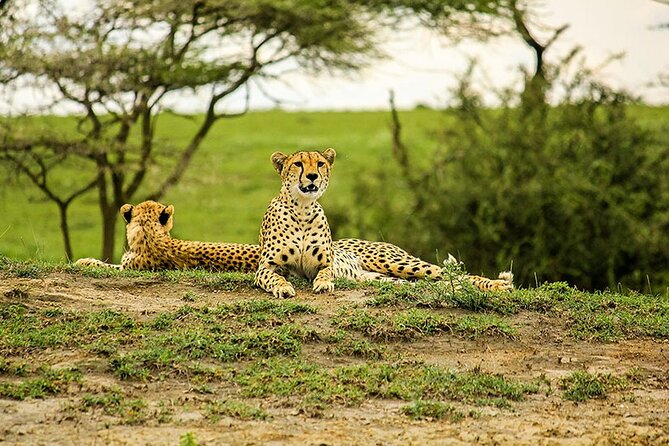
The price is $1,150 per person for a 5-day safari, and the big value point is what’s included. Your package lists park fees, all activities, all accommodation, camping equipment, a professional driver/guide, all transportation, roundtrip airport transfer, mineral water, and the full meal plan: 5 breakfasts, 5 dinners, and 5 lunches.
That inclusion list matters more than people expect. On many safaris, you budget for the driving and then discover the real costs stack up in park entry fees, picnic lunches, and other add-ons. Here, you’re paying for a bundle that covers the moving parts, so you can focus on choosing a good fit rather than building a spreadsheet.
What’s not included is also clearly stated: personal items, tips, and international flights. For planning, that means you should still set aside money for the human side of the trip (tips) and for your own stuff (water, sunscreen, snacks, phone needs). If you’re used to traveling with a lightweight budget, this safari is one of the rare cases where “what’s included” helps you avoid surprise math.
The max group size is listed as 50 travelers, and you also have the option of group discounts. In practice, this usually means you’re sharing the logistics and vehicle time, not paying for a full private safari experience. You should pick this trip when you’re okay with a group rhythm and you want value more than maximum space.
Accommodation and camping equipment: tents, campsites, and lodge nights
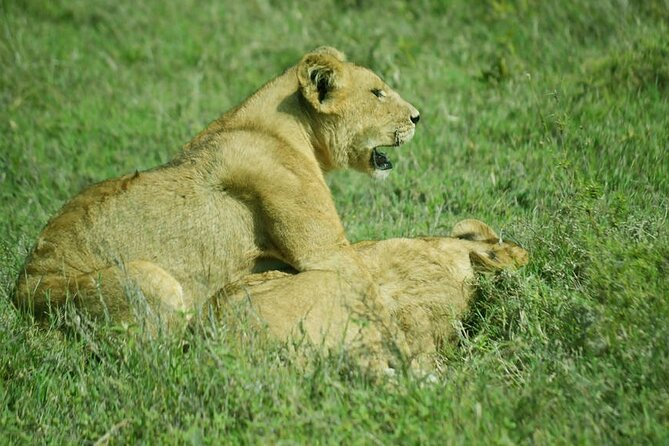
This safari supplies accommodation via campsites and lodges, and it includes camping equipment. Your nights are tied to named campsites in the route, including Jambo campsite, Fanaka campsite, Seronera campsite, and the Ngorongoro simba campsite area.
In the reviews associated with this operator, you’ll see confirmation that camping nights can be part of the experience, including tent sleeping in the Serengeti area. You may even wake up with wildlife activity close to camp. One review mentions zebra, hippo, baboons, and even an elephant appearing near camp during camping nights. That’s not something you can demand, but it shows the style of environment you might experience.
So what should you expect in practical terms? You’ll have your meals handled and the base camp is organized. What you might need to handle yourself is comfort management: layers for early mornings, a flashlight/headlamp, and anything you personally need for hygiene beyond what the package provides.
The campsites being outside parks by more than 30 minutes helps explain the overnight setup. You’re not inside the immediate wildlife corridor all night, but you’re still in safari country, with sounds and activity that can be part of the magic for the right kind of traveler.
Guides, cooking, and the real meaning of game drives
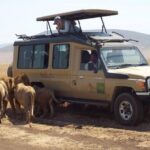
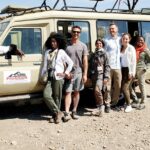
A safari lives or dies on the guide and driver. This tour lists a professional driver/guide, and reviews give you names you can look for when you book through Cubs Expeditions. People mention guides like Eli, Freddy, Lewis, and Mr. Amani, with Humphrey credited for fast communication and solid coordination.
On top of that, reviews frequently mention the cook by name: Ben. That might sound like a small detail, but food can make or break a long driving day. When you’re doing sunrise starts, multi-hour drives, and crater time, you don’t want bland meals. Reviews mention hot lunch and good meals throughout the trip, which is exactly what you want when the day starts before your phone has fully loaded.
As for animal viewing, this trip does something smart with time. You get:
- sunrise searching for predators and early activity,
- daylight positioning for sightings across open country,
- sunshine and sunset drives for the changing behavior of animals.
If you go in expecting one perfect view, you’ll miss the point. The game drive format here is about increasing your odds across the full day, not treating each hour like it’s a single coin flip.
Group size, daily pace, and who this safari fits
This is a group safari with a maximum of 50 travelers. You’re not going solo with a personal guide in a private vehicle, so you’ll need to be comfortable with shared logistics: vehicle coordination, scheduled picnic stops, and time windows that match the group.
The schedule itself is packed. You start around 6:00am, and multiple days include long drives plus park time. This is great for efficient travelers who want to check off several Tanzania highlights without losing days to transportation.
This trip fits you if:
- you want a strong overview of Tarangire, Serengeti, Ngorongoro, and Lake Manyara,
- you like sunrise and late-day viewing enough to accept early starts,
- you want the budget help of park fees, meals, and accommodation included.
It may not fit you if:
- you want slow travel and lots of downtime in between,
- you get uncomfortable with camping-style nights,
- you’re ultra-sensitive to long driving hours.
Should you book this 5-day Cubs Expeditions safari from Arusha?
If you want the Tanzania classics in one tight package, this is a strong pick. The biggest reasons I’d lean yes are simple: park fees and meals are included, you get multiple game drive time windows, and the company has a reputation for organized communication and on-the-ground delivery with guides and support staff named in reviews.
I’d book it when you’re realistic about the pace. This is not a leisurely weekend. It’s five days of moving, watching, eating, sleeping, and doing it again. If you can handle that rhythm, you’ll likely feel like your time in Tanzania was used well.
Before you commit, do one quick check: if you care most about flamingoes, ask what time of year gives you the best Lake Manyara odds. Everything else here is structured to maximize your chances across the big wildlife hubs.
If that seasonal question lines up and you’re good with early mornings plus campsite nights, this is an efficient, good-value way to experience Ngorongoro Crater and Lake Manyara without getting stuck juggling fees and logistics.
FAQ
Where does this safari start?
It starts at Arusha Airport, Arusha, Tanzania.
What time does the tour begin?
The start time is listed as 6:00am.
Are park fees included?
Yes. Park fees are included, along with all activities.
What kind of accommodation is included?
Accommodation is provided through campsites and lodges, and the tour includes camping equipment.
What’s not included in the price?
It does not include personal items, tips, or international flights.
Is free cancellation available?
Yes. You can cancel for a full refund if you cancel at least 24 hours before the experience’s start time.