REVIEW · ARUSHA
5-Day Private Northern Tanzania Safari from Arusha
Book on Viator →Operated by Gosheni Safaris (T) Limited · Bookable on Viator
Five days, three parks, one big wildlife story.
This private northern Tanzania safari ties together Tarangire National Park, Serengeti, and the Ngorongoro Conservation Area with round-trip transport from Arusha, plus a true focus on getting you good sightings. You’re out in the vehicles most of the day, and the plan is built around classic highlights like Tarangire elephants and Serengeti’s Great Migration timing.
What I like most is the full-service rhythm. You get meals and accommodation included, and the lunch setup is handled so you can actually watch wildlife instead of bouncing between logistics. The other big win is that park fees are included, so you’re not doing the add-on math mid-trip.
One consideration: the Great Migration parts of the itinerary are a best-odds plan, not a guarantee. If your dream is a very specific migration moment, you’ll need some flexibility—this is wildlife, and animals set the schedule.
In This Review
- Key Highlights I’d Not Skip
- Why This 5-Day Northern Circuit Works From Arusha
- Day 1: Tarangire National Park and the Elephant Factor
- Day 2: Serengeti Afternoon Drives for Great Migration Timing
- Day 3: Full Day Serengeti for Big Cats and the Big Five
- Day 4: Central Serengeti to Ngorongoro Conservation Area
- Day 5: Ngorongoro Crater Full-Day Tour and Lake Magadi
- Food, Comfort, and the Safari-Table Lunch Approach
- Price and Logistics: What Your Money Covers
- Your Guide Matters: Calm Driving and Fast Spotting
- Who This Safari Fits Best (and Who Might Want a Different Plan)
- Should You Book This Private Safari?
- FAQ
- What parks are included in this safari?
- What time does the tour start?
- Is this a private tour?
- What is included in the price?
- Are airport transfers from Arusha included?
- What happens if weather is poor or I cancel?
Key Highlights I’d Not Skip
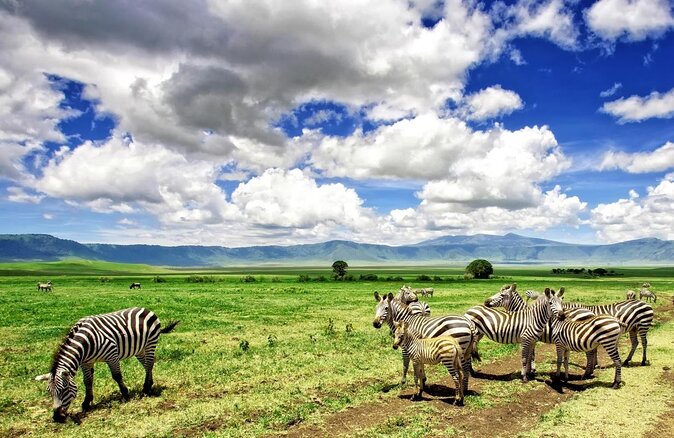
- Tarangire’s off-the-main-route feel plus famous elephant sightings
- Serengeti Great Migration timing built into afternoon and full-day drives
- Ngorongoro Crater full-day tour with game drives later in the day
- Private tour flow so your guide can adjust to what’s happening
- All park fees included, alongside lodging and most meals
- Guides named in past trips like Laban, Eonck, Rahim, Samir, Daudi, Andrew Steven, William, and Calvin
Why This 5-Day Northern Circuit Works From Arusha
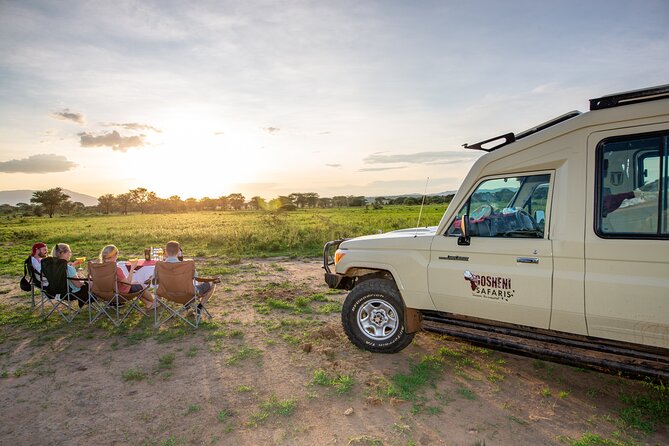
A 5-day route through northern Tanzania can either feel rushed or feel like you got the “big picture.” This one lands in the sweet spot by doing fewer park regions, but doing them properly. You start from Arusha at 8:00 am, then move through the circuit in a logical order: Tarangire first, then Serengeti, then Ngorongoro.
The private setup matters more than people think. Instead of squeezing your day around a group timetable, your guide can choose viewing spots based on what’s happening right then. That flexibility is what helps most on safari days when animal movement changes minute to minute.
Also, this tour is built around included costs. You’re covered for park entrance fees, accommodations, and transport between parks, which is huge for budgeting. The itinerary keeps you focused on seeing wildlife rather than tracking paperwork.
You can also read our reviews of more tours and experiences in Arusha.
Day 1: Tarangire National Park and the Elephant Factor
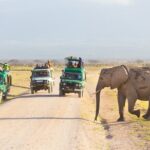
Tarangire National Park is often treated like a quick stop by people chasing the big names. Here, you get a full day game drive, and that extra time is where the magic usually shows up. Tarangire is known for its elephant presence, and it also has a quieter, more authentic safari atmosphere than the parks that feel constantly on spotlight.
What makes Tarangire a strong opening day is variety. You’re not just sitting and waiting for one kind of animal. The park is also highlighted for birding, and elephants tend to draw you into wider scenes—feeding, walking routes, and family dynamics that you can’t really “rush.”
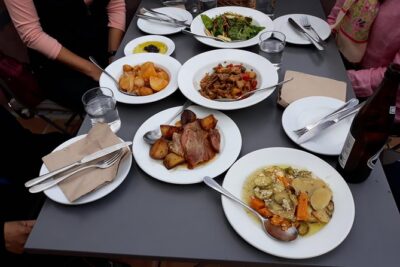
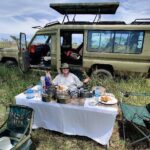
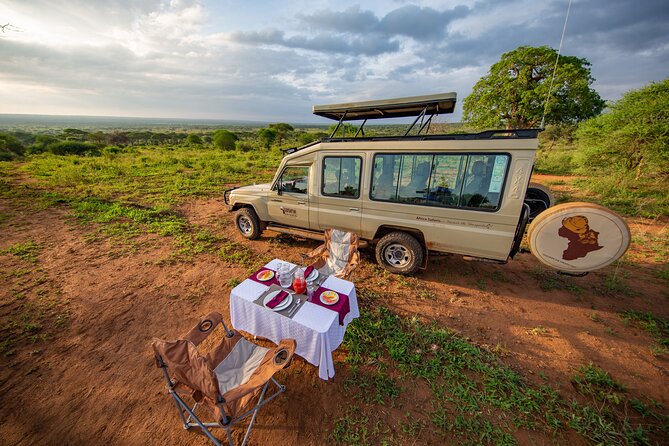
Lunch is timed for the field. Your driver sets up a hot meal at a viewing spot (soup, bread rolls, a main dish, and fruits salad), then you’re back out for more game viewing. That “table with food” style can be a surprisingly big comfort when you’re out for hours.
Day 2: Serengeti Afternoon Drives for Great Migration Timing
On day two, you head into Serengeti with a specific goal: try to catch the Great Migration. The plan focuses on an afternoon game drive, which is smart. Late day light often makes spotting easier, and animals frequently become more active as the day shifts toward evening.
Serengeti also comes with a second advantage: you’re not dependent on one single event. Even when the Migration is not showing in the exact way you imagined, Serengeti is still strong for other wildlife. The itinerary leans into that balance by pairing the Migration attempt with time in the park when other resident wildlife can be found.
You’ll feel the difference between “private” and “shared” safari logistics. The day includes a point where you may meet other guests from other companies, especially around common viewing areas. Even then, the core experience stays private—your guide is choosing where you go, and your service style stays built around a more complete safari meal-and-break rhythm.
Day 3: Full Day Serengeti for Big Cats and the Big Five
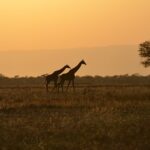
This is your long wildlife day. After breakfast, it’s a full day game drive in Serengeti, aimed at finding big cats and the Big Five. The way the day is staged gives your guide room to search rather than sprint between distant points.
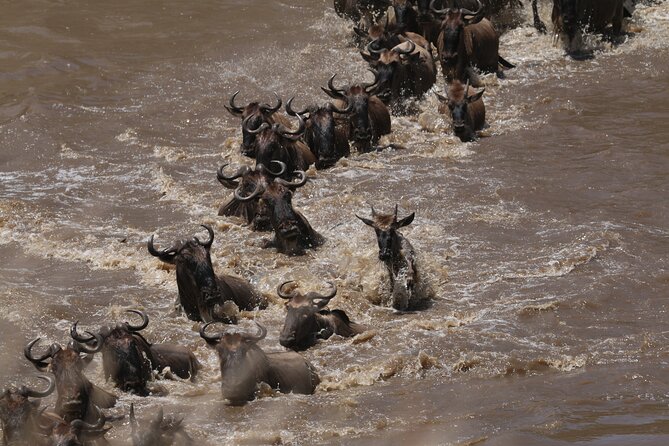
There’s also a built-in appreciation for the Migration cycle that helps you understand what you’re seeing. You’ll be out in the park during the season when wildebeest movement matters, and the explanation around the migration rhythm helps connect the dots: territorial activity, long crossings, and the birth-and-repopulation side of the story.
Even if you don’t see a single dramatic crossing moment, a full day in Serengeti gives you something just as valuable: more chances at predators. Big cats can be unpredictable. Longer hours mean better odds, and it also means you can wait when something looks promising instead of always moving immediately.
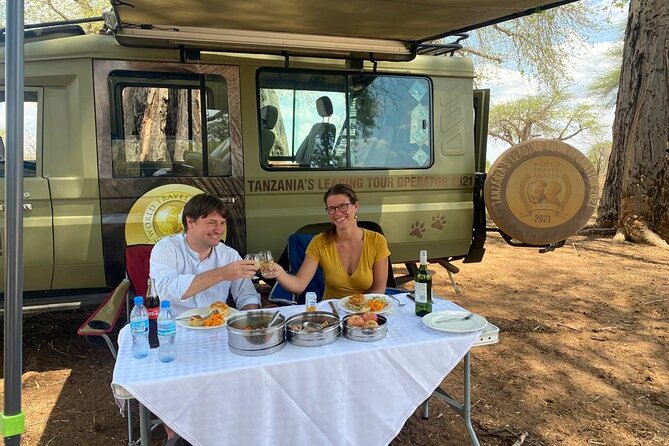
Lunch again is handled in-field with hot food and a proper break (soup, bread rolls, main dish, fruits salad, plus tea or coffee; wine may be included depending on preference and setup). Then it’s back out until late afternoon, followed by dinner and overnight at your lodge or camp.
Day 4: Central Serengeti to Ngorongoro Conservation Area
Day four keeps the Serengeti focus—this time in central areas—before shifting you toward Ngorongoro. After breakfast, you’re out searching again for big cats and the Big Five. This repetition isn’t accidental. It’s how you turn “one good park day” into “a higher chance of multiple great sightings,” especially for predators.
Late afternoon is when the day changes. You drive toward Ngorongoro, check in for dinner and overnight, and that timing sets you up well for a crater day on day five. Ngorongoro is a different kind of habitat, so getting there with enough rest matters.
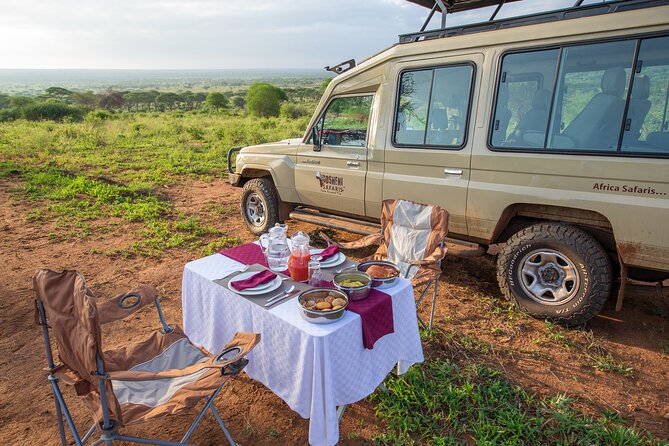
One detail I really like here is that the tour keeps meals and breaks structured instead of letting them slip into chaos during park transitions. You still get that hot lunch service setup during the drive day, then you’re moving before dinner time.

Day 5: Ngorongoro Crater Full-Day Tour and Lake Magadi
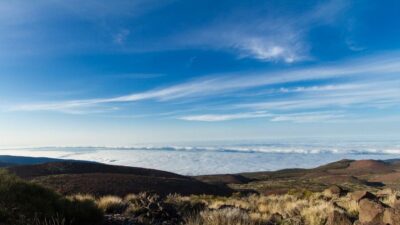
Ngorongoro Crater is the reason many people plan a northern Tanzania trip at all. It’s described as a volcanic caldera with steep walls and a huge area that wildlife can use like a natural stage. You’ll have a morning game drive in the crater, then a full-day crater tour approach, plus additional game drive time later in the day.
The itinerary also points you toward Lake Magadi. That matters because it adds texture to the crater day beyond just spotting animals near the rim. Lake Magadi is described as an alkaline lake, and even when you’re focused on wildlife, having a named location helps you anchor what you’re seeing.
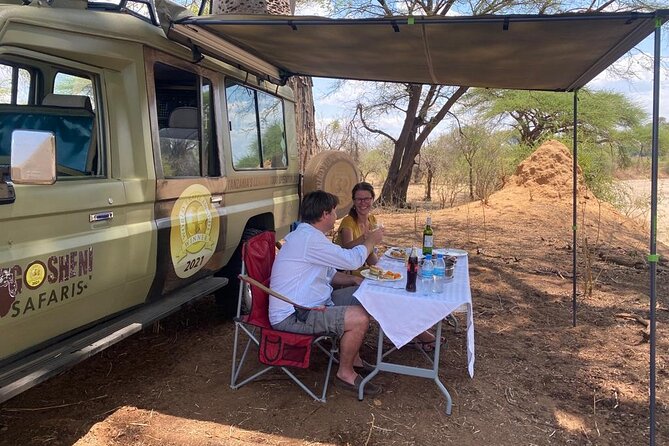
Lunch is set up under your car shade, which is exactly the kind of practical comfort you want on a full crater day. After lunch, you continue game drives until late afternoon, then it’s the drive back to Arusha for airport drop-off.
This final day has a feel-good arc: you’re finishing in one of the most concentrated wildlife areas in Tanzania, with enough hours inside the crater to make it feel like a real experience rather than a quick peek.
Food, Comfort, and the Safari-Table Lunch Approach
Most safari costs are really about logistics: vehicles, guiding, park access, and lodging. Where this tour feels extra polished is how it handles meals while you’re out in the field.
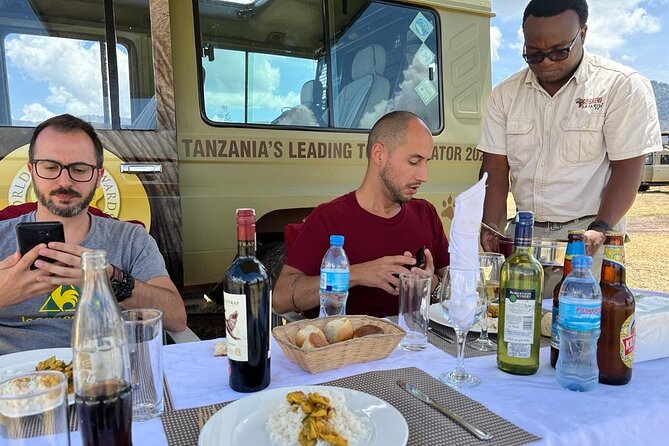
The included lunch format is very specific: soup, bread rolls, main dish, fruits salad, and a drink option like tea and coffee (and wine is mentioned as part of the setup). You’re not just eating a sad snack in a hurry. Your driver sets up the table, and the break is treated as part of the safari day.
That matters because it keeps your energy steady. Long game drives can add up fast, and when meals are included and handled, you avoid the typical safari trap of spending half your day hunting down snacks and then losing game time.
Accommodation is included too, and at least one past trip specifically praised the stay at The Castle in Ngorongoro mountains. I can’t promise that specific property is always used, but it’s a good sign that the tour can land in comfortable, crater-adjacent lodging.
Price and Logistics: What Your Money Covers
At $2,780.00 per person for about 5 days, this is not a budget safari. The value comes from what’s bundled.
Here’s what the price covers based on the tour details:
- Round-trip transportation from Arusha
- Park entrance fees for the parks you visit
- All accommodations
- Meals: 5 lunches, 4 breakfasts, and 4 dinners
What’s not included:
- Airport or departure tax
When you compare safari pricing, the park fees and transport usually add up fast, especially with multiple parks. Also, a private tour means you’re paying for your own guide and your own vehicle time rather than splitting costs across a larger group. If you want a calmer, more flexible daily rhythm, that’s where the extra spend tends to make sense.
One more practical point: the tour is commonly booked about 183 days in advance. That suggests the route and private setup are in demand, so I’d treat it as a “plan it early” kind of itinerary.
Your Guide Matters: Calm Driving and Fast Spotting
On this kind of safari, a guide can turn good luck into repeated sightings. The strongest praise in past trips centers on guides being calm, professional, and genuinely good at finding wildlife.
Names that come up repeatedly include:
- Laban (praised for animal knowledge and making the trip unforgettable)
- Eonck (praised for professional, kind, calm guiding)
- Rahim (praised for making the journey unforgettable from start to finish)
- Samir (praised for deep wildlife knowledge and picking strong viewing spots)
- Daudi (praised for patience, expertise, and taking people off the beaten path)
- Andrew Steven (praised for spotting rare animals and big cat luck, including rhino sightings)
- William (praised for an excellent overall experience in Serengeti/Ngorongoro)
- Calvin (praised for knowing where and when to go for the best views, plus strong communication)
That list isn’t just name-dropping. It signals what to look for if you’re chatting with the operator: ask how your guide handles changing sightings and how they plan vehicle positioning for predator chances. A guide who’s comfortable making decisions in real time can save your day when an animal appears where you didn’t expect.
There is also at least one less-than-perfect review in the overall record, tied to the operator rather than the animal game plan. I can’t add specifics that aren’t provided, but it’s a good reminder: confirm the details you care about before departure—lodge names, timing expectations, and any requests—so you start the safari aligned.
Who This Safari Fits Best (and Who Might Want a Different Plan)
This tour fits best if you:
- Want the Northern Circuit in 5 days without bouncing around endlessly
- Like the idea of private guiding and having your day shaped by sightings
- Value knowing what’s included: park fees, meals, and accommodations
- Are aiming for Tarangire elephants, Serengeti predator chances, and a full crater day in Ngorongoro
It may feel like a lot if you prefer slow travel with lots of downtime. The days are structured around early starts, long game drives, and crater time. If you get tired from all-day vehicle time, you might consider a shorter safari or a less park-heavy route.
Also, if your Great Migration goal is ultra-specific, keep expectations flexible. The itinerary is designed for that timing, but wildlife moves on its own schedule.
Should You Book This Private Safari?
If your priority is a classic northern Tanzania circuit with included park fees, included lodging, included meals, and a private guide who’s praised for calm, skilled driving, I’d say this is a solid booking choice. The itinerary gives you repeated Serengeti searching, then seals the deal with a full Ngorongoro crater day.
I’d book it especially if you’re the type who wants to understand what you’re seeing, not just drive past it. The way the days are structured around breaks, hot lunch service, and full-day driving makes it easier to stay focused on spotting.
Just go in knowing one thing: Great Migration moments depend on the animals. If you can accept that and still want Serengeti big cats plus Ngorongoro crater wildlife, this tour is built for you.
FAQ
What parks are included in this safari?
You’ll visit Tarangire National Park, Serengeti National Park, and the Ngorongoro Conservation Area, with a crater tour on the final day.
What time does the tour start?
The start time is listed as 8:00 am.
Is this a private tour?
Yes, it’s described as a private tour/activity, meaning only your group participates.
What is included in the price?
The tour includes airport transfers as specified in the itinerary, park entrance fees, all accommodations, and meals: 5 lunches, 4 breakfasts, and 4 dinners.
Are airport transfers from Arusha included?
Yes. Round-trip transportation from Arusha is provided, and airport transfers are included as specified in the itinerary.
What happens if weather is poor or I cancel?
The experience requires good weather. If it’s canceled due to poor weather, you’ll be offered a different date or a full refund. Free cancellation is available up to 24 hours in advance for a full refund.