REVIEW · ARUSHA
5 Days 4 Nights Tarangire, Serengeti , Ngorongoro & Manyara Wildlife Safari
Book on Viator →Operated by Migration Venture Africa Ltd · Bookable on Viator
Four parks. Five days. Big-animal drama.
This safari is built for easy planning, with pickup in Arusha and a private 4×4 that keeps you focused on spotting wildlife instead of juggling logistics. You’ll move from Tarangire to Serengeti, then into the Ngorongoro crater region, and finish at Lake Manyara for a different kind of safari feel.
What I really like is the mix of habitats. Tarangire’s elephant and bird life can feel special even before you reach the headline parks. And in Serengeti, the early-morning rhythm (with a sunrise moment on the plains) fits how animals actually behave—less waiting, more action.
The main thing to consider is that this route is packed. Expect early starts and long stretches in the vehicle, which is part of safari life, but it helps to be mentally ready for a busy schedule.
In This Review
- Key Things to Know Before You Go
- The Big Picture: What This 5-Day Route Really Delivers
- Day 1: Tarangire National Park and the Elephant-Bird Mix
- Day 2: Riding Into Serengeti and Feeling the Scale
- Day 3: Serengeti Full Day, Sunrise Energy, and Optional Balloon Hours
- Day 4: Ngorongoro Crater Descent and Lake Magadi Views
- Day 5: Lake Manyara’s Flamingos, Five Zones, and a Slower Finish
- Price and Value: Why $2,600 Can Make Sense Here
- Guides, Organization, and the Human Side of Safari
- How This Trip Fits You (and Who Might Want a Different Option)
- Should You Book This 5-Day Safari?
- FAQ
- What’s included in the safari price?
- Do I get pickup from Arusha?
- Are park tickets included?
- What extra activities cost more?
- What should I budget for that’s not included?
- Can I cancel and get a full refund?
Key Things to Know Before You Go
- Private 4×4 vehicle for your group means you’re not squeezed into someone else’s pace.
- Four parks across five days keeps the trip exciting without long, empty downtime.
- Serengeti for the Great Migration story with an option for an early morning balloon safari (extra cost).
- Ngorongoro Crater includes a Lake Magadi stop once you descend to the crater floor.
- Lake Manyara brings flamingos and five vegetation zones in a smaller area than the big parks.
- Full-board value: meals and park fees are included, with drinks and tips as the main extras.
The Big Picture: What This 5-Day Route Really Delivers
This safari is designed like a checklist that still leaves room for surprises. You get a tight circuit through the major Tanzania wildlife stops—Tarangire National Park, Serengeti National Park, Ngorongoro Crater, and Lake Manyara National Park. The payoff is variety. Each area has a different “look,” different animal patterns, and a different way wildlife shows up.
The private setup matters more than it sounds. A private guide and custom-built 4×4 means you can spend time where the animals are, not where a group must be for schedule reasons. And because it’s just your party, you avoid the awkward math of shared turns, shared viewing time, and shared patience.
You also get a full package feel: accommodation and meals are included, and all fees and taxes are covered. That’s the kind of value that helps on safari, because you’re already paying for flights, time, and gear. Here, you’re not constantly counting add-ons once you land.
One more smart point: the route includes two UNESCO World Heritage areas. Even if you ignore the labels, those places tend to have the kind of ecosystems that make wildlife watching work. You’re aiming at quality habitat, not just a stop on a map.
You can also read our reviews of more tours and experiences in Arusha.
Day 1: Tarangire National Park and the Elephant-Bird Mix
Day 1 starts with an early breakfast, then pickup in Arusha around the morning window, followed by the drive to Tarangire. The route is about 120 km on tarmac to reach the park, which means you’re not instantly bouncing around before your first game drive.
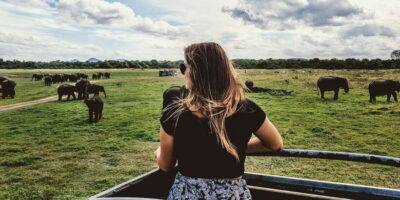
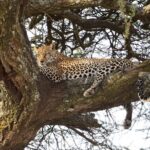
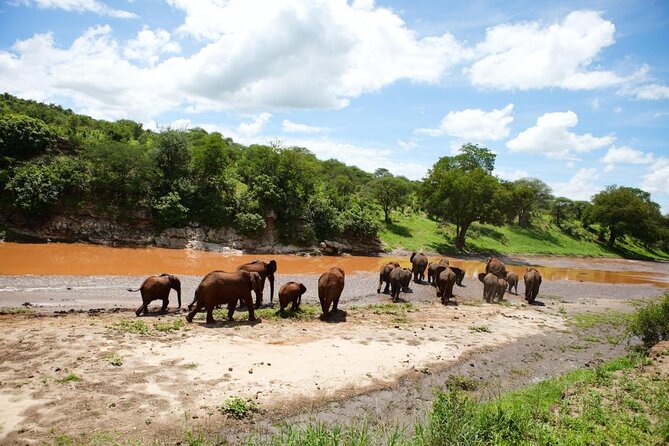
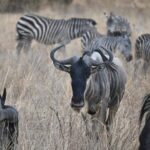
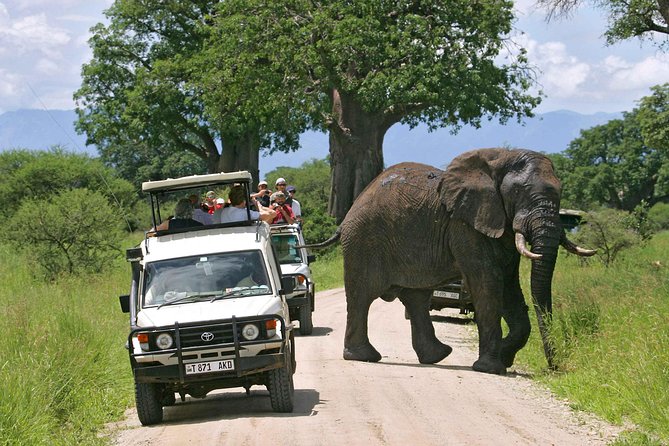
Once you’re in Tarangire, the day is built around the classic mix of mammals and birds. Tarangire is specifically described as a home for lion, leopard, elephant, buffalo, plus zebra, oryx, impala, and even pythons. The bird detail is a big clue about what you’ll notice when you slow down for a moment: the park has been observed with over 450 bird species. That’s a hint that your “wildlife time” isn’t only about the big mammals passing your window—it’s also about constant activity overhead and along the ground.
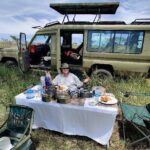
You’ll have a lunch picnic inside the park, then continue with afternoon game viewing. This matters because animals can be unpredictable. A schedule that includes both mid-day and afternoon viewing gives you multiple chances to catch the animals when they decide to move.
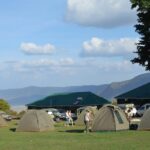
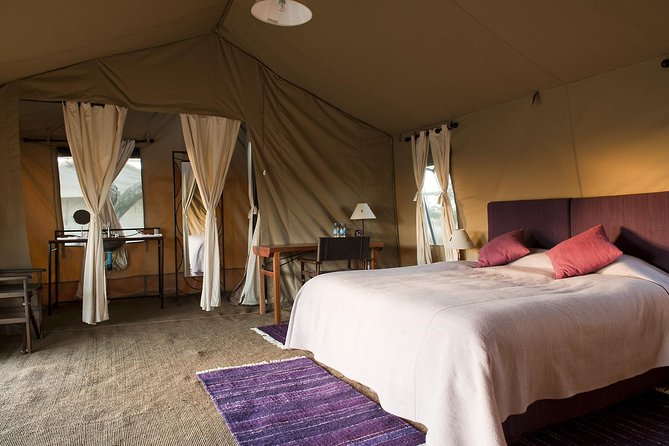
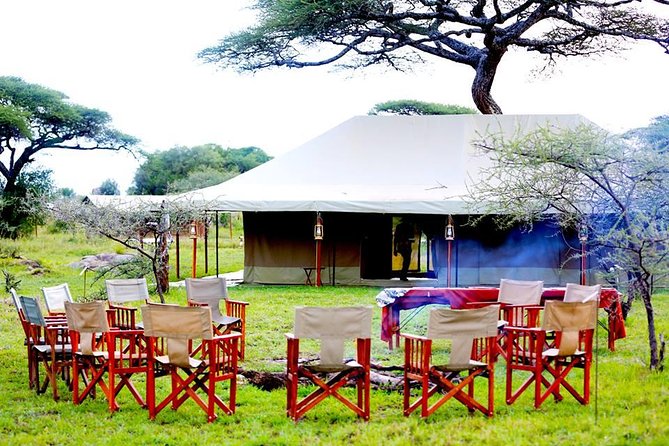
Dinner and overnight are at a camp or lodge in the park area. After a first day like this, the best “success strategy” is simple: go to sleep early, keep your camera batteries charged, and be ready for sunrise-style starts later in the trip.
Day 2: Riding Into Serengeti and Feeling the Scale
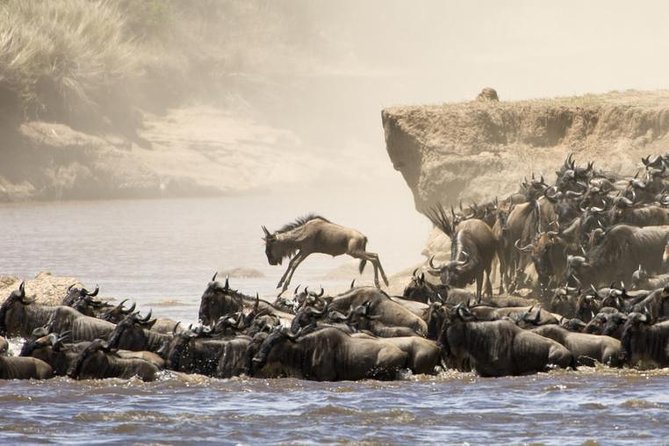
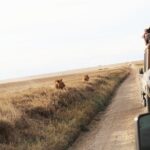
On Day 2, you transition to Serengeti National Park, the big stage for the Great Migration story. The drive is part of the experience, not just transit. You’ll travel through crater highlands, stop at a rim for a high viewpoint over Ngorongoro, and then crest toward the open plains.
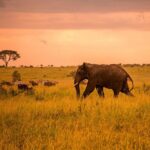
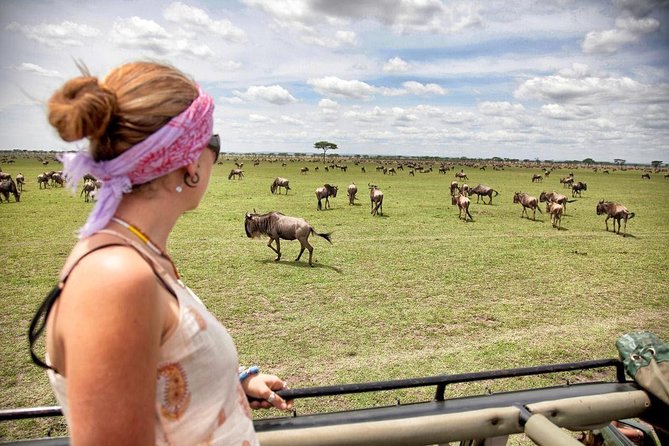
That viewpoint detail is more practical than it sounds. When you first see how the Serengeti lays out, you understand why wildlife can look sparse at first and then suddenly feel everywhere. Serengeti is described as huge—about 18,000 sq km—and it supports more than two million large animals, including over a million wildebeest and large numbers of plains zebra and Thomson’s gazelles.
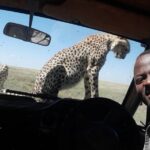
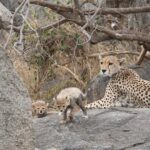
The big predators—lions, cheetahs, and hyenas—are pulled into the system by the movement of prey. The key is that in Serengeti, you’re usually watching patterns: where animals gather, where they pause, and where they head next. Your guide’s job is to read those patterns and get you positioned for the action.
Because this is a private safari, you don’t have to accept a rigid route that only works for one kind of sighting. You can spend longer when the herd is interesting and move faster when the action is elsewhere. That’s how you get the most wildlife time from a limited number of days.
Day 3: Serengeti Full Day, Sunrise Energy, and Optional Balloon Hours
Day 3 is your full Serengeti wildlife day, with game drives in the morning and afternoon. And yes, the day starts early because animals tend to be more active before the heat settles in.
Here’s what you should expect from this early-morning structure. You’ll wake up before breakfast for an early safari, then head back for brunch. The schedule is built for the best light and the best animal behavior, not for sleeping in. The sunrise on the savannah is described as one of the most beautiful experiences, and that’s exactly what makes early starts feel worth it.
If you want more than standard game driving, there’s an option for an early morning balloon safari for an extra cost. That’s not included by default, but it’s a real “Serengeti wow” add-on because it changes the way you see the plains—especially if you’re into geography and animal movement.
After Serengeti, the day doesn’t end with “rest and repeat.” You’ll transfer toward Ngorongoro and continue the adventure. Ngorongoro is described as a world-famous natural feature with walls around 2,000 ft high, so the move from open plains to a crater environment is noticeable even if you’re not a geology nerd.
Your overnight is at a campsite or lodge in the Ngorongoro area, setting you up for the crater floor experience the next day.
Day 4: Ngorongoro Crater Descent and Lake Magadi Views
Ngorongoro Crater is the “how is this even real?” day. After breakfast, you drive to the crater for what’s described as a once-in-a-lifetime safari tour.
The crater itself is described as a thick volcanic caldera and one of the most significant unflooded and unbroken caldera formations. For you, that translates to a compact wildlife world. Instead of searching across endless plains, you’re descending into a bowl where many ecosystems overlap in a tight space.
Once you’re down on the crater floor, you visit Lake Magadi, described as a large but shallow alkaline lake in the southwest corner of the crater. It’s a key stop because it signals you’re in a different habitat zone than the surrounding rim country.
This day is all about crater-floor game viewing. Expect wildlife patterns that feel different from Serengeti because the terrain funnels animals through limited routes and feeding areas. If you want your wildlife “hits” closer together, this is the kind of geography that helps.
Also, don’t underestimate the emotional effect of altitude and scale. You go from rim viewpoints and broad skies to a tighter world below. The scenery does what it’s supposed to do: it makes wildlife viewing feel like something you’re inside, not something you’re observing from far away.
Day 5: Lake Manyara’s Flamingos, Five Zones, and a Slower Finish
The final day switches you from the crater world to a smaller park in a totally different ecosystem setting.
After breakfast, pickup from your lodge is early, then you drive about 60 km on tarmac with a lunch box to Lake Manyara National Park. The park is described as 330 sq km, which is small compared to the huge parks. That smaller size is a plus if you want to end the safari with variety but not another all-day “across-the-map” feeling.
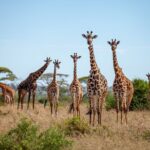
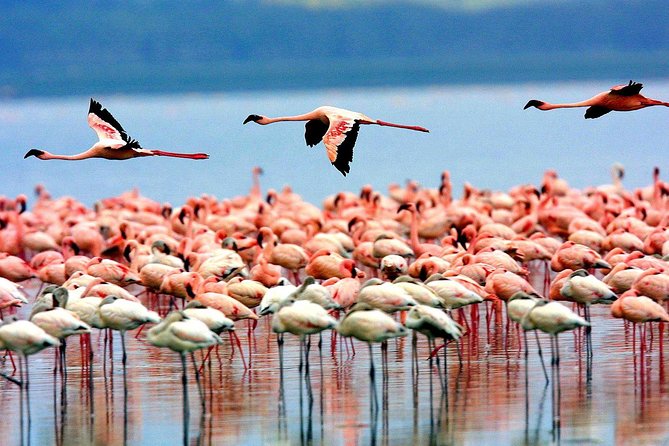
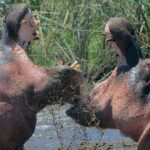
Lake Manyara is home to a mix of animals: lion, hippo, elephant, zebra, buffalo, giraffe, plus baboon and monkeys, warthog, and more. The bird count is a big part of the story too—about 350 bird species have been recorded. And because the park has five distinct vegetation zones, you’re likely to see animals and birds that feel tied to different pockets of habitat.
Flamingos are highlighted as a signature feature. If you’ve spent the prior days focused mostly on mammals and big predator hopes, this is a nice change of pace. Birds can be faster, more visible, and sometimes easier to spot when the wind and light cooperate.
There’s also an optional add-on: canoeing has recently been added to tourist activities at an extra cost. The data doesn’t guarantee it’s offered every day, but it tells you the park experience isn’t limited to game drives.
You’ll finish with drop-off in Arusha or at the airport, so you can tie the safari to your travel plans without a messy handoff.
Price and Value: Why $2,600 Can Make Sense Here
At $2,600 per person, this safari isn’t cheap, but it also isn’t “pay extra for everything” pricing. The included value is where the math can actually work for you.
Included items:
- A private 4×4 custom-built vehicle
- A driver/guide
- All fees and taxes
- Accommodation and meals (breakfasts, lunches, and dinners are included across the trip)
What’s not included:
- International flight
- Visa
- Alcohol and soft drinks
- Tips
Here’s how I’d think about value in a real-world way. On safari, the hard costs aren’t only the driver and vehicle. You’re paying for park entry, time on the ground, and meals that keep you functional during long drives and long viewing windows. Bundling those items into the package helps avoid the most common budget surprises.
The other value factor is the pacing. Five days is tight for four parks, so you’re paying for efficiency. If you stretch this route to more days, the price goes up, but so does comfort. Here, you’re choosing intensity—and you’re getting a private setup to make that intensity more comfortable than the shared-safari alternative.
Guides, Organization, and the Human Side of Safari
On safari, the vehicle is important. But the guide is the difference between seeing animals and just driving around hoping.
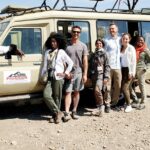
In the feedback behind this tour, guides such as Joseph, Lameck, Thomas, Denis Mlay, and Noely show up as standouts, with praise for getting close to animals and paying attention to what the group wants each day. That kind of guide skill is hard to measure in a brochure, but it shows up in the moments you remember: where the vehicle stops, how long you stay, and how quickly you get redirected when something new appears.
Organization also matters because wildlife spotting has timing. One issue even mentioned a case of “guide super, organization terrible,” which is a reminder that safari quality isn’t just the driver’s spotting ability. It’s also about smooth transitions between parks and lodging. On this route, you’re crossing regions, so you’ll feel any bumps in planning more than you would on a single-park trip.
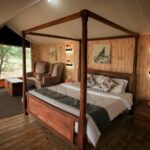
If you care about accommodations, here’s a practical tip: ask your operator what lodge or camp you’ll use in the Ngorongoro and Karatu areas before you finalize. One guest highlighted Eilleen’s Trees Inn in Karatu as a standout, while another suggested avoiding Ngorongoro Inn. That doesn’t mean every stay is identical, but it’s a good sign to get the exact names for your own departure.
How This Trip Fits You (and Who Might Want a Different Option)
This safari fits best if you want:
- Big national-park variety in a short time
- A private 4×4 experience without the stress of planning daily routes
- Full-board convenience so you can spend your energy on wildlife
You might think twice if:
- You dislike early mornings and long driving days
- You want a slower pace with more downtime between parks
- You’re extremely sensitive to road time (even when roads are smooth, safaris involve constant repositioning)
The upside is that the itinerary is designed around wildlife behavior. Early starts in Serengeti, afternoon viewing blocks in Tarangire and Manyara, and the crater-day logic in Ngorongoro all aim to maximize your chances.
Should You Book This 5-Day Safari?
If you want a well-built safari route that covers Tarangire + Serengeti + Ngorongoro + Lake Manyara with meals and park fees handled, this is a strong option. The private vehicle, the full-board structure, and the Serengeti sunrise emphasis are exactly the kind of choices that make a short safari feel like more than a checklist.
Book it if:
- You’re excited by Serengeti’s migration setting and want early-morning viewing
- You like variety—elephants and birds in Tarangire, plains-scale in Serengeti, crater concentration in Ngorongoro, flamingos and zones in Manyara
- You’re okay with a busy pace and long viewing days
Consider a different length or routing if:
- You want more rest between parks
- You’re planning around tight flight connections and can’t tolerate early pickup times
- You’re very concerned about lodging quality and want more control over specific camps
FAQ
What’s included in the safari price?
The package includes all fees and taxes, a private 4×4 custom-built vehicle, a driver/guide, and meals (breakfasts, lunches, and dinners). It also notes that a mobile ticket is provided.
Do I get pickup from Arusha?
Yes. Pickup is offered in Arusha, and on the last day you’ll be dropped off back in Arusha or at the airport.
Are park tickets included?
Yes. Admission ticket pricing is listed as free, and all fees and taxes are included.
What extra activities cost more?
There is an option for an early morning balloon safari in Serengeti for an extra cost, and canoeing in Lake Manyara is available as an extra-cost activity.
What should I budget for that’s not included?
International flights, visa, alcohol and soft drinks, and tips are not included.
Can I cancel and get a full refund?
Yes, free cancellation is available up to 24 hours in advance for a full refund, as long as you cancel at least 24 hours before the start time.