REVIEW · ARUSHA
5 Days Budget Private Safari, Tanzania
Book on Viator →Operated by Serengeti Wakanda Tours & Safaris · Bookable on Viator
Five days, four parks, big animals. What makes this Tanzania circuit stand out is that it plans the hardest parts for you: pickup from Arusha, a tight route, and a schedule that keeps you out on safari drives instead of figuring things out. You’ll target big-name wildlife like lions, leopards, elephants, buffalo, and rhino across Tarangire, Serengeti, Ngorongoro Crater, and Lake Manyara.
Two things I’d put near the top: the day-by-day flow, and how often your food and overnight stay are handled for you. Breakfast, lunch, and most dinners are included, which means less stress and fewer decisions mid-trip. One consideration: the timing is busy, with early starts (including a 6am morning drive) and long drives on bumpy roads, so you’ll want to be comfortable with a fast-moving safari rhythm.
In This Review
- Key safari highlights to look for
- Private safari planning, minus the headache
- Day 1: Tarangire National Park and the baobab-tree world
- Day 2: The long road to Serengeti, then a sunset drive
- Day 3: Serengeti at 6am, plus crater travel that same day
- Day 4: Ngorongoro Crater descent, black rhino possibility, and lunch choices
- Day 5: Lake Manyara and a final push back to Arusha
- What the included meals and camping actually mean for you
- Price and value: what you’re paying for (and what to plan for)
- Who this safari fits best
- Should you book this Tanzania 5-day private safari circuit?
- FAQ
- What parks are visited on this 5-day safari?
- Does the safari include pickup from Arusha?
- Is this a private tour?
- Are meals included?
- Are park admission tickets included?
- Where do you sleep during the safari?
- What time do sunrise drives happen in Serengeti?
- What time are you expected to return to Arusha on the last day?
- What is the cancellation policy?
Key safari highlights to look for
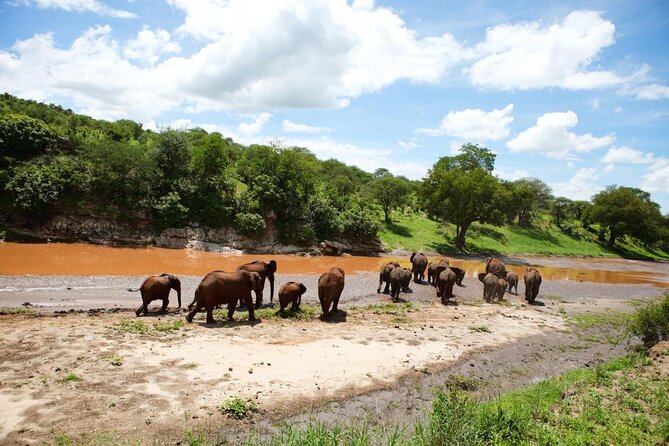
- A four-park route in five days, so you’re not stuck repeating the same scenery twice
- Early and sunset game drives in Serengeti, when animals tend to be most active
- Ngorongoro Crater descent with a real chance to scan for black rhino
- Night camping in Serengeti and Ngorongoro, plus lodge comfort on two other nights
- A guide who knows where to look, including a name you may hear often: Praise
- Food handled well on the road, with praise for the chef even during camping
Private safari planning, minus the headache
If you’re trying to plan an African safari on your own, the logistics can eat your time fast. You’re dealing with park routes, driving times, meal timing, where to sleep, and how to squeeze game drives into daylight. This 5-day private safari takes that work off your plate. Your route is already mapped out from Arusha, then built around four classic wildlife zones.
The private format matters. Only your group participates, so you’re not competing with other people for attention, timing, or vehicle space. It also tends to make the day feel more “yours,” especially when you’re trying to react quickly to animal sightings.
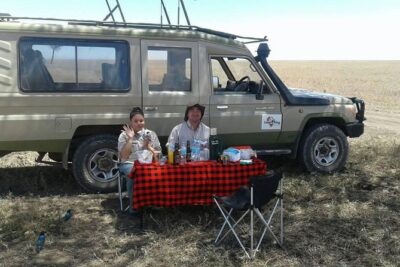
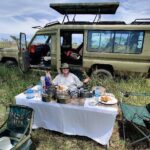
One more practical win: meals and overnights are included in a way that matches the safari days. You’re not forced into hunting for lunch spots or losing game-drive time to meals. The itinerary also uses picnic settings in the bush, which is a big part of why safari days feel different from normal sightseeing.
You can also read our reviews of more tours and experiences in Arusha.
Day 1: Tarangire National Park and the baobab-tree world
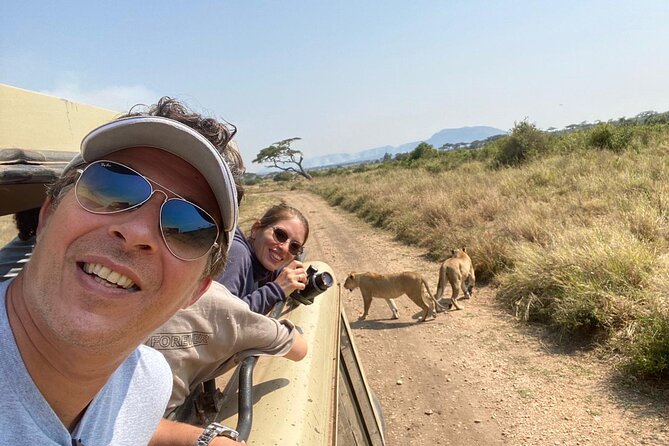
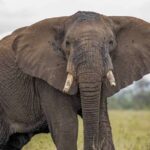
You start with pickup in Arusha, then drive about two hours into Tarangire National Park. Tarangire is known for two things that shape the whole experience: big elephant herds and the ancient baobab trees. Even before you get out and start searching, you’re watching wildlife come to you along savanna and river areas.
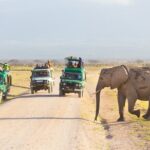
Your safari style on this day includes open-road game viewing. The itinerary describes using the open roof of the vehicle to take in seasonal swamps, savanna, and the Tarangire River area. That matters because elephants and other animals often move through open zones, and you’ll want clear sightlines while you’re driving.
Lunch is a picnic with a view. After that, you keep driving for more game viewing before heading to Fig Tree Lodge for dinner and an overnight. This is a nice way to start: you get a full day in the park, then you settle into lodge comfort before the long Serengeti stretch.
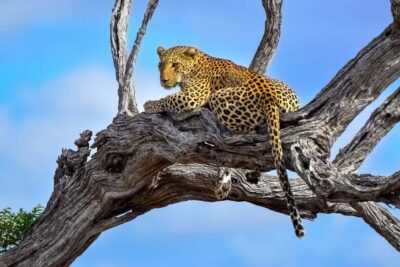
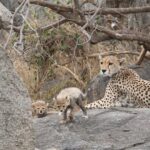
What to watch for on Day 1: elephants first, plus giraffes, impalas, zebras, and predators like lions and leopards. The park is also mentioned for elands, warthogs, and plenty of birds, so even if big cats are quiet, the day still feels alive.
Day 2: The long road to Serengeti, then a sunset drive
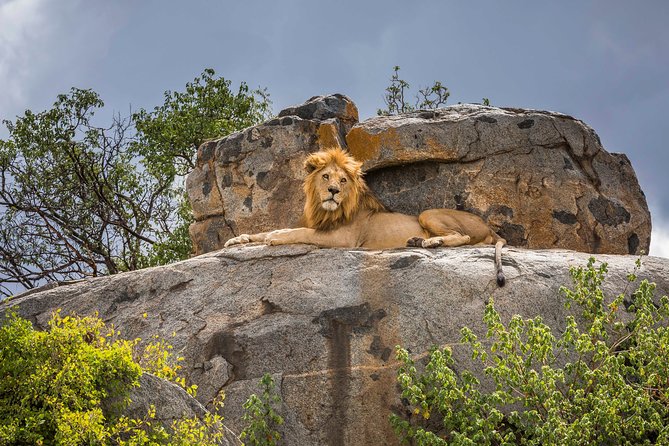
After breakfast, the plan shifts to Serengeti National Park. The drive is described as 4–5 hours and includes crater highlands before you reach the Serengeti plains. It’s long, and the itinerary calls the road bumpy, which is worth considering if you dislike road time.
Once you arrive, you stop for a picnic lunch, then head into an afternoon drive. The day is paced so you still get time on the grasslands before night.
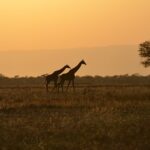
Then comes the sunset moment. You’ll catch sunset, continue with the drive, and end up at Seronera campsite for dinner and overnight.
Why this day is valuable even if you don’t see everything: you’re crossing into the Serengeti ecosystem the day before your sunrise drive. That reduces pressure on timing. You’re not rushing into the most intense viewing window without letting your body catch up to the schedule.
Day 3: Serengeti at 6am, plus crater travel that same day
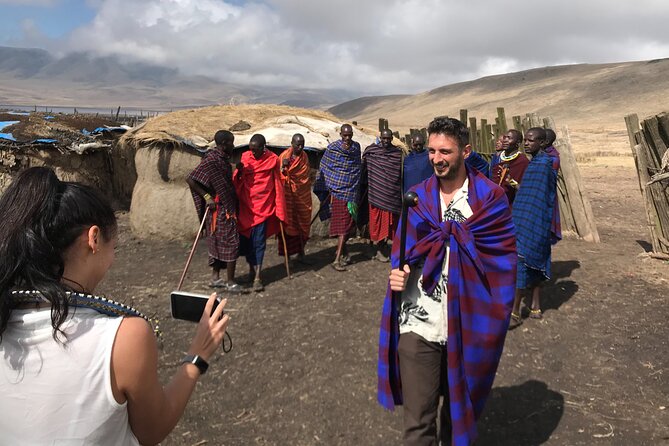
Day 3 starts early, around 6am, for a sunrise game drive. This is one of the best ways to maximize your chances of seeing animals when they’re active. Early light often makes scanning easier too, since you’re not battling harsh midday glare.
After the morning drive, you stop for breakfast at a picnic site in the bush. Then you continue game viewing before returning to the camp around noon for hot lunch.
Here’s the practical part: after lunch, you load the vehicle and depart for Ngorongoro. Dinner and overnight happen at Simba campsite.
This is a full day. It also helps you avoid wasting time on transitions later in the trip. By moving to Ngorongoro right after Serengeti, you’re positioned for a fast crater start on Day 4.
Day 4: Ngorongoro Crater descent, black rhino possibility, and lunch choices
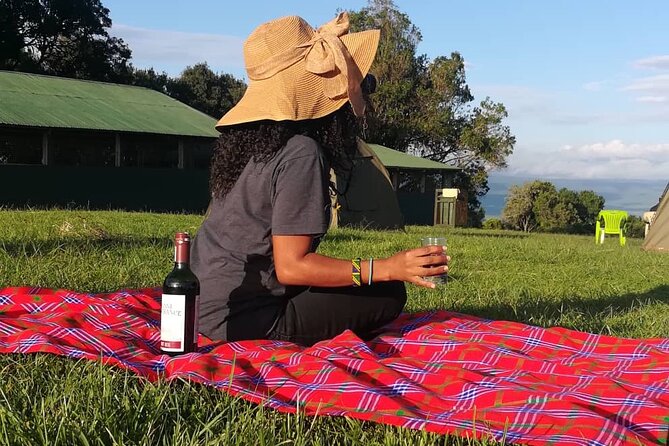
Ngorongoro Crater is where your trip gets dramatic fast. Day 4 begins with early breakfast, then you descend into the crater immediately. The itinerary frames this as one of the places where you can find almost every East African species expected for a safari circuit, including the rare black rhino. You also have a good chance to see other big names in the mix if conditions and timing cooperate.
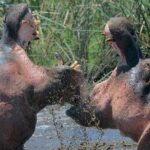
Lunch is flexible. You can choose between picnic lunch at Hippo Lake or hot lunch at the camp. That choice is more than comfort. Hippo Lake can change how you view the day because you’re able to set up near water where wildlife gathers.
After lunch, you continue to your next accommodation at Fig Tree Lodge for dinner and overnight. So you end the crater day with lodge time, a nice break after camping in the previous nights.
What to consider: crater days can feel like an ongoing scan-and-spot day. You’ll likely spend more time watching and less time “wandering,” because the best viewing depends on where animals are at that moment.
Day 5: Lake Manyara and a final push back to Arusha
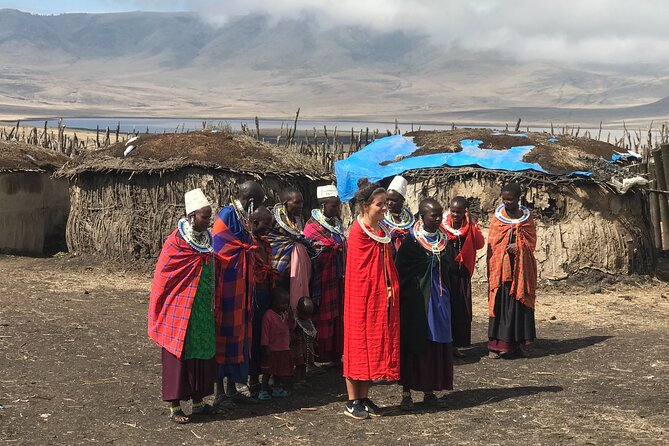
Your last safari day focuses on Lake Manyara National Park. The itinerary calls it home of the tree climbing lions. It also notes Lake Manyara is a relatively small park but very diverse, built around a salt lake that floods and dries with the seasons. That seasonal pulse is why you can expect lots of birds—especially flamingos, along with over 300 other bird species.
You drive a short distance to the gate after breakfast—about a five-minute drive. Then you go into the park for game viewing. The landscapes here are described as grassy plains, primate-filled woodlands, and baobab-dotted cliffs.
Because it’s a smaller area and the drive time is shorter, it’s easier to keep the day feeling focused. The schedule aims to get you back in Arusha around 5pm, so you can transition out of safari mode without a late-night arrival.
What the included meals and camping actually mean for you
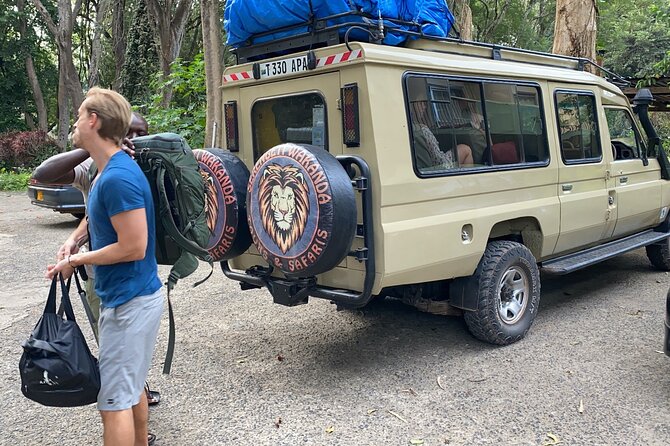
The trip includes breakfast five times, lunch five times, and dinners four times. That lines up with five days on the route, with dinners covered for the nights where you’re sleeping in safari-area accommodations.
Why I think that matters: on safari, hunger and timing can ruin your rhythm. Here, meals are built into the day so you’re not scrambling during prime viewing windows.
There’s also a comfort story hidden in the itinerary. You camp out for a night each in Serengeti and Ngorongoro, but you also stay at a lodge on two nights at Fig Tree Lodge. So you get the safari feel of camping without going fully rugged for the entire trip.
And yes, food quality matters. In the feedback for this safari company, the chef gets real credit, including praise for handling camping-style cooking well. That’s not a small detail. It’s the difference between enduring a safari meal and actually looking forward to it.
Price and value: what you’re paying for (and what to plan for)
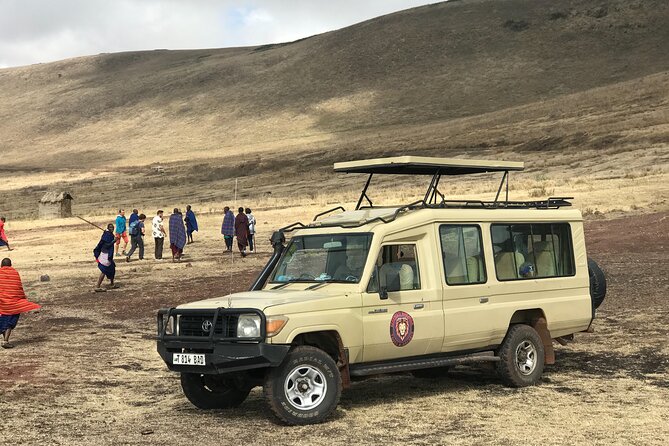
The price shown here may look odd, but the value piece is easier to judge by looking at what’s included and what’s not. You’re covered for meals and the core safari routing across four parks with private participation. You also have admission noted as free on the first three days, with admission included on Day 4 and Day 5.
What’s not included: tips and gratuities. That’s standard, but it’s also something you should budget for mentally so it doesn’t surprise you at the end.
The best value question is not just price. It’s time and coordination. A route like this is hard to assemble yourself without losing chunks of daylight to planning and transit decisions. This itinerary already strings together the long drive into Serengeti, then a move into Ngorongoro in time for an early descent, then a final push to Lake Manyara with a return to Arusha in the afternoon.
If you want an efficient route with less planning friction, this setup is built for that.
Who this safari fits best
This tour is a strong fit if you want:
- A four-park experience in five days without building the logistics yourself
- Private safari time where your group drives the pace
- A mix of camping and lodge nights, instead of going one extreme the whole way
- A schedule that includes both sunrise and sunset driving, not just mid-day searching
It may be less ideal if you get cranky with long car days. The itinerary includes a 4–5 hour bumpy drive into Serengeti and then a separate move toward Ngorongoro after your morning schedule. If you’re sensitive to road time, you’ll want to accept that this trip is more about the safari circuit than slow travel.
One more match factor: if wildlife spotting is your goal, the route is built around classic wildlife zones and even calls out rare chances like black rhino at Ngorongoro.
Should you book this Tanzania 5-day private safari circuit?
I think you should book if you want a structured safari that still feels like real wilderness time. The combination of Tarangire elephants, Serengeti sunrise and sunset, a crater day at Ngorongoro, and a bird-and-lion themed finale at Lake Manyara creates a clear safari story in just five days.
Also, if you care about quality-of-life while you’re away, this itinerary gives you meals and planned overnights, including a mix of campsites and a lodge. That cuts down decision fatigue and lets you stay focused on the main job: watching for lions, leopards, elephants, and the other headline animals.
If you hate early starts and long drives, then be cautious. This route moves. It’s designed for maximum time in parks, not maximum downtime.
FAQ
What parks are visited on this 5-day safari?
The itinerary includes Tarangire National Park, Serengeti National Park, Ngorongoro Crater, and Lake Manyara National Park.
Does the safari include pickup from Arusha?
Yes. The tour includes pickup from your hotel in Arusha.
Is this a private tour?
Yes. It is a private tour/activity, and only your group will participate.
Are meals included?
Yes. Breakfast is included for 5 days, lunch is included for 5 days, and dinner is included for 4 dinners.
Are park admission tickets included?
Admission is listed as free for Day 1, Day 2, and Day 3. Admission is included on Day 4 (Ngorongoro Crater) and Day 5 (Lake Manyara).
Where do you sleep during the safari?
You stay at Fig Tree Lodge on Day 1 and Day 4. You also camp at Seronera campsite (Day 2 night) and Simba campsite (Day 3 night).
What time do sunrise drives happen in Serengeti?
On Day 3, you’ll wake up around 6am for a sunrise game drive.
What time are you expected to return to Arusha on the last day?
The itinerary expects you to be back in Arusha around 5pm on Day 5.
What is the cancellation policy?
You can cancel for a full refund if you cancel at least 24 hours in advance. If you cancel less than 24 hours before the start time, the amount paid is not refunded.