REVIEW · MOSHI
6 Days Tanzania Budget Camping Safari with Migration
Book on Viator →Operated by MERU SLOPES TOURS AND SAFARIS · Bookable on Viator
Wild wildebeest drama starts on day one. What makes this trip interesting is the Migration chase in Serengeti, built around where the herds are moving at the time you go, with a driver who keeps adjusting plans as conditions change.
I also like the practical budget setup: hotel pickup and drop-off, unlimited mineral water, and a tight group size (max 15). The one tradeoff? This is camping and long driving days with early mornings, so you’ll want to pack for dust, sun, and simple comfort.
In This Review
- Key highlights
- Price and logistics: what $1,650 buys you
- Day 1 in Tarangire: long transfer, then real elephant country
- Day 2 and Day 3 in Serengeti: the migration chase and how the driver thinks
- Day 4: sunrise Serengeti, then heading for Ngorongoro
- Day 5 Ngorongoro Crater: Big Five on the floor, flamingos in the mix
- Mto wa Mbu village walk: banana plantations and community life
- Day 6 Lake Manyara and Maasai boma: tree lions, flamingos, and a hot spring
- Who this safari is for (and who should think twice)
- Should you book this 6-day migration camping safari?
- FAQ
- FAQ
- How long is the safari?
- What parks and areas are included?
- When does pickup start?
- Is park entry included in the price?
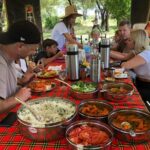
- What meals are included?
- Is Wi-Fi available during the safari?
- Do I need to pay for a visa and tips?
- What’s the group size limit?
Key highlights
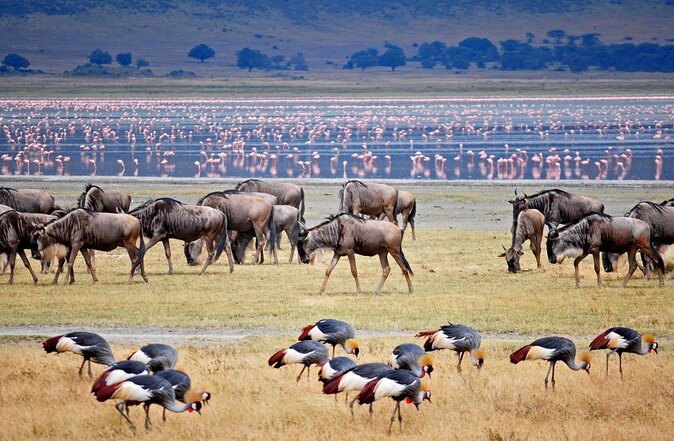
- Serengeti migration focus (June–September odds), with a specific goal of getting you into the action during herd movements
- Ngorongoro Crater Big Five day plus serious birdlife, with flamingos noted during crater time
- Budget value that stays real: lots of meals included (breakfast, lunch, dinner) and park access covered
- A guide-and-team approach that often includes strong field driving and cooking support (names that show up: Kelvin, Robert, Florian, Mohammed, Johannes, Yohane, Daniel)
- Lake Manyara variety: tree-climbing lions, flamingos, and a hot spring stop
Price and logistics: what $1,650 buys you
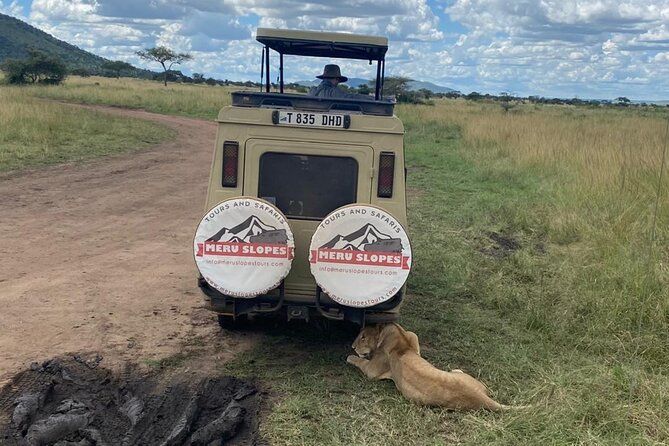
At $1,650 per person for a 6-day safari, the value comes from what’s bundled rather than the headline price. You’re getting a professional driver/guide, hotel pickup and drop-off, and “all taxes, fees,” which matters in Tanzania where entry and transport costs can add up fast.
You also get daily rhythm support: unlimited mineral water and multiple meals included (breakfast, lunch, and dinner across the days). There’s even free Wi-Fi inside the safari jeep and emergency rescue included—small things that reduce stress when schedules get tight.
What’s not included is straightforward: tips and your visa. Build a little extra buffer for that, plus any personal shopping you might feel tempted to do around culture stops.
One more practical note: your start time shows 7:30 am, while the day 1 pickup note points to around 8:00 am. Either way, plan for an early start and confirm the exact pickup time the day before.
You can also read our reviews of more tours and experiences in Moshi.
Day 1 in Tarangire: long transfer, then real elephant country
The trip kicks off from your hotel area and heads to Tarangire National Park. Tarangire sits about 115 km from Arusha, and it’s known for the way animals gather around water—Tarangire River is the reason the park gets so lively during game drives.
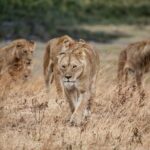
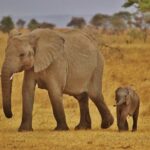
This day is built as a full day game drive. You’ll look for classic highlights like lots of elephants, baobab trees, and those eerie moments when you spot a python in an unexpected place (the park’s described with pythons and climbing trees in mind). You also have a chance at predators like lions and leopards, plus plenty of smaller action you’ll miss if you only scan for the “big five.”
The main drawback for day 1 is simple: it’s a travel-heavy start. Even if the distance isn’t huge on a map, you’re moving early and spending the later part of the day driving in the park. If you’re the type who needs a full “reset” day, this won’t be it.
That said, ending at Jambo lodge for dinner and overnight gives you a proper landing spot before the Serengeti part gets intense.
Day 2 and Day 3 in Serengeti: the migration chase and how the driver thinks
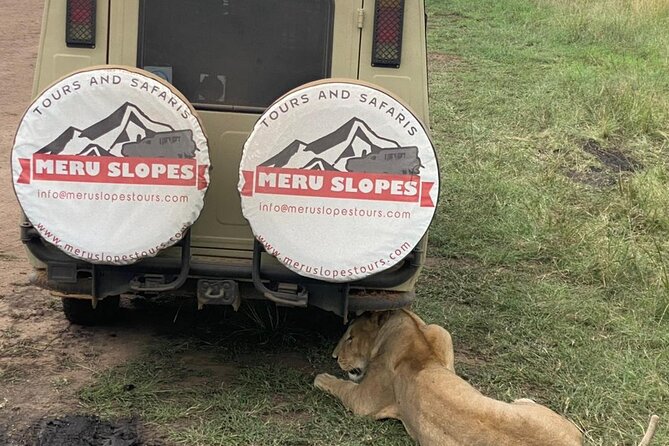
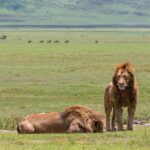
Serengeti is where this safari earns its name. Your day 2 includes a drive into the park and an evening game drive for sunset viewing, staying overnight at Seronera campsite inside Serengeti. Day 3 is a full day in Serengeti with early start and a stronger focus on locating migration action.
Here’s the key value: the Great Migration isn’t a “fixed route,” so your odds depend on timing and where the herds are when you arrive. The plan explicitly aims at the best season window: June through September. That’s when your driver is expected to reposition toward northern Serengeti with the goal of Mara River crossings.
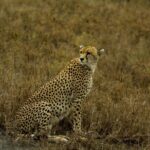
You’ll also hear a lot of talk about the migration as “endless plain” drama, but the practical reality you’re planning for is predator movement too. The idea is that when herbivores shift, predators follow—so you’re not only chasing wildebeest; you’re also chasing the feeding and stalking moments that come with them.
In Serengeti, it helps to know what you’re likely to see:
- Big herds and fast movement when the crossing pressure builds
- Predators working edges and cover—often where you least expect
- Constant “why are they going that way?” moments that make the driving feel purposeful instead of random
One caution: migration is the star, but not every game drive guarantees a headline event. This safari is designed to improve your odds through driver flexibility, but it can’t lock the timing of nature itself.
If you’re hoping for your trip to feel like a safari movie script, treat the migration goal as the theme, not a promise.
Day 4: sunrise Serengeti, then heading for Ngorongoro
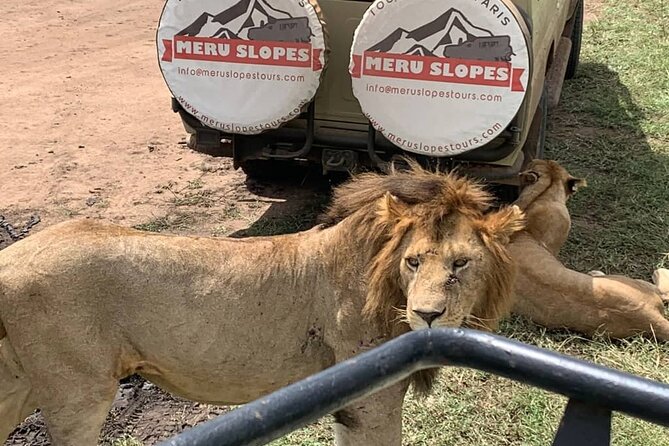
Day 4 starts early—about 5:45 am—with a morning routine and then a drive aimed at catching sunrise in Serengeti. After that, you do an early morning game drive up to around 11:30 am, then return for hot lunch and pack up.
Then comes the shift: you’re heading toward Ngorongoro, with dinner and overnight at Simba campsite. That change of setting is part of the value of this itinerary. You get a full “plains” day early on, then trade it for the crater environment where sightings often feel denser because the terrain funnels animals into a smaller space.
The likely downside is energy. Day 4 is structured for efficiency, not lingering. If you love slow mornings and late breakfast habits, you’ll feel the early wakeups again.
Day 5 Ngorongoro Crater: Big Five on the floor, flamingos in the mix
This is the “one day, big payoff” moment: descent into Ngorongoro Crater. You wake around 5:30 am, then you go down to the crater floor where the plan explicitly calls out all African Big Five, including black rhino, plus dense birdlife.
Your lunch is part of the crater experience—you have lunch inside the crater while watching nature. That’s not just a convenience. Eating down there slows your pace in a good way. Instead of rushing to the next vehicle stop, you settle into the bowl and let the wildlife come to you.
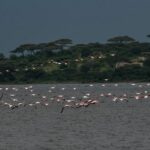
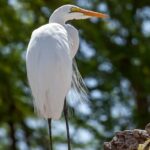
A notable detail here is flamingos, with the plan mentioning high concentrations and that they’re around during the crater time. Whether you’re there for flamingos, birds, or the black rhino, Ngorongoro works because the crater acts like a natural amphitheater.
After roughly 6 to 7 hours of crater time, you ascend and pass through the campsite to pack and continue back to Jambo lodge for dinner and overnight.
This day is also where the itinerary adds a human side.
Mto wa Mbu village walk: banana plantations and community life
On day 5, after crater time and the return toward Jambo lodge, you can join a walking tour in Mto wa Mbu village. The focus is local life: banana plantations, learning how people live, and—importantly—tasting local food.
There’s also a listed cultural tour element connected to the village’s program. It’s framed as an active community set-up, with walking viewpoints and interaction that aims to show traditional life and community projects.
The main consideration here is pacing. Crater day is long and tiring. If you want culture time but also want to protect your energy, treat the village walk as “do what feels good” rather than “see every stop possible.”
Day 6 Lake Manyara and Maasai boma: tree lions, flamingos, and a hot spring
Your final day shifts gears from crater bowl to lakeside ecology.
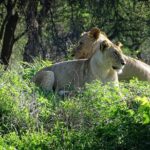
You head to Lake Manyara National Park for a full day game drive. The standout species detail is climbing tree lions—yes, the tree-lion idea is real, and Manyara is one of the places where it’s commonly associated with sightings. You’ll also look for flamingos, described as being attracted by the lake’s algae, plus a hot spring visit during the day.
Then the safari doesn’t stop at wildlife. You also visit a Maasai boma, with time focused on how people live and their culture and traditions.
The value of ending here is variety. Serengeti and Ngorongoro can feel like two versions of “classic safari.” Lake Manyara adds a different texture: a lake-driven setting with animals gathered around water and algae, plus that extra cultural context at the boma.
Who this safari is for (and who should think twice)
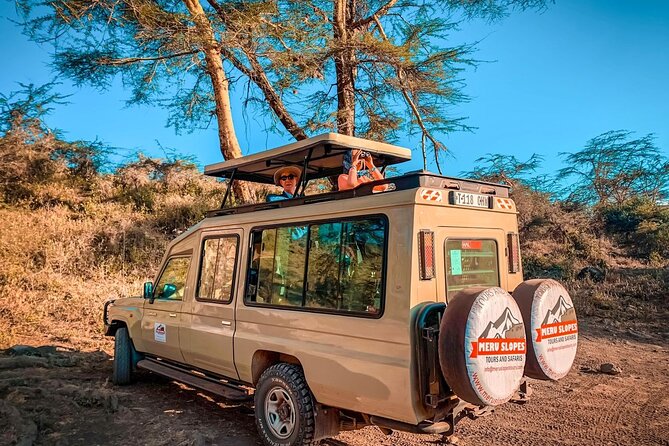
This itinerary fits best if you want:
- A migration-centered Serengeti with a serious attempt at the June–September season window
- A Big Five day at Ngorongoro Crater, including black rhino as a stated goal
- A budget-friendly way to do it with meals and water included and a max group size of 15
- Guides and team support that people repeatedly connect with strong guiding and cooking (names like Robert, Florian, Mohammed, Johannes, Yohane, Daniel, and Gideon come up)
You might want to think twice if you hate early mornings. The schedule is early start after early start, with sunrise drives and long days that prioritize time in parks over comfort.
Also, because it’s camping-based, you should assume the basics—not luxury—and pack accordingly.
Should you book this 6-day migration camping safari?
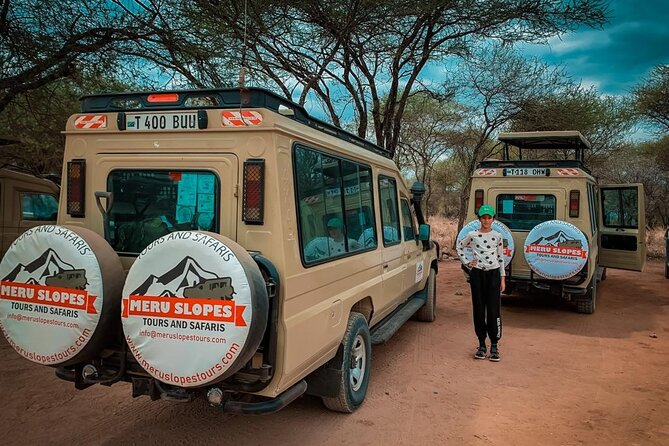
If your top goal is seeing the Great Migration and you’re traveling in the June to September window, I think this is a smart way to do it at $1,650—especially because park access and many meals are included, which is where a lot of “cheap safari” deals fall apart later with surprise add-ons.
Book it if you’re okay with a packed pace, and you like being guided by where the animals are that day, not a rigid script. The small group size (max 15) helps keep the experience more controllable in the field.
Skip it if you want a low-effort trip with flexible mornings and a slow hotel-only feel. This one is built around getting out early and staying busy, because that’s how you increase odds in Serengeti and get the Ngorongoro payoff.
FAQ
FAQ
How long is the safari?
It runs for 6 days (approx.).
What parks and areas are included?
You’ll visit Tarangire National Park, Serengeti National Park, Ngorongoro Conservation Area/Ngorongoro Crater, Lake Manyara National Park, plus Mto wa Mbu village and a Maasai boma.
When does pickup start?
The meeting start time is listed as 7:30 am, with day 1 pickup described as around 8:00 am. Confirm your exact pickup time when booking.
Is park entry included in the price?
Yes. Park entry is listed as admission ticket free, and the trip also includes all taxes, fees.
What meals are included?
The tour includes breakfast (4), lunch (6), and dinner (5).
Is Wi-Fi available during the safari?
Yes, free WIFI is included inside the safari jeep.
Do I need to pay for a visa and tips?
Tips and visa are not included.
What’s the group size limit?
The safari has a maximum of 15 travelers.