REVIEW · ARUSHA
6 Days Tanzania Budget Camping Safari
Book on Viator →Operated by MERU SLOPES TOURS AND SAFARIS · Bookable on Viator
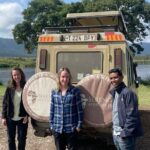
Six days, four parks, one wild rhythm. This budget camping safari is built around the Great Migration timing, with game drives at multiple times of day plus two culture stops in the middle of all that wildlife. You’ll also travel in a small group setting (max 6 people), which helps the guide keep the day moving and still lets you ask questions.
I love the practical comfort touches: hotel pickup and drop-off in Arusha and unlimited mineral water throughout the safari. The pace is intense (early mornings, long drives, lots of time in a safari jeep), so the only real drawback to consider is that camping-style lodging is simpler than a full lodge stay.
In This Review
- Key highlights worth planning around
- Tanzania budget safari value: what you’re actually paying for
- Arusha base plan and why the small group matters
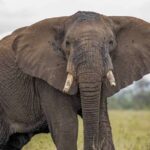
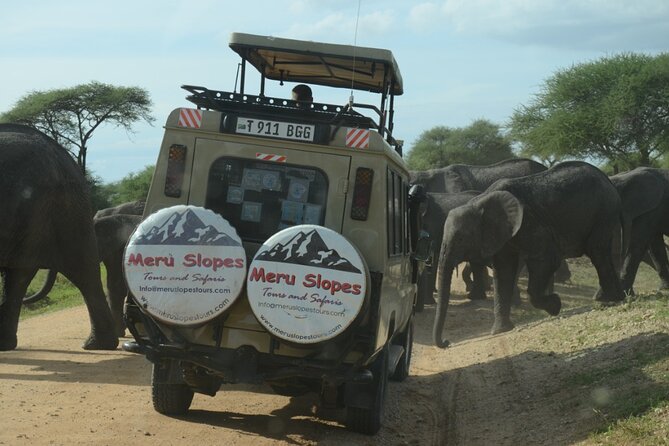
- Tarangire National Park: elephants, pythons, and the baobab vibe
- Serengeti days 2 and 3: following migration timing without overpromising
- Ngorongoro Conservation Area day 4: sunrise starts and crater approach
- Ngorongoro crater floor and Mto wa Mbu culture on day 5
- Lake Manyara day 6: flamingos, hot spring, and the tree-lion rumor
- Guides, organization, and the human side that makes the safari work
- What’s included in your budget price (and what you must plan for)
- Camping safari reality check: comfort choices you should make now
- Best month strategy for the Great Migration
- Should you book this 6-day budget camping safari?
- FAQ
- Which national parks and cultural stops are included?
- How long is the safari and how many nights are included?
- Do you get pickup and drop-off in Arusha?
- Are meals and drinking water included?
- What is not included in the price?
- How many people are in the group, and is it okay for children?
Key highlights worth planning around
- Tarangire full-day game drive with elephants, tree-climbing species, and baobabs
- Serengeti sunset + full days built to follow the migration’s shifting action
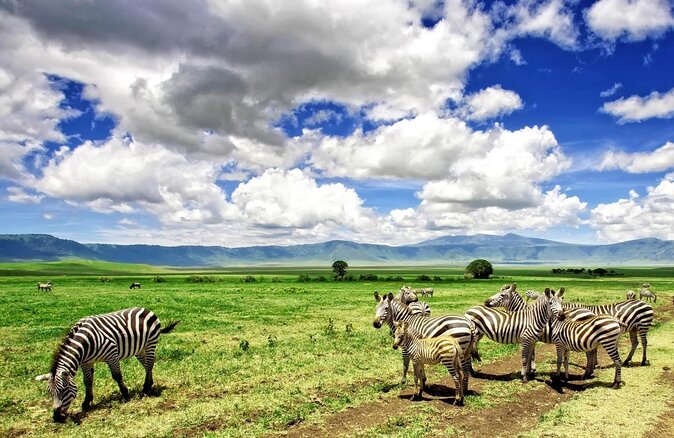
- Ngorongoro sunrise and crater-floor Big Five odds, plus flamingo viewing
- Lake Manyara’s climbing-tree lions possibility and hot spring visit
- Mto wa Mbu Village culture + Maasai boma for a break from pure wildlife focus
Tanzania budget safari value: what you’re actually paying for
At $1,600 per person for about 6 days, the price only makes sense if you get real value in the big categories: wildlife time, transport, and lodging. This package covers six nights of accommodation, meals across the days, and a guide/driver who’s there for the full run—not just for a single “tourist block.”
What stands out is that the plan isn’t only about getting into parks. It also includes practical extras that reduce day-to-day friction: unlimited mineral water, coffee/tea, and free WiFi inside the safari jeep. There’s also AMREF Flying Doctors emergency rescue listed as included, which is the kind of detail you hope you never need.
The itinerary also threads in culture (Mto wa Mbu and a Maasai boma) instead of making it all wildlife, all day. That’s a nice reset, and it makes the trip feel more like Tanzania than just a driving loop between photo spots.
You can also read our reviews of more tours and experiences in Arusha.
Arusha base plan and why the small group matters
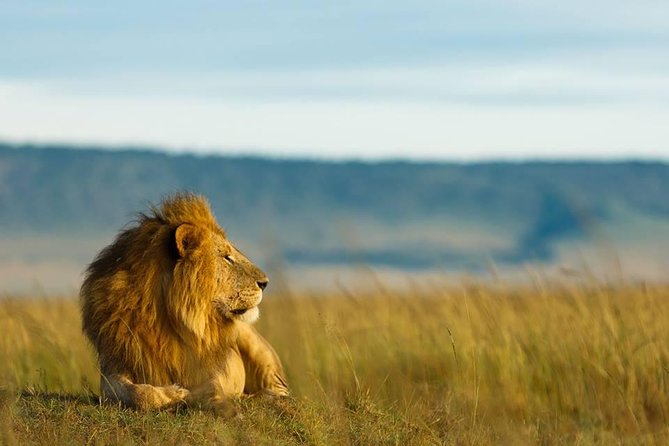
Your start point is Arusha Tourist Inn and the tour ends back there, which makes logistics simpler on both ends. The package offers hotel pickup and drop-off, plus return transport from your accommodation is stated as available.
You also get two hotel nights in Arusha town, which helps you avoid the most miserable first-night shock if you arrive tired. Then you shift into camping nights while you stay inside or near the parks.
The group limit is max 6 people. I like this because it changes how the day feels: fewer voices competing for space, less waiting around, and more room for the guide to adapt when animals show up where you didn’t expect.
Tarangire National Park: elephants, pythons, and the baobab vibe
Day 1 begins with an 8:00 AM pickup in Arusha, then a roughly three-hour drive to Tarangire National Park (listed as about 115 km from Arusha). Tarangire is a strong opening park because it’s not just “more savanna”—it’s known for big wildlife and big trees. You’ll spend a full day game drive once you arrive, then finish with dinner and overnight at Jambo lodge.
What I’d watch for here:
- Elephants: the park draws them in, especially around water.
- Baobab trees: great for photos, and often great for animal spotting since shade and structure pull wildlife close.
- Lions, leopards, and other species are part of the promise for the day.
Tarangire’s water focus matters because it affects the rhythm of your drive. When animals are clustering around resources, your guide can spend more time with sightings and less time “searching forever.”
Serengeti days 2 and 3: following migration timing without overpromising
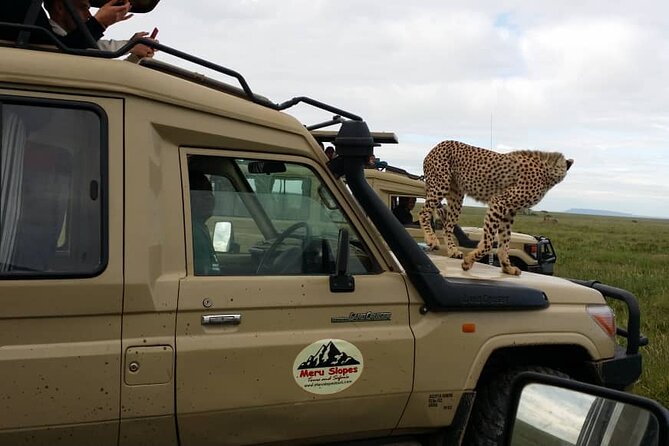
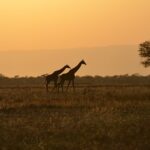
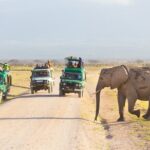
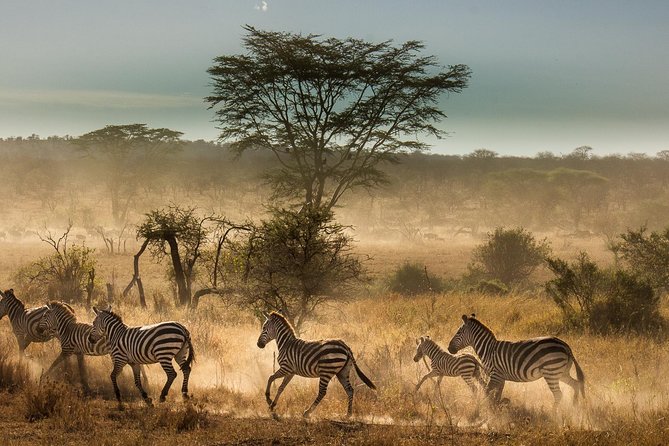
You roll into Serengeti on Day 2 after breakfast and packing. The drive includes en-route game viewing, and lunch is handled inside the jeep. You reach Serengeti around 3:00 PM, then do an evening game drive in central Serengeti for sunset hours—often when animals feel most active and photographers get their best light.
Day 3 is the heavy wildlife day: wake early, then take a full day in Serengeti focused on key zones. The plan specifically ties the migration chances to season:
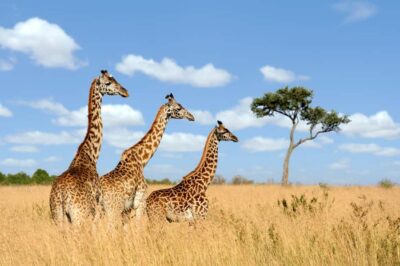
- The best odds for the Great Migration are June through September.
- For July through September, you aim for northern Serengeti where you may catch Mara River crossings.
That timing detail is valuable. It doesn’t guarantee sightings (migration is always moving), but it tells you this operator isn’t running pure “checklist safari math.” They’re planning around the calendar and the likely action bands for your month.
Also, Serengeti central vs. northern isn’t just geography talk—it affects the kind of excitement you feel during drives. Central Serengeti tends to be about constant movement and big open plains, while northern areas are where river-crossing drama can happen. This plan is built so you’re not only there for a single evening; you get two full days to chase the migration’s shifting location.
Ngorongoro Conservation Area day 4: sunrise starts and crater approach
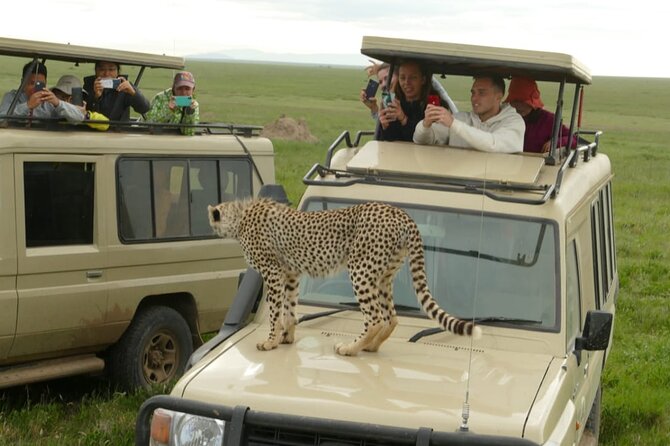
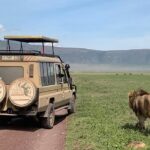
Day 4 flips the alarm clock. You’ll wake around 5:45, have early breakfast, and start with sunrise viewing inside Serengeti. Then the plan includes an early morning game drive until around 11:30 AM, followed by a hot lunch, packing up, and then traveling toward Ngorongoro.
The end of the day is Simba campsite for dinner and overnight, plus additional game driving on the way. This sequence matters because it gives you two different Serengeti experiences: predawn light for mood and early visibility, then a final driving window before you descend into the crater region.
Ngorongoro’s big draw is the way the crater concentrates wildlife. When conditions line up, you can rack up sightings faster than in more spread-out open areas. Also, this day is what sets up Day 5’s crater floor game drive, so don’t underestimate how much the timing and repositioning affects what you’ll see.
Ngorongoro crater floor and Mto wa Mbu culture on day 5
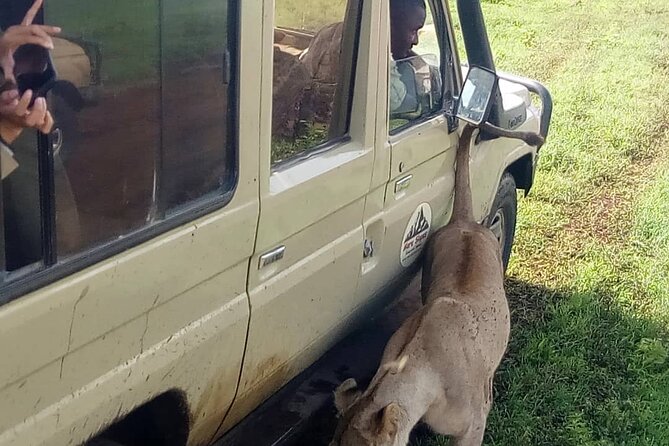
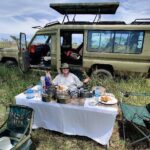
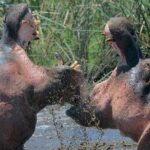
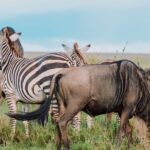
Day 5 starts around 5:30 AM with breakfast, then you descend to the crater floor for game driving. The plan explicitly calls out Big Five potential and includes mention of black rhino as available inside the crater. You’ll also see birds and enjoy flamingos, since the crater area can hold high numbers of them.
Lunch happens on the crater floor too, with viewing included. That means you’re not constantly bouncing between “park stops.” You’re staying in the action zone, which usually helps your total number of sightings—and it lowers the stress level because you’re not always hunting for the next move.
After the crater experience, the plan adds Mto wa Mbu Village. You’ll do a walking tour and cultural time where you can see local life, including banana plantations, and you can taste local food. The route includes enough structure that you’re not just dropped at a viewpoint—you’re guided through community life.
Then you return to Jambo lodge for dinner and overnight, so you end the day back in Arusha comfort after a huge wildlife day.
Lake Manyara day 6: flamingos, hot spring, and the tree-lion rumor
Day 6 is your finishing burst in Lake Manyara National Park. After breakfast, you head out for a full day game drive. The plan highlights:
- Climbing tree lions (a well-known Manyara specialty, though sightings aren’t guaranteed)
- Flamingos attracted by the algae in the lake
- A hot spring visit
Then you shift from park viewing to people viewing with a visit to a Maasai boma to learn how the community lives and hear about traditions and culture. You end by driving back to Arusha for dinner and overnight.
Why this ending works: Manyara gives you “different Africa” from the migration-and-crater intensity. It’s wetter, more lake-driven, and visually distinct. Pairing that with a hot spring and Maasai cultural time helps the whole trip feel rounded instead of like a single theme running for six days straight.
Guides, organization, and the human side that makes the safari work
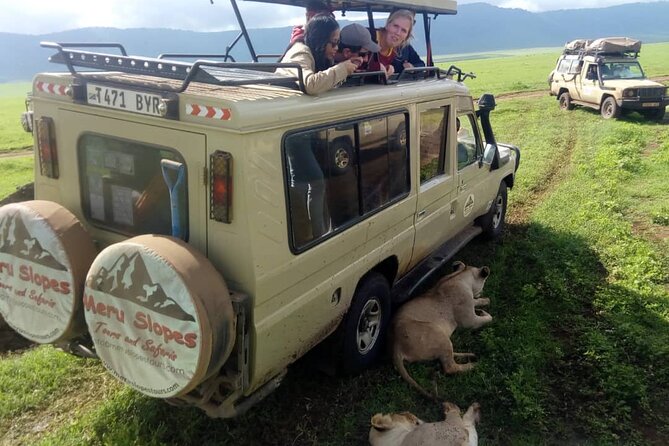
This tour is led by a professional guide and also includes an experienced team with multiple language options listed. What I like most about the human side in this kind of safari is simple: the person behind the wheel matters. When you’re trying to track migration movement and still position for sunrise and crater timing, a strong guide saves you from wasted hours.
In real feedback tied to this operator, names like Nuru and Robert show up as guides, and Mohamed (Moody) is mentioned in a guide/driver role. There are also references to coordination support like Gift and Jerome, and kitchen teams such as Gideon, Florian, Saleem, and Gadi. I can’t promise you’ll get the same people, but the repeated theme is that the operation staffs with recognizable strengths: guiding know-how, cooking in camp, and helpful coordination when plans need adjusting.
What’s included in your budget price (and what you must plan for)
Here’s what’s explicitly included in the tour package:
- Six nights accommodation total, with two nights in Arusha town
- Meals as per itinerary (breakfast, lunch, dinner counts are listed)
- Driver/guide plus a professional guide
- Hotel pickup and drop-off
- All taxes, fees, and handling charges
- Unlimited mineral water during the safari
- Coffee and/or tea
- Free WiFi inside the safari jeep
- AMREF Flying Doctors emergency rescue
- Mobile ticket
What’s not included:
- Flights
- Alcoholic drinks (available to purchase)
- Anything not specifically mentioned
For value, the key is that you’re not paying extra for the daily basics of food, water, and guiding. That’s the part that usually eats budgets on longer safaris. The biggest add-on risk for most people is flights and any extra drinks you choose to purchase.
Camping safari reality check: comfort choices you should make now
This is called a budget camping safari, and the itinerary supports that with nights at campsites like Seronera and Simba campsite, plus hotel nights in Arusha. Camping doesn’t mean “no comfort.” It does mean your comfort depends on how you pack.
I’d plan for:
- Early mornings (you’ll wake around 5:30–5:45 on multiple days)
- Long days in the jeep
- Warm layers for early light and cooler night air
- A focus on easy-to-reach daily essentials (water, headlamp/torch, basic meds)
Also, your “wildlife schedule” is fixed around sunrise and crater timing. That’s why good guides matter here: when you’re driving to the right places at the right hours, you trade randomness for a higher chance of meaningful sightings.
Best month strategy for the Great Migration
If you’re booking with the migration as your main goal, the tour plan is clear about seasonality. Your best chance is June to September. For July through September, the strategy shifts toward northern Serengeti and the Mara River crossings.
So here’s the practical way to use this info: if your dates fall inside the June–September window, this itinerary matches your goal. If you’re outside that window, you can still see great wildlife, but the migration-specific target becomes more about opportunistic timing than guaranteed drama.
Should you book this 6-day budget camping safari?
Book it if you want:
- A small-group safari with guide-led wildlife time across Tarangire, Serengeti, Ngorongoro, and Lake Manyara
- A migration-focused plan with season-aware strategy
- Real downtime built in through Mto wa Mbu Village culture and a Maasai boma visit
- A package that includes the daily basics: meals, water, lodging, and transport
Consider another style (or ask more questions) if:
- Camping comfort matters more to you than wildlife volume and schedule precision
- You’re flying in and haven’t chosen your flight dates yet (since flights aren’t included, you’ll want to align arrival/departure times with the Arusha start and end)
If your priority is “see the wildlife, do it efficiently, and still learn something about Tanzania,” this is a solid fit.
FAQ
Which national parks and cultural stops are included?
You’ll visit Tarangire National Park, Serengeti National Park, and the Ngorongoro Conservation Area (including the crater), plus Lake Manyara National Park. The plan also includes a cultural visit to Mto wa Mbu Village and a visit to a Maasai boma.
How long is the safari and how many nights are included?
The tour is about 6 days, and it includes six nights of accommodation. It also states that there are two hotel nights in Arusha town.
Do you get pickup and drop-off in Arusha?
Yes. The package includes hotel pickup and drop-off, and return transport from your accommodation is listed as available. The meeting point and end point are Arusha Tourist Inn.
Are meals and drinking water included?
Yes. Meals are included as per the itinerary, and there is unlimited mineral water during the safari. Coffee and/or tea are also included.
What is not included in the price?
Alcoholic drinks are not included, and flights are also not included. Anything not mentioned in the inclusions would be extra.
How many people are in the group, and is it okay for children?
The tour has a maximum group size of 6 people. Children must be accompanied by an adult.