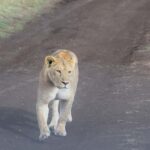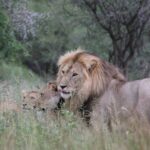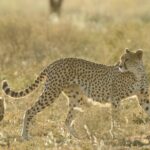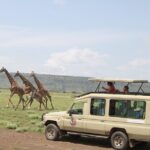
Safari done the classic way is still magic, and this one is a strong ticket. You’re built for variety: monkeys in the forest, lions in trees, elephants by acacias, and big wildlife density in Ngorongoro. What makes it especially appealing is the mix of parks that feel different each day, not just another long drive with the same scenery.
I also like how the plan is organized around real viewing time: open-roof game drives in Tarangire, full daylight searching in Serengeti, and then that legendary crater descent at Ngorongoro. One thing to think about up front: this itinerary has serious driving and long days (some run about 8 hours, and Serengeti Day 5 stretches to around 12), so it helps to be the kind of traveler who packs patience with snacks.
You’ll start with pickup help in Arusha (airport or Namanga border options), and then you’re rolling by late morning. In the feedback for this safari company, guides like Denis and Justin get praised for finding animals quickly and spotting what you’d swear is invisible. Other guides, like Gaspar and Rapha, also show up in the stories for strong driving skills in rough weather and steady, organized game drives.
In This Review
- Key Things That Make This Safari Worth Your Time
- The Big Five Circuit: How Each Park Adds a Different Chapter
- Day 1 in Arusha: Airport Pickup and a Low-Stress Start
- Tarangire National Park: Elephants, Baobabs, and River Habits
- Lake Manyara: Flamingos, Tree-Living Cats, and Primates Everywhere
- Serengeti Day 3: Ngorongoro Views En Route and a Proper Tented Camp Night
- Serengeti Day 5: The Migration Variable and Why It’s Still Worth It
- Ngorongoro Crater Day 6: Dense Viewing That Feels Like Wildlife Packing
- Back to Arusha on Day 7: Onward to Zanzibar or Home
- Price and Value: What $2,924 Buys You Here
- Guide Factor: Denis, Justin, Gaspar, and the Spotting Skill That Changes Everything
- Comfort, Timing, and Packing for 8 to 12 Hour Days
- Should You Book This 7-Day Big Five Safari?
- FAQ
- Where does the tour start in Tanzania?
- What time does the safari start each day?
- How long is the safari?
- Is this a shared group tour?
- Which parks do you visit during the 7 days?
- Are admission tickets included?
- Where do you stay during the Serengeti nights?
- What meals are included?
- Can the tour accommodate most travelers?
- What is the cancellation policy?
- If I’m flying out on KLM, what happens on the last day?
Key Things That Make This Safari Worth Your Time
- Big Five-focused route across Tarangire, Lake Manyara, Serengeti, and Ngorongoro Conservation Area
- Private tour style for your group, so you’re not sharing the vehicle with strangers
- Guides who actively locate animals, with multiple reports highlighting Denis/Justin/Gaspar-style spotting
- Serengeti and Ngorongoro set up for top viewing (especially the crater’s dense animal population)
- Multiple packed-in viewing formats: open-roof drives, full-day Serengeti search, and crater descent
- Pickup options include Kilimanjaro International Airport, Arusha Airport, or Namanga border
The Big Five Circuit: How Each Park Adds a Different Chapter
This is the kind of Tanzania safari route that doesn’t rely on one park to do all the work. You get a “stack” of habitats: river-driven wildlife at Tarangire, bird-and-woodland variety at Lake Manyara, wide-open (and migration-friendly) plains at Serengeti, then tight, concentrated viewing in Ngorongoro.
And that matters. If your one main wildlife day falls flat, you still have other chances coming. The itinerary is also designed so you’re not only chasing the animals that match the Big Five label; you’re also getting the smaller stuff that makes a safari feel alive—birds, primates, and the way different landscapes shape animal behavior.
You can also read our reviews of more tours and experiences in Arusha.
Day 1 in Arusha: Airport Pickup and a Low-Stress Start
Day 1 is basically a travel buffer with a plan. After you land, you’re picked up from Kilimanjaro International Airport, Arusha Airport, or Namanga border, then driven to your Arusha accommodation for about an hour. That’s a nice setup if you’re arriving tired, because you’re not immediately thrown into a full day of driving and game searching.
You also get confirmation at booking time, and the tour start is listed for 8:30am. That means you can build your morning routine around a real schedule instead of guessing what happens next.
Tarangire National Park: Elephants, Baobabs, and River Habits
Tarangire is one of those parks where it feels like the animals have patterns, and when you catch them at the right time, viewing can be excellent. After breakfast, you drive around two hours to Tarangire, then spend about eight hours on game viewing.
Here’s what Tarangire is known for in this route:
- Elephant families gathered around the Tarangire River
- Iconic baobab trees
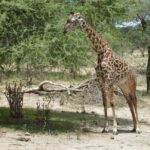
- Regular sightings of giraffe, bushbuck, and hartebeest
- Standard savannah animals like buffalo, zebra, and wildebeest
- Predators that can show up afterward in the search, including lions and leopards, with cheetahs mentioned as rarer
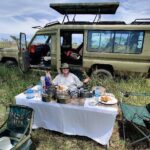
You’ll be on an open-roof safari vehicle, which is great for photography and for soaking up the air and dust without the glass barrier. You also get a picnic lunch here, so you’re not burning time finding food while the wildlife is out doing its thing.
Possible drawback: Tarangire is a popular opener for a reason. If you’re expecting nonstop action the minute you arrive, reality may vary. Wildlife is wildlife. Still, the river-focused viewing logic makes this day feel purposeful, not random.
Lake Manyara: Flamingos, Tree-Living Cats, and Primates Everywhere
Lake Manyara National Park is smaller than the big-name parks, but it packs variety into a limited area. After breakfast, you grab a lunch box and head west for about 120km to the park, with another eight-hour day planned.
Lake Manyara’s big selling point is that the salt lake area changes with seasons—covering and drying as water levels shift. That affects the animal and bird mix. It’s famous for:
- Thousands of flamingos
- 500+ bird species (so you’ll get plenty even when mammals are quiet)
- Monkeys, giraffes, zebras, wildebeest, buffalo, and elephants
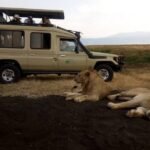
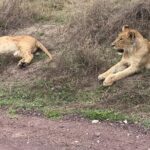
- And the headline possibility of lions lounging in trees
A bonus in this day’s approach is the diversity of habitats: open grassy parts, primate-filled woodlands, and baobab-dotted cliffs. It helps you feel like you’re moving through different “rooms” of habitat instead of staying stuck in one type of scenery.
One practical consideration: because this park is smaller, the best route can depend on where the animals are that day. Your guide’s ability to reposition the vehicle matters, and this company gets praise for that kind of active spotting.
Serengeti Day 3: Ngorongoro Views En Route and a Proper Tented Camp Night
On Day 4 (after breakfast), you head toward the fertile highlands and pass through areas where Iraqw people grow wheat, coffee, and corn. Then you go through the Ngorongoro Conservation Area, where you can see the Ngorongoro Crater before continuing to Serengeti.
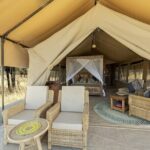
This portion is also built for food and downtime. You stop for a picnic lunch along the way, and you reach Serengeti by afternoon. You then check into Serengeti Heritage Tented Camp, with dinner and an overnight stay there.
What I like about the timing: arriving in the afternoon still gives you real light for an early evening search, and you’re not losing the whole day to relocation. The downside is that it can feel like a “transition day” compared to Tarangire and Manyara. But it sets you up for the big Serengeti push on Day 5.
Serengeti Day 5: The Migration Variable and Why It’s Still Worth It
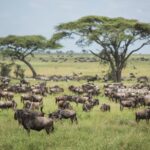
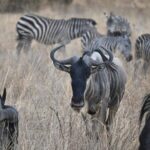
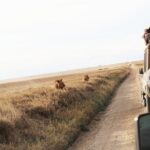
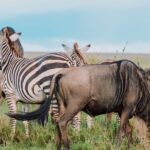
This is the long day: about 12 hours in Serengeti. You’re in for wide plains and a lot of animal movement, including the well-known migrating herds of zebras and wildebeest—but the exact action depends on the timing and rainfall patterns.
The key thing to know is this: migration is not a fixed calendar event. The itinerary frames the herds as varying by year and season, which is accurate to how Serengeti works. So instead of promising a specific crossing moment, this safari focuses on where the animals tend to be as conditions shift.
You may see:
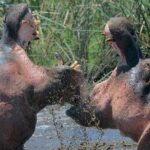
- Impalas, buffaloes, crocodiles, and hippos
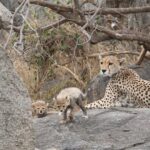
- Predators like leopards, cheetahs, and lions (depending on where prey and visibility line up)
A practical tip from the kinds of experiences people share with this safari company: if you’re traveling during a time when river crossings are happening in the broader Serengeti system, ask ahead of time whether there are extra costs or special viewing arrangements for getting a good position. One report specifically warns to pay attention to the crossing side of things.
Ngorongoro Crater Day 6: Dense Viewing That Feels Like Wildlife Packing
Ngorongoro is why this route earns its reputation. Day 6 starts with an early breakfast and includes a bit of an en-route game drive through Serengeti before heading to the crater.
The crater is UNESCO World Heritage-listed and described here as about 600m deep and around 260 sq km. The standout detail is density: roughly 25,000 animals. That’s why this day can feel intense in the best way. When you descend into the crater, you can see a lot in a short time.
You arrive at the rim before lunch, descend, and then in minutes you’re scanning for:
- Wildebeest, zebras, gazelles
- Elephants
- Plus 500+ bird species in the area
The challenge with crater days is also the best part: it’s compressed viewing. That means you’ll want to keep your camera ready and your eyes moving. If you get mentally stuck waiting for one specific animal, you’ll miss the quick passes and surprising moments around the edges.
Back to Arusha on Day 7: Onward to Zanzibar or Home
Day 7 is your reset and return. After breakfast, you drive back to Arusha for onward plans, whether that’s Zanzibar or home. The day is listed as about four hours, and the company says they’ll work with your plan based on what you share.
If your flight home is KLM, a hot lunch is offered and you’ll be dropped at the airport. If you have time, there’s also mention of shopping for gratuities. This is one of those final-day details that matters more than it sounds—because safari gifts and airport snacks add up fast.
Price and Value: What $2,924 Buys You Here
This safari is priced at $2,924 per person for the seven-day experience. Whether it feels like a splurge or a bargain depends on your priorities, but here’s how I’d break down the value based on what’s included in this plan.
You’re paying for:
- A full week of wildlife-focused routing across multiple parks
- Pickup support from several arrival points (airport or Namanga border)
- Private tour style for your group (not a shared scramble with strangers)
- Game drive structure: including open-roof viewing in Tarangire
- Picnic lunches on key travel/game days
- Park access coverage as listed in the itinerary (Tarangire, Lake Manyara, and Serengeti/Ngorongoro segments show admission ticket entries as included or free)
- Staying in Serengeti Heritage Tented Camp for at least the Serengeti nights named in the schedule
What’s not fully specified in the details I have: the exact names of every lodge and camp across all nights. The Serengeti camp is named, but you may want to confirm the other overnight places before you book so you can match expectations to reality.
So is it good value? If you want a classic route that hits both the open-plains vibe of Serengeti and the concentrated animal viewing of Ngorongoro, plus you care about having a guide who can spot animals fast, the price starts to make more sense. If you’re extremely budget-first or hate long driving days, you might compare against shorter or fewer-park options.
Guide Factor: Denis, Justin, Gaspar, and the Spotting Skill That Changes Everything
In the feedback tied to this safari company, certain guide names keep popping for reasons that aren’t “nice to hear” stories. They’re about the mechanics of a great safari day.
- Denis is described as a walking encyclopedia of nature, with reports of outstanding animal spotting even when animals are difficult to find with the naked eye. One story highlights that visitors used binoculars, while Denis reportedly spotted animals just by looking.
- Justin gets repeated praise for professionalism and for leading big wildlife moments, including predator sightings and a good position for wildebeest crossing viewing.
- Gaspar is described as personable and very effective at answering questions while helping people see what the itinerary promises and then more.
- Rapha is praised for working hard to show animals and for making the driving feel productive rather than just time on the road.
- Other names show the broader quality pattern: Bonny is mentioned with excellent French, Mako is credited in a welcome moment, and Mary and Gerson are mentioned in other related planning experiences.
Important note: you won’t know which guide you’ll get until assignment, and you shouldn’t treat names as a guarantee. But the consistency of the praise gives you a real clue about what the company aims to deliver: sharp eyes, solid driving, and guidance that turns a drive into a story you can actually understand.
My practical advice: bring binoculars if you have them, or at least ask what you’ll have access to. Even if you have great camera zoom, good binocular use helps you track wildlife before it’s close enough for photos.
Comfort, Timing, and Packing for 8 to 12 Hour Days
Safari days are long here. Tarangire and Lake Manyara are around eight hours, Serengeti is about twelve, and the crater day is about eight. That’s normal in Tanzania safaris, but it’s still worth preparing like a pro.
What I’d do before you go:
- Pack layers for early mornings and warm afternoons
- Bring rain protection. One report mentions rainy season challenges, including vehicles getting stuck in mud, and a guide handling it quickly
- Wear closed, grippy shoes. You’ll be stepping in and out of vehicles and moving around camps
- Carry sunscreen and water even when you have lunch planned
- Keep a small budget or cash ready for gratuities, since the itinerary explicitly mentions time for shopping for them
Also, if you hate “being on the clock,” plan a little downtime in your Arusha day and in the evening at camp. These camps and lodges matter because they give you a place to reset your brain after hours of scanning horizons.
Should You Book This 7-Day Big Five Safari?
I’d book this if you want a classic Tanzania route that hits the main wildlife zones people dream about—Tarangire’s elephants and baobabs, Lake Manyara’s birds and woodland energy, Serengeti’s migration-based searching, and Ngorongoro’s dense crater viewing. The structure is built for multiple chances at great sightings, and the private-group format helps it feel less rushed.
I’d hesitate if you’re sensitive to long driving days or you’re trying to keep costs extremely tight. This itinerary asks for stamina, and Serengeti Day 5 is a long one.
If you do book, do two smart things early: confirm the full overnight lodge/camp list for every night, and ask your operator how they handle river-crossing timing and any extra viewing costs if your dates overlap with those moments.
FAQ
Where does the tour start in Tanzania?
Pickup is offered from Kilimanjaro International Airport, Arusha Airport, or Namanga border, and you’re driven to your Arusha accommodation for about an hour.
What time does the safari start each day?
The start time is listed as 8:30am.
How long is the safari?
The tour runs for 7 days (approx.).
Is this a shared group tour?
It’s described as a private tour/activity, meaning only your group participates.
Which parks do you visit during the 7 days?
You visit Tarangire National Park, Lake Manyara National Park, Serengeti National Park, and Ngorongoro Conservation Area (Ngorongoro Crater), plus a return to Arusha on the final day.
Are admission tickets included?
The itinerary lists admission ticket status as included or free for the park days, and the return day is also marked as free in the details provided.
Where do you stay during the Serengeti nights?
Dinner and overnight stay are at Serengeti Heritage Tented Camp during the Serengeti portion of the safari (Days 4 and 5).
What meals are included?
The itinerary specifically mentions picnic lunch during the Tarangire day and during travel to Serengeti, plus you’ll have lunch boxes on the Lake Manyara day. Dinner and overnight are included at the Serengeti camp.
Can the tour accommodate most travelers?
The experience notes that most travelers can participate.
What is the cancellation policy?
It is non-refundable and cannot be changed for any reason. If you cancel or request an amendment, the amount paid is not refunded.
If I’m flying out on KLM, what happens on the last day?
If you fly back home on a KLM flight, the tour offers a hot lunch and airport drop-off.