REVIEW · ARUSHA
9-Day Serengeti Migration Footsteps Tanzania Safari
Book on Viator →Operated by Lion King Adventures · Bookable on Viator
Migration watching hits different.
This 9-day Serengeti-focused safari is built around the timing of the Great Migration, pairing Serengeti game drives with key stops like Tarangire and Ngorongoro Crater for animals you can’t miss.
I like two things most. First, you get multiple full days in the Serengeti so you are not stuck doing one quick drive and hoping for miracles. Second, the route targets the northern action around August, where the herd may attempt dramatic river crossings along the Mara River.
The main drawback to plan around is simple: migration sightings depend on timing and the herd’s movement. Even with the best guiding, you can’t treat a crossing like a guaranteed ticket punch.
In This Review
- Key Things That Make This Safari Worth Your Time
- Why Chasing the Great Migration Here Makes Sense
- Day 1 in Arusha: A Clean Start and Real Breathing Room
- Tarangire National Park: Baobabs, Elephant Families, and a River Pull
- The Drive Through Ngorongoro Conservation Area: Crater Glimpses en Route
- Northern Serengeti Game Drives: Less Crowds, More “Keep Watching”
- Mara River Days in Practice: What a Crossing Attempt Feels Like
- Serengeti to Ngorongoro: Timing Your Way Into the Crater Rim Night
- Ngorongoro Crater Day: Big-Five Viewing in an Unfenced World
- Lake Manyara Finish: Birds, Baobabs, and Tree-Lounging Lions
- Price and Value: What $4,539 Buys You (and What It Doesn’t)
- Food, Lodging, and Those Little Safari Comforts
- The Guide Factor: When Spotting Skills Are the Difference
- Who Should Book This Migration-Focused Safari
- Should You Book the 9-Day Serengeti Migration Footsteps Safari?
- FAQ
- Where does the safari start and end?
- Is airport pickup included?
- How long is the safari?
- Which parks and areas are visited?
- Does the itinerary target the Great Migration?
- What meals are included?
- Is private transportation included?
- What is not included in the price?
- Is this a group tour or private?
- What is the cancellation policy?
Key Things That Make This Safari Worth Your Time
- Northern Serengeti in August: a quieter part of the park with rolling country and fewer visitors, which can mean calmer viewing
- Mara River crossing days: you may catch that tense moment when herds gather and one brave wildebeest starts the rush
- Ngorongoro Crater “bowl” morning: early descent for game viewing in an unfenced reserve system
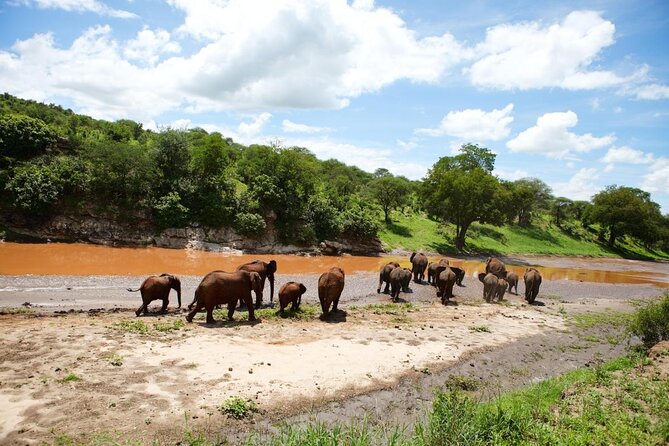
- Tarangire’s baobabs and elephant families: river-driven wildlife plus old-school safari beauty
- A true end-to-end circuit: Serengeti + Crater + Lake Manyara instead of only one ecosystem
Why Chasing the Great Migration Here Makes Sense
The Great Migration is not one event. It’s a moving calendar. In this itinerary style, you’re set up to work with that reality.
The plan is tuned to when the herds are more likely to be in specific zones: the migration is associated with the Ndutu region from December to March, and with the remote northern tip from July to November. This particular route emphasizes the northern timing, especially around August, when you may see the Mara River crossing attempts.
That matters because river crossings are not only about animals. They are about patience. You often sit and watch the herd gather, scan the waterline, and wait for the moment the group commits. This tour gives you more than one shot at that kind of day, which is exactly how you increase your odds.
You can also read our reviews of more tours and experiences in Arusha.
Day 1 in Arusha: A Clean Start and Real Breathing Room
Your safari begins in Arusha, with pickup from the airport by a Lion King representative. You overnight in town, which is a smart buffer day. It means you can arrive, settle, and sleep before you jump into long driving days and early game-drive mornings.
What I like about starting here: Arusha is the place where your body clock can catch up. Safari success is partly about focus, and a night in Arusha helps you show up ready to track animals, not just survive the first transfer.
Tarangire National Park: Baobabs, Elephant Families, and a River Pull
Tarangire is the kind of park that makes you stop and look up. The area is known for its ancient baobab trees, and the Tarangire River draws wildlife into view.
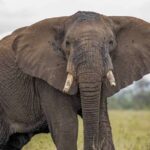
On a full day game drive, you have a good chance of seeing wildlife across different habitats and vegetation zones. Tarangire is also famed for a large elephant presence in Tanzania. In plain terms: elephants are often the star here, and not just lone animals. You may be able to watch family groups moving, feeding, and interacting.
If you care about variety before Serengeti, this day works. Tarangire gives you a different feel than the grassier Serengeti plains. Birds are plentiful too, so even when the big mammals slow down, you still get constant action.
The Drive Through Ngorongoro Conservation Area: Crater Glimpses en Route
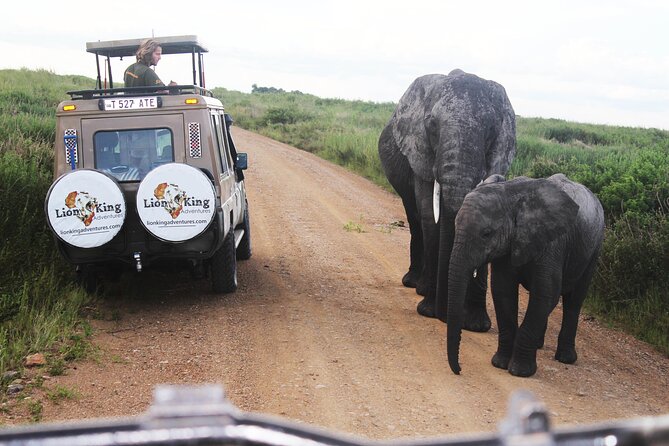
On the way into Serengeti, the route passes through the Ngorongoro Conservation Area. That’s a bonus because you’re not just transferring. You’re also looking.
You may notice the changing scenery as you travel through the Ngorongoro area, with mention of mist-shrouded rainforest pockets where baboons can appear, and where leopards and elephants might be seen in denser undergrowth. You’ll also pass by the Ngorongoro Crater for a breath-catching first look before heading onward.
This is one of those travel days that sets expectations correctly. It tells you that the animals aren’t only at the destination. The drive itself can pay you back, especially if your guide is good at reading where to pause and watch.
Northern Serengeti Game Drives: Less Crowds, More “Keep Watching”
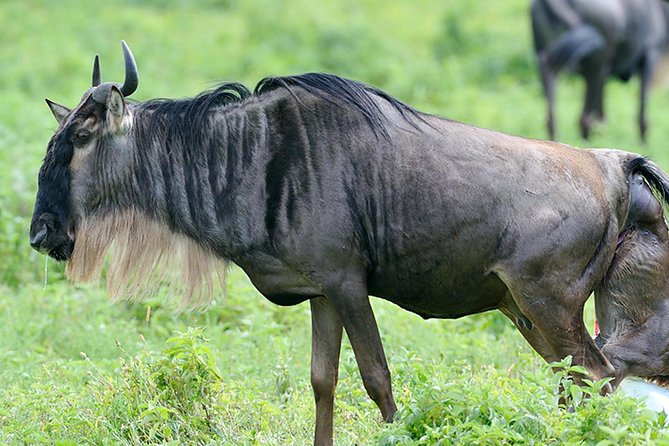
The northern Serengeti portion is described as a rolling countryside of rivers, occasional hills, and kopjes (rocky outcrops). It’s also highlighted as receiving fewer visitors than the park’s main entry point in the south. That’s not a minor point. Less pressure can mean more time with your binoculars and less time stuck in a traffic jam of other jeeps.
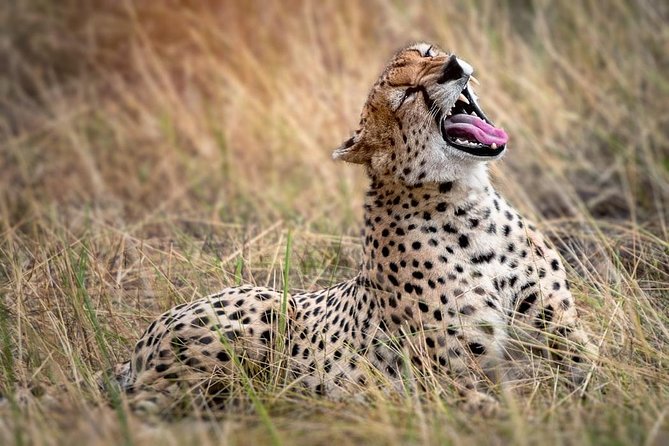
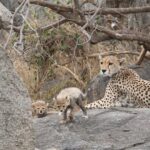
Wildlife viewing is tied to permanent residents in this area, and you may see the kind of predators that keep the food chain running: lion, leopard, cheetah, plus the steady presence of other herbivores.
You’re also in a real migration corridor during August. That doesn’t mean there will be a crossing every hour. It means the chances are higher, and the guide can position you for the moment the herd commits.
Mara River Days in Practice: What a Crossing Attempt Feels Like
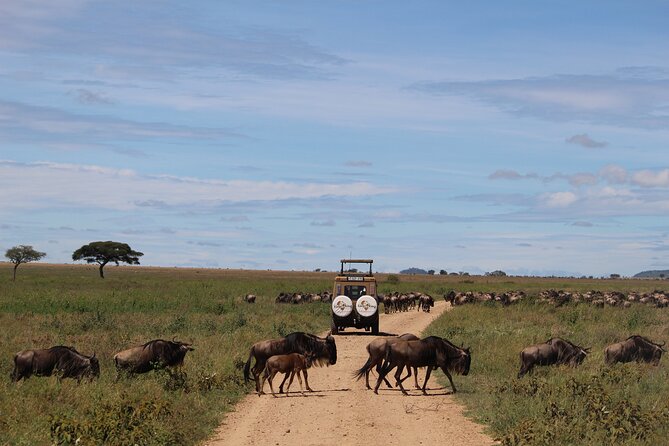
Two key days are built around the Mara River. Here’s the real drama: herds may gather on the banks, looking across the water at fresh grazing. Then they hesitate. No one moves.
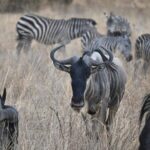
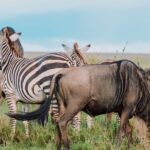
When the first wildebeest finally plunges, it changes everything. The rest often follow fast—because once the group breaks the ice, the herd’s momentum takes over. Crocodiles are part of the equation, so the waiting is not just scenic. It’s tense.
Even if a full crossing doesn’t happen on a given day, this is still one of the best ways to experience migration behavior. You get to see how the herd assesses risk, groups tight up, and then breaks formation when the decision lands. That’s why multiple Serengeti days matter. One morning’s action doesn’t always equal the next.
Serengeti to Ngorongoro: Timing Your Way Into the Crater Rim Night
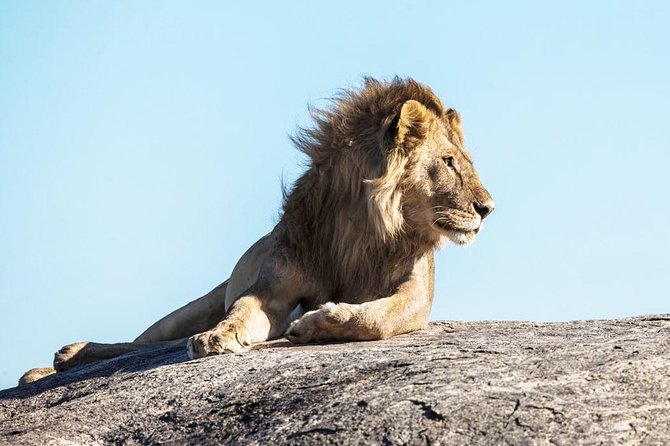
After additional Serengeti driving time, the itinerary shifts toward the Ngorongoro Crater. You travel so you arrive at the rim in the afternoon, which gives you that pre-game look at the next day’s world.
That afternoon build-up matters. The crater floor is an enclosed ecosystem, and the following morning is when the real magic often happens. Spending the night near the rim helps you wake up early without losing hours to extra transfers.
The crater is described as roughly 610 meters deep and about 260 square kilometers, created by a massive volcano explosion around three million years ago. You may not care about the geology on day one. But you’ll feel the difference once you’re descending—because it shapes how animals move inside the crater bowl.
Ngorongoro Crater Day: Big-Five Viewing in an Unfenced World
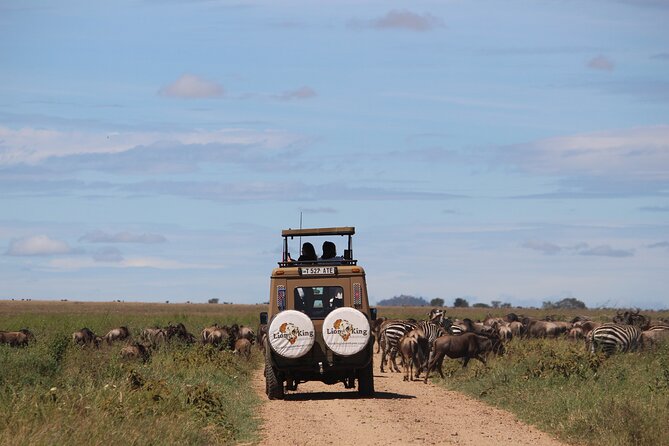
On the crater day, you go very early and descend down for wildlife viewing in the reserves that sit inside the crater. The description emphasizes that animals roam in an unfenced setting, which usually means uninterrupted viewing lines from the vehicle.
Ngorongoro is one of the top places to look for the big five, and it’s also known for other animals beyond the headline species. That’s a big reason this stop earns its place in a migration-focused safari: even if the migration action is weather-dependent, the crater day often delivers its own kind of reliable wow.
Also worth noting: the word Ngorongoro is explained as the sound of bells Maasai cows wear around their necks. That cultural detail doesn’t replace the wildlife, but it gives the day texture.
Lake Manyara Finish: Birds, Baobabs, and Tree-Lounging Lions
After breakfast you drive to Lake Manyara National Park, about 120 km west of Arusha. Even though it’s a smaller park, it’s diverse, and it’s tied to the seasons because the lake floods and dries.
It’s named for the shallow salt lake covering about 70% of the surface area, and it’s a bird powerhouse: flamingos and around 500 other bird species are part of what draws people here. For you, that means the day isn’t only about mammals. You can keep scanning even when big game chooses a rest day.
Expect to see monkey, giraffe, zebra, wildebeest, buffalo, elephant, and possibly lions lounging in trees. The park also features primate-filled woodlands and baobab dotted cliffs, so you get different viewing angles than you’d see in open grass country.
After lunch, you head back to Arusha late afternoon, which makes the end of the trip feel like a real travel day rather than a rushed goodbye.
Price and Value: What $4,539 Buys You (and What It Doesn’t)
At $4,539 per person for 9 days, this isn’t a budget safari. But it can still be good value if you care about the specific thing it promises: migration-focused time plus major safari regions.
Here’s what you’re paying for, in practical terms:
- Multiple wildlife days, not one quick Serengeti hit
- A strong combo of Tarangire + Serengeti + Ngorongoro Crater + Lake Manyara
- Park-entry-related costs are at least partially covered depending on the day, and the itinerary notes admission as included on many days
- Ground logistics are covered: private transportation, plus parking fees
- Meal coverage is built in: breakfast (9), lunch (8), dinner (7)
What you do not get included: international flights and gratitude.
So, the value question becomes: are you the type who will enjoy slow, patient migration days and crater mornings? If yes, the price starts to look more reasonable. If you only want a “see the animals fast” style trip, then you may feel the cost every time the herd is just waiting.
Food, Lodging, and Those Little Safari Comforts
Meals are included for most of the trip, and that counts more than it sounds. When you’re doing early starts and long drives, a planned breakfast and lunch schedule keeps you from spending time hunting for food or negotiating meals at odd hours.
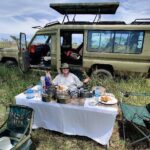
There are also signs this tour is set up with real comfort in mind after field time. The itinerary description includes dinners, including relaxation by a fire on the endless plain night. In addition, some guest feedback points out that picnic lunches are favorite parts of the day, and that tented lodge stays are clean and comfortable after long drives.
Lodging type is not spelled out in the core details for every night, but you can expect camp or lodge style stays, including a night on the crater rim area.
The Guide Factor: When Spotting Skills Are the Difference
On safari, the difference between a good trip and a great trip often comes down to the driver-guide’s eyes and timing. For this route, names you may hear associated with excellent guiding include Mwita, Enock, Gilbert, Yusuph, Shafino, Leonard, and others.
What matters for you is what these guides are known for on this kind of itinerary: finding animals, handling day flow smoothly, and giving you context so the sightings feel earned. If you’re going for the Great Migration, that skill matters even more, because you’re not just watching for animals. You’re tracking movement patterns and positioning for the moments that change everything.
Who Should Book This Migration-Focused Safari
This safari fits best if you:
- Want a serious Great Migration focus with multiple Serengeti days
- Like structured wildlife days: early drives, full park time, and crater mornings
- Travel with family or mixed ages and want a guide-managed plan
- Care about seeing both big predators and the “support cast” like birds and elephants
It has appeal for first-timers too, because the route hits iconic places without requiring you to make day-to-day decisions. It also shows up as a good fit for different travel styles, including family trips and honeymoon-type travel.
If you’re going only for a guaranteed river crossing, you should be cautious. Migration is living weather and animal behavior. This itinerary sets you up well, but it can’t force the herd.
Should You Book the 9-Day Serengeti Migration Footsteps Safari?
I’d book it if your top priority is migration behavior and you want time in the Serengeti rather than a quick drive-by. The mix of northern Serengeti (August timing) plus Tarangire, Ngorongoro, and Lake Manyara gives you a “many chances” feel across different ecosystems.
I would think twice if you’re on a tight budget, because the price is real. Also think twice if you need a guaranteed crossing. This is built around opportunity, not promises.
If you like patient wildlife viewing and you want a well-run, ground-transport-forward safari with meals and transfers handled, this route is a strong match.
FAQ
Where does the safari start and end?
It starts in Arusha, Tanzania, and it ends back at the meeting point in Arusha.
Is airport pickup included?
Yes. On Day 1, you are picked up from the airport by a Lion King representative and taken to your accommodation in Arusha.
How long is the safari?
The experience runs for 9 days (approximately).
Which parks and areas are visited?
You visit Tarangire National Park, Serengeti National Park, Ngorongoro Crater / Ngorongoro area, and Lake Manyara National Park.
Does the itinerary target the Great Migration?
Yes. It follows migration timing with Ndutu from December to March and the northern tip from July to November, including migration-focused days in the Serengeti region around August.
What meals are included?
Breakfast is included for 9 days, lunch for 8 days, and dinner for 7 days.
Is private transportation included?
Yes. The experience includes private transportation.
What is not included in the price?
International flights and gratitude are not included.
Is this a group tour or private?
It is listed as a private tour/activity, meaning only your group participates.
What is the cancellation policy?
You can cancel for a full refund up to 24 hours in advance of the experience start time. The experience also requires a minimum number of travelers; if it is canceled due to not meeting that minimum, you’ll be offered a different date/experience or a full refund.