REVIEW · ARUSHA
Multi-Day Tanzania Odssey Safari from Arusha
Book on Viator →Operated by Gosheni Safaris (T) Limited · Bookable on Viator
A week can feel short when you’re chasing wildlife, but this route uses it well. You’ll hop between Tarangire, the UNESCO Ngorongoro Crater, and different sections of Serengeti to boost your odds of big-animal sightings. The private setup means you’re not stuck waiting on anyone else’s schedule.
What I like most is how practical the plan is: your trip includes lodging, meals, bottled water, and private transport between parks, so you spend more time watching and less time figuring logistics. I also like the variety of ecosystems in just six nights, because Tarangire’s dry-season water story and Serengeti’s river crossings are totally different styles of safari.
One thing to think about: your timing affects migration sightings, and Mara River crossings are never guaranteed. If you’re coming at a time when the herds are elsewhere, you’ll still see wildlife, but the big photo moments may be hit-or-miss.
In This Review
- Key takeaways before you go
- Private safari, fast stops: what this 7-day circuit is really buying you
- Day 1 arrival in Arusha: settling in at Mount Meru Hotel
- Tarangire National Park: elephants, baobabs, and that dry-season water pulse
- Ngorongoro Crater day: picnic on the floor and the promise of black rhinos
- Central Serengeti (Seronera): migration season drama, July to October
- Northern Serengeti around the Mara River: crossings are the headline, luck is the fine print
- Lodging style: luxury lodge vs luxury tented camp
- Day 7 back toward Arusha: Kogatende Airstrip and your flight planning
- What’s included—and why that changes the real value of the price
- How private drives feel in real life: flexibility is the quiet superpower
- Packing and readiness: moderate physical fitness, long days, and heat
- Who this Tanzania northern circuit suits best
- Should you book this safari? My straight answer
- FAQ
- What parks are included on this safari circuit?
- How many days and nights is the safari?
- Is this a private safari or shared group?
- What meals are included?
- Do I need to pay for bottled water?
- What airport pickups and drop-offs are included?
- Do I need a flight during the safari?
- What’s the main accommodation style during the trip?
- Are alcoholic drinks included?
- What happens if conditions affect the safari schedule?
Key takeaways before you go
- Private vehicle, private pace: your driver/guide can adjust timing based on conditions and where wildlife is moving.
- Tarangire + Ngorongoro in the same trip: two very different wildlife “shows” with a crater day that’s famous for density.
- Central Serengeti toward Seronera: a good setup for migration season animals and classic savanna views.
- Northern Serengeti (Mara River area): best odds for crossings, but crossing days can be luck.
- Luxury lodge to luxury tented camp: you get comfort without losing the safari feel.
Private safari, fast stops: what this 7-day circuit is really buying you
This is the kind of itinerary I recommend when you want northern Tanzania highlights without rushing like a bus tour. The tour is structured around six nights and multiple parks, which matters because Tanzania’s wildlife isn’t stuck in one place. By moving from Tarangire to the Ngorongoro area to Central and then Northern Serengeti, you’re following different habitats and different animal patterns.
You’re also going private. That doesn’t just mean fewer people. It usually means fewer delays at gates, a better chance of getting on the right road at the right time, and more freedom to slow down when you’re watching something good unfold. On safaris, the best moments can happen in the “almost there” phase, not only at the main viewpoint.
Finally, the itinerary is built so that a lot of the heavy lifting is handled for you. Your meals and bottled water are included, and you’re using a private vehicle with a driver/guide. When you’re doing long park days, that support translates into less decision fatigue.
You can also read our reviews of more tours and experiences in Arusha.
Day 1 arrival in Arusha: settling in at Mount Meru Hotel
Your safari starts with pickup at Kilimanjaro International Airport near Arusha, then you’re taken to an overnight stay at Mount Meru Hotel.
That first night is more than just a place to sleep. It gives you a buffer day after arrival so you can recover from travel and get your bearings before the first full park drive. If you’ve ever arrived exhausted and tried to go straight into wildlife viewing, you already know how much better it feels when you start calm.
Dinner isn’t detailed here, but it’s included as part of your Day 1 program (breakdown shows dinner). You’ll also have the basics handled while you transition from flight mode to safari mode.
Tarangire National Park: elephants, baobabs, and that dry-season water pulse
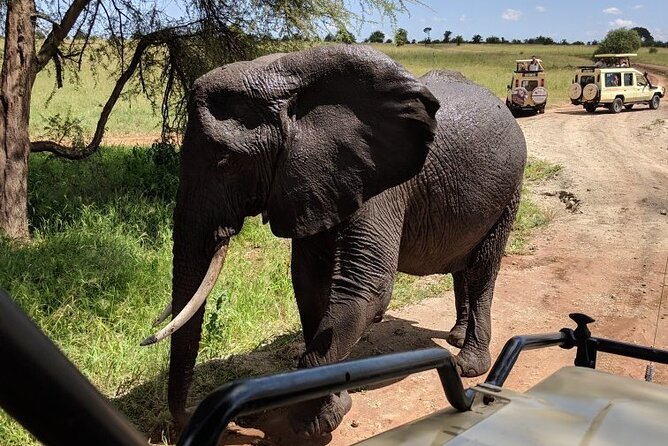
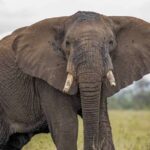
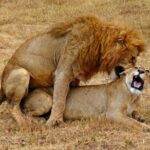
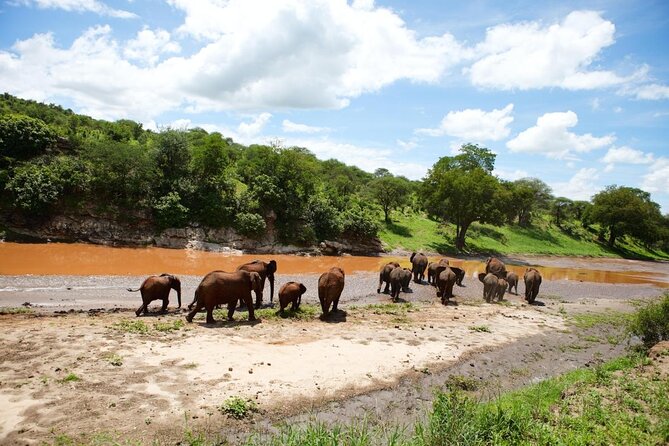
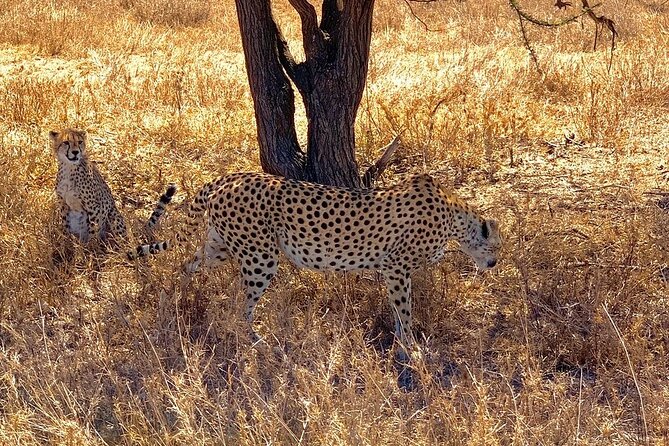
Day 2 is all about Tarangire National Park, in Tanzania’s Manyara region. This park earns its reputation fast because it has three signature pieces: elephants, tree-climbing lions, and baobab trees—often called the Tree of Life.
Tarangire is especially interesting because of water. The Tarangire River flows year-round, and it’s described as the key water source during dry seasons. Practically, that means animals concentrate where survival requires it. When wildlife gathers around a reliable water line, your game drives become more predictable, and your sightings tend to come in clusters rather than scattered moments.
What you should watch for beyond the big animals:
- The baobabs aren’t just scenery. They create natural “stages” where predators and prey can move and pause.
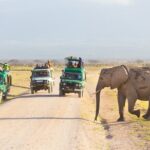
- The park’s elephant herds often determine the pace of the drive, because everything else reacts to their presence.
You’ll also have a luxury lodge for the night after a long day (breakfast, lunch, dinner included).
Ngorongoro Crater day: picnic on the floor and the promise of black rhinos
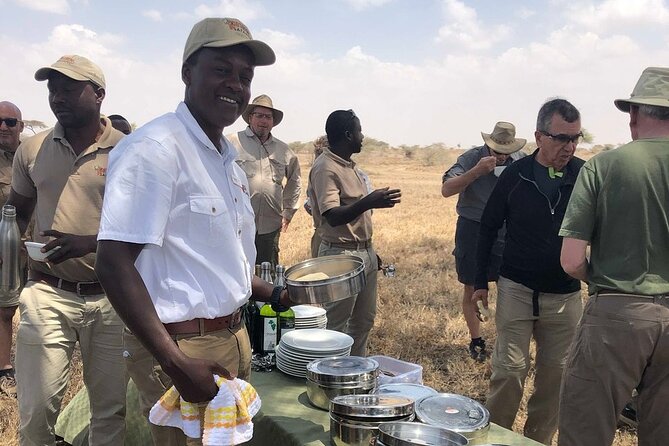
On Day 3 you head to Ngorongoro Crater for a full crater tour. You’ll drive in, then descend to the crater floor for the day tour with a picnic lunch.
Ngorongoro stands out because it packs huge density into one place. The itinerary describes around 20,000 mammals living in the area, including about 20 black rhinoceros. It also notes high carnivore density, which is a big deal for your chances of seeing predators during daylight hours rather than only hearing about them later.
How to think about this day:
- A crater is like a natural arena. You’re not driving across wide-open savanna for hours hoping something moves into view.
- Still, you’re not guaranteed every animal, even with that density. But your time on the crater floor is usually more productive when you focus on tracks, pauses, and feeding behavior.
Overnight is another luxury lodge night, so you’re not paying the “comfort tax” that some budget itineraries make you accept after long drives.
Central Serengeti (Seronera): migration season drama, July to October
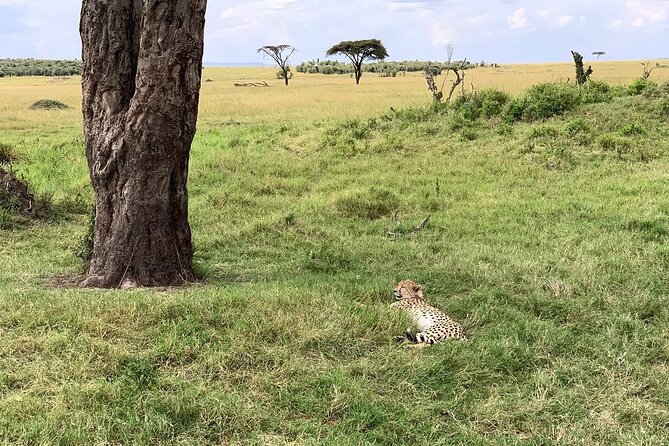
Day 4 moves you into Central Serengeti National Park, often called Seronera in itinerary language. You’ll drive with a picnic lunch and do game drives along the route.
This section matters because Serengeti is where the annual migration story becomes real. The itinerary calls out migration of over 1.5 million wildebeest plus hundreds of thousands of zebras, with the most described timing from July through October.
It also highlights an intense reality: animals plunging through crocodile-infested waters during crossings. That detail is useful because it tells you what you’re actually chasing. You’re not just trying to see movement—you’re trying to see the exact moment when herds commit to a crossing or tighten up around a predator risk.
A quick expectation check:
- If you travel outside July–October, you can still see wildlife, but the migration action may not match the peak storyline.
- If you’re there during the stated window, your drive planning can matter a lot. The operator will likely adjust where you spend time to match movement patterns.
You stay at another luxury lodge night.
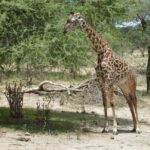
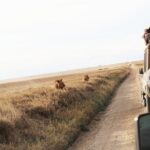
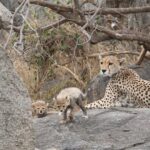
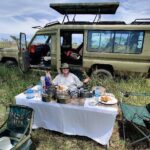
Northern Serengeti around the Mara River: crossings are the headline, luck is the fine print
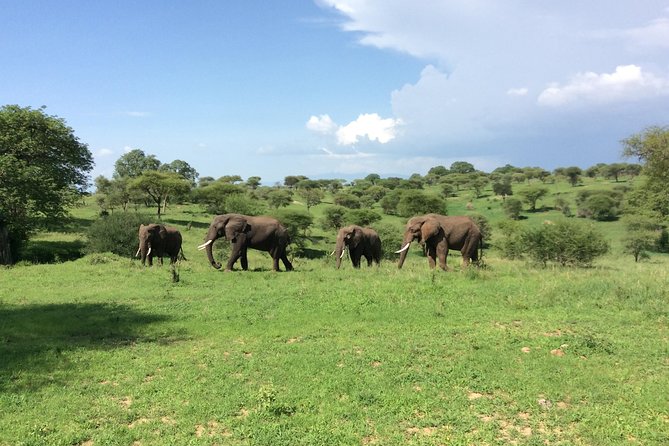
Days 5 and 6 take you to Northern Serengeti National Park, focusing on the Mara area. The centerpiece here is the Mara River, and the itinerary is honest: it’s not uncommon to see herds cross north one day and then move back south a few days later, but finding a crossing is very challenging and can come down to luck.
That’s the right mindset. You’re going to put in full game-drive days, and the Mara River is a moving target. Some days the herds show up fast. Other days, they don’t show up at all in the window you’re there.
Still, Northern Serengeti isn’t only about crossings. It’s described with kopjes, woodland, riverine vegetation, and open plains, similar to Kenya’s Masai Mara. That matters because even when the crossing doesn’t happen, you still have strong habitat variety where predators, grazers, and seasonal movements show up differently.
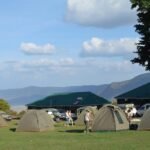
You’ll also shift lodging style to a luxury tented camp for these nights. That blend of comfort and “in-the-wild” feel is a big part of why people love this route.
Lodging style: luxury lodge vs luxury tented camp
Across the trip, you move between two main lodging types:
- Luxury lodge for Tarangire, Ngorongoro, and Central Serengeti nights.
- Luxury tented camp for Northern Serengeti.
From a comfort standpoint, that’s a smart pacing choice. Long drives are easier to absorb when your nights are consistent and restful. From a safari feel standpoint, the tented camp adds a different atmosphere when you’re spending your days in the Mara region.
What I’d tell you to think about is how you want to recharge:
- After Ngorongoro, a lodge night helps you reset after a steep day.
- After Mara River chasing, the tented camp experience feels more “safari” and often makes the long drives feel worth it.
Your guide and driver also matter here. In past trips with operators like this, names such as Bariki, Andrew, and Juma come up in connection with seeing animals and keeping the drive educational and calm. That kind of tone makes a huge difference when you’re waiting for the herd to appear.
Day 7 back toward Arusha: Kogatende Airstrip and your flight planning
On Day 7, you drive to Kogatende Airstrip to catch your flight to Arusha. This flight is listed as own expense.
Then you arrive for lunch and afterward are driven to the airport for your flight home.
This is the main logistical piece you need to plan before you ever get on the safari vehicle. You can’t assume the air leg is included, because the information is clear that your return flight from Kogatende to Arusha is not part of the package.
Also, notice the flow: it’s not a late-day stroll-back option. It’s a defined schedule day with driving and a flight segment, so you’ll want to coordinate your onward travel timing carefully.
What’s included—and why that changes the real value of the price
The price is listed at $4,164.11 per person for about 7 days. That number can look steep until you break down what’s actually handled.
Included basics that move the needle:
- All accommodation as per the itinerary (lodges and a tented camp).
- Meals across the days (breakfast, lunch, dinner as specified).
- Airport pickup and drop-off.
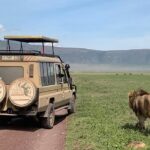
- Transport by private vehicle between parks.
- Bottled water.
- Driver/guide.
When you’re doing multiple parks, those add up fast on your own. Park days can mean expensive add-ons if you book piecemeal. Here, the package covers the big costs that usually catch people off guard: the vehicle, the guide time, and the overnight stays.
What’s not included:
- Alcoholic drinks.
- The Kogatende Airstrip to Arusha flight.
That’s actually a pretty clean split. If your goal is maximum wildlife time with minimum admin, this structure fits.
How private drives feel in real life: flexibility is the quiet superpower
A private safari isn’t just a perk. It changes how you handle uncertainty, like:
- where animals are moving today,
- how roads and weather affect timing,
- how long you should linger when something interesting appears.
The itinerary also calls for multiple big-day drives. The Tarangire day and the crater descent day are both long, and the Serengeti days require patience for migration-related sightings.
In the feedback tied to this kind of circuit, guides like Calvin Kileo, Albert, Fidelis, and Ombeni show up for a reason: people credit them with spotting animals and making the drives feel meaningful, not just repetitive. You can treat that as a strong hint to ask your guide how they work the day—what they watch for, what cues they use, and where they think the best chances are during your time window.
Packing and readiness: moderate physical fitness, long days, and heat
The tour asks for moderate physical fitness. That doesn’t mean you need to be a marathon runner, but you should be ready for:
- long game-drive days,
- walking around viewpoints during park time,
- getting in and out of the vehicle repeatedly.
You’ll also be in Tanzania’s safari climate, which often means hot afternoons and cooler early starts. If you prepare with that in mind—hat, sunscreen, light layers, and comfortable footwear—you’ll enjoy the drives more.
One small but important practical tip: bring a light daypack. With the package including meals and bottled water, your personal focus can stay on comfort and staying alert for sightings.
Who this Tanzania northern circuit suits best
This safari is a strong match if:
- you want multiple parks in one trip instead of choosing just Serengeti or just the crater,
- you care about flexibility and prefer a private vehicle pace,
- you want comfortable lodging without giving up the authentic safari rhythm.
It may be less ideal if:
- crossings are the only reason you’re going and you get upset when nature doesn’t schedule itself,
- you hate early starts and long driving days (this route is built for full safari time).
If you’re a couple, a small group, or even a family traveling with adults, the private setup is a good fit. The tour also notes that children must be accompanied by an adult, so plan around that.
Should you book this safari? My straight answer
I’d book it if you want a well-structured northern Tanzania hit list with lodging, meals, and transport handled. The combination of Tarangire’s dry-season concentration, a Ngorongoro crater day built around dense wildlife, and then two focused nights in Northern Serengeti/Mara gives you a smart shot at big moments.
I’d pause before booking if your calendar is locked so tight that you can’t handle migration action being unpredictable. Even with good planning, Mara River crossings can be hard to catch.
If you can travel in the July–October window and you’re okay with some luck being involved, this route has a great balance of comfort and wildlife chances. And if your goal is to feel like you’re traveling with a team that’s focused on animals and calm logistics, the private guide setup is exactly the right match.
FAQ
What parks are included on this safari circuit?
It includes Tarangire National Park, Ngorongoro Crater (Ngorongoro area tour), central Serengeti (Seronera), and northern Serengeti with time in the Mara area.
How many days and nights is the safari?
It runs for about 7 days with six nights on safari.
Is this a private safari or shared group?
This is a private safari/activity, meaning only your group participates.
What meals are included?
Breakfast, lunch, and dinner are included according to the itinerary (with breakfast on most days plus packed/picnic lunches where noted).
Do I need to pay for bottled water?
No. Bottled water is included.
What airport pickups and drop-offs are included?
You get pickup and drop-off associated with Kilimanjaro International Airport near Arusha.
Do I need a flight during the safari?
Yes. You fly from Kogatende Airstrip to Arusha, and that flight is own expense. Your Day 7 schedule also includes driving to the airport for your flight home.
What’s the main accommodation style during the trip?
You stay in luxury lodges for the earlier park nights, then move to a luxury tented camp for the Northern Serengeti nights.
Are alcoholic drinks included?
No. Alcoholic drinks are not included and are available to purchase.
What happens if conditions affect the safari schedule?
The experience notes it requires good weather and can be canceled due to poor weather, in which case you’ll be offered a different date or a full refund. It can also be canceled if a minimum number of travelers isn’t met, with a different date/experience or a full refund.