Serengeti and Ngorongoro in three days. This camping safari hits Tanzania’s two big icons fast, with real 4×4 game drives and nights under the stars. I especially liked campsite meals prepared by SafariHQ chefs, and how guides like Daniel Lyimo help you spot and understand what’s moving in front of you.
One thing to plan for: camping is part of the package, so comfort can be basic. One night’s facilities (like ablutions) may not feel spotless, and the Ngorongoro area can get cool enough that you’ll want warm layers for evenings.
Key highlights to care about
- Two ecosystems, one tight plan: Serengeti plains first, then the Ngorongoro crater bowl.
- Small group pace (max 6): easier vehicle flow and more chance for your guide to focus on your questions.
- Chef-driven camp meals: breakfast and dinner are included, plus coffee and tea daily.
- Ngorongoro’s black rhino odds: the crater is home to the last few East African black rhino.
- Lake Magadi soda flats: flamingos are a real possibility when you’re in the right areas.
- Included Maasai boma visit: a cultural stop built into the safari rhythm.
In This Review
- Entering Tanzania’s Most Famous Wildlife Routes: Serengeti Meets Ngorongoro
- Arusha Pickup and a 4×4 Rhythm That Feels Like a Real Safari
- Day 1 in the Serengeti: Highlands to Plains and Your First Big Wildlife Scans
- Day 2: Seronera Campsite Lunch, Then a Long Wildlife Day Toward the Crater Rim
- Ngorongoro Crater Day 3: Descend for Black Rhino, Lions, and Flamingos
- Included Camping, Chef Food, and the Maasai Boma Stop That Adds Context
- Price and Value: Is $1,100 a Good Deal for This Safari?
- Packing for Real Safari Days: Heat on the Plains, Cool at Ngorongoro Nights
- Tips and Small Extras That Matter Day-to-Day
- Should You Book This 3-Day Serengeti & Ngorongoro Camping Safari?
- FAQ
- How long is the safari?
- What is the price per person?
- Where does the safari start?
- Does the trip include park and camping fees?
- Are meals included?
- Is a Maasai boma visit included?
- What wildlife should I focus on in Ngorongoro Crater?
- How big is the group?
- Is airport transfer included?
- Is free cancellation available?
Entering Tanzania’s Most Famous Wildlife Routes: Serengeti Meets Ngorongoro
This safari works because it matches your expectations with how wildlife actually behaves. The Serengeti gives you space—open plains, big herds, and predators hunting with patience. Then Ngorongoro changes the game. You descend into a volcanic caldera that feels like a natural amphitheater, where animals concentrate and you can spend the day scanning a closed bowl.
What I like about the pairing is the shift in “seeing.” In the Serengeti, you’re often hunting for action across wide distances. In Ngorongoro, you’re more often watching from a set viewpoint as herds move along the crater floor. That change makes a short safari feel longer, because your eyes get new patterns each day.
Arusha Pickup and a 4×4 Rhythm That Feels Like a Real Safari
You start around Arusha with pickup offered and airport transfers included, which matters because time in Tanzania can get eaten by logistics. This trip keeps things straightforward: you travel by 4×4 with your guide and you’re not stuck negotiating rides on your own.
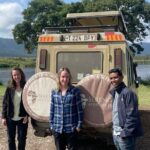
Group size is capped at 6. That small number shows up in the day-to-day pace. It usually means fewer delays for seating in the vehicle, less waiting at photo stops, and more room for questions while you’re stopped to watch animals.
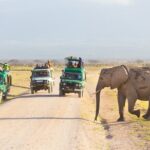
The vehicles are part of the experience because they’re designed for parks. You’ll want your seat positioned so you can scan quickly. When your guide calls a possible sighting, you’ll be ready.
You can also read our reviews of more tours and experiences in Arusha.
Day 1 in the Serengeti: Highlands to Plains and Your First Big Wildlife Scans
Day 1 begins with a safety talk and briefing, then you drive through the Ngorongoro Highlands area before reaching Serengeti National Park for an afternoon game drive. I like this order. It helps you acclimate to the landscape and gives you a gentle warm-up before the full day of crater viewing.
The Serengeti is Tanzania’s oldest national park and a World Heritage site. It’s also famous for the Great Wildebeest Migration. Even when you’re not in peak migration timing, the park still delivers. Large mammals move through the same systems—water, grass, and cover—so you’re still likely to see the cast of characters that make people come here in the first place.
In practical terms, an afternoon drive is a great time to get your “spotting skills” going. Light is often better for scanning. Animals tend to move toward feeding areas as the day cools. And you’ll learn how your guide reads the land—where wildlife tends to appear first.
What to watch for on this first drive
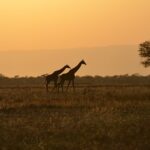
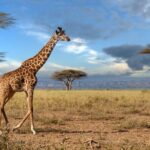
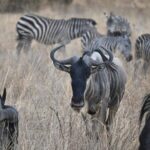
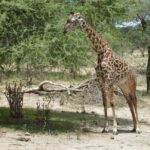
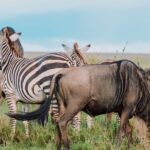
- Common savanna species like zebra, giraffe, and wildebeest
- Predators when the moment lines up (your guide will work hard to find them)
- The overall feel of the park—wind, dust, distant calls, and the sense that the landscape is alive
Possible downside: because this is an afternoon start, you might not see everything you’d see in a full early-morning marathon. Still, it’s a smart way to start without burning out Day 1.
Day 2: Seronera Campsite Lunch, Then a Long Wildlife Day Toward the Crater Rim
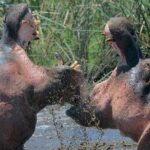
Day 2 starts with a morning game drive in the Serengeti, described as a place with a high concentration of large mammals. Expect your guide to call out animals as you go—cheetah, wildebeest, lion, giraffe, buffalo, hippo, and smaller antelope like dik-dik and impala. Leopards can happen too, and that’s usually the kind of sighting that makes your group pause mid-sentence.
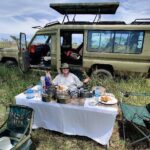
This day also includes an important reset: you return to Seronera Campsite for a cooked lunch prepared by SafariHQ chefs. I like this because it’s not just food—it’s a break from the constant scanning. You sit, eat, and recharge while your guide is also likely thinking about the plan for the afternoon.
After lunch, you head out for another game drive en route through Serengeti National Park and the Ngorongoro Conservation Area, continuing to the Ngorongoro Crater Rim. That drive matters. It turns the crater from a distant idea into a real place you’re about to descend into.
What this day gives you
- Better odds for predators and big sightings because you’re on the move across two key areas
- A structured day: morning viewing, lunch, then a scenic run to the rim
- A smoother night approach, since you’re ending closer to where you’ll start on Day 3
Consideration: you’ll be in the vehicle for long stretches. If you’re sensitive to bumpy roads, bring what helps you stay comfortable (more on that in packing).
Ngorongoro Crater Day 3: Descend for Black Rhino, Lions, and Flamingos
Day 3 is the headline. You descend into Ngorongoro Crater for a day of game viewing. This crater is the world’s largest intact volcanic caldera, a bowl about 265 square kilometers wide with sides up to 600 meters deep. The result is concentration: approximately 30,000 animals can be in the crater at any time.
Your guide’s job here is position and timing. On this kind of terrain, a good spot can make the day feel like a greatest-hits playlist.
Black rhino odds (and why this matters): the crater is home to the very last few black rhino left in East Africa. Even if you don’t see one on your exact day, the fact that this is one of the main strongholds is the reason Ngorongoro sits at the top of many safari lists.
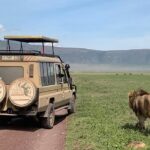
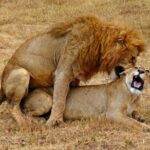
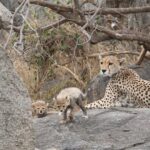
You’ll also have a shot at other predators like leopard and cheetah, plus the majestic black-maned lion. Many sightings are a timing game, not a “can you find it” game. That’s where a strong guide makes the difference.
Flamingos are also a highlight if conditions line up. The soda waters of Lake Magadi can attract flamingos, so your guide may angle you toward the right areas.
What you should expect to see
- Wildebeest, zebra, eland, gazelle
- Lions (a big draw here)
- Sometimes cheetah and leopard, depending on the day
- Flamingos when you’re in the right section near Lake Magadi
Quick drawback to keep in mind: you’ll be out for a day focused on viewing from the rim and crater floor. If you get restless sitting still, you’ll still want to stay patient. In Ngorongoro, the best action can pop up when you least expect it.
Included Camping, Chef Food, and the Maasai Boma Stop That Adds Context
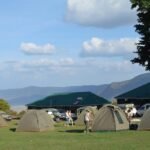
This is a camping safari, so camping is not a side note. Your accommodations are included as listed, and the trip covers park and camping fees. That’s one of the value wins of organized safaris: you’re paying for entry and logistics, not just a vehicle.
Food is also included, and it’s not presented as a “snack and go” situation. You get all meals—breakfasts, lunches, and dinners. Mineral water is provided daily, plus coffee and tea daily. One of the most praised parts of this safari is the cooking, with multiple people highlighting that meals were delicious and that the team had it under control.
There’s also a Maasai boma visit included. This kind of stop is useful because it breaks up the pure wildlife focus with human context. You’ll get a chance to see a different side of the region and learn how people live nearby.
Practical comfort reality check: camping can mean variable facility cleanliness. Some people mention that ablutions on one night weren’t as clean as they’d hoped. So pack things that make shared facilities less stressful (wipes, hand sanitizer, quick-dry towel).
Price and Value: Is $1,100 a Good Deal for This Safari?
At $1,100 per person, this is not a budget trip. But it also isn’t just you paying for “a car and a driver.” What you’re covering includes all fees and taxes, park and camping fees, a 4×4 safari vehicle and guide, and all meals plus daily drinks.
You’re also getting a compact three-day structure that targets the two most famous wildlife zones in a way that doesn’t waste time. Many Tanzania trips cost more when you add up park fees, vehicle time, and the cost of meals during multiple days.
The value gets stronger if you care about:
- A maximum group size of 6
- Having meals handled for you
- Visiting Ngorongoro as part of the same short trip as the Serengeti
Who this price fits best: people who want a real wildlife focus and don’t want to stitch together multiple day tours on their own.
Who might reconsider: if you’re chasing the absolute highest level of camp comfort, this format may feel too basic for your taste. The trade is access and concentration on wildlife.
Packing for Real Safari Days: Heat on the Plains, Cool at Ngorongoro Nights
Even without giving you a weather forecast, you can plan with the reality from experience: you’ll likely do long days under open skies, then face cooler evenings near the crater rim.
Here’s what I’d pack for comfort, based on what tends to matter on this kind of trip:
- A warm layer for nighttime in the crater area (multiple people noted needing warmth)
- Sunscreen and a hat for long vehicle viewing days
- Good closed-toe shoes for crater rim time and camp walks
- A light rain layer if you want to stay calm in changing conditions
- Wet wipes and hand sanitizer for camp facilities
- Binoculars if you own them (not required by the data, but it helps with scanning)
Also note: porterage is not included. If you’re carrying more luggage than you want to manage on uneven ground, you may want to plan how you’ll handle it.
Tips and Small Extras That Matter Day-to-Day
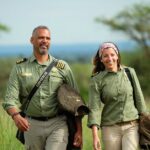
The tour notes guide tips separately. You’re asked to tip drivers $20 per day. I treat that as part of being a good safari partner, not a surprise cost. If you’ve got a great guide like Daniel Lyimo or Emmanuel, you’ll want the tip to match the effort.
Alcoholic beverages are not included, so if you want drinks in the evenings, plan on buying them separately.
Laundry, hotel phone calls, and similar extras aren’t included. If you want laundry, you’ll need to arrange it outside the safari.
Should You Book This 3-Day Serengeti & Ngorongoro Camping Safari?
I think this is a strong booking choice if you want maximum wildlife time in a short window and you’re comfortable with the camping trade-off.
Book it if:
- You want Serengeti plus Ngorongoro on a tight schedule
- You care about a small group (max 6) and a guide who works hard to place you for sightings
- You like the idea of having meals handled—especially if you value good camp cooking
- Ngorongoro’s black rhino possibility is a top priority for your trip
Consider other options if:
- You need very high comfort at camp and spotless facilities every night
- You’re not into long game-viewing hours from a vehicle
If you’re the kind of person who enjoys watching animals more than “collecting attractions,” this safari format makes sense. You’ll spend your time where the wildlife is, and you’ll do it with a crew that keeps the day moving.
FAQ
How long is the safari?
It runs for about 3 days.
What is the price per person?
The price is $1,100.00 per person.
Where does the safari start?
It’s based in Arusha, Tanzania, with pickup offered.
Does the trip include park and camping fees?
Yes. All fees and taxes and park & camping fees are included.
Are meals included?
Yes. All meals are included (breakfasts, lunches, and dinners), plus coffee and tea daily and mineral water daily.
Is a Maasai boma visit included?
Yes. A Maasai boma visit is included in the program.
What wildlife should I focus on in Ngorongoro Crater?
Ngorongoro is known for the last few black rhino in East Africa, and you may also see lions, plus other species like wildebeest and zebra. Flamingos can be seen around Lake Magadi.
How big is the group?
The safari has a maximum of 6 travelers.
Is airport transfer included?
Yes. Airport transfers are included.
Is free cancellation available?
Yes. You can cancel for a full refund up to 24 hours in advance of the experience’s start time.