REVIEW · ARUSHA
3 Days Safari to Serengeti National Park & Ngorongoro Crater in Tanzania
Book on Viator →Operated by Kipok Africa Adventures · Bookable on Viator
Three days, two legends of Tanzania. This safari strings together the Serengeti and Ngorongoro Crater with a private 4×4 setup, plus stop-ins that add meaning beyond spotting animals. I like the way the plan is built around real wildlife time in the parks, not just check-the-box stops. I also like the inclusion of Olduvai Gorge’s museum and the crater’s soda lake and spring area, so you understand what you’re seeing, not just watch it go by. The one consideration: the schedule is early and outdoorsy, and this is a camping-style safari, not a hotel break between drives.
What you get in return is a tight, focused safari that keeps you moving when the animals are most active. With a maximum of 7 travelers and a private customized vehicle, you’ll usually have a lot more flexibility than with big, rigid groups. Just know that 3 days can’t cover every corner of the Serengeti, so your best chance is going with the flow and listening closely when your guide spots action.
In This Review
- Quick Safari Highlights
- Serengeti and Ngorongoro: Why This 3-Day Combo Works
- The Private 4×4 and Small Group Setup (Max 7)
- Day 1 in the Great Serengeti: Early Breakfast, Picnic Lunch, Big Animal Country
- What to watch for on Day 1
- Day 2: Serengeti Morning Drives, Olduvai Gorge, Then Ngorongoro Rim
- A practical heads-up for Day 2
- Day 3: Descending 19.2 km Into Ngorongoro Crater for Big Five Viewing
- Lunch at Ngoitoktok spring
- Guides and Camp Food: The Stuff You Actually Remember
- Camping setup: included gear, real outdoors time
- Price and Value: Is $1,200 Fair for 3 Days?
- Who This Safari Suits Best (And Who Should Rethink It)
- Should You Book This 3-Day Serengeti and Ngorongoro Safari?
- FAQ
- Where does the 3-day safari start and end?
- How long is the safari?
- What does it cost?
- Is pickup offered?
- How many people are in the group?
- What vehicle will I travel in?
- Are park fees and meals included?
- What are the main sightseeing stops?
- Is there a mobile ticket?
- What is the cancellation policy?
- Should you worry about timing?
Quick Safari Highlights
- Private, customized 4×4 with fuel included for better viewing angles and smoother travel between parks
- Olduvai Gorge museum stop linked to early human evolution discoveries by Louis and Mary Leakey
- Big Five odds in Ngorongoro including the rare black rhinoceros
- Ngoitoktok spring picnic site for a break inside the crater area
- Camping equipment and meals included so you spend energy on wildlife, not logistics
- Strong track record with a 4.9 rating and 97% recommendation from 34 reviews
Serengeti and Ngorongoro: Why This 3-Day Combo Works
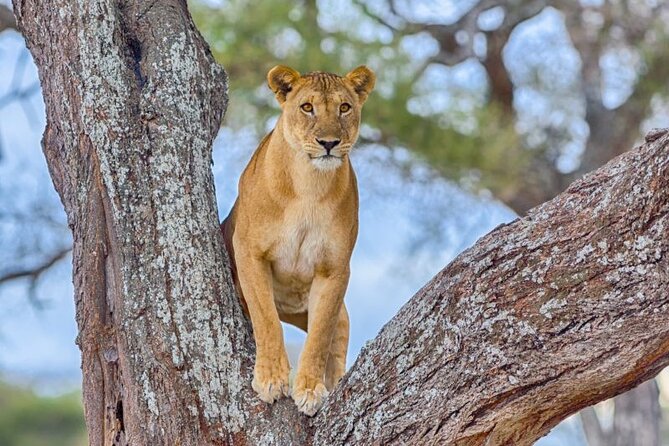
This route works because it gives you two very different kinds of wildlife viewing. Serengeti is all about wide-open savanna and big-sky drama. Ngorongoro is a natural amphitheater where animals funnel into a smaller space. In just three days, you go from long grass and migration country to a crater floor that feels like a living reserve.
The tour also keeps the pace sensible for a first-timer. You’re not bouncing between dozens of towns. Instead, you’re spending most of your time doing what you came for: game drives, crater descent, and a couple of stops that add context.
And it’s not a “bus tour” vibe. The vehicle is private and customized, with an English-speaking guide and a knowledgeable driver. That combination matters. Good guides don’t just point. They anticipate where animals will be, based on terrain, movement, and behavior. In the feedback, names like Frankie, Albert, Joel, Ismael, Jordan, and Bryson come up again and again for making the drives count. On top of that, John and Mtumishi are credited with excellent food, which is honestly the kind of detail that keeps morale high when you’re up early.
You can also read our reviews of more tours and experiences in Arusha.
The Private 4×4 and Small Group Setup (Max 7)
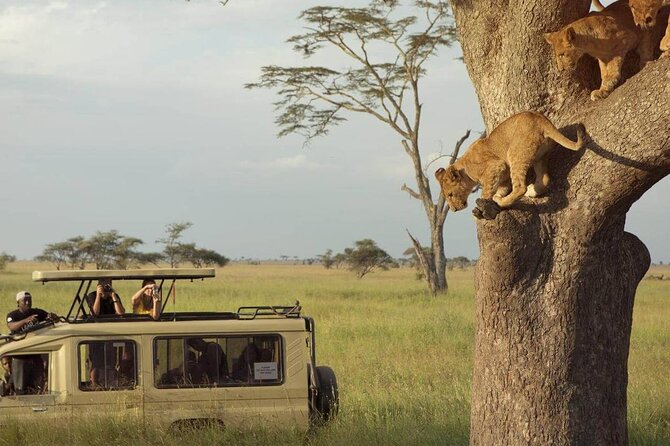
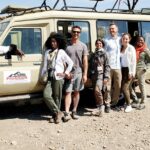
If you’re choosing between a crowded safari and something more personal, this one leans toward personal. The tour caps the group at 7 travelers, and you’re traveling in a private 4×4 with fuel included. That means fewer people in your viewing space and fewer compromises when the guide wants to position the vehicle for the shot.
Practically, it helps with two things:
- You’re more likely to get close enough to see real behavior, not just distant silhouettes.
- When animals show up unexpectedly, the guide can adjust quickly without waiting for a dozen other passengers to get their act together.
You’ll also appreciate that you’re not scrambling for daily transport. Pickup is offered from Arusha, and you’ll be driven between stops—Serengeti, toward Ngorongoro rim, then down into the crater—without having to negotiate anything once you’re on the ground.
Day 1 in the Great Serengeti: Early Breakfast, Picnic Lunch, Big Animal Country
Day 1 starts early, which is exactly right for safari. Breakfast is around 06:00, then pickup is at 07:00. From there, you head into the Great Serengeti with a picnic lunch packed for you. The day is listed as about 9 hours, which is a solid chunk of daylight for wildlife viewing.
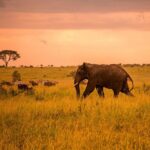
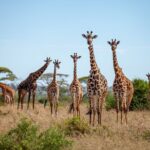
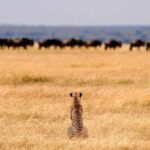
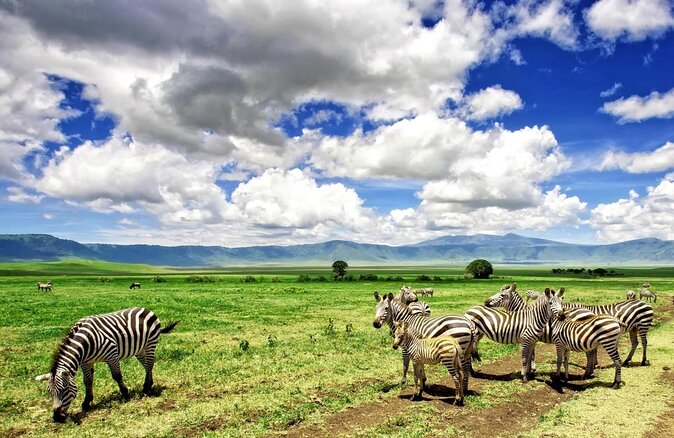
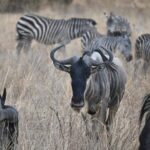
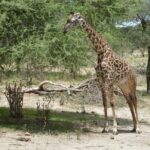
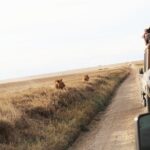
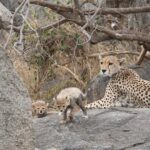
The Serengeti portion matters because it’s where you get the classic moments: lions, cheetahs, elephants, zebra, wildebeest, buffalo, and more. The park is huge—14,763 sq km—and the point of going in the morning is simple: animals move more in the cooler hours, and your driver has more options for finding activity.
One thing I like about this first-day structure is that you’re not rushed into a “single spot and done” approach. Instead, you get a full drive day where your guide can work the terrain and follow sightings. That’s where the guide skill shows. In the reviews, drivers like Frankie and Ismael are specifically praised for spotting a lot and getting into the right places for good views.
What to watch for on Day 1
This is often where you get the first major adrenaline hit. The feedback includes stories like kids crying happy tears when they saw lions and zebra up close—so yes, it can hit that hard on your first day. Even if you’re an adult who thinks they’ve seen it all, the Serengeti has a way of making you blink twice at how real it is.
Day 2: Serengeti Morning Drives, Olduvai Gorge, Then Ngorongoro Rim
Day 2 keeps the early rhythm. You wake up around 06:00 for early morning game drives, then you’re back for breakfast. The schedule then shifts toward learning and travel: you pass Olduvai Gorge and stop at a small museum tied to the discoveries of human evolution—work pioneered by Louis and Mary Leakey.
This is a smart add-on. Safari is wildlife, yes, but Tanzania is also deep time. Olduvai Gorge is one of the places that helps you connect the dots between the land you’re driving across and why it matters to humans. The museum is described as documenting the early archaeological deposits found there, so you get a focused stop instead of a wandering detour.
Then you check out with lunch and keep game viewing en route toward the Ngorongoro Crater rim. This is also the day where the tour highlights elephants and learning about their life stages. Even if you’re not a researcher, it makes a difference. Instead of only seeing big gray animals, you start noticing the cues—body size, behavior, and group structure—because someone is explaining what you’re looking at.
A practical heads-up for Day 2
Expect a full day with driving time plus wildlife time. It’s the kind of day where snacks and water matter. Since lunches are included, you’re covered on food, but you’ll still want to stay comfortable in the vehicle and be ready for sudden sightings.
Day 3: Descending 19.2 km Into Ngorongoro Crater for Big Five Viewing
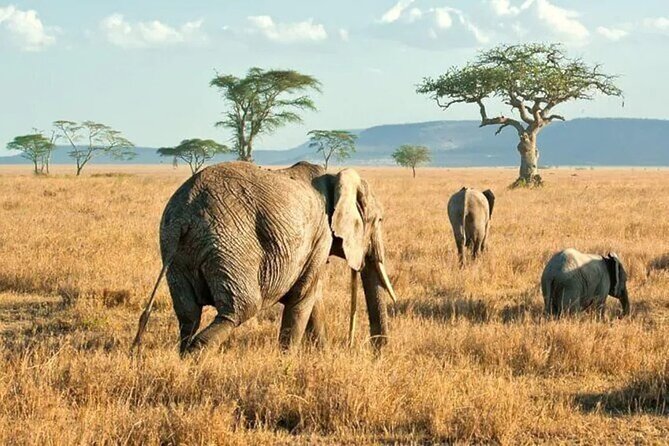
Ngorongoro is the reason many people make the trip. You wake early, have breakfast, then you’re driven to the crater around 07:00. The big moment is the descent: the crater floor is about 610 m deep and 19.2 km across, covering about 304 sq km. That scale helps explain why Ngorongoro can feel intense. Animals don’t have to travel far to be visible.
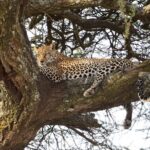
Inside the crater, you do game drives. The tour notes that all the Big Five live here: rhino, lion, leopard, buffalo, and elephant. It also specifically calls out the rare black rhinoceros, which is one of the main reasons this stop is so prized.
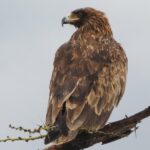
Birdlife is part of the show too. The crater includes a Soda Lake, where flamingos can appear, along with geese, storks, vultures, and more. Even if you’re mostly there for mammals, the birds add movement and color, and your guide should be able to point out what’s worth watching.
Lunch at Ngoitoktok spring
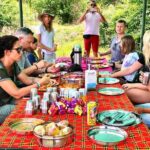
You take a break for lunch at the Ngoitoktok spring picnic site. That’s a nice pacing choice because it keeps the day from being one long drive session. Springs matter in Ngorongoro because water draws wildlife. So the lunch stop isn’t just a rest—it’s also a chance to see animals around a key resource.
The tour also frames Ngorongoro as Africa’s Eden and a natural wonder. You’ll feel that in the geometry: crater walls rising around you and a dense “animal neighborhood” vibe on the floor.
Guides and Camp Food: The Stuff You Actually Remember
Safari tours succeed or fail on three things: the guide, the driver, and the kitchen. This one checks those boxes in the feedback.
- Drivers mentioned for excellent spotting and safe driving include Frankie, Albert, Joel, Ismael, Jordan, and Bryson. The common thread is that they know where to go and how to position the vehicle.
- Chefs mentioned include John and Mtumishi, both credited with making sure people are well fed and that food quality was a standout.
And it’s not just about meals. The reviews also emphasize how guides answer questions and explain behavior. That matters because safari isn’t a museum. The animals do what they do, and good interpretation helps you understand why they do it.
Camping setup: included gear, real outdoors time
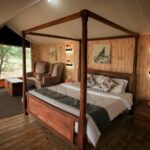
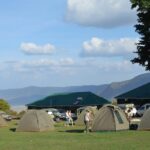
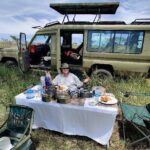
You’ll have camping equipment included: tents, sleeping mats, and camping furniture. That means you’re not paying extra to rent basics or piece together gear at the last minute. The trade-off is that it’s camping. If you’re expecting hotel beds and daily room service, this won’t match that mood.
But if you like the idea of sleeping under safari skies and waking up ready for another drive, the included equipment makes this format feel more accessible.
Price and Value: Is $1,200 Fair for 3 Days?
At $1,200 per person, the value depends on what’s included and how you plan to travel. Here, you’re getting a lot that normally costs extra:
- Private customized 4×4 with fuel included
- English speaking guide
- National park fees
- Camping equipment
- Meals: breakfast, 2 lunches, and 2 dinners
For many people, the biggest hidden cost on safari is logistics. You pay for transportation, guiding, park entry, and meals all at once, and then you’re hit with add-ons for everything else. This package is set up so the main expenses are handled up front.
That said, 3 days is still short, and you’re not buying a guarantee of specific animal sightings. You are buying time and access, plus the skills of a driver who knows how to work the parks. Based on the strong rating—4.9 with 97% recommended—this tour seems to deliver the “time well spent” experience.
Who This Safari Suits Best (And Who Should Rethink It)
This tour is a great match if you:
- Want a classic Serengeti plus Ngorongoro route in a short timeframe
- Prefer a small group with a private vehicle
- Like guides who explain behavior, not just name animals
- Are okay with camping and an outdoors routine
You might rethink it if you:
- Want luxury accommodations instead of included camping gear
- Can’t handle early starts and long days of driving time
- Only want extremely flexible, slow travel with lots of buffer time
One more note: since the tour ends back at the meeting point in Arusha, it’s straightforward if you’re building your trip around Arusha as a home base.
Should You Book This 3-Day Serengeti and Ngorongoro Safari?
Yes, you should consider booking if you want a focused safari that mixes wildlife with meaningful stops and keeps most of the big costs covered. The private 4×4, the small max group size, and the strong guide-and-food track record are the big reasons to feel confident.
If you’re the type who hates early mornings or needs a hotel bed every night, then adjust your expectations—or pick a different style of safari. But if you’re ready for a real Tanzanian circuit with serious crater and savanna time, this is the kind of trip that tends to convert first-timers into safari regulars.
FAQ
Where does the 3-day safari start and end?
It starts in Arusha, Tanzania, and the activity ends back at the meeting point.
How long is the safari?
The duration is about 3 days.
What does it cost?
The price is $1,200.00 per person.
Is pickup offered?
Yes, pickup is offered.
How many people are in the group?
The tour has a maximum of 7 travelers.
What vehicle will I travel in?
You’ll use a private, customized safari vehicle (a 4×4) with a knowledgeable driver/guide and fuel included.
Are park fees and meals included?
Yes. National park fees are included, and meals included are breakfast, 2 lunches, and 2 dinners.
What are the main sightseeing stops?
You’ll visit Serengeti National Park and Ngorongoro Crater, and you’ll also pass by and visit the Olduvai Gorge museum.
Is there a mobile ticket?
Yes, a mobile ticket is offered.
What is the cancellation policy?
Free cancellation is available. You can cancel up to 24 hours in advance for a full refund.
Should you worry about timing?
The tour runs on early starts (morning departures and a crater descent in the early part of the day), so plan to be comfortable with getting up early.
—
If you tell me your travel month and whether you want camping or prefer lodge-style stays, I can help you judge if this exact format fits your comfort level.