REVIEW · ARUSHA
5 Days Mid-Range Group Safari with Accommodation
Book on Viator →Operated by Suricata Safaris · Bookable on Viator
Baobabs today, crater wildlife tomorrow. This 5-day safari out of Arusha strings together four classic Tanzania stops with a certified guide, mid-range lodging, and game drives timed for the best sightings. You also get the comfort side of safari life, without turning it into a stuffy bus tour.
I especially like the small group size (max 7), because you spend more time actually watching wildlife and less time waiting. I also like that meals are handled for you, with lunch every safari day and dinner plus breakfast on most days, so you can focus on photos, spotting, and just being outside. Several guides named in past trips, like Adam, Amiri, Fredy, Damian Daniel, Elias, Felix, Rocky, Barik, Philix, and Rasta Man, are praised for pushing hard to find animals and explain what you’re seeing.
One thing to keep in mind: this is safari driving all week, so it’s not a slow, relaxed retreat. The early starts and long stretches between parks are part of the deal, and big sightings never come with a guarantee.
In This Review
- Key things that make this safari tick
- A 5-Day Circuit Out of Arusha: Tarangire, Manyara, Serengeti, Ngorongoro
- Tarangire National Park: Baobabs, elephants, and picnic time
- Lake Manyara: flamingos, forest birds, and tree-climbing lion odds
- Serengeti Day One: Rift Valley road views and the plains show
- Serengeti to Ngorongoro: last morning drive, then crater-area camping
- Ngorongoro Crater Sunrise: wildlife focus and hot picnic lunch
- Mid-Range Lodges and Food: the comfort factor after long drive days
- Small-Group Safari Style: certified guides, up to 7 people, and better viewing
- Price and Logistics: what $1,800 includes, and what you still need to budget
- Practical packing and timing tips for this Tanzania week
- Should you book this Suricata Safaris 5-day mid-range safari?
- FAQ
- How long is the safari?
- Where does the tour start?
- Which parks are included?
- What meals are included?
- Is there a group size limit?
- Are park admission tickets included?
- What’s not included in the price?
- Can I get a full refund if I cancel?
- What are the operating days and times?
Key things that make this safari tick
- Up to 7 people keeps game drives flexible and not stuck in a crowd
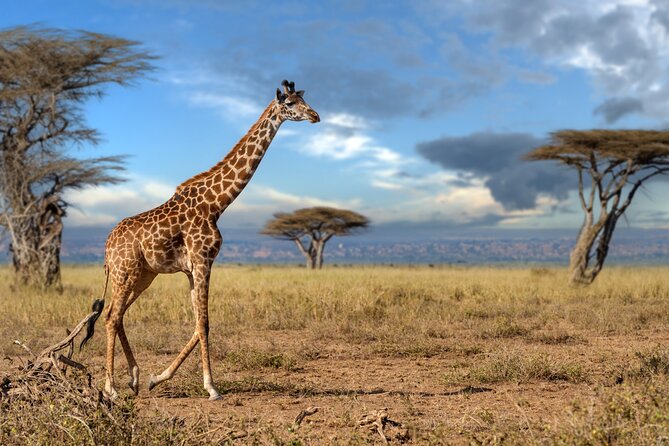
- Four ecosystems in five days: baobabs, soda-lake birds, Serengeti plains, and Ngorongoro’s crater bowl
- Ngorongoro at sunrise gives you cooler light and often better odds for animal activity
- Mid-range stays like Suricata Boma Lodge, Tanzania Bush Camp, and Tortillis Camp help you recover after drives
- Park entry is marked free in the pricing notes, so you’re not scrambling for fees
- Guides who work the sighting hunt and share field notes on fauna and vegetation
A 5-Day Circuit Out of Arusha: Tarangire, Manyara, Serengeti, Ngorongoro
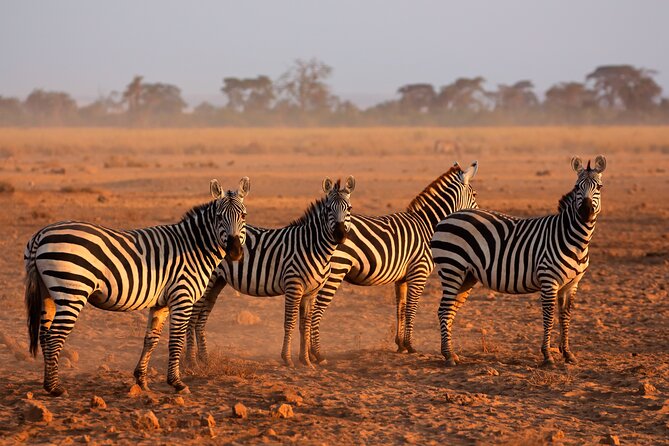
This trip is designed as a classic Tanzania sampler, but it doesn’t feel rushed in the way some short safaris do. Your route makes sense: Tarangire for elephant country and iconic baobabs, Lake Manyara for birds and forest edges, Serengeti for the big open-plains drama, and Ngorongoro for concentrated wildlife in one dramatic bowl.
The mid-range angle matters here. You’re not chasing the cheapest option where comfort is a trade-off, and you’re not paying for ultra-luxury camps either. In practice, that usually means you get cleaner, more comfortable places to sleep, with solid meals after dust and sun.
Also, the guide-led format keeps you from doing the safari math yourself. You’ll have someone calling out what to watch for, timing drives through the day, and explaining why a certain animal is where it is. Bring patience for the driving days; the schedule is built around getting you to the right places at the right hours.
You can also read our reviews of more tours and experiences in Arusha.
Tarangire National Park: Baobabs, elephants, and picnic time
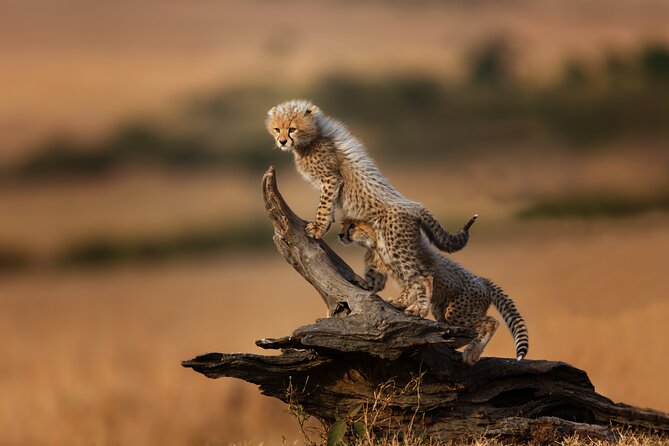
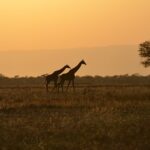
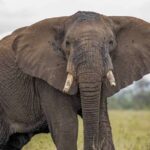
Day 1 starts with a drive from Arusha of about two hours, then it’s straight into Tarangire National Park life. Tarangire is famous for its older landscapes and those ancient baobab trees that look like they’ve been standing since the Earth was still figuring things out. It’s also a strong elephant park, so keep your eyes up on the open areas and the stretches near water.
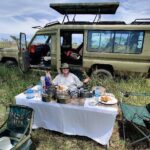
What you’ll do here is pretty simple and that’s a good thing: a game drive, then a picnic lunch placed right in the middle of the action. After lunch, you’ll continue your drive in the afternoon before heading to your lodge to recharge.
The downside? You’re arriving fresh after the drive, and early wildlife isn’t always instant. But Tarangire’s habitats give you plenty of chances—elephants, zebras, and giraffes are explicitly part of what the day is set up to show you. If you care about photography, this is a day where you’ll likely want a good lens and a steady stance, because animals can pop into view quickly around the trees.
Lake Manyara: flamingos, forest birds, and tree-climbing lion odds
Lake Manyara National Park is a different flavor of safari. Instead of only open plains, you get dense forest patches, open woodlands, and the soda-lake area that draws flamingos. That mix is why Manyara is such a fun stop for bird lovers and photographers: you can jump from animal sightings to bird-and-vegetation moments without the day turning repetitive.
Your day starts with an early morning game drive when the park is waking up. Elephants and giraffes are on the radar, and the park is also known for tree-climbing lions. I’ll be honest: that’s not a guaranteed sighting, but the fact it’s part of the park’s identity means your guide will likely scan areas where it could happen, not just the typical grassland edges.
Lunch here is picnic style again, and the day runs long enough that you’ll get a second chance to watch behavior as light changes. The main consideration on this day is mental: if your brain expects Serengeti-style open-sky grazing, Manyara can feel tighter and more varied. That’s actually the point. It’s a more textured safari day.
Serengeti Day One: Rift Valley road views and the plains show
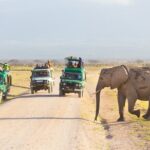
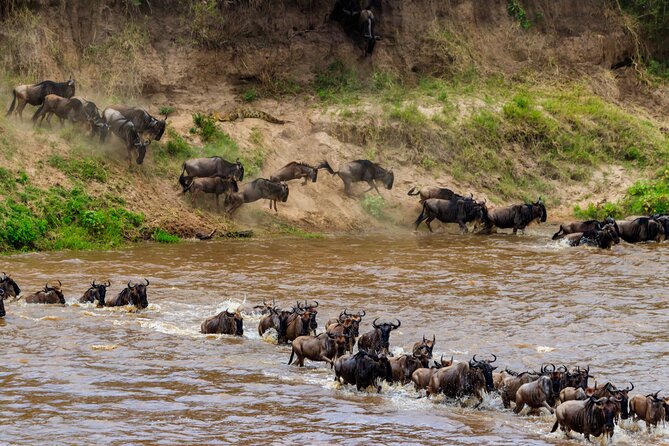
By Day 3, you’re moving toward Serengeti National Park, and the drive transition is part of the story. The route follows the broader Great Rift Valley scenery, so you’ll see changing vistas as you head in. On this kind of approach day, your guide will often call out animals along the way—wildebeest, giraffes, and other small surprises—because it keeps momentum and you’re already in the right zone.
Once in Serengeti, you’ll start a game drive in the expansive plains. Serengeti is about scale. Even when the action is a few hundred meters away, it feels like you’re watching a real system at work: migration paths, grazing zones, predator routes, and the constant negotiation between hunger and safety.
This is also a day where your guide’s strategy matters. Different guides pace their drives differently based on sightings, wind, and the light. Past names tied to this safari circuit, like Damien Daniel and Elias, are associated with pushing for the best spots to watch animals and photograph them. For you, that translates into more time with clear views and fewer dead-end drives.
A practical note: Serengeti days can be long on roads and in the vehicle. Bring a plan for comfort (layering, water) because the best sightings come when you can stay focused without getting chilled or overheated.
Serengeti to Ngorongoro: last morning drive, then crater-area camping
Day 4 is set up as a “last chance” Serengeti morning, followed by movement toward Ngorongoro. You’ll do a final drive in the Serengeti early, when predators on the move can be easier to spot and when animals tend to be active. After that, lunch is followed by a transfer toward the Ngorongoro Conservation Area.
This day ends at a campsite near the Ngorongoro Crater, where you’ll rest before the main event on Day 5. That sleep location is more than just convenience. Being close to the crater means you don’t burn half a day in transit when the crater is at its best—especially around sunrise.
The trade-off: you’re not hanging around Serengeti until late afternoon. You’re leaving at a time designed to set up the next day. If you hate feeling like you’re always on the move, you might feel it here. But if you love the idea of seeing crater life with early light and a full day to explore, this pacing is smart.
Ngorongoro Crater Sunrise: wildlife focus and hot picnic lunch
Day 5 is built around one of the most dramatic safari setups in the region: sunrise over Ngorongoro Crater, then a guided tour into the crater itself. You’ll have breakfast first, then you’ll go down into the crater in the early hours when visibility and temperatures are friendlier.
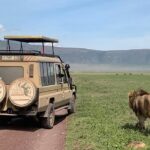
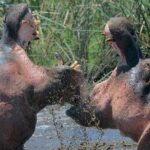
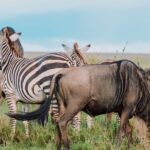
The crater is where wildlife density comes in. The plan for the day is to show you a wide variety of animals in different crater habitats, and Ngorongoro is also where this route mentions Big Five chances. The important point for your expectations: Big Five sightings depend on timing and luck, but this itinerary is clearly designed to maximize your odds with a structured, crater-focused day.
Lunch is a hot picnic, which sounds simple until you’ve been out all morning watching animals. It’s the kind of comfort that keeps you from feeling drained by afternoon heat or camera fatigue. After the crater time, you’ll start the journey back to Arusha, with the day ending on a full bank of memories.
If you’re serious about photography, this is your priority day. Sunrise gives you better light, and the crater bowl tends to produce repeat sightings once you’re positioned well and scanning systematically.
Mid-Range Lodges and Food: the comfort factor after long drive days
This safari is labeled mid-range, and that usually means you can expect comfortable rooms, clean bedding, and decent dining rather than “rough it” camping for the whole trip. Your nights are split across lodge and camp stays tied to the route, including places like Suricata Boma Lodge near Manyara Lake, Tanzania Bush Camp in Serengeti, and Tortillis Camp. Those names matter because they show the trip has a consistent base rather than random stops.
Food is also a big part of why mid-range works. The inclusions list lunches for all five days and dinners plus breakfasts for the majority of mornings and evenings. That matters because you’re often returning from a drive tired and dusty. One detail that stands out from guide and client feedback is the attention to meals, including the idea that a chef can handle lunch during the safari schedule. Even when it’s not fancy, it keeps the day running smoothly.
Practical takeaway: if you have dietary needs, start that conversation before you go, but you’ll generally be in better shape than if you had to source food on the fly between parks. Your time stays focused on wildlife rather than logistics.
Small-Group Safari Style: certified guides, up to 7 people, and better viewing
The group size is capped at 7, which is a sweet spot for safari. Big groups mean more eyes for spotting, but they can also mean slower movement, more waiting, and less room for a guide to adjust the plan. Here, you get the benefits of sharing a vehicle without losing control of the hunt.
A certified guide runs the show, and this is where the names you’ll hear from past trips help you understand the vibe. Guides such as Adam, Amiri, Fredy, Rocky, Felix, Philix, and Rasta Man are described as friendly and flexible, and they’re repeatedly linked with animal-spotting effort plus explanation of fauna and vegetation. That last part is important: it’s the difference between seeing a zebra and understanding why it’s behaving a certain way, or why a specific tree or grass patch matters.
The “why” of good guidance is simple. When the guide knows what patterns to look for, you waste less time. You also get more rewarding sightings, even if the big moment is brief.
Price and Logistics: what $1,800 includes, and what you still need to budget
At $1,800 per person for about five days, this sits in the mid-range zone. The value comes from what you’re not doing yourself. The trip includes a certified guide, accommodations, and a set of meals (lunch daily, plus dinner and breakfast for most days). It also shows park admission as free in the day-by-day notes, which is a key cost saver on safari circuits.
What’s not included is also straightforward: international flights and departure taxes, plus medical, luggage, and travel insurance. That’s normal, but it’s worth stating because safari planning goes wrong when people forget insurance or assume flights are bundled.
You also get pickup offered and a mobile ticket. That reduces the “where do I meet?” stress before you even leave home. Just remember: pickup details can vary by where you stay in Arusha, so plan for a clear meeting time and be ready with your mobile confirmation.
Two practical budgeting tips:
- If you’re flying in, factor in local transport from the airport to Arusha unless pickup explicitly covers it for your date.
- Bring spending money for personal tips and any extras you add outside the included meals.
Practical packing and timing tips for this Tanzania week
This itinerary has a lot of vehicle time, early starts, and sun exposure. Pack for comfort first, style second. You’ll be out searching for animals from dawn onward, so plan for layers. Mornings can feel cooler than midday, and you’ll want something that keeps you comfortable without stuffing your bag.
For gear, I’d focus on the basics:
- Binoculars if you like detail and behavior
- A camera strap you can trust (vehicles shake, and you do not want constant readjusting)
- Sunscreen and sunglasses
- A refillable water bottle
On the behavior side, remember that safari is not a theme park. Sometimes the action is ten minutes away from where you’re sitting. Sometimes it’s not. Your guide may shift plans to chase animal activity, which is part of the point.
Finally, set your mindset: by Day 3 and especially Day 5, you’ll likely be saturated with sightings. That can make you forget to appreciate the smaller stuff—birds in Manyara, vegetation patterns in the crater, or the baobab silhouette at Tarangire. Keep a quick checklist in your head so you don’t only chase the loud animals.
Should you book this Suricata Safaris 5-day mid-range safari?
Book it if you want a solid safari circuit with good comfort, guided drives, and meals that remove the daily decision fatigue. The route through Tarangire, Lake Manyara, Serengeti, and Ngorongoro is the kind of itinerary that gives you variety fast: different habitats, different animals, and different safari moods.
Also book it if you prefer a small group (up to 7). That size tends to keep the day flexible and helps your guide work efficiently. If you care about photography, you’ll appreciate the focus on finding good positions and timing drives for light and animal activity.
Don’t book it if you’re looking for an ultra-relaxing vacation with lots of free time. This week is about movement and viewing. And if your personal must-see is a very specific animal, understand that sightings depend on weather, timing, and where animals are that day.
If you’re ready for an energetic five days with real safari effort and comfortable sleep after the dust, this one is a strong fit.
FAQ
How long is the safari?
It runs for about 5 days.
Where does the tour start?
It’s based in Arusha, Tanzania, with pickup offered.
Which parks are included?
Tarangire National Park, Lake Manyara National Park, Serengeti National Park, and Ngorongoro Conservation Area.
What meals are included?
Lunch is included for 5 days. Dinner is included for 4 days, and breakfast is included for 4 days.
Is there a group size limit?
Yes. The tour has a maximum of 7 travelers.
Are park admission tickets included?
The day-by-day notes list Admission Ticket as free.
What’s not included in the price?
International flights and departure taxes, plus medical, luggage, and travel insurance.
Can I get a full refund if I cancel?
You can cancel up to 24 hours in advance for a full refund; within 24 hours, you won’t receive a refund.
What are the operating days and times?
It runs Monday through Sunday, with availability listed for 11/12/2024 through 06/23/2026, and hours shown as 12:00 AM to 11:30 PM.