REVIEW · ARUSHA
4-Day fascinating Camping Safari in Tanzania
Book on Viator →Operated by Sky View Adventure Tours & Safaris · Bookable on Viator
That first sunrise out of Arusha is the warm-up act. This 4-day camping safari lines up Tarangire, Serengeti, and Ngorongoro with included park fees, camping gear, and all meals, so you spend your energy looking for animals instead of doing math.
I like that the tour wraps the big costs into the price. Park fees and meals are included, and you also get a sleeping bag and camping setup, which makes it feel like a real trip plan rather than a loose outline. One thing to consider: this is a camping safari with early starts and long drives, and you’ll feel that on days with around 10–16 hours of safari time.
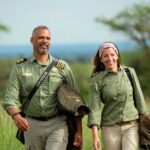
A good guide makes a big difference here. People highlight guides such as Maximilian, Hasan, Bakari, Fidelis, John, and Paul, and the common thread is spotting animals from far off and keeping the day moving without rushing you.
In This Review
- Key highlights you’ll care about
- Quick reality check: what “camping safari” means for you
- Arusha morning logistics: pickup, transfers, and the first drive
- Tarangire first: elephants, baobabs, and a classic picnic lunch
- Camp night: Jambo or Fanaka
- Serengeti day: getting to Seronera and working the wildlife water cycle
- Ngorongoro conservation area day 3: crater rim camping and a long safari day
- Ngorongoro crater day 4: the 600-meter descent and Lake Magadi
- Food and comfort: why “included meals” actually helps
- Bath towels and tips are not included
- Park fees, transfers, and what you’re really paying for
- Guides, jeeps, and how to get the best sightings
- Who this safari fits best
- Should you book this 4-day camping safari from Arusha?
- FAQ
- What parks are included?
- How long is the safari?
- What time does the tour start?
- Does the price include park fees?
- Are meals included?
- Is camping gear included?
- Are transfers included from Arusha?
- What’s not included?
- How big is the group?
- What is the cancellation policy?
Key highlights you’ll care about
- Three parks in four days with an efficient route: Tarangire → Serengeti → Ngorongoro crater rim → crater descent
- Park fees included, so you’re not hit later at the gate
- Camping gear and sleeping bag provided, plus all meals, which simplifies packing and budgeting
- Round-trip transfers from Arusha, with pickup arranged for your start day
- Crater rim camping overnight, giving you sunrise chances in Ngorongoro the next morning
- Small-ish group size (up to 50), which keeps the experience social but not crowded
Quick reality check: what “camping safari” means for you
A camping safari in Tanzania is not the same vibe as a hotel safari. You’re still on safari the whole time, but when the animals go quiet, you switch to camp life: tents, cooking, and the rhythm of a long day outside. The good part is that it keeps costs clearer and lets you experience the parks close up.
This tour starts early, around 6:00 am, and several days run long. Day 2 in particular is a big one, with roughly 16 hours on the move and in the parks. If you’re the kind of traveler who hates being on the road, plan your expectations now.
If you’re flexible, though, this format shines. You get more time inside the wildlife areas instead of losing hours to detours or waiting around. And because the tour includes park fees, meals, and accommodation, you don’t have to spend vacation time tracking what costs extra.
You can also read our reviews of more tours and experiences in Arusha.
Arusha morning logistics: pickup, transfers, and the first drive
You’ll meet at a 6:00 am start time, and transfers are included from Arusha. That matters more than it sounds. Arusha is where many safari plans begin, and the easiest trips are the ones that handle the early-day coordination for you.
You’ll also have a chance to do last-minute purchases in Arusha town before heading out on day one. That’s useful if you want snacks, water, or small comfort items that aren’t part of the included meal plan.
One small detail that can help: the tour uses a mobile ticket, and you receive confirmation at booking. It’s the kind of thing that makes the first morning less stressful, especially if you’re arriving from a flight.
Tarangire first: elephants, baobabs, and a classic picnic lunch
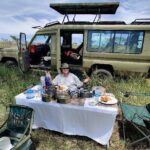
Tarangire National Park is a great opener because it’s built for memorable animal moments early in the trip. You’ll head there after breakfast, with a game drive and a picnic lunch inside the park. Eating in the bush turns the day into something you remember, not just a stop between drives.
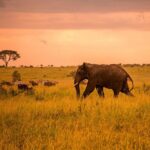
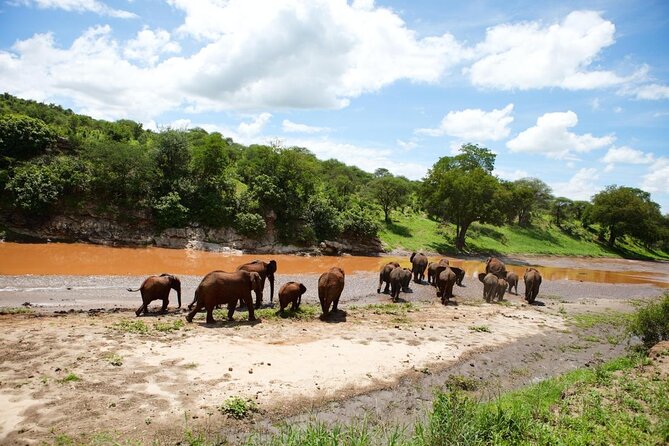
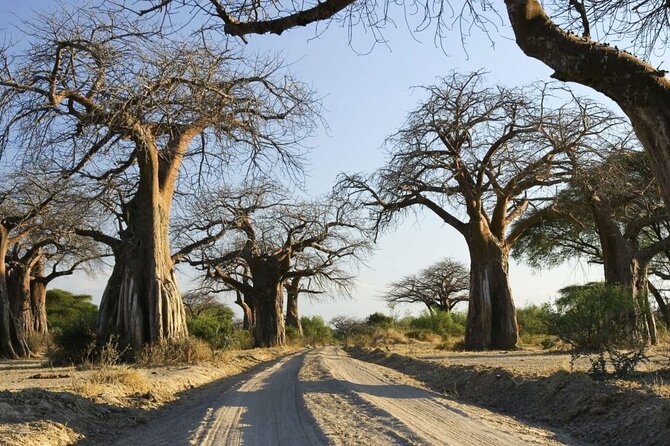
Tarangire is especially known for large elephant numbers and baobab trees. Even without overhyping it, baobabs change the whole feel of the park. They’re big, textured, and oddly timeless, and they make great viewing points when herds drift near the road.
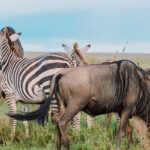
The tour description also points to Tarangire’s wildlife rhythm tied to annual movement patterns, including big numbers of elephants and wildebeest/zebras. Practically, what you care about is this: elephants tend to be a consistent target here, and on day one you want a win under your belt to set the tone.
Camp night: Jambo or Fanaka
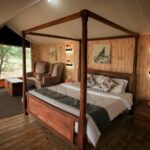
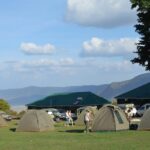
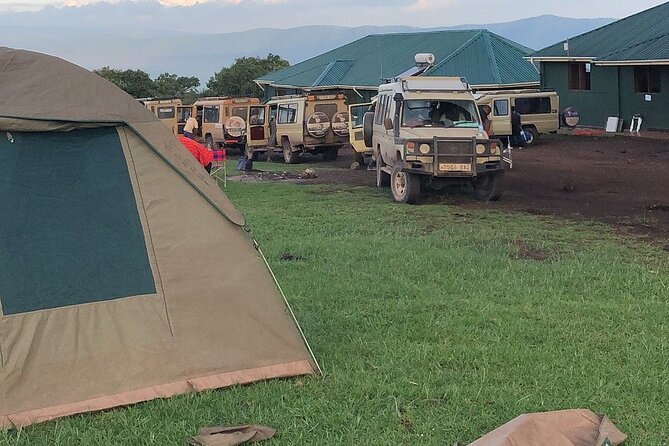
After dinner and overnight at camp, you’ll sleep at Jambo campsite or Fanaka campsite. Campsites in this part of Tanzania are often simpler than lodges, which is part of the charm. With camping gear and a sleeping bag included, you’re not trying to figure out bedding logistics mid-trip.
Serengeti day: getting to Seronera and working the wildlife water cycle
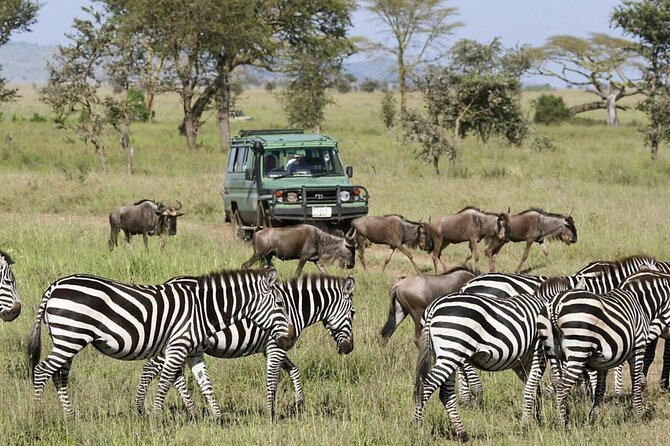
Day 2 is where the trip really starts to feel like the famous Serengeti story. After breakfast, you’ll travel toward Serengeti via Karatu and through the Ngorongoro Conservation Area. That route change matters: you’re leaving higher farmland and descending toward the wide-open plains.
You’ll arrive in time for lunch, then enjoy an afternoon game drive focused around the Seronera area. Seronera is singled out because it’s tied to a water supply from the Seronera River, which brings animals into an area where food and water are easier to find.
What that means for you:
- You spend your afternoon in a place where wildlife activity is more consistent than just random chasing.
- You’ll likely see more of the Serengeti’s common patterns: grazing herds, predators scanning, and frequent animal movement along game-drive-friendly routes.
This is also the day where your guide’s skill shows. The people who loved their safari often mention guides finding animals quickly from longer distances. Names that came up include Maximilian, Hasan, and Bakari, and that talent can make a huge difference when the plains look empty until the moment they suddenly aren’t.
Ngorongoro conservation area day 3: crater rim camping and a long safari day
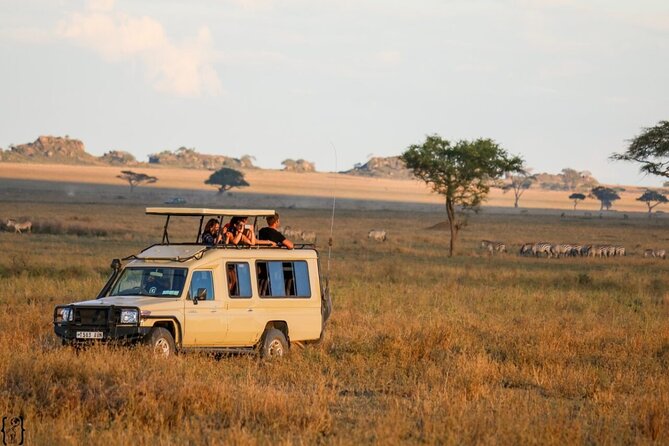
Day 3 moves you from the Serengeti region into the Ngorongoro Conservation Area. The tour runs this day as a guided travel-and-safari plan: you’ll have a relaxing morning, early lunch, and then head toward the crater rim with your driver guiding you en route.
On this day, what you’re chasing is two things:
1) The scenery and wildlife of the Ngorongoro route itself
2) The crater rim overnight, which sets up a stronger morning on day 4
The night is spent at Simba campsite on the crater rim, with dinner and overnight included. Rim camping can feel colder and windier than you expect (it’s not promised in the notes, but that’s common in crater areas). The good news is you have a sleeping bag, and the camping style keeps you close to the action rather than driving back to Arusha.
Ngorongoro crater day 4: the 600-meter descent and Lake Magadi
Day 4 is the payoff. After an early breakfast, you’ll descend over 600 meters into the Ngorongoro crater for wildlife viewing.
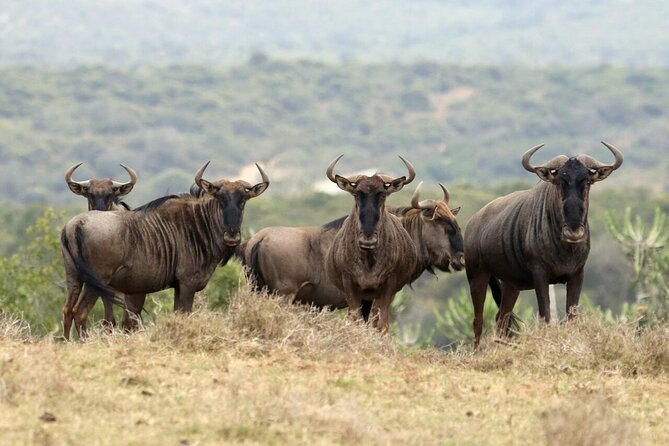
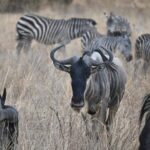
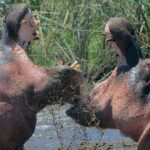
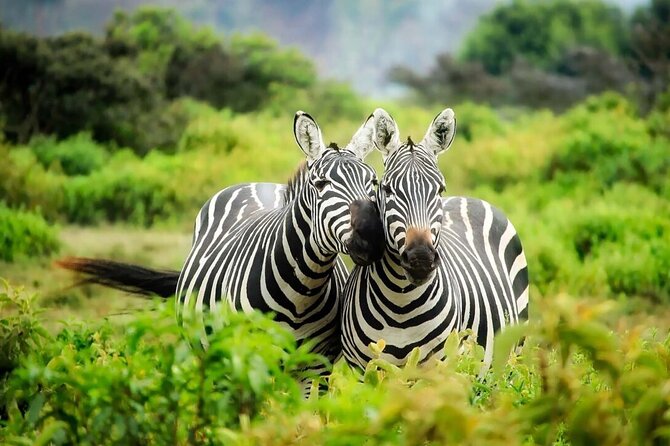
The crater has a packed reputation for a reason: it’s supported by year-round water supply and fodder, and that attracts many animals to a relatively concentrated space. The tour calls out species you can look for, including wildebeest, zebra, buffalo, eland, warthog, hippo, and giant African elephants.
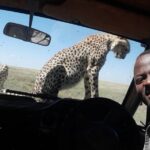
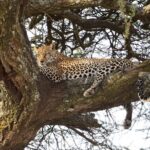
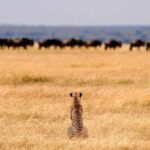
Predators are also a big part of the Ngorongoro draw. The notes list lions, hyenas, jackals, cheetahs, and an ever-elusive leopard, which sometimes takes a trained eye to spot. If you’re the kind of traveler who gets impatient when animals are out of sight, this is where your mindset matters. Ngorongoro often rewards patience: you’ll scan, wait, and then suddenly a sighting lands right where you didn’t expect it.
You’ll also visit Lake Magadi, described as a large but shallow alkaline lake in the southwestern corner of the crater. It’s one of the features that shapes the crater’s ecosystem, and it gives you variety beyond just “spot animals from the road.”
The day runs about 6 hours, and you return after the crater time is done.
Food and comfort: why “included meals” actually helps
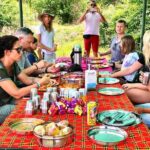
Safari food is one of those topics people skip until it’s a problem. Here, meals are included across the days: breakfast (3), lunch (4), and dinner (3). That makes each day easier to plan, especially when you’re out in the parks for most daylight hours.
You’ll also have camping gear and a sleeping bag. That’s a big deal for two reasons:
- You pack lighter for a route that already has a lot happening.
- You’re less dependent on finding rentals or buying gear after you arrive.
From the way guides and cooks get praised in the reviews, the cooking side seems to matter. Mentions included guides like Maximilian and Hasan, plus cooks like John, with comments about hot food and good meals. I can’t promise every meal will taste like home, but included meal planning removes a lot of uncertainty.
Bath towels and tips are not included
Two simple budget reminders based on what’s not included: bath towels and tips. If you want your own towel, bring a small one. For tipping, set aside a modest amount so you don’t have to scramble at the end.
Park fees, transfers, and what you’re really paying for
At $935 per person for about four days, this isn’t the cheapest way to do Tanzania. It also isn’t vague pricing. The value is in what you get bundled:
- Park fees included
- All accommodation included
- Camping equipment + sleeping bag included
- Professional driver/guide
- All taxes/VAT
- Round-trip transfers from Arusha
- All meals included
When park fees and meals are extra, your final total can balloon fast. Bundling them into one price is what makes this feel like a “real safari package” rather than a DIY scramble.
You also get group discounts and a shared-group format up to 50 travelers, which often helps keep the price more stable than private-only safari deals.
Guides, jeeps, and how to get the best sightings
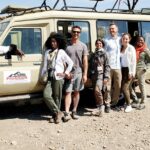
This route works best when your driver/guiding is strong. The repeated praise you see around guides such as Maximilian, Hasan, Bakari, Fidelis, John, and Paul points to a few practical strengths:
- Finding animals from farther distances
- Explaining what you’re seeing while you’re actually seeing it
- Keeping the day organized even when wildlife changes plans
You can help your chances too. Bring binoculars if you have them, wear layers you can adapt to changing temperatures, and keep your camera ready but not glued to it. When your guide stops the jeep, that’s the moment to lock in.
Also, remember the safari rule: the best sightings sometimes happen after you stop scanning for a single species. On day 4 in particular, Ngorongoro can shift from herds to predators depending on timing.
Who this safari fits best
This tour tends to suit travelers who:
- Want three iconic parks without spending a week in transit
- Are okay with camping and long safari days
- Want a plan where meals, gear, and park fees are handled
- Like guided expertise but don’t need luxury lodge life
It may be less ideal if you:
- Hate early starts (the 6:00 am start is real)
- Need private bathroom comfort and quiet hotel-level routines
- Don’t handle long drives well (especially on the longer day)
If you’re traveling as a couple, this format can also work nicely because you’re still supported by a driver and cook, but you get the savings that come with group travel.
Should you book this 4-day camping safari from Arusha?
I’d book it if you want an efficient Tanzania intro with the biggest names in wildlife viewing: Tarangire, Serengeti, and Ngorongoro. The bundled price makes budgeting simpler, and the crater rim overnight is a smart piece of planning that helps you make the most of the final day.
I’d think twice if camping isn’t your thing. You’re signing up for tent life and early mornings, plus long days in the car. If you can handle that trade-off, you’ll likely love how fast you rack up major wildlife moments.
FAQ
What parks are included?
You’ll visit Tarangire National Park, Serengeti National Park, and the Ngorongoro Conservation Area (including the crater for the final day’s game viewing).
How long is the safari?
It runs for about 4 days.
What time does the tour start?
The start time is 6:00 am.
Does the price include park fees?
Yes. Park fees are included.
Are meals included?
Yes. Breakfast, lunch, and dinner are included in the cost of the tour.
Is camping gear included?
Yes. Camping equipment is included, and a sleeping bag is provided.
Are transfers included from Arusha?
Yes. Round-trip transfers from Arusha are included.
What’s not included?
International flights, bath towels, tips, and personal items are not included.
How big is the group?
The tour has a maximum of 50 travelers.
What is the cancellation policy?
Free cancellation is available up to 24 hours before the start time for a full refund. If you cancel less than 24 hours before, the amount paid is not refunded, and changes made within 24 hours aren’t accepted. The experience may also be canceled if the minimum number of travelers isn’t met, with an option for a different date or a full refund.