REVIEW · ARUSHA
4-Day Safari from Arusha: Tarangire, Serengeti and Ngorongoro
Book on Viator →Operated by Bestday Safaris · Bookable on Viator
Arusha sends you into real safari country, and this 4-day circuit hits big ecosystems fast. I like the private jeep with a pop-up roof and a guide who explains what you’re seeing as you go. The itinerary is built for close viewing, not long lectures.
I also love the mix of wildlife styles in one trip: Tarangire’s elephant focus, then Serengeti’s Seronera area around the river, and finally Ngorongoro Crater with an estimated 30,000 animals and black rhino. You get a strong chance at the headline species, plus plenty of predators and grazers in the same days.
One possible drawback: the days are packed. You’ll spend multiple hours driving and game driving each day, so this works best if you’re happy with a steady, get-up-and-go rhythm.
In This Review
- Key Safari Safari-Specific Highlights
- Getting Value From a 4-Day Safari From Arusha
- What Makes the Private Guide and Pop-Up Jeep Matter
- Day 1 Tarangire: Baobabs, Swamps, and Elephant Herd Energy
- Day 2 Serengeti Seronera: Water-Led Wildlife on the Plains
- Day 3 Ngorongoro Conservation Area: The Buffer Day That Sets Up the Crater
- Day 4 Ngorongoro Crater: When the Wildlife Concentrates
- Meals, Water, and Comfort on Safari Days
- Hot Air Balloon Upgrade: Nice Option, Extra Cost
- Who This Private Safari Fits Best
- Should You Book This 4-Day Safari From Arusha?
- FAQ
- What parks are included in this 4-day safari from Arusha?
- How long is the safari?
- Is the tour private?
- What’s included in the price?
- What is not included?
- Is a hot air balloon ride available as an upgrade?
- Are meals and water provided?
- Where does the safari start and end?
- What is the cancellation policy?
Key Safari Safari-Specific Highlights
- Private 4×4 safari jeep with pop-up roof for better angles during game drives
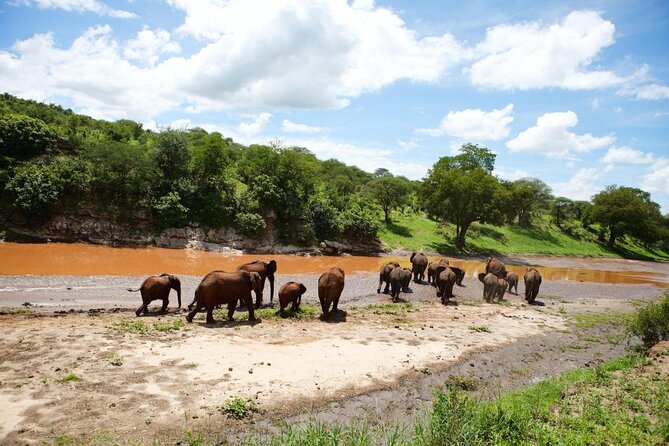
- Tarangire National Park for giant African baobabs and elephant herds, plus rare Greater Kudu and Fringed-eared Oryx
- Serengeti Seronera area anchored by the Seronera River, a key water source for lots of species
- Ngorongoro Crater full day with an estimated 30,000 animals and Tanzania’s last remaining black rhino
- Two UNESCO World Heritage sites built into this classic route
- Hot air balloon upgrade available for USD 539 per person
Getting Value From a 4-Day Safari From Arusha
For me, the main question with any safari is simple: do you pay for the experience you actually want, or just the idea of it? This one keeps the “core” costs inside the price. You’re not juggling park fees and guide logistics while trying to spot animals before the light changes.
Your total cost is $1,753.34 per person for about four days. That’s not cheap, but the value is real because you’re covering:
- A private guide
- A private 4×4 safari jeep with a pop-up roof
- Park fees plus government taxes, VAT, and service charges tied to accommodation and included meals
- Lodging, meals, and 1.5 liters of drinking water daily
Also, the trip is typically booked about 54 days in advance, which fits how popular this circuit is. If you like having options, start planning early rather than last minute.
One more practical note: you get pickup offered, and the activity starts at Arusha National Park, with the start window listed as 8:30 AM to 9:00 AM. That matters because you’ll likely hit the first drive sooner, not later.
You can also read our reviews of more tours and experiences in Arusha.
What Makes the Private Guide and Pop-Up Jeep Matter
On paper, private means you won’t share the jeep with strangers. In real life, it changes how you experience wildlife.
With a private guide, you can ask questions and get answers right away. The guide’s job here isn’t just naming animals. It’s connecting the sightings to the ecosystem: why animals cluster near water, why certain areas draw certain predators, and what conservation work is trying to protect—especially around endangered species.
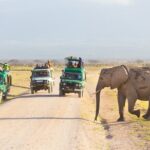
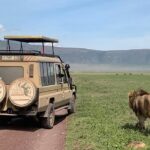
The pop-up roof on the 4×4 is also a big deal. In savanna country, animals don’t line up politely. That elevated viewing position helps you scan farther and see over vegetation, and it makes it easier to track movement fast when a lion or leopard appears at the edge of a drive.
A couple of guide notes from recent experiences you can learn from: Josef and David from Bestday Safaris have been praised for being punctual and for having a lot of expertise about animals and the surrounding terrain. That kind of competence turns wildlife “luck” into a steady hunt, and it keeps the drives focused instead of random.
Day 1 Tarangire: Baobabs, Swamps, and Elephant Herd Energy
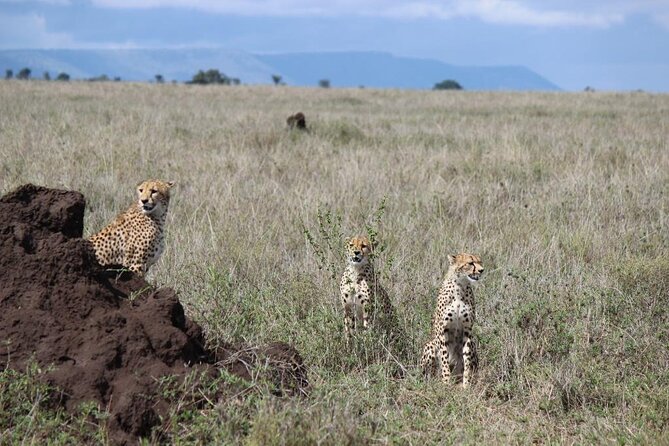
Tarangire National Park is the kind of place that makes you feel like your eyes are working overtime. Your day starts after breakfast with the drive into the park for a full-day game drive and a picnic lunch.
Here’s what makes Tarangire special in a way you’ll actually feel during the drive:
- The park’s natural vegetation includes Acacia woodland and giant African baobab trees
- There are huge swamp areas in the south
- During the dry season, the river and swamps act like magnets for wildlife
That magnet idea matters. When water concentrates, animals concentrate. So instead of bouncing around endlessly, you’ll be in zones where the odds improve for close sightings.
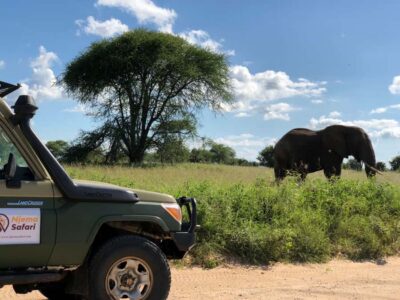
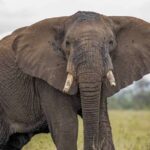
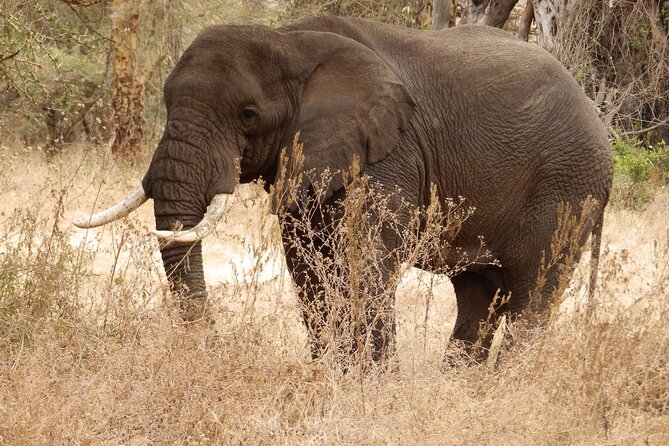
Tarangire also has a reputation for some of the largest elephant herds in Africa. If elephants are on your must-see list, this is your opening day. You’re also not limited to one species type. The park is noted for three rare animals: Greater Kudu, Fringed-eared Oryx, and Ashy Starlings.
The practical catch: Tarangire is best enjoyed with patience. Some days have the big herds more visible than others, and the park can reward calm scanning over frantic pointing. The payoff is that even when the herd isn’t right in front of you, the terrain can still produce great sightings.
Day 2 Serengeti Seronera: Water-Led Wildlife on the Plains
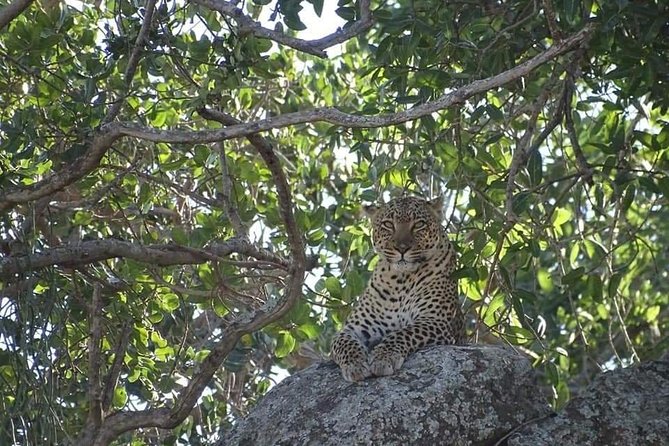
On day two, you head to Serengeti National Park via Karatu farmland and the Ngorongoro Conservation Area. That’s part of the charm: you’re shifting from highland farming country down toward the wide-open Serengeti feel.
Once you’re in Serengeti, you aim for the Seronera area, described as one of the richest wildlife habitats in the park. The key is the Seronera River. When a river is dependable, you get dependable animal patterns. Many species show up because there’s food, water, and the right conditions to thrive.
You arrive for lunch, then enjoy an afternoon game drive. Those timing choices are smart. The best wildlife viewing in the Serengeti often comes when you can settle into the rhythm of scanning and repositioning as animals move during the safer, more active hours.
What I like about the Serengeti portion of this safari is that it doesn’t treat the park like one giant blur. It anchors you in a specific area—Seronera—so you’re not spending the day just chasing “where animals might be.”
If you care about predators as much as herbivores, Serengeti is where your focus can start sharpening. You’ll be looking at how grazers group, how predators track, and how water availability shapes the whole food web.
Day 3 Ngorongoro Conservation Area: The Buffer Day That Sets Up the Crater
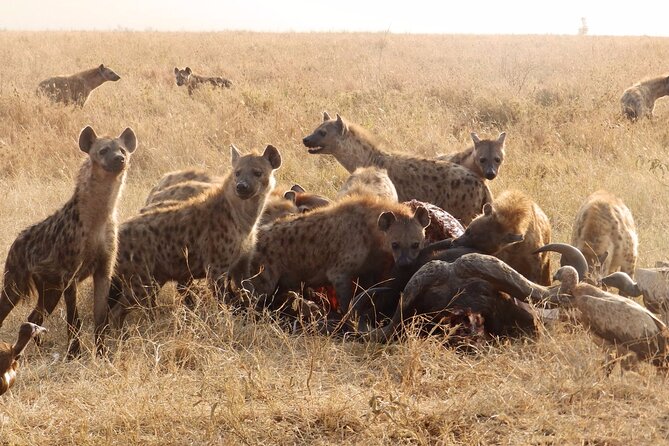
Day three begins with an early breakfast, then a morning game drive. In the afternoon, you depart for the Ngorongoro Conservation Area with a game drive en route.
This is the “buffer” part of the circuit, and it has value. It gives you more time in the region’s wildlife zones before you drop into the crater itself. It also helps you avoid the feeling that you spent a whole day just getting from A to B.
In terms of expectation, you’re building your wildlife lens. By now you’ve already seen how water and habitat type drive animal behavior. On this day, you’ll likely notice the transitions in vegetation and the way animals shift patterns as you move toward Ngorongoro.
A small practical thought: day three is where you’ll want to keep your camera ready but not burn yourself out. With the crater day coming, the goal is to stay alert and comfortable, not frantic. You’ll want your energy for the big viewing day.
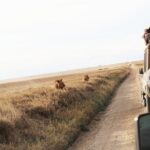
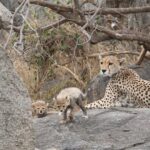
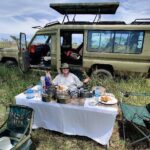
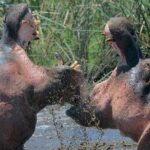
Day 4 Ngorongoro Crater: When the Wildlife Concentrates
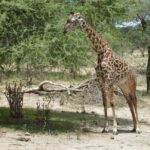
This is the day many people book for: Ngorongoro Crater. After breakfast, you descend into the crater and enjoy a full-day game drive, with a picnic lunch on the crater floor. Late afternoon, you drive back to Arusha.
Ngorongoro Crater is described as one of the most densely crowded wildlife areas in the world. The estimate given is around 30,000 animals, supported by year-round water supply and fodder. In practical terms, that means you’re not dependent on a single narrow window of conditions to find wildlife. Animals can be present in consistent ways across the day.
A major headline species here is black rhino, including note of Tanzania’s last remaining black rhino.
You can also expect a broad mix of herbivores and other wildlife, including:
- Wildebeest
- Zebra
- Buffalo
- Eland
- Warthog
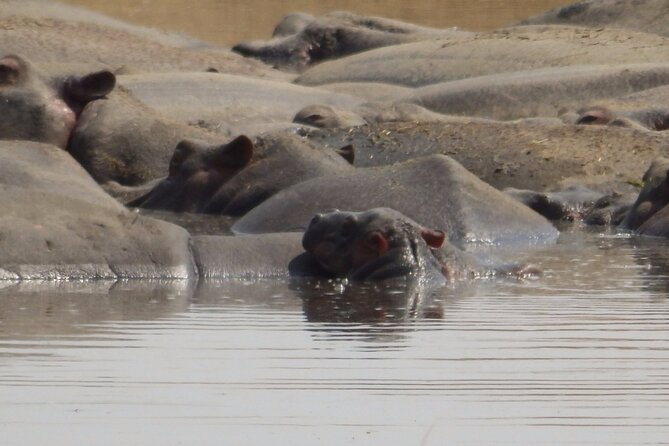
- Hippo
- Giant African elephants
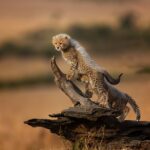
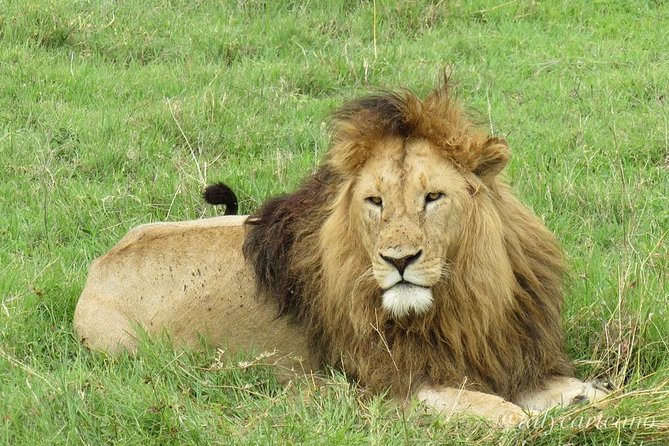
And then there’s the predator side, which is one of the reasons Ngorongoro feels like a complete ecosystem instead of just a scenic pit. The crater is noted for predators such as lions, hyenas, jackals, cheetahs, and the leopard.
What makes this crater day especially satisfying is how your viewing becomes more “multi-layer.” You can watch grazing patterns, see how predators move through the edges, and catch surprising overlap between species. It’s the kind of day where you might feel like you’re watching several safari stories at once.
There’s one practical consideration: the crater day is long. You’ll be in motion for hours, and you’ll want to stay comfortable in warm conditions. Bring a light layer you can manage, and plan for long periods of scanning where you don’t want to be distracted by discomfort.
Meals, Water, and Comfort on Safari Days
One thing I appreciate in this package is that you’re not paying your way out of hunger.
Included meals are listed as:
- Breakfast (2)
- Lunch (3)
- Dinner (3)
Plus 1.5 liters of drinking water daily.
That structure helps you keep your day smooth. You can focus on game drive timing and not worry about where the next stop for food will be.
Accommodation is included too, though the exact lodge details aren’t provided here. Still, it’s a meaningful inclusion because it affects how you plan your evenings. You’re not stuck trying to find a place to sleep for just one night while the rest of your trip is already set.
Hot Air Balloon Upgrade: Nice Option, Extra Cost
This safari offers an upgrade to include a hot air balloon ride. The price given is USD 539 per person.
I’d treat this as an add-on for two reasons:
- It’s a clear extra cost on top of an already full safari package.
- It changes the schedule and adds one more moving part to a tight itinerary.
If you love photography and wide views, it can be worth considering. But if you’re prioritizing animal-heavy time on the ground, you may prefer to keep the day simple and focus on game drives.
Who This Private Safari Fits Best
This is a strong match for:
- First-time safari planners who want Tarangire + Serengeti + Ngorongoro without complicated DIY logistics
- People who like private, guided wildlife viewing with an emphasis on learning as you go
- Anyone who wants the classic “elephants to predators to crater” arc in just four days
It’s also ideal if you’re the type who notices details, like why animals show up near water sources or why certain areas are known for specific species. The guide’s role here supports that kind of attention.
Who might want to think twice: if you hate long days in a vehicle or you prefer slow travel with minimal driving, this itinerary’s structure may feel too scheduled. It’s not a relaxed “wander” safari; it’s a focused circuit.
Should You Book This 4-Day Safari From Arusha?
If you want a well-paced circuit that covers three top Tanzania wildlife zones with private guiding, included park fees, and a pop-up-roof jeep, I think this is a smart buy. The day-by-day flow also makes sense: Tarangire sets the tone with elephants and baobabs, Serengeti Seronera targets river-led wildlife, and Ngorongoro Crater delivers the concentrated wildlife experience people travel for.
My decision rule would be:
- Book if you want high wildlife density days, a guide who can explain what you’re seeing, and a package that removes money and planning friction.
- Consider another option if you want more downtime, fewer driving hours, or you only care about one park instead of the whole circuit.
If your goal is to see a lot, learn while you’re seeing it, and do it with an organized team like Bestday Safaris, this private safari is built for that.
FAQ
What parks are included in this 4-day safari from Arusha?
You’ll visit Tarangire National Park, Serengeti National Park, and the Ngorongoro Conservation Area, with a full day inside Ngorongoro Crater.
How long is the safari?
It’s listed as 4 days (approx.).
Is the tour private?
Yes. It’s a private tour/activity, meaning only your group participates.
What’s included in the price?
The package includes accommodation, meals, water, park fees, a private 4×4 safari jeep with pop up roof, a private guide, and government taxes, VAT, and service charges related to accommodation and included meals.
What is not included?
Not included are airport transfers, flights (domestic and international), nights in Arusha, optional tours like the balloon ride, personal expenses, Tanzania visa, and tips.
Is a hot air balloon ride available as an upgrade?
Yes. The option to upgrade to include a hot air balloon ride is available, listed at USD 539 per person.
Are meals and water provided?
Yes. Drinking water (1.5 liters daily) is included, and meals are included (breakfast 2 times, lunch 3 times, dinner 3 times).
Where does the safari start and end?
It starts at Arusha National Park in Arusha and ends back at the same meeting point.
What is the cancellation policy?
Cancellation is free. You can cancel up to 24 hours in advance for a full refund, and any changes made less than 24 hours before the start time aren’t accepted.