REVIEW · ARUSHA
7 Days Tanganyika Wilderness Safari
Book on Viator →Operated by Gosheni Safaris (T) Limited · Bookable on Viator
Safari, but with room to breathe.
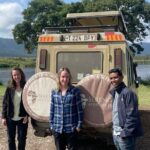
This private 7-day Tanganyika Wilderness Safari strings together Tarangire, the Serengeti, and Ngorongoro Crater with wildlife viewing from a 4×4 that has a pop-up roof and the bonus of quieter, less-crowded game drives.
I love the practical comforts built into the day: unlimited game mileage during safari drives, snacks on the road, and binoculars ready when you spot something moving in the grass. I also like the smart routing that includes Tarangire’s elephant-and-bird focus before you hit the big-name parks, so the trip builds momentum instead of starting at full intensity.
The main trade-off is that this is real safari travel, not a stroll. You will spend a lot of time in the vehicle, and some roads can feel bumpy—so plan for that with a light layer, water, and a calm attitude when the track gets rough.
In This Review
- Key highlights worth your attention
- Entering The Big Game Zone: How This Private 7-Day Route Feels
- Day 1: Kilimanjaro Airport Meet-Greet and Kibo Palace Hotel Reset
- Day 2 in Tarangire: Elephants, Birds, and a Calmer Start Than the Usual Route
- Days 3–4: Olduvai Gorge Stops You Thinking Like a Tourist, Then Serengeti Takes Over
- Day 5: Serengeti North to Ngorongoro Area, With Lake Magadi as Your Flamingo and Hippo Target
- Day 6: Ngorongoro Crater Early Drive Inside the Caldera
- Day 7: Back to Arusha and a Clean Exit to Your International Flight
- What’s Included That Actually Changes Your Comfort on Safari
- Price and Value: Is $2,929.49 Reasonable for a Private 7-Day Safari?
- Guides Who Change the Game: Francis, Laban, George, Juma, Emmanuel, Albert
- Who This Safari Fits Best (and Who Might Want a Different Style)
- Should You Book 7 Days Tanganyika Wilderness Safari?
- FAQ
- Is this safari private or shared with other groups?
- What wildlife and sights are you likely to see?
- Which parks and major stops are included in the 7 days?
- Does the price include park fees, meals, and bottled water?
- What kind of vehicle do you use for game drives?
- Do airport transfers happen?
- What accommodations are included during the safari?
- Are alcoholic drinks included?
- What is the cancellation refund timeline?
Key highlights worth your attention
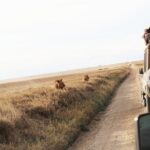
- Private 4×4 with pop-up roof so you can scan for lions, leopards, and birds without constantly shuffling positions
- Tarangire before the crowds for elephants and birding in a calmer park setting
- Olduvai Gorge en route adds an unexpected human-history stop before Serengeti game drives
- Unlimited game mileage + snacks gives you more time chasing sightings, not watching the clock
- Lake Magadi inside Ngorongoro area is a strong flamingo and hippo target
- Guides like Francis, Laban, George, Juma, and Albert show up again and again for tracking skill and clear explanations in the field
Entering The Big Game Zone: How This Private 7-Day Route Feels
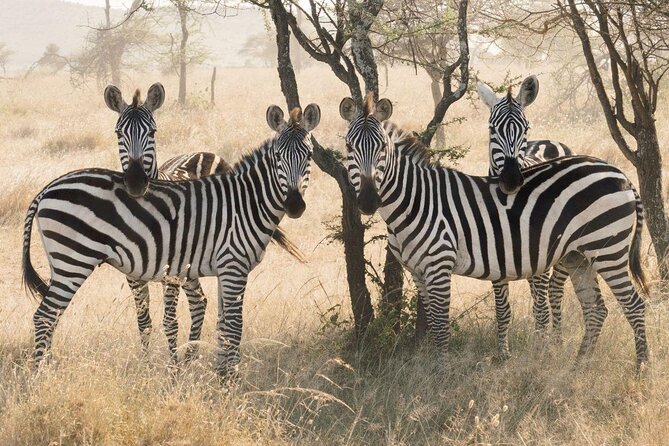
What makes this safari work is how the days flow. You start in the Arusha area, move into Tarangire for a quieter warm-up, then go hard on the Serengeti, and finish in Ngorongoro where you can see the drama of animals packed into a volcanic crater.
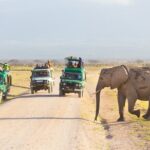
The private setup matters more than people think. With only your group participating, you’re not negotiating viewing angles with a van full of strangers. You’re also more likely to get flexible steering from your driver when a good sighting appears, since you’re not stuck with everyone’s schedule and bathroom breaks.
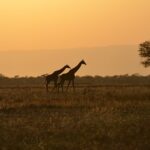
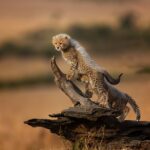
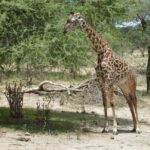
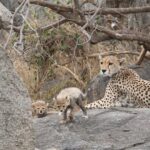
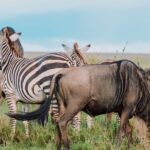
You should also know the focus here is broad wildlife. You’re not only chasing the headline animals like lions and leopards. The itinerary is set up to catch elephants, wildebeest, and lots of birdlife too. The Serengeti portion is designed around habitat variety—swamps, woodland, soda lakes, and short grass plains—so the animals you see tend to change as the scenery changes.
You can also read our reviews of more tours and experiences in Arusha.
Day 1: Kilimanjaro Airport Meet-Greet and Kibo Palace Hotel Reset
Day 1 is all about getting you from Kilimanjaro airport into a real bed. You’ll get a meet-and-greet by your guide and a transfer to Kibo Palace Hotel in Arusha. That sounds simple, but it’s one of the best ways to start a safari week: you’re not scrambling for transport, you’re not hunting down paperwork, and you can focus on sleep and hydration.
If you’re arriving the same day, this is especially helpful. A safari week is physical in subtle ways—sun, dust, early mornings, and long drives. I like that the first day gives you time to reset before game drives begin.
One small consideration: the tour describes the start time as 8:30 am at the Arusha meeting point, while Day 1 specifically mentions pickup after you arrive at Kilimanjaro airport. In practice, make sure your flight timing and your local contact match what’s scheduled for your actual arrival. That way you don’t end up waiting in the wrong place.
Day 2 in Tarangire: Elephants, Birds, and a Calmer Start Than the Usual Route
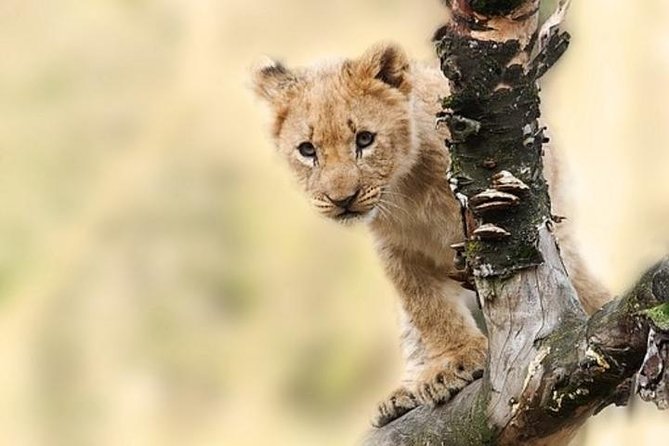
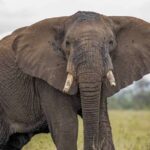
Tarangire National Park is the first real safari day, and it’s a smart choice. The park is described as lovely and quiet, and it’s famous for elephant migrations, birding, and an authentic feel that can be missed when people rush straight to the big stops.
Even if you are not there for a specific “migration moment,” Tarangire is a great way to tune your eyes. Elephants tend to show up in patterns—near water sources, along routes, and around browse. Meanwhile birding is one of those parts of safari that people underestimate until they’re out there with binoculars and time.
Drawback to consider: Tarangire is powerful, but it may not deliver every big-cat moment in the same way the Serengeti can. If your heart is set on lions and leopards immediately, keep expectations open. Think of Day 2 as learning the terrain and getting your first strong wildlife fix before the Serengeti ups the pace.
Days 3–4: Olduvai Gorge Stops You Thinking Like a Tourist, Then Serengeti Takes Over
These days are where the safari shifts from “nice wildlife viewing” to “how is this real life?” On Day 3, you drive to the Serengeti via Olduvai Gorge, the prehistoric site tied to Dr. Louis Leakey and the discovery of homohabilis remains (often referred to as handy man). It’s a pause that gives you context while you’re already moving through a region that shaped both animals and humans.
Then you get a game drive into the central Serengeti area for overnight at Serengeti Acacia Camps. The Serengeti portion is one of the most famous in the world for a reason: within about 15,000 sq km, it hosts around 3 million large mammals. The itinerary also calls out the Serengeti’s habitat variety—swamps, woodland, soda lakes, and the short grass plains—so your sightings can come from different ecological zones, not just one stretch of savanna.
Day 4 is a full day game drive toward Central Serengeti (Seronera). This is where I’d expect you to slow down and start watching for patterns instead of chasing quick flashes. When you spend long hours out there, the best moments are often the smaller behaviors: how predators stalk, how herds reposition, and how birds track the same water and insect cycles.
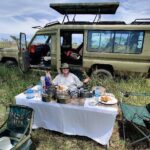
Practical note: long game drives are why this safari includes snacks on the go and unlimited bottled water. If you tend to run low on energy, use the snacks early. Don’t wait until you’re hungry; you’ll miss the small windows when animals move.
Day 5: Serengeti North to Ngorongoro Area, With Lake Magadi as Your Flamingo and Hippo Target
Day 5 is a transition day that still promises wildlife. You leave the Serengeti North in the morning, drive toward the Ngorongoro Conservation Area, and in the late afternoon you head back to your lodge.
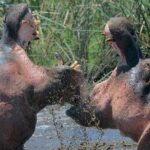
The highlight here is Lake Magadi, described as a large but shallow alkaline lake in the southwestern corner of the crater area. This is where flamingos tend to show up, along with hippos and other water birds. It’s a strong “waterlife” complement to the dry savanna drama you’ve been seeing.
Why this works for you: it breaks the week into different wildlife flavors. The Serengeti is about movement and wide-open pursuit. Lake Magadi is about animals tied to water and seasonal feeding routines. When you see both in one week, your safari memories connect like chapters instead of isolated photos.
A consideration: you are shifting locations, so don’t expect a perfectly symmetrical schedule like one park day after another. The best mindset is to accept that travel is part of the safari. Your driver’s job is to position you well, and the itinerary supports that by keeping game drive time flexible and focused.
Day 6: Ngorongoro Crater Early Drive Inside the Caldera
Ngorongoro is the big finish, and the itinerary sets you up to take advantage of it. After breakfast, you go for a morning game drive in the World Heritage Site, specifically Ngorongoro Crater just after eating, then you drive back to the lodge later.
The crater is described with serious scale: about 20 km across, around 600 meters deep, and roughly 300 sq km in area. It’s also framed as the largest un-flooded and unbroken caldera in the world—one of those facts that doesn’t mean much until you’re looking over the edge and realizing you’re inside a natural amphitheater.
This morning timing is key. In early light, animals often move more, and the visibility can be easier before the day heats up. You might find you need a light layer early in the day, even if Arusha is warm—crater mornings often feel different.
Also, this day is about being ready to see what’s “inside the crater system.” You’re not only looking for big cats. You’re looking for everything that uses the area: waterlife around suitable water sources, grazing behavior, and predator-prey dynamics within the confined space.
Day 7: Back to Arusha and a Clean Exit to Your International Flight
Day 7 keeps it calm. After breakfast you drive back to Arusha, then you’re transferred to the airport for your international flight, or to your hotel if you arranged it on your side.
One detail I’d flag: the package includes all accommodation except on the last day. So plan for your final-night logistics accordingly, especially if your international flight is late and you need somewhere to sit comfortably before heading out.
This is a good ending structure. After a week of wildlife and early starts, the final day doesn’t push another long, heavy game drive. It gives you time to pack up, hydrate, and manage your airport timing without stress.
What’s Included That Actually Changes Your Comfort on Safari
This is not a “cheap safari” style package where you keep paying for every little thing. It includes a lot of the big, annoying costs and comforts that can otherwise derail your trip.
On the included side, you get:
- Accommodation for all days except the last day
- Meals as per the itinerary (breakfast, lunch, dinner are included where listed)
- Unlimited game mileage during safari game drives
- Park fees
- Unlimited bottled water
- A 4WD vehicle with pop-up roof, plus a fridge, binoculars, guide books, and destination maps
- Snacks during game drive
- A glass of wine on sundowner
On the drink side, the tour notes that alcoholic drinks are available to purchase, but not included in the general sense. The one alcohol item clearly called out as included is the wine at sundowner.
What this means for you: you can spend more energy on wildlife and less on micromanaging the day. When the vehicle has a pop-up roof and binoculars are available, you spend less time arguing over who gets the best angle. When park fees are included, you don’t get surprised by last-minute add-ons.
Price and Value: Is $2,929.49 Reasonable for a Private 7-Day Safari?
At $2,929.49 per person, the price is high enough that you should ask what you’re paying for. Here’s the practical angle: you’re buying a private, 7-day wildlife circuit that folds in lodging, most meals, park fees, and the core safari logistics.
The value isn’t just the vehicle. It’s the way big-ticket pieces are bundled:
- Private transfers, including airport pick-up and drop-off
- Park fees included
- Unlimited game mileage during game drives
- Binoculars, snacks, and bottled water included
In other words, you’re paying for time in the field and less time trapped in admin. For many people, that’s the real benefit of a premium safari: more wildlife hours, fewer hassles, and a smoother day-to-day rhythm.
Two considerations to keep you grounded:
- The itinerary spans multiple parks and conservation areas, so the travel time is real.
- The last-day accommodation is not included, so you might still need to plan for that depending on your flight timing.
If you want a safari where your guide and driver can focus on sightings, and where you don’t feel nickel-and-dimed for essentials, this package structure fits that goal.
Guides Who Change the Game: Francis, Laban, George, Juma, Emmanuel, Albert
On safari, the guide isn’t just driving. The guide is scanning, reading animal signs, and turning a random sighting into something you actually understand.
In the experience details shared for this safari, guides such as Francis, Laban, and George stand out for spotting animals and explaining how they live and behave. Other named guides—Juma, Emmanuel, and Albert—are described as careful and responsible, with a focus on safety, good driving, and answering questions in the field.
If you’re the type who loves learning while you travel, this matters. It’s one thing to see a lion. It’s another to understand what you’re watching: hunting behavior, herd movement, and why animals choose specific routes.
One caution I’d keep in mind: one safari account notes bumpy rides. That doesn’t mean the trip is unsafe; it means you’re on safari tracks. Your comfort will depend on your tolerance for vibration and dust. Bringing a positive mindset helps, and so does using the vehicle’s shade breaks and drinking water.
Who This Safari Fits Best (and Who Might Want a Different Style)
This safari is a strong match if you want:
- A private trip with no crowd pressure
- A balanced mix of wildlife viewing and standout stops like Olduvai Gorge
- Multiple parks in one week: Tarangire, Serengeti, and Ngorongoro
- A comfort-forward plan with meals, bottled water, snacks, and included game-drive essentials
It might feel like a lot if you want a slow, low-travel vacation. This is a safari circuit, with long days out on tracks and multiple location changes. If you dislike early mornings, you’ll still get a crater morning, because that’s part of the design.
Should You Book 7 Days Tanganyika Wilderness Safari?
I’d say book this safari if you want a private, structured wildlife week that reduces the annoying extras and maximizes time in the field. The combination of Tarangire’s quieter wildlife rhythm, Serengeti’s habitat-rich game drives, and Ngorongoro’s crater viewing is a logical sequence that keeps your attention fresh.
I’d pause and rethink if:
- You want a super relaxed trip with minimal driving
- You hate rough-road comfort issues
- You’re hoping your last day includes everything seamlessly through lodging, since accommodation isn’t included on the last day
If you’re aiming for a “see a lot, understand more, and don’t get bogged down in logistics” safari, this one makes a lot of sense.
FAQ
Is this safari private or shared with other groups?
This is a private safari. Only your group participates.
What wildlife and sights are you likely to see?
You’ll target a range of animals including lions, leopards, wildebeest, elephants, and birds. The route also includes opportunities to see hippos and flamingos near Lake Magadi in the Ngorongoro area.
Which parks and major stops are included in the 7 days?
The route covers Tarangire National Park, the Serengeti (including central areas), Olduvai Gorge en route, and Ngorongoro Conservation Area with Lake Magadi, plus a morning game drive inside Ngorongoro Crater.
Does the price include park fees, meals, and bottled water?
Yes. Park fees are included, meals are included as per the itinerary, and there is unlimited bottled water during the safari.
What kind of vehicle do you use for game drives?
You travel in a 4WD vehicle with a pop-up roof. The safari vehicle also includes items like binoculars, a fridge, and guide books/destination maps for use during drives.
Do airport transfers happen?
Yes. There is airport pick-up and drop-off, and you also get round-trip private transfers.
What accommodations are included during the safari?
The included accommodations listed are Kibo Palace Hotel (Day 1), Maramboi Tented Lodge (Day 2), Serengeti Acacia Camps (Days 3–4), and Ngorongoro Farm House Lodge (Days 5–6). Accommodation is not included on the last day.
Are alcoholic drinks included?
A glass of wine on the sundowner is included. Alcoholic drinks in general are available to purchase, but additional alcohol is not listed as included.
What is the cancellation refund timeline?
You can cancel up to 6 days in advance for a full refund. Cancel 2–6 full days before for a 50% refund. If you cancel less than 2 full days before the experience starts, the amount paid is not refunded.