REVIEW · ARUSHA
4 Days safari Tour Tanzania
Book on Viator →Operated by Serengeti Wakanda Tours & Safaris · Bookable on Viator
Elephants, sunrise drives, and a crater full of drama. This 4-day Northern Tanzania safari packs Tarangire, Serengeti, and Ngorongoro into one smooth plan, using a modern 4×4 pop-roof jeep and including meals plus camping gear so you travel lighter. I especially like the focus on early wildlife action and the practical, no-stress setup, with guides often praised by name such as Max, Mr. Andersson, Zepha, and Elikana. One real consideration: you’ll be on the move a lot—long drives and early starts come with the territory.
At $1,650 per person, you’re paying for a full-service, guided, private safari circuit with binoculars, camping equipment, and even wine and beer included. The big draw is the chance at the big-five experience, with special attention to Ngorongoro and its famed wildlife density (including black rhino). The possible drawback is simple: if you hate bumpy roads or rough-camping style nights, this format may feel like more adventure than you want.
In This Review
- Key things I’d zero in on
- Northern Tanzania in Four Days: What You’re Actually Buying
- Tarangire National Park: Elephants, Baobabs, and a River That Never Sleeps
- The Serengeti Run: Crater Highways, Long Roads, and Sunset Magic at Seronera
- Sunrise Serengeti: 6 a.m. Energy and Breakfast in the Bush
- Ngorongoro Crater: Black Rhino Country and Flamingo Soda-Lake Theater
- Camping Setup, Included Meals, and the Pop-Roof Reality Check
- Guide Power: Why People Like Max, Andersson, Zepha, and Benji Stand Out
- Price and Value at $1,650: What’s Included, What You Still Budget for
- Who This Safari Fits Best (and Who Should Think Twice)
- Should You Book This 4-Day Safari with Serengeti Wakanda?
- FAQ
- What time does the safari start?
- Is pickup from my hotel included?
- Is this safari private?
- Which parks are included?
- Are meals included?
- Can the tour accommodate dietary requirements?
- What vehicle will I use?
- Do I need to bring camping equipment?
- Are park admission fees included?
- What extra cost should I plan for?
- Is cancellation free?
Key things I’d zero in on
- Pop-roof 4×4 jeeps for better sightlines on game drives
- All meals included with dietary needs handled if you tell them in advance
- Camping equipment supplied, so you don’t have to shop or haul gear
- Early drives in Serengeti plus bush breakfast timing for peak animal activity
- Ngorongoro crater descent for dense wildlife viewing, including black rhino
Northern Tanzania in Four Days: What You’re Actually Buying
This safari is built around the classic Northern Tanzania hit list: Tarangire first, then Serengeti, then Ngorongoro. The value comes from doing all three with the same setup—same kind of vehicle, same driver-guide style, and meals handled—so you’re not stuck figuring out logistics mid-trip.
You also get a private tour structure, meaning it’s only your group. That matters in safari country. You can ask for what you want to see, your driver can pace the day, and you’re not constantly negotiating other people’s interests.
Finally, the plan leans into wildlife timing: afternoon drives, sunrise drives, and a crater morning. That’s the difference between seeing animals on a calendar and seeing animals on the move.
You can also read our reviews of more tours and experiences in Arusha.
Tarangire National Park: Elephants, Baobabs, and a River That Never Sleeps
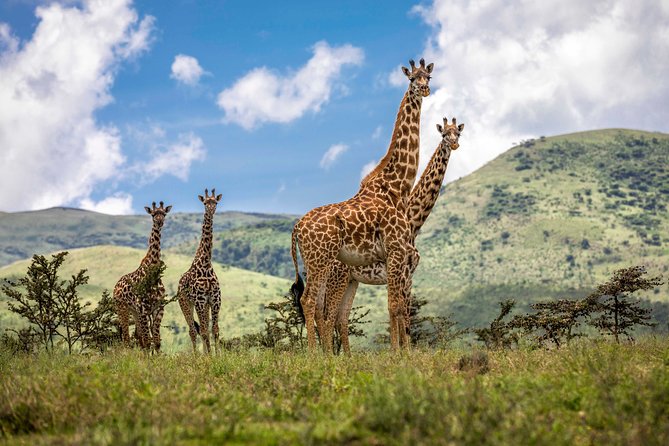
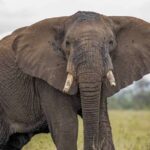
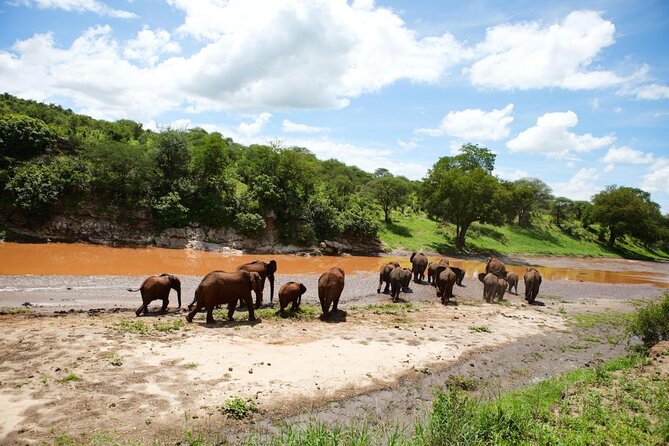
Day one starts with a hotel pickup and the drive into Tarangire National Park, known for elephant herds and those massive baobab trees. You’ll spend game-drive time through savanna, seasonal swamps, and along the Tarangire River system where wildlife activity is often strong.
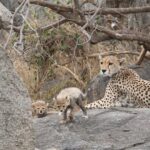
What I like about Tarangire here is the mix of open viewing and varied habitat. Elephants and big birds are common targets, but you’re also in the zone for giraffes, zebras, impalas, warthogs, elands, plus predators like lions and leopards. Even if your heart is set on one animal, Tarangire’s breadth helps you collect more sightings.
Lunch is a picnic in a scenic spot with a view—exactly the kind of break that makes the whole day feel doable. It’s not just sitting around. You’re still close enough to keep watching as you eat.
Practical note: the open-top pop-roof format is great for photos, but it also means you’ll want sun protection and something warm for early hours.
The Serengeti Run: Crater Highways, Long Roads, and Sunset Magic at Seronera
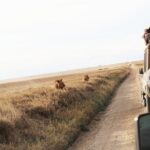
Serengeti day two is all about movement and positioning. After breakfast, you’re on the road toward the Serengeti plains, driving through the crater highlands area for about 4–5 hours. It’s described as long and bumpy, which is honest—and important, because Tanzania roads in safari regions can test your patience.
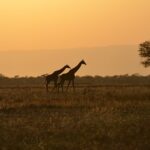
You’ll stop for a picnic lunch en route, then check in for an afternoon game drive. The plan specifically includes a sunset drive, which is one of the best times to catch active predators and animals preparing for night.
By the evening you head to Seronera campsite for dinner and overnight. Seronera is a practical base for Serengeti wildlife access, and the timing here gives you at least one full day of viewing before the big early start on day three.
If you’re wondering whether the road time is worth it: yes, because the schedule gives you multiple separate drive windows. You’re not trying to squeeze everything into one long day.
Sunrise Serengeti: 6 a.m. Energy and Breakfast in the Bush
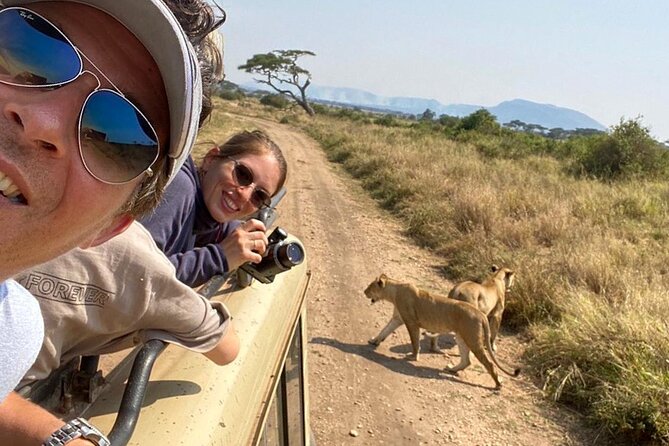
Day three is the one most people remember because it starts very early, around 6 a.m. You go out when animals are most active, then you continue the game drive before returning around noon for hot lunch.
Breakfast is part of the bush experience at a picnic site—so you’re eating while surrounded by the environment rather than touring past it. That matters more than it sounds. It’s the shift from driving through wildlife to slowing down just enough to notice details.
After the morning and lunch, you load up and head toward Ngorongoro for dinner and overnight at Simba campsite. This is a smart sequencing choice. Ngorongoro viewing is at its best with an early crater plan, so you don’t waste your best daylight scrambling to get there.
Real talk: early mornings can be rough. But they also raise your chances. This schedule builds in that advantage by putting serious viewing before the heat.
Ngorongoro Crater: Black Rhino Country and Flamingo Soda-Lake Theater
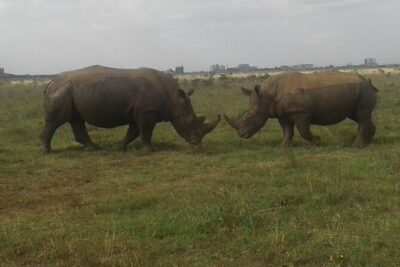
Ngorongoro is the star move on day four. You do an early game drive after breakfast, then descend into the crater where wildlife density is described as extremely high, including black rhino.
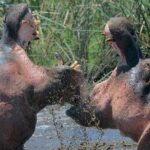
The crater setting is packed with different environments: a river, swamps, and a soda lake that can look like steam from above. You can also find forested areas and open plains, and the plan points out flamingos and multiple habitats in one place—meaning you’re not stuck looking at only one type of scenery.
The elephant focus is also specific here. The plan highlights bull elephants with very large tusks tied to volcanic soil and rich grasses. Even if you’re not a tusk-spotting expert, this is the kind of detail that helps you understand why Ngorongoro feels different once you’re down in it.
Your crater drive runs for about 5 hours, then you head back to Arusha where the safari ends.
What to expect day-of: crater terrain can mean slow, careful driving and lots of vehicle positioning. It’s not an all-speed safari. It’s an all-sighting safari.
Camping Setup, Included Meals, and the Pop-Roof Reality Check
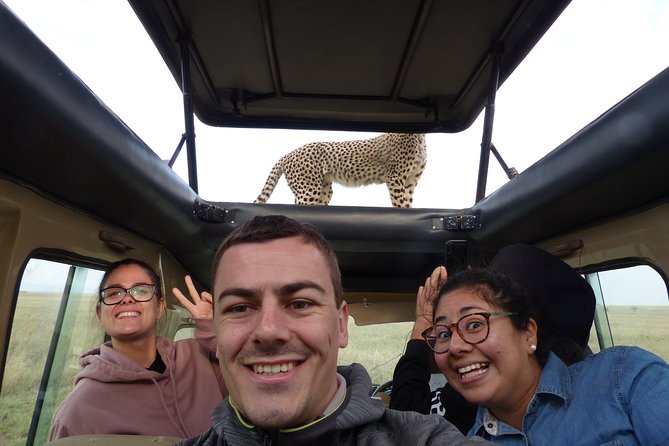
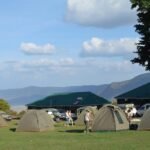
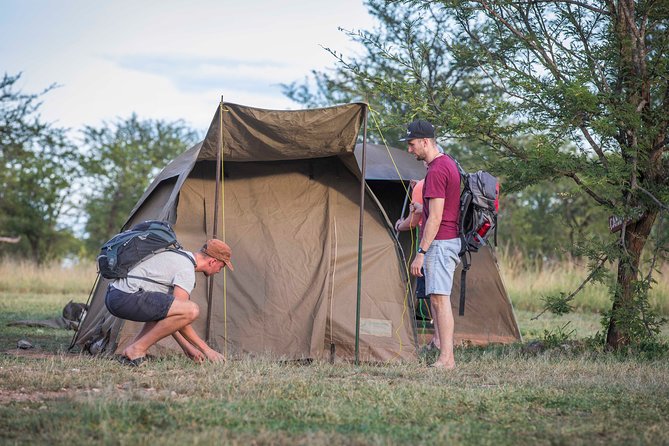
This tour is a mixed model: you get nights at Fig tree lodge, Seronera campsite, and Simba campsite, and you’re also told that camping equipment is supplied to reduce the burden of bringing your own gear.
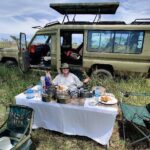
The big comfort win is the meal setup. The plan includes 4 breakfasts, 4 lunches, and 3 dinners. Dietary requirements are catered to if you communicate them in advance. That’s a big deal on safari, because outdoor eating can turn complicated fast when a kitchen is improvising.
Food quality comes up again and again in the feedback you’re likely to read for this operator, with mentions of tasty meals and guides and chefs who treat cooking as part of the experience. Also, wine and beer are included, which helps turn the evening downtime into a real hangout instead of just a tired pause.
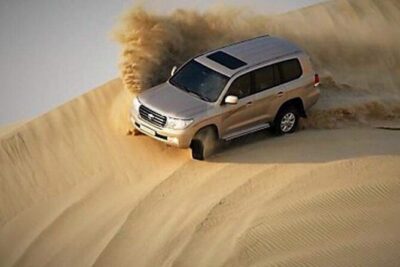
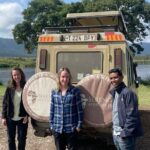
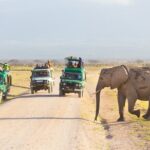
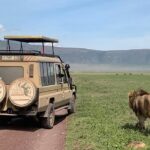
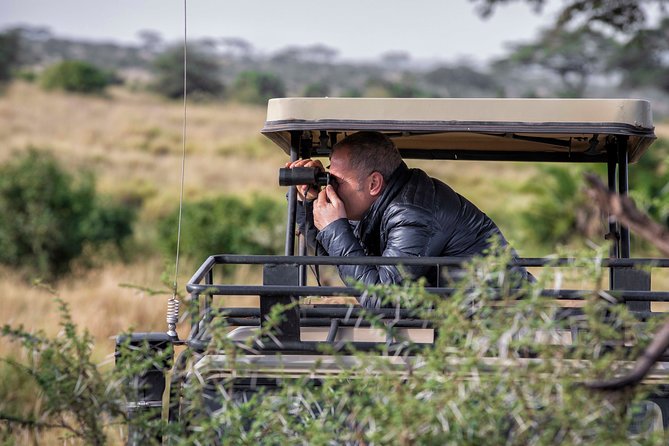
Now, the pop-roof jeep part: it’s one of the best ways to see wildlife without leaning over rails or shooting through glass. But it also means you’ll want:
- a cap or hat for sun
- sunglasses
- a light layer for early mornings and cooler crater air
- a way to keep your phone/camera dry if weather shifts
Safari comfort is less about luxury and more about planning. This tour handles a lot of that planning for you.
Guide Power: Why People Like Max, Andersson, Zepha, and Benji Stand Out
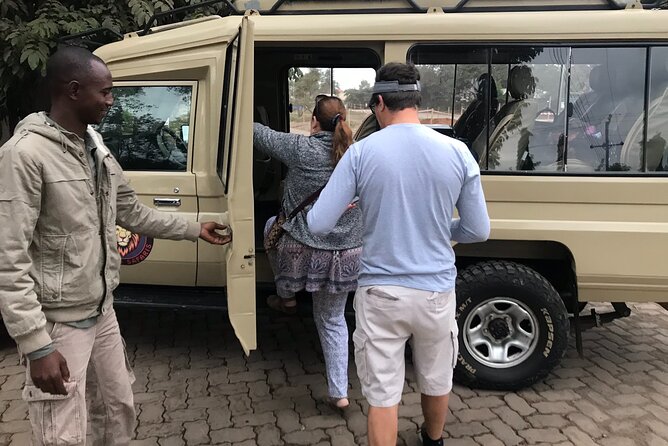
In this kind of trip, the guide is not just a driver. Your guide’s eyes and decisions shape your day.
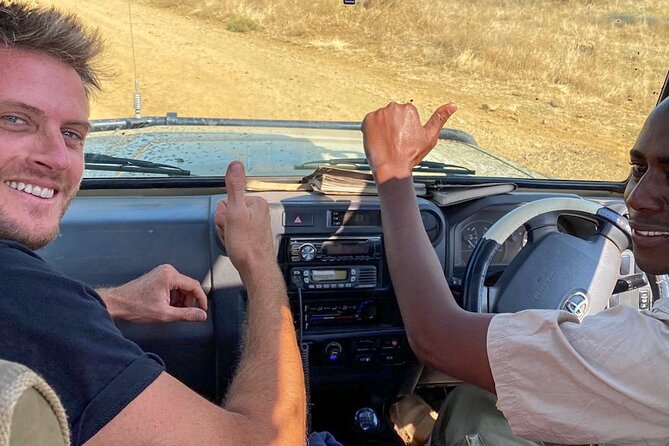
The names that show up in the feedback for this operator include Max, Mr. Andersson, Zepha, Elikana, Edward, and guides like Filex. Across those mentions, the common themes are safety, steady driving, good communication in English, and serious skill at spotting animals.
One review thread also highlights a guide-communication style like asking what you want out of the safari and then adjusting the day. Another mentions a team approach where the driver and chef work in sync, with outdoor cooking as part of the fun.
If you care about wildlife sightings, that’s the point: good guides help you spend time looking at animals, not just time traveling between chances.
Price and Value at $1,650: What’s Included, What You Still Budget for
Let’s talk money with your decision in mind. At $1,650 per person, you’re getting a guided private safari across Tarangire, Serengeti, and Ngorongoro with:
- professional driver-guide
- a 4×4 pop-roof safari vehicle
- binoculars
- camping equipment
- wine and beer
- meals (4 breakfasts, 4 lunches, 3 dinners)
Tips are not included, so plan on tips & gratuities at the end. That’s a normal safari reality, but it’s the one extra cost you should keep in mind.
What makes the value feel “real” is the all-in nature of day-to-day stuff. You’re not spending energy arranging meals, renting gear, or building daily transit plans. You’re buying time for wildlife.
Who This Safari Fits Best (and Who Should Think Twice)
This tour fits best if you:
- want the big Northern Tanzania combo without juggling separate companies
- can handle early starts (the plan has a sunrise day)
- are okay with camping-style nights and long drives
- want a guide who can help you chase specific animals
It might be a tougher match if you:
- hate rough-road travel and get motion sick easily
- need a lot of downtime with no activities
- expect luxury hotel comfort every night (the plan uses camps/lodges in the bush)
For a lot of people, that’s part of the appeal. Safari days are supposed to feel like safari days, not like a bus tour with postcards.
Should You Book This 4-Day Safari with Serengeti Wakanda?
If your goal is a classic Northern Tanzania wildlife circuit with minimal logistics headaches, this is a strong option. You’re not just doing one park. You’re doing Tarangire for elephant and baobab country, Serengeti for sunrise and sunset viewing, and Ngorongoro for high-density crater wildlife with black rhino as a named possibility.
I’d book it if you’re excited by early mornings, want a pop-roof vantage point, and like the idea of meals and gear handled for you. I’d hesitate if your idea of comfort means avoiding camping-style setups or if long bumpy road days will wear you out fast.
FAQ
What time does the safari start?
The start time is listed as 7:30 am.
Is pickup from my hotel included?
Yes. Pickup is offered.
Is this safari private?
Yes. It’s described as private, meaning only your group participates.
Which parks are included?
The tour includes Tarangire National Park, Serengeti National Park, and Ngorongoro Crater.
Are meals included?
Yes. Breakfast (4), Lunch (4), and Dinner (3) are included.
Can the tour accommodate dietary requirements?
Yes, meals are included with catering to dietary requirements if you communicate them in advance.
What vehicle will I use?
You’ll use a modern 4×4 pop-roof safari jeep for the game drives.
Do I need to bring camping equipment?
No. Camping equipment is supplied to minimize the hassle of organizing your own.
Are park admission fees included?
The plan notes admission tickets are free for Tarangire and Serengeti days, and included for Ngorongoro.
What extra cost should I plan for?
Tips & gratuities are not included.
Is cancellation free?
Free cancellation is available up to 24 hours in advance for a full refund.
If you want, tell me your travel month and whether you care most about big cats, elephants, or specifically black rhino. I can help you decide if this timing and routing matches your priorities.