Arusha National Park is safari time without the long flight. This private 4×4 day trip keeps you close to wildlife on the flanks of Mt. Meru, and it wraps the basics you need—entry fees and expert guiding—into one smooth outing.
I especially like the hotel pickup and drop-off in Arusha. You also get lunch plus bottled water, which matters when you’re out for up to 9 hours and you don’t want to waste time hunting snacks.
One consideration: a day like this can run 5 to 9 hours, and you’ll spend most of it in a vehicle. If you’re sensitive to long car time, plan your day around this tour and keep your own expectations flexible.
In This Review
- Key highlights to know before you go
- Arusha National Park: why this day trip feels like a shortcut to Tanzania wildlife
- Private 4×4 safari: what flexibility really means in practice
- Price and value: when $274.36 feels fair (and when it doesn’t)
- The morning flow: pickup, Takims Holidays meeting, and gate entry handled
- Inside the park: what you can realistically expect to spot
- The best part of a “day at your pace”: how to use your guide’s time
- Lunch, water, and why “included” matters more than you think
- Timing and operating hours: plan around an 8:00 AM start
- What to ask your guide before you drive out
- Who this private Arusha safari fits best
- Practical tips to improve your odds (and your photos)
- Should you book the Arusha National Park Private Safari?
- FAQ
- Where does this safari start?
- How long is the Arusha National Park private safari?
- What is included in the price?
- Is this tour private or shared?
- Does it include entrance fees to the national park?
- Are vegetarian meals available?
- Does the tour accommodate children?
- Are guides available in more than one language?
- What are the operating hours?
- Can I change or get a refund if my plans shift?
Key highlights to know before you go
- Private safari pacing: you control the rhythm with your guide and can linger where the sightings are good
- Entrance fees handled: your guide takes care of park fee payments at the gate
- Food and water included: lunch and bottled water keep you comfortable on a long wildlife day
- 4×4 game-drive vehicle: built for off-road tracks and day-tripping into the park
- Bird and lake country: flamingos and plenty of birdlife come with the scenery and calmer moments
- Live commentary on board: you’re not just driving—you’re learning as you go
Arusha National Park: why this day trip feels like a shortcut to Tanzania wildlife
Arusha National Park sits in a sweet spot for people who want real game viewing without committing to a multi-day safari right away. From Arusha, you’re not dealing with the long-distance logistics that can come with some of Tanzania’s bigger, far-flung parks. Instead, you get a compact day where wildlife is reachable, and the scenery around Mt. Meru gives the whole experience a sense of place.
What I like about Arusha NP is that it can feel both scenic and productive. You’re not just looking at animals from one narrow angle. You’re in varied habitats, and that variety tends to keep your eyes moving—zebras and giraffes out in open areas, monkeys in the busier pockets, and birdlife showing up where the water and vegetation create the right conditions. If you’re building your first Tanzania safari plan, this is a smart way to get momentum.
You can also read our reviews of more tours and experiences in Arusha.
Private 4×4 safari: what flexibility really means in practice
This is a private tour, so it’s not about fitting into a rigid group schedule. The day is centered on your guide’s ability to read the landscape and respond to what you’re seeing.
Here’s what that flexibility can mean for you:
- If the action is happening in one area, you can spend more time there instead of rushing onward.
- If you care more about birds and lakes one moment, and then want to focus on mammals the next, your guide can help you steer the day.
- If you want slower photo breaks, you can ask for them without “waiting for the group.”
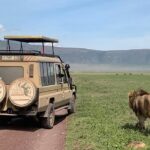
The vehicle matters too. You’ll ride in a private 4×4 safari jeep customized for safaris and wildlife viewing. That’s not just a marketing line. In a park like this, roads can be uneven, and the best sightings can be around bends, clearings, and areas where you want to park safely and get a decent angle. A properly set-up jeep also makes long hours more comfortable.
Price and value: when $274.36 feels fair (and when it doesn’t)
At $274.36 per person, you’re paying for a private vehicle, a professional guide, and the included items that would add up fast if you tried to piece everything together on your own.
For value, I’d focus on three things you get here:
- National Park fees are included (so you’re not doing the math mid-day at the gate)
- Lunch and bottled water are included (so you don’t blow budget on convenience stops)
- Hotel pickup and drop-off in Arusha are included (this saves time and avoids extra arrangements)
You can compare this to DIY safari logic: even if you can arrange a rental vehicle or pre-book a guide separately, you’ll usually still face separate costs for park entry, transport, and day meals. In a place like Arusha where you’re trying to maximize daylight, bundling these pieces is often the difference between a smooth day and a stressful one.
When might the price feel less ideal? If you’re traveling as a tiny group and you’re confident you’d rather self-drive or you’re comfortable coordinating everything yourself. But if you want low-friction safari time, this pricing structure tends to make sense.
The morning flow: pickup, Takims Holidays meeting, and gate entry handled
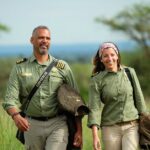
Your day starts with pickup from your Arusha hotel. You’ll meet your guide in the morning and head from town to Arusha National Park. The routine is simple by design: get you out early enough to make the most of your wildlife hours, then let the guide run the details.
One practical win: your guide will make the park fee payments at the gate. That’s small, but it matters. It means you don’t need to worry about finding the right desk, paying the right way, or timing paperwork while everyone else is ready to look for animals. You just show up, get into the jeep, and start moving.
You’ll also have live commentary on board, which turns the drive into part of the experience. Even when sightings are quiet, good guiding can help you understand what you’re seeing—animal behavior, bird calls, and why animals choose certain spots.
Inside the park: what you can realistically expect to spot
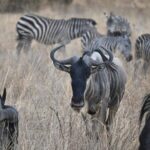
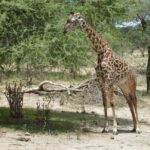
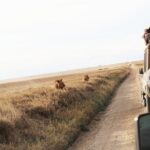
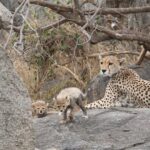
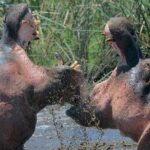
Arusha National Park is compact enough to feel productive, especially in a private 4×4 where you can linger where the signs are strong. Species sightings can vary by season and timing, but based on the animals repeatedly referenced for this park, you should keep your camera ready for:
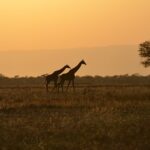
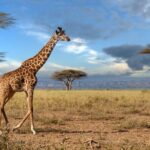
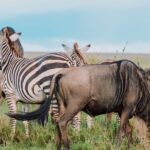
- Zebra and giraffe
- Buffalo and warthog
- Monkeys (with different types of primates possible)
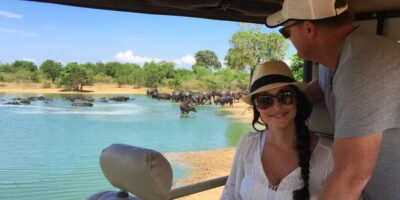
- Flamingo and a lot of birdlife, especially around water areas
- Other mammals and birds you might not see every day elsewhere
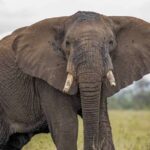
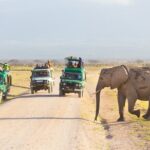
Several guides and past safari days highlight the range you can get in a short window—everything from giraffes and zebras to birds and primates, with mountains in the background. You may also see larger animals on some days, so don’t assume it’s only “small zoo-style” viewing.
How to think about it: treat the day as wildlife hunting with a warm-up and a peak. The morning often sets the tone. Midday can be a mix of sightings and quieter observation. Late afternoon can bring calmer light for photos and sometimes better movement as animals shift their routines.
The best part of a “day at your pace”: how to use your guide’s time
With a private safari, you’ll do better if you take a small amount of control. Not by micromanaging—just by communicating what matters to you.
A helpful approach:
- Tell your guide what you most want: mammals, birds, or scenic photo moments with the Mt. Meru backdrop.
- Ask for a plan that balances scanning and rest breaks.
- If you see something interesting, say so quickly. Good guides will adjust, and you won’t miss the moment because you were still grabbing your water.
Past Arusha NP safari days with experienced guides often mention how much the guide’s choices shape your results. Guides like Masatu have been highlighted for making the day feel personal and full of conversation on the ride in, while guides such as Eli, Harry, and Fredy have been noted for being strong at finding wildlife and explaining what you’re seeing. Even if you don’t match up with the same person, that’s the standard you should hope for: a guide who can read the park fast and communicate clearly.
Lunch, water, and why “included” matters more than you think
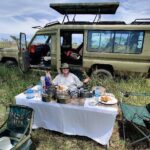
This safari includes lunch and bottled water, which is more than a perk. On a wildlife day, hunger and dehydration can quietly mess with attention. When you’re scanning treelines and open plains for animals, you want your energy to stay steady.
What you can do to make lunch work best:
- Eat when the guide suggests a natural break, even if you’re in the middle of a hot sighting window. A good guide usually times breaks so you don’t lose the best action.
- Use lunch and water as a reset for your eyes and camera. Fresh batteries and a quick wipe-down help a lot in humid conditions.
In a 5 to 9 hour day, these included items keep the pace from turning into a series of interruptions. You’re not searching for a place to buy snacks or trying to manage cash and timing while wildlife moves on.
Timing and operating hours: plan around an 8:00 AM start
The tour is listed as operating daily from 8:00 AM to 5:00 PM. Because your total time in the park can run from 5 to 9 hours, you should think about where your day starts and what you want afterward.
If you have dinner plans, don’t schedule anything tight right after pickup time. You’re likely to return in the afternoon or early evening, depending on how the sightings and driving conditions go.
Also, remember that Tanzania can shift in weather and light quickly. If you’re serious about photos, pack for sun and shade: you may get bright light for scanning, then softer conditions for longer shots.
What to ask your guide before you drive out
This isn’t a lecture—just a short checklist that helps you get more from your day.
Consider asking:
- Which animals are you hoping for today?
- Where should we focus for birds and flamingos versus large mammals?
- If we find a strong sighting, are we likely to linger there?
- Do you recommend any specific photo angles based on the time of day?
Because it’s a private tour with live commentary, the guide’s explanations can be a big part of your satisfaction. When people highlight their best safari moments, it’s often not only the animal—they also remember how the guide made the animal make sense.
Who this private Arusha safari fits best
I’d steer you toward this option if:
- You’re short on time but still want a real safari day
- You want a private experience instead of a shared group schedule
- You prefer having key costs handled (park fees, lunch, water)
- You’re building a first-time Tanzania itinerary and want wildlife close to Arusha
It’s also a smart choice for honeymooners and couples who want a more personal day. That’s reflected in how often people connect the quality of guiding and the smoothness of service with feeling cared for throughout the trip.
If you’re a solo traveler, it can also work well because you’re not stuck waiting for other people’s pace.
Practical tips to improve your odds (and your photos)
You’ll get the most out of this safari by planning for long hours and variable wildlife movement.
Bring:
- A camera with a lens you trust for both distant and medium-range shots
- Sunglasses and sunscreen (you’ll be out for hours, and the sky can get bright)
- A light layer for comfort if morning air feels cool
- Any personal snacks only if it calms you down—lunch is included, so you shouldn’t need much extra
Use the day like this:
- Start scanning early, but don’t ignore details. Birds often show up where you’d least expect if you only watch for big mammals.
- When you get a good sighting, slow down. Frame carefully. Wildlife days reward patience more than speed.
- Ask your guide to explain behavior you see. It often turns a brief animal sighting into a moment you remember.
Should you book the Arusha National Park Private Safari?
I’d book this tour if your goal is straightforward: a comfortable, guided wildlife day near Arusha with the important extras handled for you. The combination of private 4×4 safari, park fees included, and lunch plus bottled water makes it low-stress, especially when you’re trying to maximize daylight.
I’d pause if you strongly dislike long car time. Because the experience is a full day out in the park (up to 9 hours), it’s best for people who enjoy being on the move and watching for animals rather than people who want constant comfort breaks and quick stops.
If you’re planning a first Tanzania trip, or you want a safari “starter” day that still feels real, this is a solid way to do it—close to town, guided, and built around a day’s worth of wildlife.
FAQ
Where does this safari start?
It starts with hotel pickup in Arusha. Your guide meets you in the morning, then you drive to Arusha National Park.
How long is the Arusha National Park private safari?
The duration is listed as 5 to 9 hours (approx.).
What is included in the price?
The tour includes national park fees, bottled water, lunch, live commentary on board, a professional guide, hotel pickup, hotel drop-off, and the private tour.
Is this tour private or shared?
This is a private tour/activity. Only your group participates.
Does it include entrance fees to the national park?
Yes. National Park fees are included, and your guide will make the park fee payments at the gate.
Are vegetarian meals available?
Yes, a vegetarian option is available. You should advise your dietary needs at the time of booking.
Does the tour accommodate children?
Children must be accompanied by an adult, but the tour notes that most travelers can participate.
Are guides available in more than one language?
It may be operated by a multi-lingual guide, so you can ask at booking if you need a specific language.
What are the operating hours?
It runs Monday to Sunday from 8:00 AM to 5:00 PM.
Can I change or get a refund if my plans shift?
No. This experience is non-refundable and cannot be changed for any reason once booked.