Elephants and crater views in four days? This small-group safari from Moshi links Tarangire, Serengeti, and Ngorongoro, with two UNESCO World Heritage stops and multiple game drives aimed at classic Big Five country. It’s a tight itinerary that moves you between Tanzania’s big wildlife zones without pretending you’ll do it all in one long day.
I like two things in particular. First, the max 7 travelers setup keeps you from feeling lost in a crowd and makes it easier for your guide to manage sightings and questions. Second, the schedule leans on early drives, then gives you time to eat and reset before heading back out again.
One thing to consider: the days start early and the road time adds up, and tipping is extra. If you hate early mornings, this may feel like more work than holiday.
In This Review
- Key takeaways before you go
- What you’re really booking: Big Five country, done efficiently
- Day 1 in Tarangire: why the 9am start is a big deal
- Day 2 in Serengeti: Seronera’s river focus and an afternoon hunt
- Day 3 in Serengeti, then Ngorongoro Simba camp: early drive plus a second shot
- Day 4 in Ngorongoro crater: go early for the enclosed best-time
- How the guide makes or breaks your safari (Emanuel, Rasheed, Ben)
- Food on safari: included meals, plus a chef who takes it seriously
- Price and value: what $1,282.06 gets you, and what doesn’t
- Timing, pickup, and the reality of getting to the parks
- Who this safari fits best
- Should you book this 4-day Serengeti, Ngorongoro and Tarangire safari?
- FAQ
- What parks are included in the 4-day safari?
- What time is pickup for Tarangire on the first day?
- What meals are included?
- Is tipping included in the price?
- How large is the group?
- Can I get a full refund if I cancel?
Key takeaways before you go
- Tarangire River elephant drama: Tarangire is often called home of elephants, with large groups gathering around the river area
- Seronera strategy in Serengeti: game drives are focused around the Seronera region and the Seronera River water source
- Two big UNESCO stops in one circuit: your route includes two UNESCO World Heritage sites tied to these parks
- Early Ngorongoro crater departure: leaving the campsite early is built into the plan for the best chance at crater wildlife
- Guide impact is a theme: Emanuel, Rasheed, and Ben show up often in feedback for finding animals and explaining what you’re seeing
What you’re really booking: Big Five country, done efficiently
This 4-day safari is designed for people who want the big-name parks in a short window, without signing up for an all-summer expedition. You’ll spend your time where wildlife is most likely to show up: Tarangire for concentrated elephant activity, Serengeti’s Seronera zone for predators and herds, and the Ngorongoro crater for the kind of enclosed, view-from-every-angle wildlife that makes first-time safari folks grin.
The value piece is not just the price. It’s that the itinerary packs in multiple game drives and keeps the group small, so you’re not waiting around for someone to catch up. You also get meals included for most of the trip: breakfast on 3 days, lunch on 4 days, and dinner on 3 days, which matters because it reduces surprise costs while you’re away from restaurants.
Still, remember you’re signing up for a “watch animals for hours” style of travel. You’ll be on safari vehicle time a lot. If you’re looking for frequent breaks for pool time or shopping stops, this is not that kind of trip.
You can also read our reviews of more tours and experiences in Moshi.

Day 1 in Tarangire: why the 9am start is a big deal
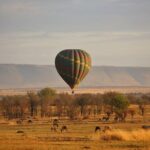
Your day starts with pickup and a drive toward Tarangire National Park. The plan has you leaving around 9:00am and spending about an hour en route, then settling into a park that’s often called the home of elephants. The reason Tarangire earns that nickname is simple: the Tarangire River area pulls wildlife in, and you have a strong chance of seeing elephants in larger groupings there.
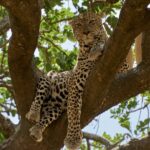
Tarangire is also where you might spot other classic bush favorites—lions, giraffes, and leopards—and even something different like tree climbing pythons. That last one matters because it hints at how varied Tarangire can feel. You’re not only scanning for big mammals on the open plains.
By the evening, you head to your camp for dinner and overnight. Practically, this is a solid setup for day one: you get the wildlife time in daylight, then you’re not stuck driving long hours into the night.
Day 2 in Serengeti: Seronera’s river focus and an afternoon hunt
After breakfast, you head toward Serengeti National Park. The route is more than just travel between parks. You’ll pass through the Karatu farmland area and the Ngorongoro Conservation Area, then drop into the Serengeti world of open plains where distances can feel endless.
The key wildlife logic on this day is that you go to the Seronera area, which is tied to the Seronera River. Water draws animals, and animals draw predators. That’s why Seronera is often described as one of the richer wildlife zones of the Serengeti.
You arrive in time for lunch, then go out for an afternoon game drive. Afternoon isn’t the only time you see predators, but it can be great for watching how herds move and how hunting opportunities present themselves.
You finish the day at Nguchiro camp for dinner and overnight. This is a helpful pacing choice: you’re in Serengeti country the next morning, not back to a far-away base.
Day 3 in Serengeti, then Ngorongoro Simba camp: early drive plus a second shot
Day three starts with an early morning game drive. The itinerary then brings you back to camp around 11:30am for brunch lunch, before another game drive later in the day. That rhythm is smart for two reasons: you get the cooler, active hours up front, then you’re not running on fumes when the heat rises.
In the Seronera region, the plan calls out a good chance of seeing wildebeest and zebras, along with predators like cheetahs and leopards, plus the usual lion interest. You’re not guaranteed anything in the wild, but the structure gives you multiple chances to catch movement where animals concentrate.
After lunch and driving time, you head to Ngorongoro Simba camp for dinner and overnight. One of the standout location notes here is the camp’s views of the collapsed volcano that’s described as about 600 meters long. Even if wildlife is quiet at a moment, the setting helps make the evening feel like part of the experience, not just downtime.
Day 4 in Ngorongoro crater: go early for the enclosed best-time
Ngorongoro is the day everyone talks about, and this itinerary builds the day around timing. You get an early departure from camp because it’s described as the best time to spot game inside the Ngorongoro Crater. You then enjoy picnic lunch inside the crater—a practical touch because it means you stay where the action is instead of losing time returning to camp.
The crater itself is the story. It’s described as an ancient collapsed volcano, and the plan notes that specialists believe it would have been taller than Mount Kilimanjaro. Whatever the exact height, the point for your safari is what that geography does: the crater walls help keep animals within the enclosure, so you’re more likely to see multiple species without endless scouting.
You’ll look for Big Five chances, plus species that are highlighted for this day: zebra, hippo, wildebeest, and hyenas. Hippos inside the crater can be a mind-bender the first time you picture it, and hyenas add that extra layer of scavenger-energy that makes the crater feel alive.
If you’re trying to plan your photo strategy, this is the day where you’ll want to be ready for quick changes. Expect frequent stops, frequent scanning, and frequent moments where the animal seems to appear from behind something you didn’t notice.

How the guide makes or breaks your safari (Emanuel, Rasheed, Ben)
This kind of safari lives or dies by the guide’s ability to read the landscape and the animals’ behavior. The feedback around Emanuel, Rasheed, and Ben is especially strong for a few reasons: they’re described as friendly, good at explaining, and focused on finding spots where wildlife actually shows up.
In practical terms, a good guide helps you in three ways. First, they help you spot what you might miss—distant shapes, movement patterns, and telltale signs of recent activity. Second, they share context so you know why the animals are there, not only that they’re there. Third, they manage the flow of the day, including pacing stops so you don’t lose time to confusion.
Safety also matters. Reviews include comments about feeling safe with the guides and organization. While every safari has its own variables, a steady operator and driver team can reduce stress, especially when roads are uneven and schedules are tight.
One more useful detail from the experience: there’s mention of a car breakdown handled with a new car and a new guide. That’s not something you want to happen, but it’s reassuring to hear the response was quick and the trip stayed functional.
Food on safari: included meals, plus a chef who takes it seriously
Meals can be a surprisingly big part of safari quality. You’re out from early morning until evening, so food needs to be more than an afterthought. This itinerary includes breakfast, lunch, and dinner across the days (with 3 breakfasts, 4 lunches, and 3 dinners), and the plan also includes picnic lunch on the crater day.
What stands out in the feedback is how much effort goes into making the food feel like part of the trip, not a rushed necessity. A chef is described with humor as a “stomach engineer,” and there are mentions of flexible options around food and accommodation. That flexibility matters when you’re traveling in a group of up to 7 and want the day to stay smooth.
What you can do on your side is simple: pack a light day bag with water and snacks for long drives (even if lunch is planned), and be ready for early starts where breakfast might feel like it arrives faster than you want.
Price and value: what $1,282.06 gets you, and what doesn’t
At $1,282.06 per person, this sits in the “budget-friendly for the parks” category for a 4-day circuit across Tarangire, Serengeti, and Ngorongoro. The reason it can feel like good value is that you get more than just vehicle time.
Key value drivers:
- Small group size (max 7): better attention and less waiting around
- Meals included: breakfast 3x, lunch 4x, dinner 3x
- Park admission listed as free in the day-by-day schedule notes
- Multiple game drives: not one long day and then a lot of sitting
What’s not included is also clear: tipping is extra, and there can be an additional small charge for a translator if one is needed. I recommend you mentally budget for tips early, even if you wait until you’re on the ground to decide the amount.
If you compare safari costs, don’t only look at the headline price. Look at whether meals and park fees are built in, and whether the group size stays small. Those two things can easily shift the overall experience.
Timing, pickup, and the reality of getting to the parks
The tour includes pickup offered, and the schedule describes an early departure pattern. One detail you should plan around: the itinerary notes pickup from accommodation in Arusha at 9:00am for the drive to Tarangire. Since the location is listed as Moshi, double-check where your pickup is actually happening the day you start.
Also, the trip days are structured with early departures and long enough wildlife windows that you should travel with an easy attitude about timing. Safari days don’t run like museum days where you choose your own pace every hour. You’ll be following the plan, and that’s part of how the route stays efficient.
For tickets, the tour offers a mobile ticket, which is usually convenient if you’re trying to travel light and avoid paper.
Who this safari fits best
This is a strong match for:
- First-time safari goers who want Serengeti plus Ngorongoro without booking separate trips
- People who like a small group and want their guide close by
- Travelers who value a structured itinerary that still leaves room for wildlife surprises
- Anyone who wants a Big Five-focused circuit and doesn’t want to sacrifice days to logistics
Think twice if:
- You hate early morning starts and long vehicle days
- You need lots of flexible downtime in between parks
- You’re not comfortable budgeting for the expected tipping in this destination
Should you book this 4-day Serengeti, Ngorongoro and Tarangire safari?
If your goal is a classic Tanzania wildlife hit in a short time, this one makes sense. The itinerary is built around wildlife logic: elephants and river concentration in Tarangire, predators and herds around Seronera’s water, and the enclosed view-and-scan setup of Ngorongoro crater, timed with an early departure.
Book it if you’re excited by early mornings and want your guide to do the searching and explaining. You’ll likely benefit most from the small group size, especially if you care about asking questions and getting direct answers.
Skip it if you’re expecting a slow travel style with lots of downtime. This is a safari rhythm: drive, look, listen, eat, repeat.
FAQ
What parks are included in the 4-day safari?
The itinerary covers Tarangire National Park, Serengeti National Park (with drives focused around the Seronera area), and the Ngorongoro Conservation Area, including time in the Ngorongoro Crater.
What time is pickup for Tarangire on the first day?
The plan describes pickup from your accommodation location in Arusha at exactly 9:00am, followed by about a one-hour drive to Tarangire National Park.
What meals are included?
Meals included are breakfast (3 times), lunch (4 times), and dinner (3 times). A picnic lunch is included on the Ngorongoro Crater day.
Is tipping included in the price?
No. The tour price covers everything except tipping, which is described as an expectation in this destination.
How large is the group?
This experience has a maximum of 7 travelers, and it’s described as a small group safari.
Can I get a full refund if I cancel?
Yes. You can cancel up to 3 days in advance of the experience for a full refund, and cancellations within 3 days are not refunded.