REVIEW · ARUSHA
5 Days Serengeti Camping Safari
Book on Viator →Operated by Serengeti African Tours · Bookable on Viator
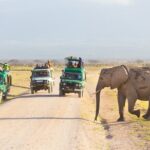
Four parks in five days, with tents. Tarangire starts you off with elephants and baobabs, then you roll into Ngorongoro and end at Lake Manyara for flamingos and hippos. It’s a classic circuit, just done in a camping style that keeps you close to the parks.
I love how the itinerary changes habitats every day. You go from Tarangire’s elephant country to Serengeti’s big-safari plains, then down into a crater ecosystem where animals feel packed together. I also like that the price covers the essentials: all meals and park fees, plus the camping nights at the planned campsites.
One drawback to consider: this is not a slow, leisurely trip. You’ll be up early (Day 1 pickup is 7:30 am, and Day 4 crater descent starts at 6:15 am), and you’ll spend several long stretches in the vehicle with a group (max 50).
In This Review
- Key highlights before you go
- Price and what $1,100 actually buys you
- Day 1 in Tarangire: elephants, baobabs, and predator-hunting
- Day 2: Serengeti arrives via Ngorongoro views and an optional Maasai village
- Day 3: early Serengeti game drive and then Simba campsite on the rim
- Day 4: 6:15 am crater descent for black rhino odds
- Day 5: Lake Manyara flamingos, hippo pool, and hot springs on a game drive
- Who runs the show: guides, coordinators, and a real camping kitchen
- Camping life: meals, timing, and what to pack
- How to maximize your chances (without burning out)
- Should you book this 5-day Serengeti camping safari?
- FAQ
- What’s included in the price?
- Where do we stay overnight?
- What time does the safari start?
- Is the Maasai village visit included?
- What’s the maximum group size?
- Can I cancel for a full refund?
Key highlights before you go
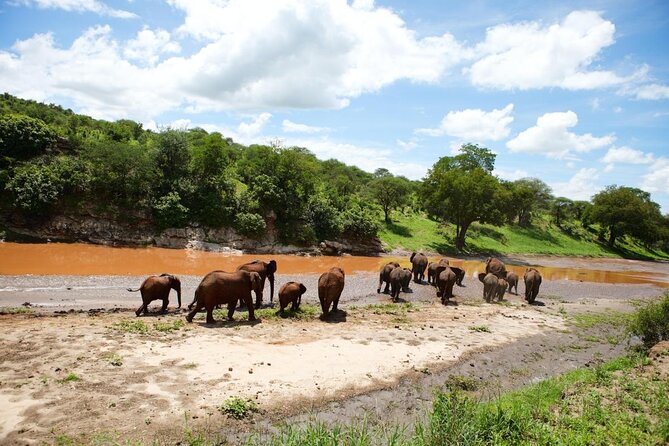
- Tarangire elephants and ancient baobabs: a strong opener with elephant family interactions.
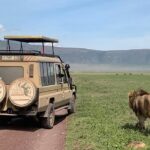
- Serengeti game drives with predator focus: lions, cheetahs, and leopards get extra attention when sightings are reported.
- Ngorongoro crater viewpoints and sunrise crater descent: short viewpoint time on the way in, then a 6:15 am descent day focused on hard-to-spot black rhino.
- Optional Maasai village visit: cultural stop (20–45 minutes) with history-and-traditions context.
- Camping near the rim, then camping by Lake Manyara: overnight at Simba campsite and then Fig lodge/campsite.
- Lake Manyara birds, flamingos, and hippo pool: plus the hot spring stop while you’re already there.
Price and what $1,100 actually buys you
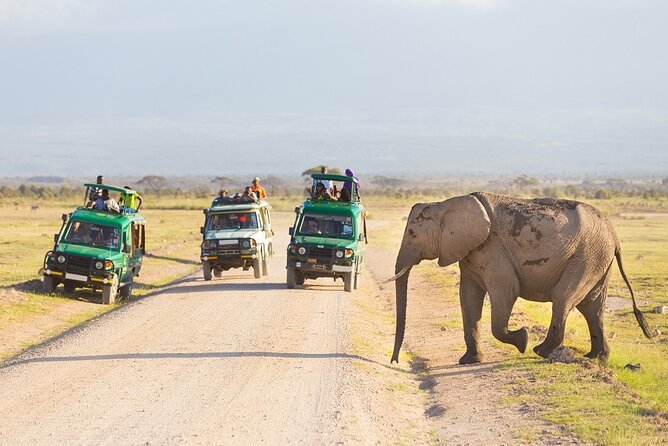
At $1,100 per person, this sits in the “good value if you want the full experience” category—mainly because so much is bundled. You get transport, all meals, and all park fees, which are the three costs that usually hit first on an East Africa safari. Add in the fact that you’re sleeping on safari (Simba campsite near Ngorongoro and Fig lodge/campsite near Lake Manyara), and the price starts looking less like a bargain and more like a straightforward package deal.
Two notes that matter for your budget:
- Tips are not included, so you’ll want to set aside money for them.
- Visas are not included, so double-check what you personally need for Tanzania.
Also, the tour lists group discounts and a mobile ticket, so if you’re traveling with friends or you’re joining as part of a group, it can help keep the overall cost under control.
The biggest “hidden value” here is time. You’re not stitching together separate tours for each park. The circuit is built so you spend your days driving with purpose instead of planning day-by-day.
You can also read our reviews of more tours and experiences in Arusha.
Day 1 in Tarangire: elephants, baobabs, and predator-hunting
Your Day 1 starts with a 7:30 am pickup from your hotel in Arusha. Then it’s about a 2-hour drive to Tarangire National Park. Tarangire is one of the best places to start because it’s different from the Serengeti. The scenery has that classic savanna feel, but the real star early on is the wildlife concentration around water and food.
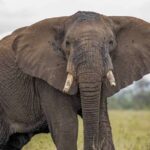
Tarangire is famous for ancient baobab trees and for what’s described as the country’s largest concentration of elephants. The schedule is built around game drives where you’ll look for both:
- Elephant family behavior (not just a single animal sighting)
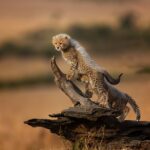
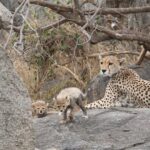
- Big-cat chances, especially lions, cheetahs, and leopards
Predators often take patience. The plan even notes that cheetahs and leopards can be harder to spot, so you’ll want to stay alert and not assume every drive will be instant action.
A practical way to enjoy Day 1: treat it like your warm-up day. You’ll likely get your rhythm for spotting—watching for movement, scanning tree lines and open grass, and paying attention to where other cars stop. Then you roll into the heavier-hitters on Days 2 and 3.
Day 2: Serengeti arrives via Ngorongoro views and an optional Maasai village
After breakfast, you drive toward Serengeti, with a total travel block of about 6 hours including stops. Part of the drive passes through the Ngorongoro Conservation Area Authority area, which helps set you up for what comes next.
Your stop list on the way includes:
- A brief Ngorongoro crater stop at the gate and viewpoint (about 20 minutes)
- An optional Maasai village visit (around 20–45 minutes)
That crater viewpoint stop is short, but it’s useful. Even a quick look helps you understand why Ngorongoro feels like a different world once you descend later. You’re basically getting the “shape” of the place before the big morning on Day 4.
The Maasai village stop is optional, and it’s framed as a culture-and-traditions visit. The notes mention warrior stories tied to hunting lions for a warrior status, plus drinking blood being something people may hear about. It also emphasizes that such traditions are mostly things of the past, with limited exceptions. If you go, approach it like a conversation, not a performance—ask questions, keep a respectful tone, and remember this is about community life and history.
When you reach Serengeti, expect the day to stay focused on wildlife. This is a drive-and-scan kind of day: find animals while you can, then keep moving.
Day 3: early Serengeti game drive and then Simba campsite on the rim
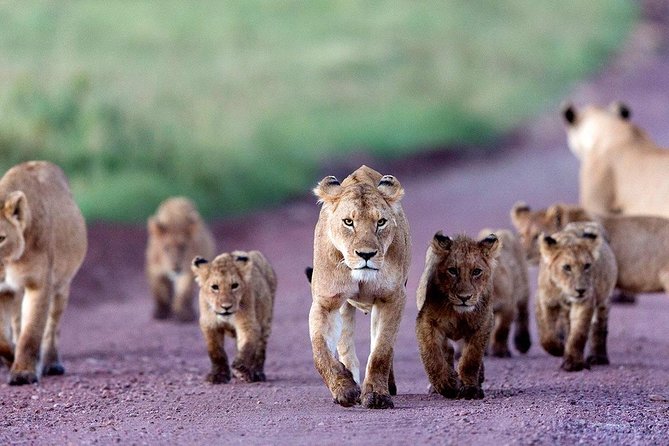
Day 3 begins with early breakfast, followed by an early game drive. The plan describes a long stretch in the morning, with animals until afternoon. Then you head to camp for lunch and packing—followed by another game drive while you exit Serengeti.
The move is important: you’re not just changing locations, you’re changing the vibe. You’re heading toward Simba campsite, described as being near the rim of Ngorongoro crater, in about a 2-hour drive.
One small but real tip from the program: animals can be spotted on campsites. That means you should give yourself time at camp, not only treat it like a place to sleep. Step outside when you can, watch from a safe distance, and you might catch the kind of sightings that happen when you’re not focused on the next turn of the road.
This is also the day when you’ll start feeling the rhythm of the safari. Early morning drives, midday breaks, then afternoon scanning. If you’re the type who needs a slow schedule, Day 3 may feel like a lot—but it’s also the day where the payoff starts to feel very real.
Day 4: 6:15 am crater descent for black rhino odds
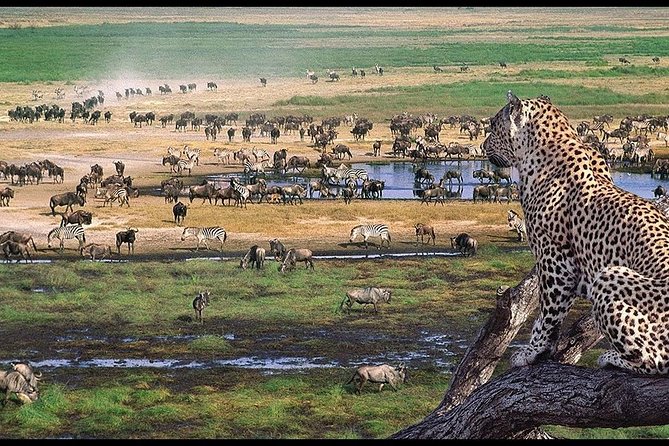
Day 4 is the make-or-break morning. After early breakfast, you descend the crater at 6:15 am. The program highlights that the crater is a floor crater, and the advantage is that animals are easier to spot compared to being up on the rim.
The main focus of this day is the black rhino. The notes are honest: black rhino are described as the hardest to spot in Ngorongoro because you’re dealing with camouflage, terrain, and timing.
After the morning crater work, the schedule is:
- Lunch
- Game drive after lunch
- Ascend the crater, pack up, then transfer toward Fig lodge & campsite near Lake Manyara National Park
This is a full day. So if you want photos, bring the right patience. For rhino specifically, don’t rely on a single scanning moment. When you’re in the crater ecosystem, you’ll often need a bit of patience and some careful watching.
Also, this is the day where your body will appreciate hydration and shade planning. Early mornings in Tanzania can be cooler, but you’re still out in open air for game drives and scanning.
Day 5: Lake Manyara flamingos, hippo pool, and hot springs on a game drive
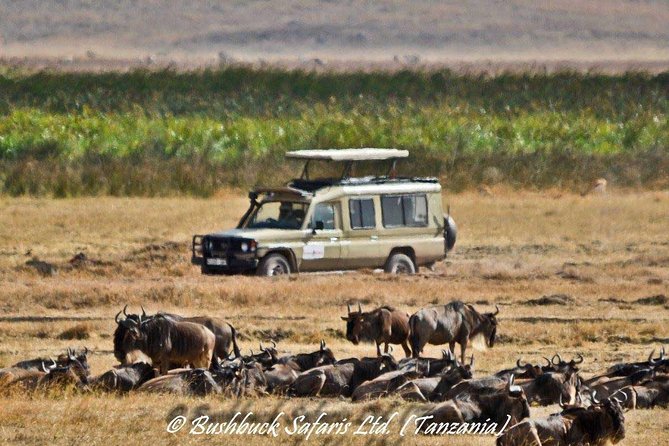
Day 5 shifts gears to a park that’s as much about birds and special moments as it is about big mammals. After breakfast, you head to Lake Manyara National Park, where the highlight is a large number of flamingos.
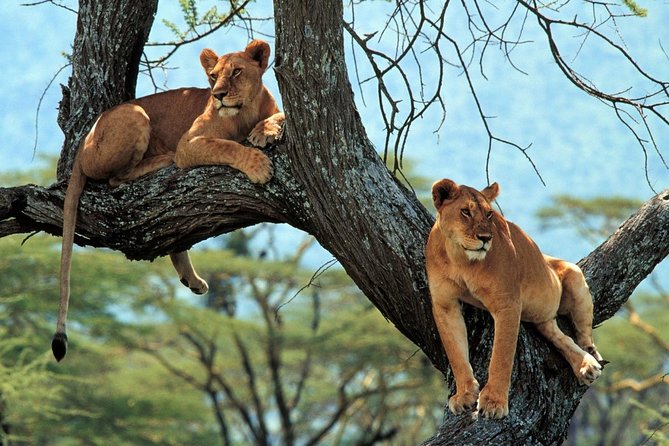
The schedule also mentions tree-climbing lions, with a key realism note: they’re rarely seen. So think of Lake Manyara as a place for variety—birds, hippos, and the kind of landscape details you notice when the safari isn’t purely about cat sightings.
Your day includes:
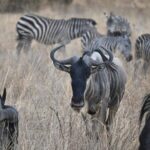
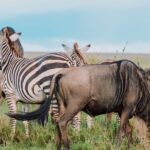
- A game drive looking for animals and birds (the plan lists buffaloes, wildebeest, warthogs, vultures, eagles, and monkeys)
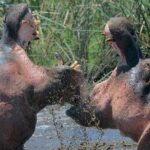
- A hippo pool stop for a close look at hippos
- A hot spring stop as part of the day’s sightseeing
Because the hippo pool and hot spring are included stops, Day 5 gives you more than just car time. It’s a good day to slow down a bit with your camera and really take in how animals use the water edges.
Who runs the show: guides, coordinators, and a real camping kitchen
A safari is only as good as the people behind it, and this circuit is set up with a team including a coordinator and a guide/chef pairing.
From the way the operation is described, Linah is named as an admin coordinator who’s been praised for responsiveness and help during the process. Other staff names show up in the experience too, including Safina and guide/driver names such as David, Emmanuel, Kelvin, and Lucas. Chefs mentioned include Richard and Tito.
What does that mean for you? It means you’re not stuck with a vague plan. You’re more likely to get:
- Clear communication before and during the trip
- Guides who know where to focus your eyes when predator sightings are reported
- Food that’s more than just survival-mode meals
Food gets consistent praise. One traveler mentioned vegetarian options, and another said the chef worked around gluten intolerance. That’s the kind of detail you should take seriously: if you have dietary needs, send them ahead of time and ask what can be handled.
Camping life: meals, timing, and what to pack
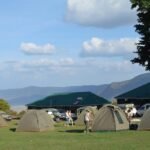
Your nights are at Simba campsite (near the Ngorongoro rim) and then Fig lodge & campsite near Lake Manyara. Since the trip is camping-based, you’ll want to pack for the realities of outdoor nights: dust, chilly mornings, and early wake-ups.
Meal-wise, the package includes meals through the program (listed as 4 breakfasts, 5 lunches, and 4 dinners), and lunch/dinner are explicitly included on the days described for those stops. In plain terms: you’re eating with the group, on safari timing, so don’t plan on long stretches without food.
A few practical packing reminders that match how this tour runs:
- Binoculars if you have them. Predator spotting and rhino hunting are easier when you can zoom without guessing.
- Sun protection and a hat. You’ll be out at the rim and down in the crater, often without shade.
- A light layer for early mornings (especially for the 6:15 am descent day).
- Chargers and backup power. You’ll use your phone for photos, and your camera will eat battery life fast.
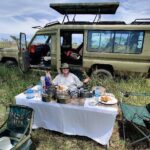
If you’re worried about comfort, keep expectations realistic: this is camping. Still, the food setup has been described as proper meals with real plates and cutlery, which helps a lot when you want a break from the “grab-and-go” safari rhythm.
How to maximize your chances (without burning out)
Safari truth: you can’t guarantee specific animals, especially the hardest ones. What you can do is make sure you’re ready when the moment happens.
Here’s how to work with this route’s structure:
- Wake up on time. Day 4’s crater descent is at 6:15 am, and early starts are part of why this circuit gives you a black rhino attempt.
- Expect long drives and stay mentally flexible. Day 2 includes a big travel block, and Day 3 includes driving plus multiple game drive sessions.
- Use camp time. Since animals can be spotted around campsites, quick walks outside and calm observation can pay off.
- Give predators extra attention. The plan specifically calls out cheetah/leopard/lion focus in Tarangire and mentions reported sightings guiding where you go.
Also, take a moment to think about your own safari style. If you love wildlife variety and you’re okay with early mornings and shared transport, this is a strong fit. If you mainly want relaxed viewing with fewer wake-ups and shorter drives, you’ll feel the intensity here.
Should you book this 5-day Serengeti camping safari?
Book it if you want an organized wildlife-heavy circuit that hits the big ecosystems of northern Tanzania in five days: Tarangire’s elephants, Serengeti’s predator chances, Ngorongoro’s crater focus, and Lake Manyara’s flamingos and hippos. The package value is strong because it includes transport, park fees, and meals, and you get two camping nights in the areas that make the safari feel real.
Skip it (or switch to a different style) if early starts and long driving days sound like your personal nightmare. This itinerary is built around getting you to the right places at the right times, including a very early 6:15 am crater descent.
FAQ
What’s included in the price?
The tour price includes transport, all meals, and all park fees. Meals are listed as 4 breakfasts, 5 lunches, and 4 dinners. Tips and visas are not included.
Where do we stay overnight?
You’ll sleep overnight at Simba campsite near the rim of Ngorongoro crater on Day 3. On Day 4, you transfer to Fig lodge & campsite near Lake Manyara National Park for the next part of the trip.
What time does the safari start?
On Day 1, the pickup from your hotel is scheduled for 7:30 am. The program also includes an early 6:15 am descent into Ngorongoro on Day 4.
Is the Maasai village visit included?
It’s optional. The visit is described as lasting about 20–45 minutes.
What’s the maximum group size?
The group size is listed with a maximum of 50 travelers.
Can I cancel for a full refund?
Yes. The tour offers free cancellation, and you can cancel up to 24 hours in advance for a full refund.
Would you like me to tailor this review for your exact travel month (rainy vs dry season changes what sightings feel like) and your budget comfort level for camping?