REVIEW · MOSHI
4 Days Tanzania Budget Safari
Book on Viator →Operated by Kiwoito Africa Safaris · Bookable on Viator
Stars, savanna, and wildlife in four days. What makes this Tanzania budget safari interesting is the mix of parks plus overnight tent camping under night skies, all run with a small group vibe (max seven). I especially liked the game drives with real guiding (people like Charles, Frank, and Emmanuel pop up in reviews) and the included meals cooked by the safari team. One thing to weigh: you’re sleeping in tents in public campsites, so comfort is basic and you’ll want a good attitude about “bush life.”
For a lot of safaris, cost cuts the fun. Here, the budget focus still leaves space for the big wildlife moments: Tarangire’s elephant herds, Lake Manyara’s bird-and-forest energy, and the Ngorongoro crater views where animal density can feel unreal. And yes, you’ll ride in a 4×4 with WiFi on board, so you can share photos before the battery dies.
The itinerary is also not a sit-behind-and-smile cruise. Expect early starts, long drives, and a packing list that’s more practical than glamorous.
In This Review
- Key highlights that make this safari worth your time
- Four days in Moshi’s orbit: the safari’s real goal
- Moshi-based pickup and how you start the trip right
- Small group safari energy: what up to seven guests changes
- Your game drive rhythm: maximizing wildlife without rushing people
- Day 1 in Tarangire National Park: elephant herds and waterhole focus
- Day 2 at Lake Manyara: flamingos, baboons, and possible tree-lion spectacle
- Day 3 down into Ngorongoro Conservation Area: the crater is the main event
- Day 4 around Mto wa Mbu and onward to Arusha
- Camping under the stars: the experience’s biggest tradeoff
- Transportation and comfort: 4×4 reality and the WiFi bonus
- Meals on safari: why the cook matters more than you think
- Price and value: what $1,320 buys (and what you still need to plan)
- Who should book this 4-day safari (and who should rethink it)
- Should you book this 4-day budget safari?
- FAQ
- FAQ
- How many people are in the group?
- Is pickup included?
- What meals are included?
- Do I sleep in tents?
- Which parks are visited during the four days?
- What is included in the price?
- Can I cancel and get a full refund?
Key highlights that make this safari worth your time
- Small group (max seven): You’ll move as a unit, with less crowding and more personal attention during drives.
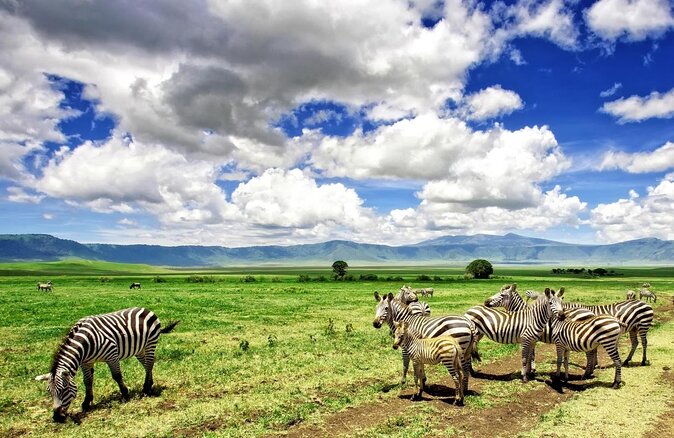
- Tarangire elephants and river scenes: The park’s elephant herds and animals gathering near water are a strong draw.
- Lake Manyara’s Rift Valley edge: Shallow lake areas and huge bird flocks, including flamingos, make this stop feel different.
- Ngorongoro crater game drive payoff: A steep descent sets you up for an intense wildlife day and a picnic lunch in the crater.
- Camping under the stars: You’ll sleep in tents at campsites inside/near key areas, including public campsites.
- Budget value with meals and fees covered: All park-related fees and most day-to-day costs are handled, so you’re not constantly budgeting on the fly.
Four days in Moshi’s orbit: the safari’s real goal
This is a straightforward Tanzania safari built around momentum. You’re not trying to “cover everything.” You’re hitting a few standout ecosystems and spending enough time on the ground to spot animals (and not just pass by them at speed).
The trip also has a clear style: camping, game drives, and included food. That combo is what makes a budget safari feel like a real adventure instead of a cheap-and-cheerless bus ride.
You can also read our reviews of more tours and experiences in Moshi.
Moshi-based pickup and how you start the trip right
The meeting point is Kilimanjaro Airport area, with pickup offered. That’s a big deal on day one because the first day can be chaotic if you arrive without a plan.
You’re also given a mobile ticket, and WiFi is available on board. WiFi won’t replace a good signal plan back home, but it helps with simple tasks like keeping in touch and posting a quick update while you still have energy.
One practical point: since you’re flying into the Kilimanjaro area, give yourself cushion for immigration and baggage. Safari time is precious, and the tour runs on a schedule.
Small group safari energy: what up to seven guests changes
A cap of seven travelers changes the vibe quickly. You’ll spread out less in the vehicle, your guide can manage the group more easily, and you’re less likely to feel like you’re waiting your turn to see something.
In reviews tied to this operator, guide names like Charles, Noel, Frank, Emmanuel, and Oredi show up often. Even if you don’t get the exact same guide, the recurring theme is the same: people were happy with responsiveness and the way the team kept the day moving.
Small group also helps you with timing on wildlife sightings. If everyone’s alert and in the right spot, your chances of seeing the good stuff go up.
Your game drive rhythm: maximizing wildlife without rushing people
This safari is organized around multiple game drives across four days, with a mix of late afternoon and full-day exploration. That rhythm matters because animals behave differently at different times, and parks aren’t uniform landscapes.
Tarangire tends to be active around water sources, especially when you’re aiming for elephants and other animals gathering near rivers and swamps. Ngorongoro can feel like a “constant sighting factory” once you’re down in the crater, especially on a guided drive where your stops are timed well.
Between drives, you’re not stuck for hours doing nothing. You’ll have meals, breaks, and travel legs that keep you moving while still letting you recharge.
Day 1 in Tarangire National Park: elephant herds and waterhole focus
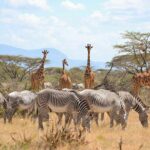
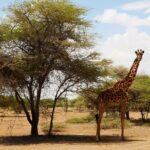
Tarangire National Park is one of those places where the scenery is beautiful, but the real story is wildlife at water. The park’s mix of grass, acacia woodlands, and forest creates a lot of hunting and hiding cover, so animals don’t always appear the same way twice.
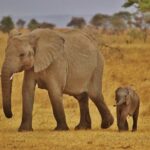
The elephant story is the headline here. Tarangire is especially known for huge elephant herds, and your late-afternoon arrival at a campsite inside the park sets you up for that classic “quiet moment” that only happens when you stop driving.
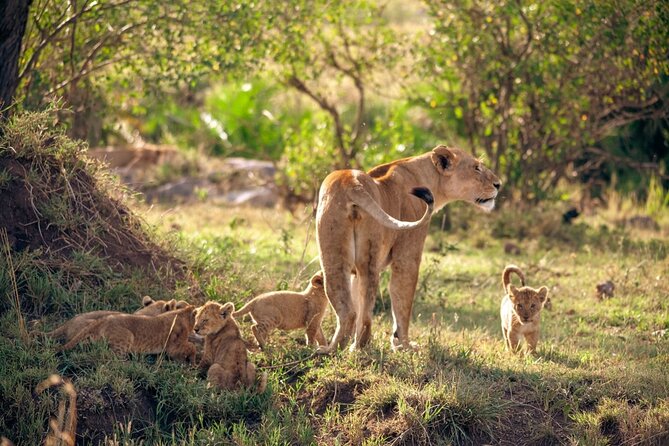
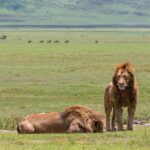
Your drive windows put you in position to look for giraffes, buffaloes, and predators too. Lions, leopards, and hyenas are mentioned as part of the predator mix, while wild dogs are described as rare. That last detail is useful: you shouldn’t expect a wild dog sighting on schedule, but you can stay hopeful without getting disappointed.
Night one also becomes your reality check. You’re sleeping in tents at a campsite inside the park area. It’s part of the charm, but you’ll want warm layers for evenings, especially if you’re someone who runs cold.
Day 2 at Lake Manyara: flamingos, baboons, and possible tree-lion spectacle
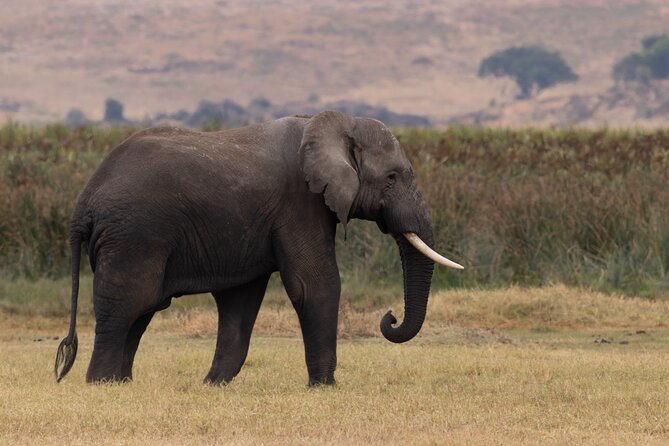
Lake Manyara National Park changes the feel from Tarangire. The lake is shallow and alkaline and sits at the base of the Rift Valley escarpment. That setting brings bird life, forest edges, and a different kind of animal mix than you’ll see in more open savanna.
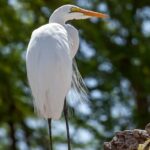
The bird scenes are a big part of the attraction. Thousands of birds can gather here, and flamingos are specifically called out. If you like wildlife photography, this is the day where you’ll likely spend more time scanning the sky and shoreline than hunting for just the biggest mammals.
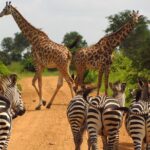
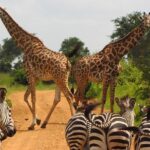
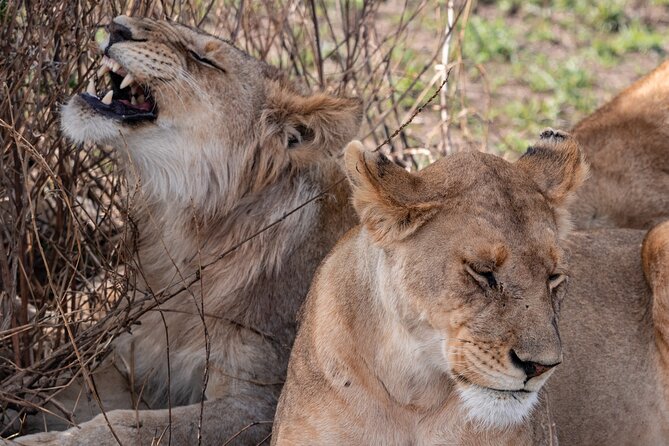
You’ll also look for buffaloes, elephants, hippos, and so-called Masai giraffes, plus baboons and monkeys in the forest areas. One of the most famous facts about Lake Manyara is the possibility of tree climbing lions. You can’t plan your day around it, but if luck is with you, seeing a lion in acacia branches is exactly the kind of moment you’ll remember.
You’ll also travel via Mto wa Mbu. That’s a good place to stretch a bit and reset before another game drive day. And then you’re back into camping mode.
Day 3 down into Ngorongoro Conservation Area: the crater is the main event
Day three is where Tanzania often turns into pure awe. You’ll rise early, then travel down a steep trail into Ngorongoro crater. That descent isn’t just transport. It changes your viewing world instantly, because the crater creates a natural enclosure.
The crater’s grass plains and acacia forests are home to many East African savannah species. The promise you’ll hear often is the possibility of spotting many of the Big Five within a few hours. In this itinerary’s framing, it includes lions, elephants, buffalo, rhino, and leopard.
Here’s the balanced expectation part: spotting all five is not guaranteed in any one crater drive. But the point is that the chance is unusually high compared to many other settings because the crater concentrates animals.
You’ll have an extensive game drive and a picnic lunch inside the crater. That’s one of those practical upgrades that feels huge: eating where you’re actually seeing wildlife beats eating somewhere random and driving right back out.
After the crater, you travel back to Mto wa Mbu for your night in a tented campsite. It’s a long day, but the crater makes it worth it.
Day 4 around Mto wa Mbu and onward to Arusha
Day four is more relaxed. You start with breakfast, then head back toward Arusha, arriving around midday. You’ll be dropped off in the city center or at the airport.
That midday finish matters if you have your own plans after safari. It also helps you avoid the typical “last day panic,” where you’re racing to pack everything in time.
Mto wa Mbu is included as a stop, which gives the trip a small “buffer” feel. You’re not just leaving straight from the crater chaos into airport stress.
Camping under the stars: the experience’s biggest tradeoff
This safari’s signature is sleeping in tents at campsites, including public campsites. That means you’re not signing up for hotel bed comfort. You’re signing up for place, sounds, and that feeling of being outside the routine.
For many people, that’s the best part. Waking up near a wildlife area and hearing night sounds is unforgettable. In reviews, the camping-in-the-bush proximity to wildlife shows up as a highlight.
For you, the practical takeaway is to pack like a camper: bring layers, plan for dust, and don’t assume your luggage is going to smell like roses by the end of the trip.
If you’re sensitive to basic facilities or expect private campsite setups, this is the one area to think through.
Transportation and comfort: 4×4 reality and the WiFi bonus
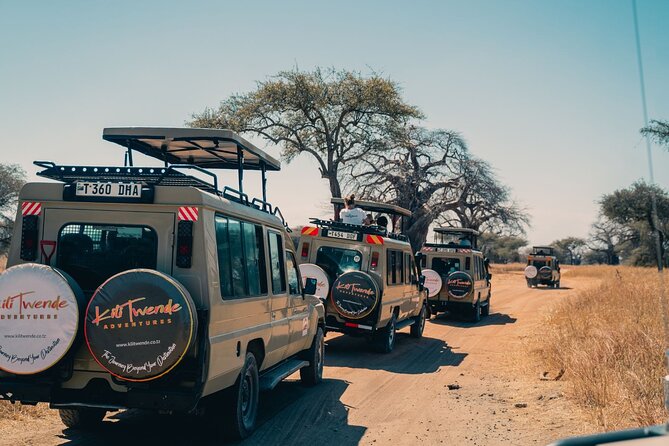
You’ll ride in a 4×4 safari vehicle. That’s essential here because roads and park tracks aren’t built for normal cars, and game driving often requires moving slowly, repositioning, and staying stable for long scans.
WiFi is included on board. That’s a nice bonus for messaging, maps, and quick photo uploads. Some reviewers also mention extra amenities like AC and a fridge in the safari vehicle, which sounds like a big comfort upgrade if your specific vehicle has them. Don’t assume every departure will match, but it’s a good sign.
Also remember: on safari, comfort is partly behavioral. Bring sunscreen, wear sun-protective clothing, and keep water handy. You’ll be out in the open more than you expect.
Meals on safari: why the cook matters more than you think
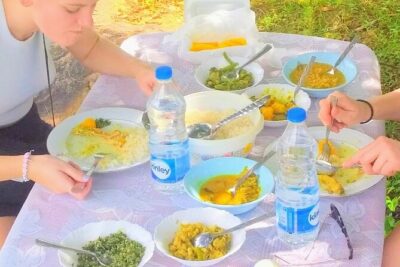
Meals are included: breakfast (3), lunch (4), and dinner (3). An English-speaking safari cook is also included, which can make the food experience easier when you have questions or preferences.
In budget safaris, meal quality can be a gamble. Here, reviews include feedback that the team handled issues quickly, including adjusting a lunch box when the initial one didn’t hit the mark for a guest. That kind of problem-solving matters on safari because you’re hungry, tired, and you want things to just work.
The best way to think about meals is simple: they’re not just calories. They keep you functional for the next drive and help you enjoy the day instead of counting down to the next meal time.
Price and value: what $1,320 buys (and what you still need to plan)
At $1,320 per person for about four days, this is positioned as a budget safari that still covers the core expenses. Included items cover camping safari according to the itinerary, transportation in the 4×4, park-related fees and taxes, a professional safari cook, and all meals.
That’s real value because it prevents the classic safari trap: the sticker price looks low, then fees and meals stack up after you’ve already booked.
What’s not included is also clear, and you should plan for it:
- flights
- visa fees
- alcohol and soft drinks
- tips
- travel insurance
- personal spending
My advice: set aside money for tips and incidentals (water, snacks, souvenirs). Also buy travel insurance. This kind of trip includes driving, outdoor sleeping, and long days away from backup services.
Who should book this 4-day safari (and who should rethink it)
This safari makes sense if you want:
- a small group feel (max seven)
- multiple parks in a short timeframe
- tent camping as part of the adventure
- included meals that reduce daily cost stress
You might rethink it if:
- you strongly dislike tent camping or public campsite conditions
- you want a luxury lodge setup
- you prefer less driving and more downtime
It’s also a good fit for couples and small friend groups. Many people who choose the max-seven format are looking for that “everyone’s paying attention” safari feel.
Should you book this 4-day budget safari?
I’d book it if you want a fast, focused Tanzania wildlife hit and you’re okay with basic camping. The combination of Tarangire elephants, Lake Manyara’s birdlife and forest edge energy, and Ngorongoro crater’s concentrated wildlife chance gives you a lot of payoff for four days.
If you’re choosing between a cheaper safari with unclear inclusions and this one with fees, transport, camping, and meals covered, this has the cleaner value structure. You spend less time worrying about logistics and more time doing the fun part: watching animals do animal things.
If you want comfort-first lodging every night, choose a different style of safari. But if you like the idea of sleeping under the stars and waking up ready to hunt for sightings, this is a strong budget pick.
FAQ
FAQ
How many people are in the group?
This safari has a maximum of seven travelers, which keeps the experience more manageable and less crowded.
Is pickup included?
Pickup is offered, and the meeting point is Kilimanjaro Airport in the Kilimanjaro National Park area. The trip is organized around starting from there.
What meals are included?
Breakfast and dinner are included three times each, and lunch is included four times across the itinerary. An English-speaking safari cook is part of the included services.
Do I sleep in tents?
Yes. The tour is described as a camping safari with nights spent in tents at campsites, including a campsite inside Tarangire National Park and other tented campsite nights.
Which parks are visited during the four days?
You’ll visit Tarangire National Park, Lake Manyara National Park, Ngorongoro Conservation Area (the crater), and you also include a stop around Mto wa Mbu.
What is included in the price?
The price includes 4×4 transportation, camping, park fees and taxes, a professional safari cook, and meals. WiFi on board and a mobile ticket are also included.
Can I cancel and get a full refund?
You can cancel up to 24 hours in advance for a full refund. If you cancel less than 24 hours before the start time, the amount paid is not refunded.
—
If you tell me your travel month and whether you prefer more comfort or more adventure, I can help you sanity-check if this one matches your style.