REVIEW · MOSHI
5 Day Mid range Tanzania Safari
Book on Viator →Operated by Serengeti African Tours · Bookable on Viator
Five days, three parks, real wildlife drama. This mid-range safari from Moshi strings together Lake Manyara’s odd habitats, the Serengeti’s big-sky plains around Seronera, and the Ngorongoro Crater with its year-round water and predators. You’ll be on the move, but in a well-paced circuit that keeps you out where the animals are.
I especially like two things: the English-speaking professional guide who helps you read the landscape (and not just point at a distant speck), and the comfort level for the price—overnights in safari lodges and a tented camp, with national park fees handled. Names that came up in guest feedback include Godfrey, David, Grayson, Damian, Praise, and Aboh, so you’re likely getting a real pro, not a stand-in.
One consideration: it’s a safari, so expect long days in a 4×4 safari vehicle and early starts—especially for crater viewing. If you’re the type who needs a very slow rhythm, you’ll want to plan for some “sit, watch, repeat” time.
In This Review
- Key safari highlights you should care about
- Moshi to Lake Manyara: primates, birds, and a lodge night that feels earned
- Serengeti game drives around Seronera: where the animals gather for water
- One full Serengeti day: better odds for predators, and better odds for patience
- Ngorongoro day: crater views plus Olduvai Gorge’s human story break
- Ngorongoro Crater descent and Lake Magadi: the predator and watering-hole combo
- Price, inclusions, and what $2,600 buys you in real safari terms
- Lodges, tents, and the comfort level you should expect
- How the guide and small-group size change your odds
- Who this safari is best for (and who might want a different option)
- Should you book this 5-day safari from Moshi?
- FAQ
- Which parks are included on this 5-day safari?
- What’s included in the tour price?
- Are visa fees included?
- Is pickup offered?
- How many people are on the safari at most?
- Is free cancellation available?
Key safari highlights you should care about
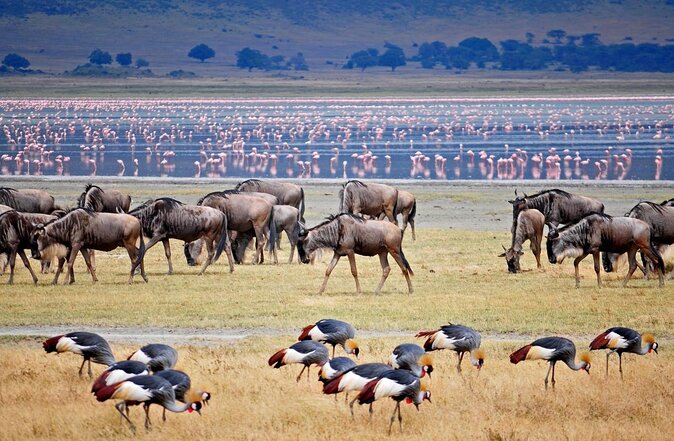
- Lake Manyara’s many habitats in one day: acacia woodlands, water forests, swamps, hot springs, and huge birdlife—plus primates that act like they own the road.
- Seronera-area Serengeti game drives: a water-fed hotspot where lots of wildlife concentrates, so your sightings odds stay decent.
- A full day in the Serengeti: more time on the ground for predators and changing sightings, not just one quick afternoon window.
- Ngorongoro’s crater bowl viewing: descending over 600 meters for classic wildlife scenes with predators in the mix.
- Olduvai Gorge stop: a meaningful cultural/science pause during the Ngorongoro day, so the trip isn’t only about wildlife.
Moshi to Lake Manyara: primates, birds, and a lodge night that feels earned
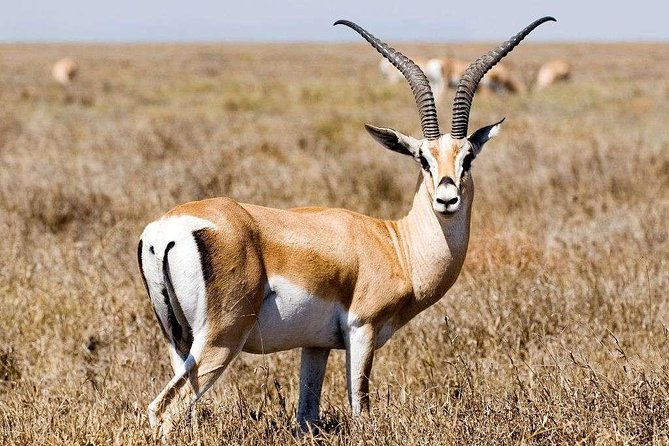
You start in the Moshi area and head out after breakfast. A brief stop in Arusha is built in for last-minute supplies, then you’re driving toward Lake Manyara National Park, one of Tanzania’s smaller parks with a surprising range of environments.
What makes Lake Manyara different is the variety. Within a short time on the route, you’re looking at acacia woodlands, water forest patches, swamps near the lake, and even areas tied to hot springs. That variety matters because animals and birds move with food and cover. In other words: the scenery isn’t just pretty—it’s part of why the wildlife feels concentrated.
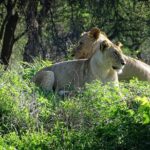
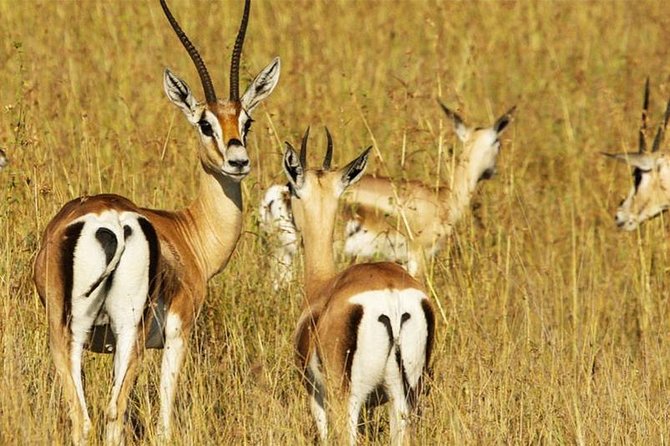
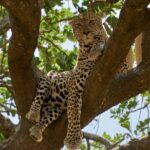
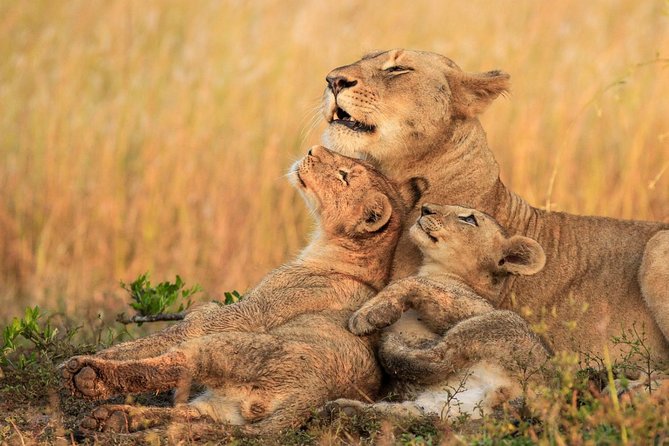
And yes, the big hook here is the baboons. Lake Manyara is famous for having the largest concentration of baboons anywhere, and you’ll likely see groups behaving like they’re on a timed schedule. Another species highlight is that the area’s lions are known for tree climbing, which is exactly the kind of detail that tells you your guide should be watching more than just the open grass.
At the end of the day, you sleep at Eileen’s Tree Lodge. The lodge name alone hints at the style: a safari setup where you can reset your body after a full day of dust, sun, and animal scanning.
What I’d bring for this day: binoculars (if you don’t have them already). Lake Manyara can be visually busy, and a little magnification helps you spot birdlife and primates sooner, instead of guessing at shapes in branches.
You can also read our reviews of more tours and experiences in Moshi.
Serengeti game drives around Seronera: where the animals gather for water
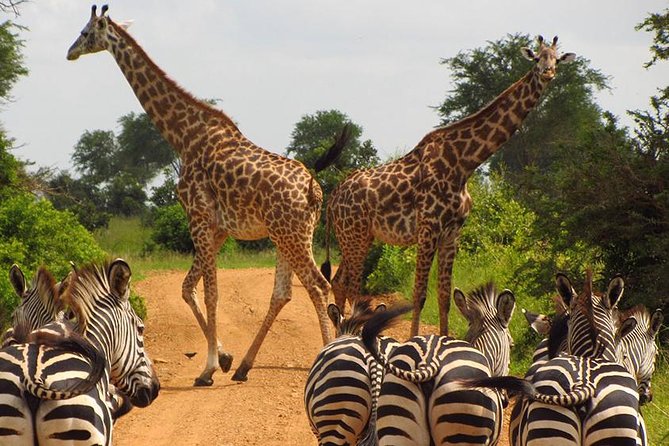
After Lake Manyara, the drive turns into the classic “green highlands to open savanna” mood shift. You head through Karatu and the Ngorongoro Conservation Area before dropping into Serengeti National Park.
The itinerary focuses your Serengeti time around the Seronera area, which is valuable because it has the Seronera River. Water sources are a big deal on safari, even when they don’t look dramatic. When water is steady, wildlife tends to stay in the region longer, and that increases your chance of seeing multiple species in a single day instead of chasing far-off sightings.
You arrive for lunch and then go out for an afternoon game drive. Afternoon drives can be great for predators because animals start moving with temperature changes. It’s also a strong setup for first-day Serengeti nerves: once you’ve seen a few herds and a few birds and understood how your guide is scanning, you’re ready to enjoy the next full day.
Your overnight is at Domel Wildness Tented. A tented camp can be a sweet spot for mid-range travelers: you get that classic safari feeling without feeling like you’re roughing it. Just be realistic—this is still outdoors and can mean cooler evenings than you expect depending on the season.
Practical note: keep your camera gear dry. Safari dust is real, and so is the occasional misty moment that makes lenses worse than they were five minutes earlier.
One full Serengeti day: better odds for predators, and better odds for patience
The next day is a full day game drive in Serengeti, still with the Seronera focus. This matters more than it sounds. One shorter drive can be hit-or-miss on predator timing. A full day gives you time for animals to reposition, for your guide to follow sign, and for you to catch scenes that take longer to unfold.
This is where a strong guide makes a real difference. In the feedback you provided, multiple guides are praised for explaining what you’re looking at—so you’re not just doing a wildlife checklist. Names that came up include David, Grayson, Praise, Damian, and Aboh, and the common thread in the reviews is that the guides are active in spotting and explaining, not passive.
What you should expect on a full-day Serengeti drive:
- Lots of time watching herds, not just big cats
- Scanning for movement at the edges of open ground
- Stops that make sense once you learn what the guide is tracking (water, shade, tracks, feeding behavior)
If your group includes kids, this extra day is often a win because the safari becomes a rhythm instead of a one-shot event. And if you’re an adult who hates rushing, this is the part that gives you breathing space.
Bring: sunscreen and a hat you can tolerate for hours. Also bring a warm layer. Serengeti days can shift, and you’ll be happy you’re comfortable when the light changes and the animals decide to do something interesting.
Ngorongoro day: crater views plus Olduvai Gorge’s human story break
This is the day that most people call bucket-list worthy, and it’s easy to see why. You head out early for Ngorongoro Conservation Area and start with a game drive plan, then you make a stopover at Olduvai Gorge.
Olduvai Gorge is known for major paleoanthropological discoveries—sites connected to early human evolution. It’s the kind of stop that turns your safari day into more than wildlife viewing. It also helps you reset mentally: crater mornings can run on adrenaline and anticipation, and a brief human-history stop gives your brain a new anchor.
Late afternoon you move toward Ngorongoro Wildlife for dinner and overnight. Sleeping closer to the crater helps you get an earlier start the following morning, which is important because crater descents and viewing windows can be tight.
One thing to be aware of: the crater day can feel like two different worlds—the wildlife spectacle and the practical logistics of getting down and back up. The driver and guide are the key to making it feel smooth, and that’s a point that came up repeatedly in the feedback: pickup-to-dropoff smoothness and careful guiding.
Ngorongoro Crater descent and Lake Magadi: the predator and watering-hole combo
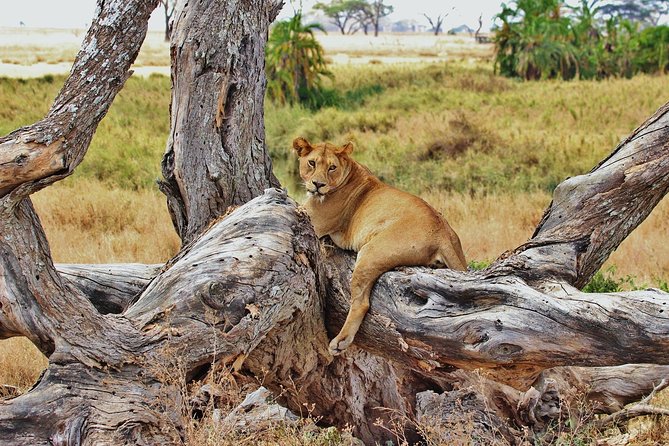
You wake early and then descend over 600 meters into the crater. In Ngorongoro, that descent isn’t just scenery—it changes what you’re seeing. The crater bowl holds water and fodder year-round, so animals don’t have to leave to find what they need. That increases the odds of seeing a full range of species in one viewing circuit.
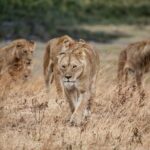
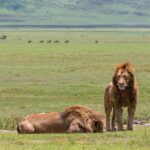
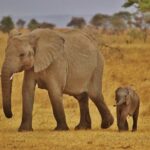
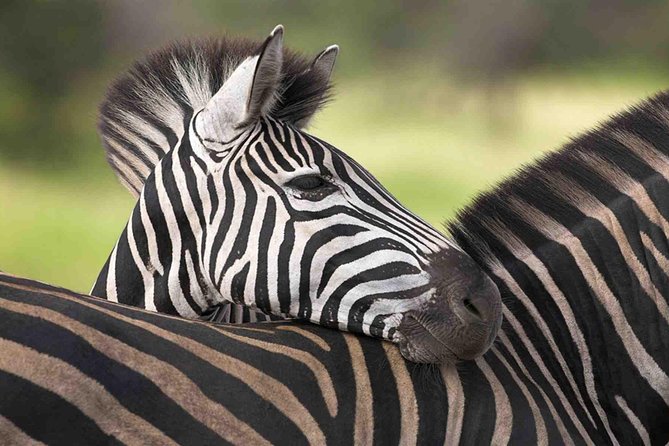
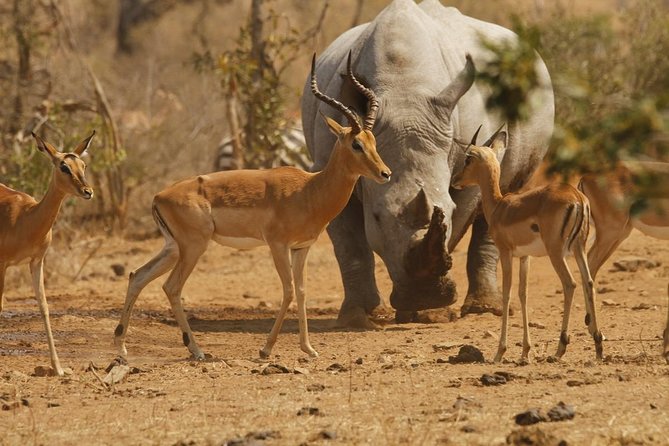
You can expect to see animals like wildebeest, zebra, buffalo, eland, warthog, hippo, and even giant African elephants. Predator action is a major draw, too. Lions, hyenas, jackals, cheetahs, and the sometimes-elusive leopard all can show up, and spotting them often takes patience and a trained eye from your guide.
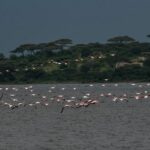
Ngorongoro also includes Lake Magadi, described as a shallow alkaline lake in the crater’s southwestern corner. It’s not just a scenic pause. When you’re in crater terrain, water features help you understand where animals will concentrate.
What to watch for with your guide:
- Where animals are positioned relative to shade and water
- How far lions and hyenas are from open space (movements tell you a lot)
- Why the guide chooses certain overlooks or switchbacks
If you want one day to maximize both “big scenes” and “small moments,” Ngorongoro is the one. It’s a pressure-cooker of wildlife viewing, so pace yourself. Take breaks, hydrate, and don’t treat every sighting like a race. The best scenes often come after you stop rushing.
Price, inclusions, and what $2,600 buys you in real safari terms
At $2,600 per person for about five days, this is positioned as mid-range. The value is in what’s included rather than the sticker price.
Included items cover the big cost centers:
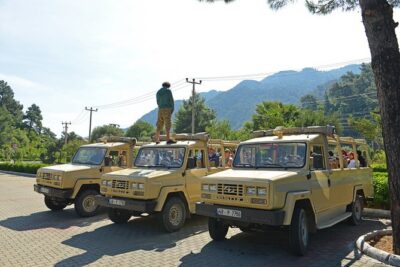
- 4×4 safari vehicle transport
- Professional English-speaking guide
- Mineral water
- Overnight stays in safari lodges/tented camps
- All national park fees
- Meals: breakfasts (5), lunches (5), dinners (4)
That matters because safari “nickel-and-dime” costs can add up fast when park fees and food aren’t handled. Here, you can budget with fewer unknowns, which makes the trip feel calmer once you arrive.
What’s not included:
- Alcoholic and soft drinks
- Visa fees
- Tips
- Personal spending for souvenirs
So, if you’re the kind of traveler who hates surprises, this inclusion list is reassuring. If you want lots of bottled drinks or alcoholic drinks on top, plan to pay those separately.
My practical tip for budgeting: carry small bills for snacks or souvenirs if you like buying local crafts, and keep a tip plan in your head. Tips can be a major part of the safari economy, and since it’s not bundled, you’ll want to be ready.
Lodges, tents, and the comfort level you should expect
This safari includes:
- Eileen’s Tree Lodge for your Lake Manyara night
- Domel Wildness Tented for your Serengeti night
And then a lodge/dining setup for the Ngorongoro area overnight (the exact property name isn’t specified in the details you shared, but dinner and overnight are included).
Comfort on a safari is partly about sleep logistics and partly about location. Staying at lodges close to parks reduces wasted driving time and makes early mornings more manageable. For most people, that’s the difference between a safari that feels intense and one that feels enjoyable.
What you should be prepared for:
- Safaris run on sunlight and animal behavior. That means you won’t live in a slow, hotel-style schedule.
- Even when the lodge is comfortable, you’re still in safari country—bring the basics for weather and dust.
How the guide and small-group size change your odds
This tour runs with a maximum of 6 travelers. That’s a meaningful detail. Smaller groups usually mean:
- Easier communication with the guide
- Less time lost waiting for everyone
- A better chance of positioning for sightings
In the reviews, the standout praise is for guides who are careful, attentive, and informative. Names that repeatedly showed up include Godfrey, David, Grayson, Damian, Praise, and Aboh. The consistent message is that guests felt safe and that the guide actively worked to find animals—not just driving past likely spots.
That’s the difference between a safari that feels like a tour and a safari that feels like wildlife viewing with context.
Who this safari is best for (and who might want a different option)
This route fits best if you want:
- A well-known wildlife circuit (Lake Manyara, Serengeti, Ngorongoro)
- A mid-range comfort level with park fees and meals included
- Enough time in Serengeti to feel like you’re not rushing
It’s also a decent choice if you’re traveling with family, because the itinerary gives you more than one chance to settle into the wildlife routine instead of only one long day.
It may feel less ideal if you’re extremely time-sensitive and hate long driving days. Also, if you need a very flexible itinerary with lots of free time (not just lodge stops and game drives), this style may feel structured.
Should you book this 5-day safari from Moshi?
If your goal is to see the big Tanzanian wildlife highlights—Lake Manyara’s baboons and lion-tree folklore, Serengeti’s Seronera water-driven concentration, and Ngorongoro’s crater bowl—this is a strong match. The value looks real because park fees, guide time, meals, and transport are included, and the small-group size supports a smoother experience.
I’d book it if:
- You want a confident “great first safari” plan
- You value a professional guide who helps you make sense of sightings
- You’re okay with early starts and a full day of game driving in Serengeti
I’d hesitate if:
- You dislike long road days
- You want a slower, low-structured vacation pace
- You’re expecting luxury hotel standards every night
FAQ
Which parks are included on this 5-day safari?
The route is described as visiting Lake Manyara National Park, Serengeti National Park, and the Ngorongoro Crater/Ngorongoro Conservation Area.
What’s included in the tour price?
Included items are transportation in a 4×4 safari vehicle, a professional English-speaking guide, mineral water, overnight stays in safari lodges/tented camps, all national park fees, and meals (breakfasts and lunches, plus dinners on four days).
Are visa fees included?
No. Visa fees are not included.
Is pickup offered?
Yes, pickup is offered.
How many people are on the safari at most?
The tour lists a maximum of 6 travelers.
Is free cancellation available?
Yes. Free cancellation is available if you cancel up to 24 hours in advance for a full refund. If you cancel less than 24 hours before the start time, the amount paid is not refunded.