Six days can feel like a wildlife sprint, but this route makes sense. You’ll move through Lake Manyara’s dramatic Rift Valley scenery, then on to Serengeti migration country, Olduvai Gorge, and the Ngorongoro Crater for game-dense days you can’t really fake. What makes it extra interesting is how the pacing balances “big name” sights with practical time in the parks, guided by people who know what to look for.
I really like that the trip takes care of the basics upfront: all entrance fees are included, and you also get pickup support plus a mobile ticket. I also enjoy the guide-led style—someone accredited helps you read the park in layers, from what you’re seeing right now to why that area behaves the way it does.
One drawback to plan for: you’re spending a lot of time traveling between parks, and the tour doesn’t include tips or the transfer to/from the airport, plus visa and travel insurance are on you. If you’re the type who hates long drives, this may feel like a trade-off—though the sightings tend to make up for the effort.
In This Review
- 6-Day Safari from Moshi: What Makes This Route Worth Your Time
- Getting Started in Moshi: Pickup, Mobile Ticket, and Your Safari Base
- Day 1 to the Campsite: Settling In Without Losing Daylight
- Lake Manyara Day: Tree-Climbing Lions and Seeing the Park in Levels
- Serengeti Day: Migration Country for Wildebeest and Zebra
- Olduvai Gorge to Ngorongoro Crater: Cradle of Mankind Meets Epic Geology
- Ngorongoro Crater Big Five Day: The Caldera Advantage for Game Viewing
- Day 6: Birding and Dry-Season Game Around the Tarangire River
- Staff and Guides: Friendly Service That Helps You Actually Enjoy the Drive
- Price and Value: What $2,772 Covers (and What It Doesn’t)
- What to Pack for a Safari That Changes Elevation and Mood
- Who This Safari Fits Best (and Who Should Rethink It)
- Should You Book This Moshi 6-Day Safari?
- FAQ
- Where is the tour meeting point?
- How long is the safari?
- What’s included in the price?
- Are park entrance fees included?
- Is airport transfer included?
- Do I need to tip the driver-guide?
- Is a vegetarian option available?
- How large is the group?
- Can I cancel and still get a full refund?
6-Day Safari from Moshi: What Makes This Route Worth Your Time
- Lake Manyara with tree-climbing lions focus, plus a guide who explains what you’re seeing at different levels
- Serengeti migration focus around the wildebeest and zebra movement from the southern plains northward
- Olduvai Gorge stop tied to the Cradle of Mankind story and the geology behind the region
- Ngorongoro Crater Big Five target, including black rhinos and leopards
- Dry-season birding and game rhythm with the Tarangire River as a key water source
- Max 12 travelers for a smaller, easier safari feel than giant tour buses
Getting Started in Moshi: Pickup, Mobile Ticket, and Your Safari Base
Most safaris fall apart when logistics get messy. Here, I like that you start with clear meeting and support: pickup is offered, and the tour uses a mobile ticket so you’re not scrambling for paper at the last second.
The meeting point is listed as Kilimanjaro Airport (with Kilimanjaro National Park Tanzania also referenced). That matters because it usually means you’re building the trip around the same flight window you’re using to get into the region, instead of losing a day to complicated cross-town connections.
For sleeping and meals, you get full board on a lodge safari setup in double occupancy, plus breakfast/lunch/dinner are included across the trip length. Vegetarian options are available—just tell the team when you book—so you don’t end up with the standard “plain bread and hope” scenario.
Group size is capped at 12 travelers. That sounds like a small detail until you’re on a game drive with a bus full of people who all want to stand up at once. A tighter group usually means calmer viewing and easier communication with your driver-guide.
You can also read our reviews of more tours and experiences in Moshi.
Day 1 to the Campsite: Settling In Without Losing Daylight
Your first day is about getting safely to camp and letting the road scenery do part of the work. You’re picked up and driven to the campsite, and the driver is there to explain what you might spot along the way—so even the travel time becomes part of the safari story.
This first stretch is also your chance to get your bearings. In places like northern Tanzania, you’ll often feel the change in terrain quickly—richer green near waterways, then broader open patches as you move closer to major parks. Even without a “park gate moment” yet, that contrast helps you understand what you’re about to experience.
Practical note: after a flight, the best mindset is to treat day one like an orientation. You don’t need to rush to “maximize everything”—just get rested enough to enjoy the next morning’s park drive.
Lake Manyara Day: Tree-Climbing Lions and Seeing the Park in Levels
Lake Manyara is one of the classic stops for a reason: the setting is dramatic, and the wildlife can feel unusually close. Approaching from the east, the Rift Valley escarpment looms over the lake, and you get that wow factor almost immediately.
On this day, you’ll be with an accredited guide who helps you understand what you’re seeing “at each level.” That sounds like a formal way to say something simple: animals aren’t only on the ground. In this region, you may spot activity higher up in trees, plus wildlife near edges where grass meets forest.
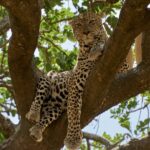
The big headline is the park’s tree-climbing lions reputation. I’d take that seriously as a planning theme for your whole drive: your guide will steer you toward areas where lions may be active in unusual places. Even when you don’t get a perfect tree-top moment, the search pattern teaches you how this ecosystem works and how to read the habitat cues.
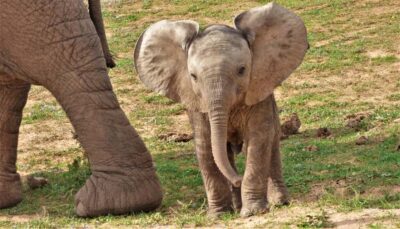
From an animal-viewing standpoint, Lake Manyara also brings a mix of species and scenery. If you’re watching carefully, you’ll likely catch monkeys moving through the canopy and elephants resting in the shade along the escarpment areas. The best part is that the sightings tend to come in bursts—one good window after another—so you don’t end up waiting forever.
Serengeti Day: Migration Country for Wildebeest and Zebra
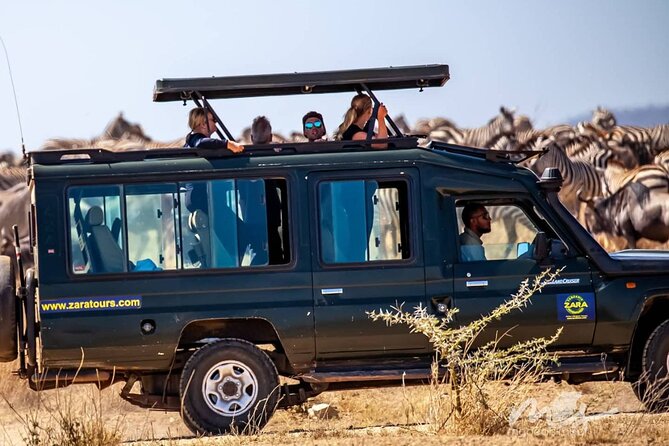
Next is Serengeti, and the tour leans into its most famous engine: the annual movement of wildebeest and zebra. The route emphasizes the herds traveling north from the breeding grounds in the grassy southern plains toward new pasture.
I like that this isn’t framed as one magic day where everything will happen on cue. Instead, your guide’s job is to help you understand where migration pressure usually shows up—so you can spend your drive time in the right zones and keep learning as the landscape changes.
On a Serengeti day, your experience tends to come down to two things: (1) where you position during peak animal activity times, and (2) how your driver reads signs like grazing patterns, water access, and animal clustering. This is where the guide role matters—because “wildlife viewing” is really “wildlife interpretation.”
If you’re the kind of traveler who wants more than a postcard, this is a good day. You get to watch large-scale animal movement while also practicing the smaller skills of spotting, tracking, and staying patient without losing interest. The goal is to understand the why behind the motion.
Olduvai Gorge to Ngorongoro Crater: Cradle of Mankind Meets Epic Geology
If Serengeti is about movement, this day is about roots—human and geological. On the way to the crater, you pass Oldupai Gorge (often spelled Olduvai Gorge), and you get a chance to see the site known as the Cradle of Mankind, tied to the belief that some of the first humans walked here.
That historical element can ground the day so it’s not only about wildlife spotting. Even if you’re not a history buff, the shift in perspective helps: you’re looking at a landscape where both ecosystems and human storylines were shaped over long time spans.
Then the big scenic reveal arrives: Ngorongoro Crater. It’s described as the largest intact caldera in the world, and some accounts say the caldera may have been higher than Mount Kilimanjaro before its eruption. The exact height claim is something to treat as perspective, not a measuring contest—but it still helps you understand the scale.
This day is also your chance to mentally switch from “park driving” to “crater viewing.” Craters change how animals move and how you experience the environment. Sightings often feel more concentrated, and light can shift fast as you go from rim-level views into lower elevations.
Ngorongoro Crater Big Five Day: The Caldera Advantage for Game Viewing
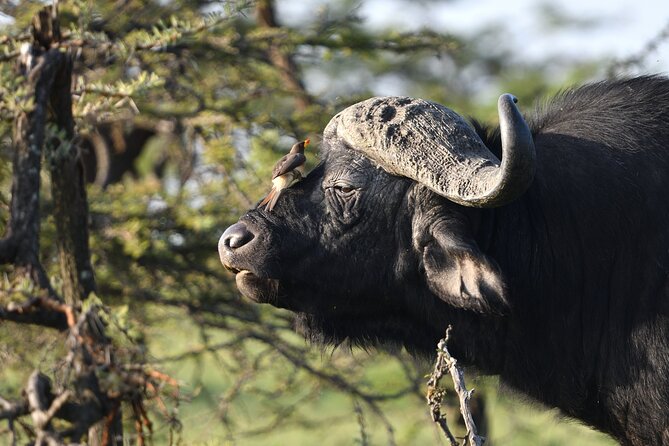
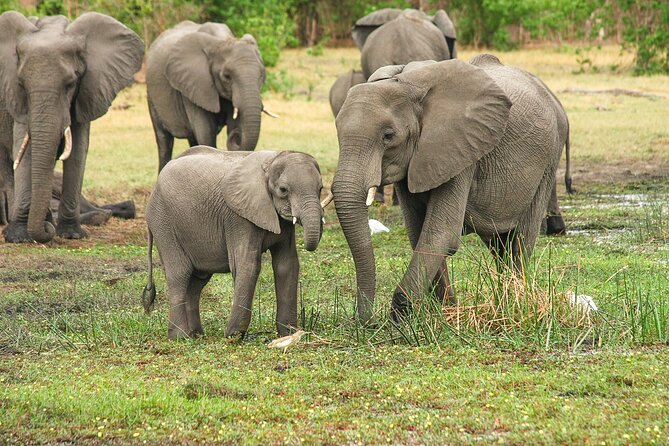
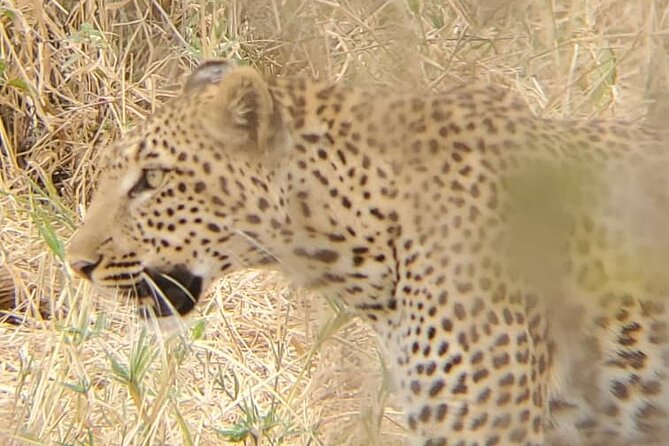
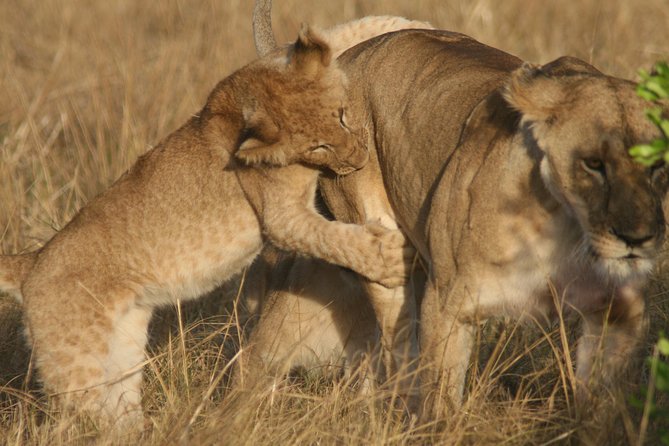
Ngorongoro is the headline you came for, especially if your wish list includes the big cats and the rarer species. This is one of the best days on the route because the crater is presented as a place where you can see all the African Big Five: black rhinos, elephants, lions, buffaloes, and leopards.
Here’s why that matters in real life. In many safari areas, you might see one or two big animals and then spend hours looking for the rest. A crater environment can compress food, water, and shelter into tighter spaces, so your chances of stacking different species in fewer drives generally improve.
I also like the practical way the tour handles this: you’re with a professional guide throughout, so you’re not just driving and hoping. Your guide’s focus becomes finding the right viewpoints, using the terrain to your advantage, and reading animal behavior instead of chasing spectacle.
One more thing that repeatedly shows up in the kind of safari that gets high marks: photography. People highlight guides and drivers who know good angles and who will work to get you those shots without turning the drive into chaos. Names like Tenga and Arnold come up for exactly that kind of helpful, photo-aware driving.
Even if you don’t care about perfect photos, that same skill—spotting, positioning, and timing—usually leads to better wildlife viewing for everyone.
Day 6: Birding and Dry-Season Game Around the Tarangire River
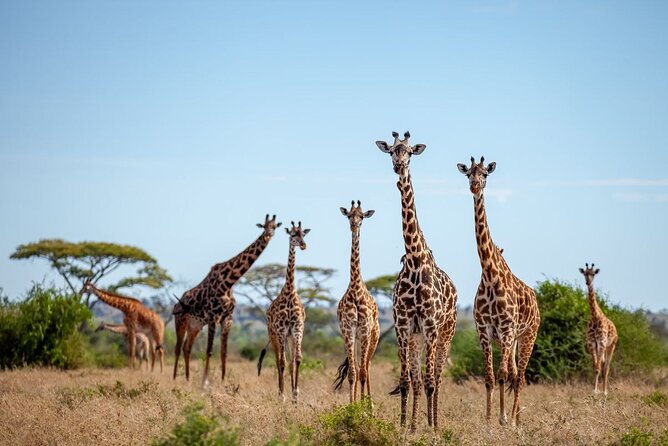
The final day leans into a different side of northern Tanzania: birdlife and game activity shaped by water. This area is described as a wonderful birding destination, and there’s extra emphasis on large numbers of game, especially during the dry season when the Tarangire River becomes the only major water source.
This is the kind of information that changes how you experience the day. When water is scarce, animals become more predictable—not easier to catch, but easier to find. Instead of random wandering, wildlife tends to concentrate around key areas, and that can make your viewing time feel more efficient.
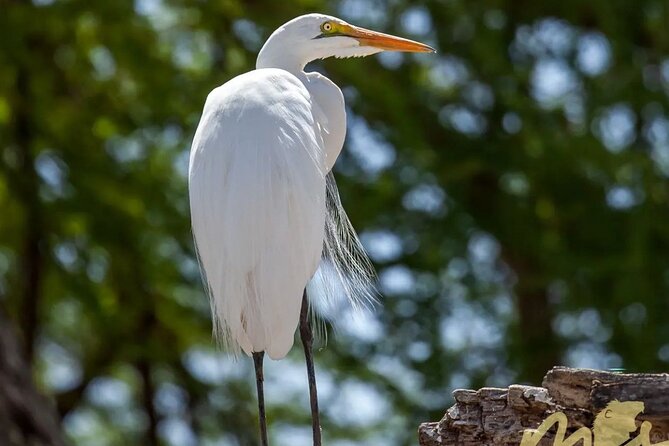
I’d also expect the bird scene to be a highlight. The broader region is described as hosting a wide variety of birds, including greater and lesser flamingoes, plus storks and pelicans. Even if birds aren’t your top priority, a good day of birding can slow you down in a healthy way—less frantic “hunt mode,” more patient watching.
Dry-season caveat: you might feel more heat and less greenery than you’d see in wetter months. The good news is that animal spotting tends to be more consistent, and that often wins over the discomfort if you dress smart and hydrate.
Staff and Guides: Friendly Service That Helps You Actually Enjoy the Drive
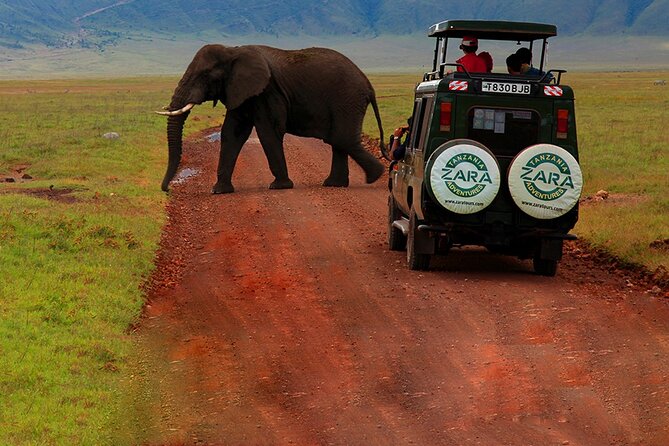
A safari isn’t only about animals. It’s also about how you feel in the vehicle: safe, relaxed, and confident that your driver knows where to put the wheels.
The feedback I’d pay attention to centers on drivers going above and beyond, finding animals, and helping with better photo angles. People also call out guides like Peter Minja for being an extraordinary guide—energetic, funny, and focused on making the experience unforgettable. Other names like Danny show up for guide excellence and helpfulness.
One detail I really appreciate from the overall vibe: the team feels supportive, not just transactional. That shows in how people describe the staff as accommodating, friendly, and ready to help keep things running smoothly—right down to lodge comfort and meal quality.
If you’re celebrating something, it can matter too. The tour planning process is described as smooth by people who booked with their tour designer—Zayina is named for helping make booking easy and handling extra ideas like pairing a Serengeti hot air balloon option.
Price and Value: What $2,772 Covers (and What It Doesn’t)
At $2,772 per person, this isn’t a budget safari. But it can be good value because several big-cost items are handled inside the package.
From what’s included, the trip covers:
- National park gate fees
- Transportation with driver-guide(s)
- All camping equipments
- Accommodation full board on a double-occupancy lodge safari
- Meals: 5 breakfasts, 6 lunches, 6 dinners
That matters because safari add-ons can snowball fast. Entrance fees and in-park transportation aren’t “nice-to-haves”—they’re the core costs of a proper wildlife route.
What’s not included is equally important:
- Tips for your driver-guide
- Transfer to/from the airport
- Visa fees and travel insurance
- Any personal expenses
If you’re comparing prices, don’t just look at the dollar figure. Ask what parts of the safari are already paid. When entrance fees and meals are built in, you’re less likely to get surprised mid-trip.
Also, keep in mind that you’re covering several major areas in a single 6-day run, which means longer driving and more time on the move. That’s part of the value trade: you’re buying variety and “stacked highlights,” not just one park with a slower pace.
What to Pack for a Safari That Changes Elevation and Mood
This tour hits multiple ecosystems—lake edges, open plains, crater rim views, and dry-season game zones. Even without exact weather dates, you’ll feel the day-to-day changes, so pack with flexibility in mind.
I’d bring:
- Binoculars (if you own them) and a small towel/cloth for dust
- A good camera strap so you can shoot without wrestling your gear
- Sunscreen and a hat for long drives and bright viewing windows
- Light layers that can handle mornings and warmer afternoons
For comfort, prioritize shoes you can stand in for a while. Safari viewing often turns into repeated “stop, scan, watch” moments, and sore feet will steal your focus.
If photography matters to you, the good news is that the type of driving praised here is angle-aware. A driver who stops at the right time and positions the vehicle correctly can make a huge difference without you doing a single extra thing.
Who This Safari Fits Best (and Who Should Rethink It)
This 6-day safari is best for people who want a lot of iconic Tanzania in one trip: Lake Manyara, Serengeti, Olduvai Gorge, Ngorongoro Crater, and a final bird-and-game day tied to the Tarangire River rhythm.
You’ll likely enjoy it if:
- You want the chance at serious wildlife variety, including Big Five targets in the crater
- You like guided explanations, not just a car ride with random stops
- You’re comfortable with early starts and long drives as the price of stacking highlights
You might want a different plan if:
- You dislike being on the move between parks for most days
- You only want one park and prefer a slower, quieter pace
The max group size of 12 helps a lot, since it usually feels more personal and easier than huge groups.
Should You Book This Moshi 6-Day Safari?
I’d book if your top goals are the big sights with support that actually helps you see more. The strongest case here is the mix: tree-climbing lions potential, Serengeti’s migration setting, the Olduvai Gorge Cradle of Mankind stop, and Ngorongoro’s Big Five concentration—then a birding-focused dry-season closer.
I’d also feel good about the experience quality if you care about friendly, safety-minded staff. Names like Peter Minja and Danny show up for guide excellence, while Tenga and Arnold get credit for making photo moments happen.
One final reality check: this tour doesn’t include airport transfer, and tips aren’t included either. If you plan those costs early, the rest of the package looks tidy—especially with entrance fees and full board included.
If you want a one-trip highlight reel of northern Tanzania that still keeps the human and animal stories connected, this is a strong choice.
FAQ
Where is the tour meeting point?
The start point is listed as Kilimanjaro Airport, with Kilimanjaro National Park Tanzania also referenced.
How long is the safari?
It’s listed as 6 days (about 5 nights).
What’s included in the price?
National park gate fees, transportation with driver-guide(s), all camping equipment, and full board accommodation in double occupancy are included, along with 5 breakfasts, 6 lunches, and 6 dinners.
Are park entrance fees included?
Yes, national park gate fees are included.
Is airport transfer included?
Pickup is offered, but transfer to/from the airport is listed as not included. Confirm your specific airport transfer details when booking.
Do I need to tip the driver-guide?
Tips for your driver-guide are not included.
Is a vegetarian option available?
Yes. You can request a vegetarian option at the time of booking.
How large is the group?
The group is capped at a maximum of 12 travelers.
Can I cancel and still get a full refund?
You can cancel up to 6 days in advance for a full refund, as long as you cancel at least 6 full days before the experience start time.