REVIEW · MOSHI
5 days Tanzania Camping Safari
Book on Viator →Operated by Nyange Adventures. · Bookable on Viator
Wildlife, baobabs, and a crater in five days.
From Moshi, this camping safari strings together Tanzania’s northern highlights with game drives, picnic lunches in the parks, and overnight stays inside the designated campsites. I love that the trip is built around real wildlife time: early drives for predators, long stretches on the plains, and then that dramatic Ngorongoro Crater descent when your eyes are still fresh.
Second, I like the practical setup for seeing animals: a 4×4 with a pop-up roof for better viewing, plus a birds and animal field guide and even binoculars. It’s also a private-style experience for your group, with professional guidance and park fees handled up front, so you’re not constantly thinking about logistics while you’re trying to spot lions.
One thing to consider: this is a camping-focused safari, and you’ll spend lots of hours driving between parks. If you prefer a softer, fully cushioned rhythm and minimal time on the road, you may find the pace a bit intense.
In This Review
- Key safari takeaways before you book
- Why this Moshi-based northern circuit is so efficient
- Price and what $1,990 is really buying you
- The 4×4 pop-up roof: why it changes your whole viewing
- Day 1: Tarangire National Park’s baobabs and elephant herds
- Day 2: Serengeti game drives and the migration you came for
- Day 3: Morning predator time, then the Ngorongoro rim views
- Day 4: Ngorongoro Crater’s UNESCO wonder and the rhino possibility
- Day 5: Lake Manyara’s flamingos and tree-climbing lion country
- Camping nights inside the parks: the trade-off you should expect
- Meals and included extras that make spotting easier
- Language options and the kind of service to expect
- Who this safari is best for
- Should you book this 5-day camping safari?
- FAQ
- What time does the safari start and where do we meet?
- Which parks does this 5-day itinerary include?
- Is national park access included in the price?
- What meals are included?
- Do I need to arrange a visa on my own?
- Are vegetarian meals available?
Key safari takeaways before you book
- Four parks in five days: Tarangire, Serengeti, Ngorongoro Conservation Area (Crater), and Lake Manyara
- Game-drive comfort: 4×4 with a pop-up roof for wildlife viewing
- Meals and safari support included: breakfasts, lunches, dinners, field guide, and binoculars
- Crater morning is non-negotiable: you descend the crater walls early for the best chance to see wildlife
- Rhino is a real possibility at Ngorongoro, not just a theory
- Your base is Moshi, with pickup offered and a start time of 8:30 am
Why this Moshi-based northern circuit is so efficient
This safari is designed to cover a lot of Tanzania’s big-nature hits without forcing you into a complicated route change every day. Starting in Moshi matters because it keeps your planning simple: you meet up, get onto safari roads quickly, and then focus on wildlife and scenery rather than constant transfers.
The parks you visit also balance each other. Tarangire gives you baobabs and elephants in a dry, open feel. The Serengeti brings the famous plains and predator action. Then the switch to Ngorongoro Crater is like changing from a safari movie screen to a natural amphitheater with wildlife living cheek-by-jowl.
You can also read our reviews of more tours and experiences in Moshi.
Price and what $1,990 is really buying you
At $1,990 per person, the headline number can look steep until you break down what’s included. In this package you get national park fees, a professional guide, emergency evacuation insurance, unlimited mileage in a 4×4 with a pop-up roof, and a bundle of safari extras like binoculars and a birds and animal field guide. You also get meals: breakfasts (4), lunches (5), and dinners (4).
What’s not included is also clear. You’ll need to budget for visa processing (handled at the border or airport), alcohol, and gratuities. The recommended industry gratuities are $15 a day for the cook and $20 a day for your guide, divided by everyone in the vehicle. You’ll also pay for personal items and handle any pre/post accommodation and airport transfers unless you request help.
For value, I look at two things: how much of your trip is already covered, and how much “on-the-ground time” you get. This one scores well because park fees, vehicle use, and guide time are built in, leaving you with fewer surprise costs.
The 4×4 pop-up roof: why it changes your whole viewing
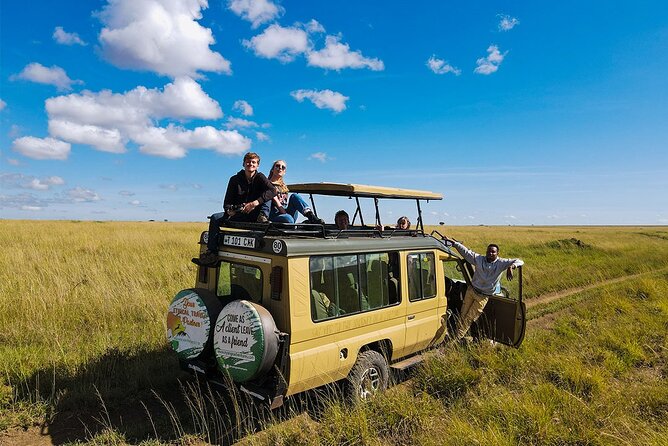
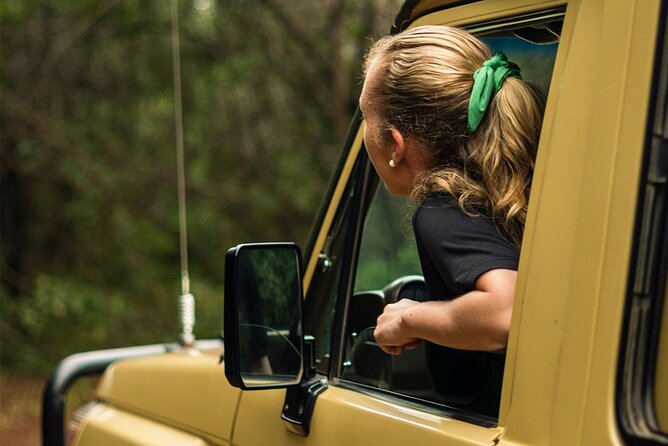
Wildlife spotting can feel like a slow treasure hunt until you get the right sightlines. With a 4×4 vehicle fitted with a pop-up roof, everyone can get a higher viewing angle during game drives. That matters a lot for animals that are partly hidden by grass, trees, or terrain changes.
You’ll also be moving across different habitats fast enough that you don’t want to fight with gear. Having the field guide and binoculars included means you can spend more time locating animals and naming what you see, and less time wishing you packed the right stuff.
Day 1: Tarangire National Park’s baobabs and elephant herds
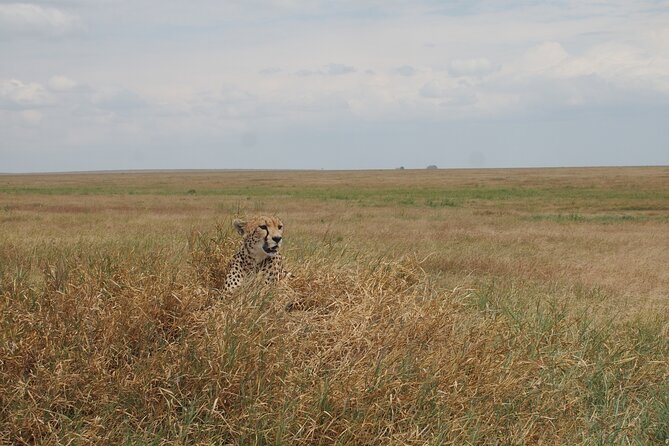
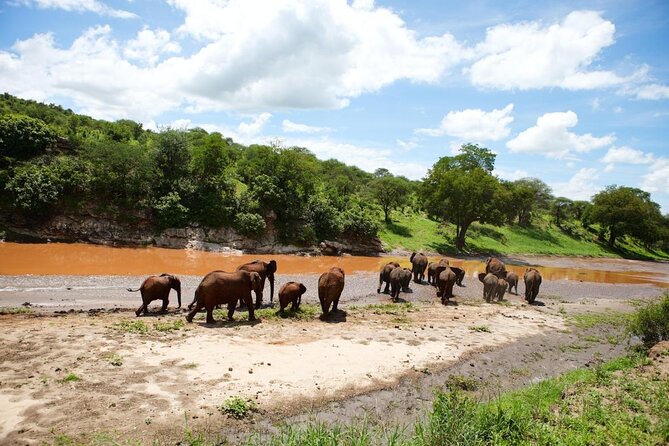
Your trip starts with pickup in Moshi and then a drive into Tarangire National Park, known for two standout visuals: massive baobab trees and large elephant herds. Tarangire’s vegetation is sparse, so animals are easier to spot as they move through dry riverbeds and around the shrinking water sources.
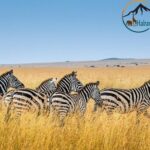
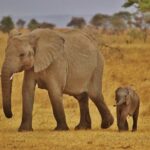
What makes this day special is how the park’s dry-season vibe shapes the wildlife behavior. You can see up to around 300 elephants looking for underground water in dry river channels. It’s also a good place for other animals like wildebeest, zebra, and buffalo clustering around remaining lagoons.
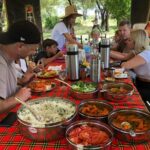
By afternoon, you’re on an afternoon game drive with a picnic lunch in the park. The picnic sounds simple, but in a safari context it’s the point: you get to break the day without losing the rhythm of being out there.
Day 2: Serengeti game drives and the migration you came for
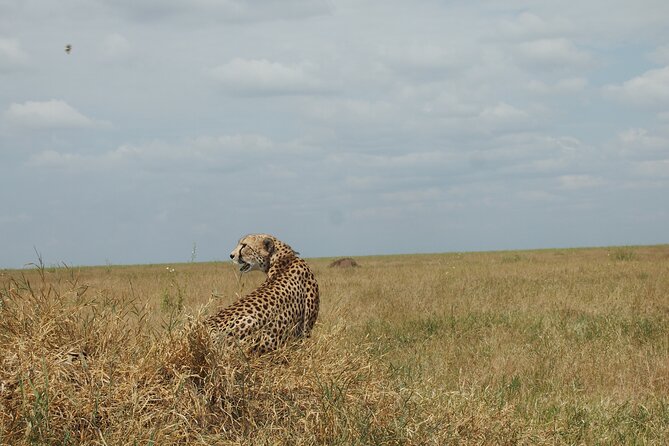
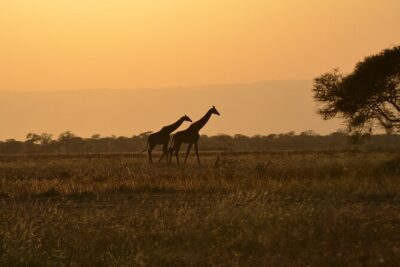
On day two you head to Serengeti National Park, one of the most famous wildlife landscapes on earth for a reason. This is where the tour’s “big show” sits: the great migration of wildebeest and zebra across the plains.
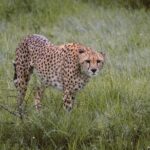
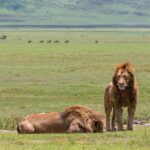
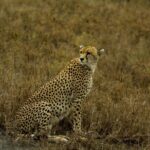
Even when migration details vary by season and timing, the Serengeti value is broader. The plains also support predators—lions, cheetahs, leopards—and plenty of other wildlife activity. The tour keeps you focused on game-drive time by starting your day in the park and then continuing toward your overnight setup.
You end the day with an overnight in Serengeti at Pimbi Campsite. Staying inside the park area is a comfort boost: it reduces the amount of late travel you have to do and keeps your morning schedule flexible for wildlife.
Day 3: Morning predator time, then the Ngorongoro rim views
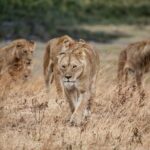
Day three begins with a morning game drive, built around the idea that predators are often most active early. You’ll have a chance to spot lions and other hunters while the day is still cool and game is moving.
After that, there’s brunch, and then you leave Serengeti. The day doesn’t just move you to the crater region; it sets you up for crater day by guiding you toward the rim of Ngorongoro Crater. Seeing the rim views before you descend makes the next day feel more dramatic because you understand the geography you’re about to enter.
Before dinner, you’ll have those crater-bowl views—an important moment to slow down. From the rim, the crater looks like a natural stage, and it sets expectations for the density of wildlife you can encounter once you drop inside.
Day 4: Ngorongoro Crater’s UNESCO wonder and the rhino possibility
Day four is the one that changes how you picture “safari.” You wake early to descend the crater walls—about 600 meters down—to the floor of Ngorongoro Crater, a UNESCO World Heritage Site.
The big payoff here is concentration. The crater creates a natural basin that supports wildlife in close range. You’re not just looking at animals against a horizon; you’re in a place where animals share space and you can spot behavior—grazing, crossing trails, or stopping for a rest—without long guessing games.
The tour also calls out something specific: the chance to see the endangered rhino. You’re not guaranteed wildlife, of course, but the crater is one of the places where your odds for rhino sightings are a legitimate part of the safari plan.
Day 5: Lake Manyara’s flamingos and tree-climbing lion country
On your final day, you drive to Lake Manyara National Park in the Great Rift Valley. Lake Manyara is famous for two things that work together: a dramatic setting and strong birdlife.
First, the lake area can attract pink flamingos, and the park draws more than 400 species of birds overall. Even if you’re not a dedicated birder, you’ll still feel how alive the lake is when birds are everywhere along the shoreline.
Second, the park is known for tree-climbing lions. The tour description puts that on the radar, so it’s worth keeping an eye on unusual lion positions in trees or near rocky edges during your game drive.
In the afternoon, you drive back to Arusha or Kilimanjaro Airport. This gives you a clean ending point, especially if you’re tying the safari into another leg of your Tanzania trip.
Camping nights inside the parks: the trade-off you should expect
This is a camping safari, with 4 nights of accommodation and overnight stays at designated campsites in park areas. That tends to mean you feel closer to the environment—sounds carry at night, and the day starts with a different kind of rhythm once you’re already “in the wild.”
The trade-off is comfort and routine. You’ll likely have simpler camp setups than a lodge vacation, and you’ll spend more time outdoors in changing conditions. If your idea of safari includes waking up refreshed and staying in highly polished comfort, you might want to compare with lodge-based options. If you’re excited by being out there—by the schedule, by the stars, by the sense of place—camping fits the tone of this itinerary.
Meals and included extras that make spotting easier
This tour includes a lot of the small stuff that keeps safari days from feeling stressful. You get meals across the trip: breakfasts, lunches, and dinners, so you’re not scrambling for food while game drives are still on the clock.
The picnic lunch on day one is especially meaningful because it keeps the day moving while still giving you a break. It’s also a great time to look at what you’ve already seen and check the field guide for names, behaviors, and tracking hints you might recognize later.
And then there’s the gear. Having binoculars and the birds and animal field guide included is a real advantage. You’ll spend less time guessing and more time understanding what you’re looking at—especially with birds and small mammals that can be harder to identify without help.
Language options and the kind of service to expect
The experience is offered in German, English, French, and Spanish, which is a big deal if you want explanations that actually land. On safari, translation quality can shape the whole trip because it’s not only about spotting animals—it’s about understanding what you’re seeing and why it’s happening.
Service quality is a theme in past guest experiences with Nyange Adventures. Names that have shown up in feedback include guides such as Francis, Joshua, Dennis, Allan, and Edwin, along with support teams that included cooks like Ely, chefs like Godfrey, and coordinators like Amina. You shouldn’t assume any one of these people will lead your tour, but it does signal that the company puts effort into matching guests with capable, friendly staff.
Who this safari is best for
I’d point this safari toward a few traveler types.
- First-time Tanzania visitors who want a smart sampler: elephants and baobabs, Serengeti predators and migration, the UNESCO crater, and flamingos at the end.
- People who like early mornings and don’t mind sitting in the vehicle for game-drive time. Wildlife doesn’t always show up on a neat timetable.
- Travelers who enjoy camping-style closeness to nature and want their days to feel connected rather than segmented by constant hotel logistics.
If you’re the type who needs everything to be luxury-level comfortable every hour, you may find the camping rhythm less satisfying. On the other hand, if you’re hunting memories, this itinerary is built for them.
Should you book this 5-day camping safari?
I’d book this tour if you want a focused northern circuit with park fees, meals, and game-drive support already handled, and you’re excited by the idea of camping inside the safari ecosystem. The 4×4 pop-up roof plus binoculars and a field guide are the kind of details that make wildlife spotting feel smoother, not harder.
I’d pause if you’re sensitive to long driving days or you expect hotel-style comfort. This safari rewards flexibility and patience more than a rigid schedule. If that sounds like your kind of trip, you’re set up well.
FAQ
What time does the safari start and where do we meet?
The safari starts at 8:30 am, and pickup is offered from your hotel in Moshi.
Which parks does this 5-day itinerary include?
You’ll visit Tarangire National Park, Serengeti National Park, Ngorongoro Conservation Area (the crater), and Lake Manyara National Park.
Is national park access included in the price?
Yes. National park fees are included.
What meals are included?
The tour includes 4 breakfasts, 5 lunches, and 4 dinners.
Do I need to arrange a visa on my own?
Yes. The visa must be obtained at the border or airport.
Are vegetarian meals available?
Yes. A vegetarian option is available—you should advise at the time of booking.