REVIEW · MOSHI
9-Day Enchanting Tanzania Safari -High End All Inclusive
Book on Viator →Operated by Gosheni Safaris (T) Limited · Bookable on Viator
Tanzania has a way of sticking with you. This 9-day, high-end all-inclusive safari pulls together the big northern highlights with a few smart extras, from a walking safari in Arusha to a hot air balloon moment over the Serengeti. You’ll also move efficiently between parks while meals and park fees are handled, so you spend less time worrying and more time watching.
Two things I especially like: first, the mix of classic game drives plus targeted moments like the Arusha walking safari and the Serengeti balloon-and-champagne morning. Second, you’re not rushed through one park and then forgotten—this route gives you real time to look for the animals’ daily behavior, not just trophy sightings.
One thing to think about: this isn’t a budget trip, and tips are not included (there’s a guideline of $20 per person per day). If you’re trying to keep costs tight, that tip total and any add-on nights in Arusha/Moshi before or after will matter.
In This Review
- What You Get For the Money in Moshi
- Key Highlights Worth Planning Around
- Day 1: Arrival in Arusha, Champagne Welcome, Coffee-Plantation Overnight
- Day 2: Arusha National Park Walking Safari and Momella Lake Picnic Lunch
- Day 3: Tarangire Full-Day Game Drive for Elephants and Birding
- Day 4: Lake Manyara with a Canopy Walk and Lion-Spotting Odds
- Day 5: Ngorongoro Crater Day with Crater Rim Views at Night
- Day 6: Serengeti Transfer with a Ngorongoro Rim Walk (Armed Ranger)
- Days 7 and 8: Serengeti Game Drives, Lions, Leopards, and a Balloon Morning
- Day 9: Morning Drive, Flight Back to Arusha, and One Last Look
- Your Guide Matters More Than You Think
- Price and Logistics: What’s Covered, What You Still Budget
- Who This Safari Fits Best
- Should You Book This 9-Day Tanzania Safari?
- FAQ
- Where does the safari start?
- How long is the tour?
- Is this a private tour?
- Which parks are included?
- Are park fees included?
- Are meals included?
- Are international flights included?
- Is the hot air balloon included?
- What should I budget for tips?
What You Get For the Money in Moshi
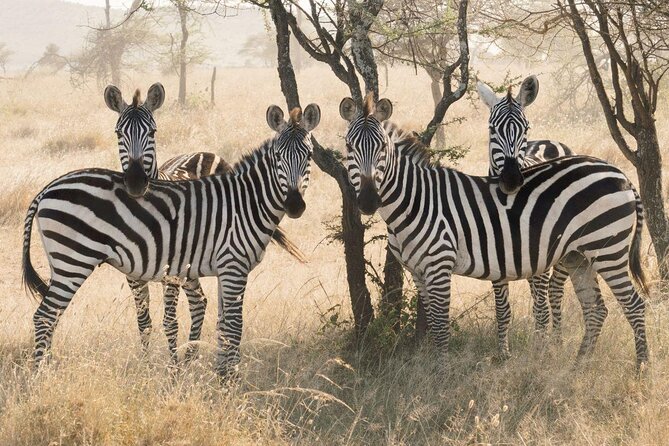
This is priced at $12,375 per person, and the value shows up in how much is covered and how the days are structured. You’re paying for a private, guided circuit across several top parks, and the core operating costs are already included: park fees and your main meals (breakfast, lunch, dinner). That reduces the little surprises that can add up on safari.
Also, the trip includes small-but-meaningful touches that change the vibe. You start with a welcome champagne at the airport office lounge, and later you get champagne breakfast with the balloon safari, plus Serengeti bush cocktails. Those aren’t the reason to come, but they do make the long drives feel more like a planned journey than a nonstop shuffle.
Private tour format matters here too. You’re not fighting for space in a shared vehicle or trying to time your viewing around someone else’s impatience. The ride can be long on safari days, so having your own group rhythm is a real perk.
Key Highlights Worth Planning Around
- Walking safari in Arusha with a ranger-led feel, not just a jeep checklist.
- Tarangire off the main route for quieter wildlife viewing and strong elephant chances.
- Ngorongoro crater rim lodging so the crater experience starts before and after the crowds.
- Serengeti hot air balloon with champagne breakfast for a sky-level view of the ecosystem.
- Manyara canopy walk + tree-climbing lions pursuit for a different kind of wildlife day.
- Guides named often for big-cat spotting (Roger, Allen, Albert, Bariki Mseli, Calvin, William, Ombeni, Rahim, Zadock Ayo).
You can also read our reviews of more tours and experiences in Moshi.
Day 1: Arrival in Arusha, Champagne Welcome, Coffee-Plantation Overnight
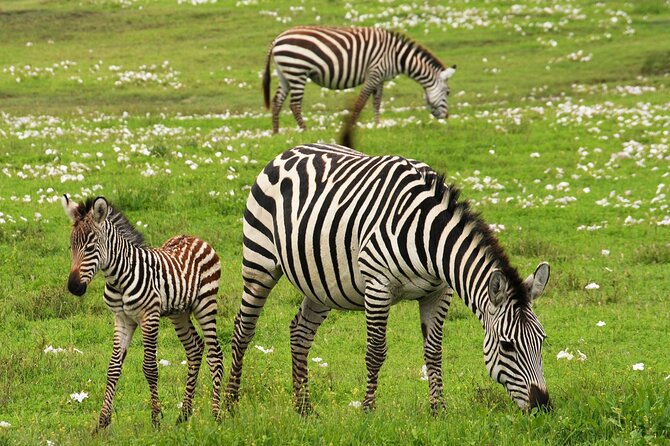
Your trip begins at Kilimanjaro International Airport with staff who help with visa and luggage pickup. Then you meet your safari guide and get a welcome glass of champagne at the airport office lounge. After that, you drive to Arusha for dinner and an overnight at a classic lodge set by a coffee plantation.
Why I like this start: it smooths out the first-day friction. The visa and luggage part can be stressful in any country, so having it handled quickly helps you settle in before the safari rhythm starts. And staying near Arusha the first night is a smart buffer—no one wants a tight schedule on day one after a long flight.
Practical note: this lodge stay is your first look at local life around Arusha. Even if you’re thinking only about the parks, it helps to get your bearings in the region before heading out.
Day 2: Arusha National Park Walking Safari and Momella Lake Picnic Lunch
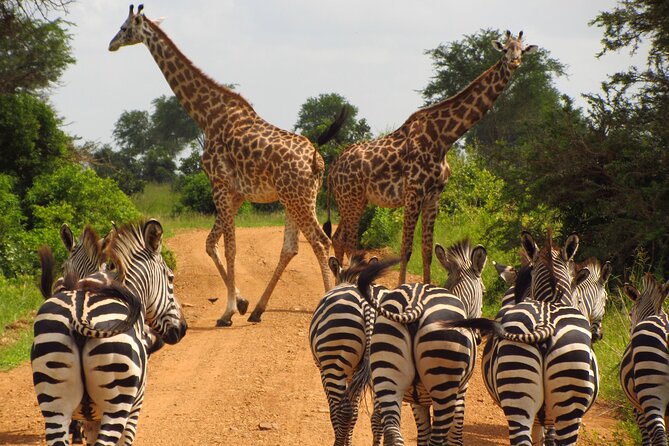
Day two is built around Arusha National Park, with a short drive to get you to the park quickly. You’ll do a morning walking safari, then in the afternoon you’ll head out on an afternoon game drive. Lunch is set up tableside near Momella Lake with hot food—simple, but it keeps the day from feeling like a long scramble.
Arusha National Park is small compared with the big names, but it has variety because it’s tied to Mt Meru’s volcanic terrain. The point of Arusha on day two isn’t to chase endless miles. It’s to train your eye early—track movement, watch how animals react, and learn the pace of safari viewing in a less intimidating setting.
Best part of a walking approach: you’re closer to details. You notice how sound carries, how birds signal activity, and how quickly the ecosystem shifts when you’re not sealed inside a vehicle.
Possible drawback: if you’re not comfortable with walking in the bush (even at a manageable pace), plan for that mentally. This is labeled a walking safari, so go in expecting to be on your feet.
Day 3: Tarangire Full-Day Game Drive for Elephants and Birding
After breakfast, you drive to Tarangire for a full-day game drive. Your driver-guide handles a hot meal lunch in the afternoon, then you continue on to a tented camp for dinner and overnight.
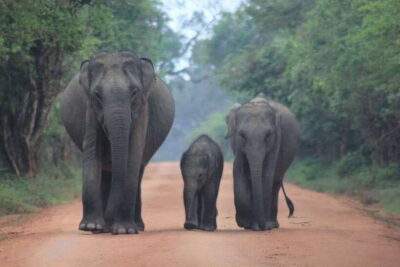
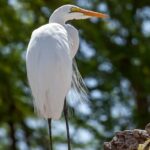
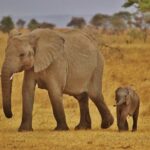
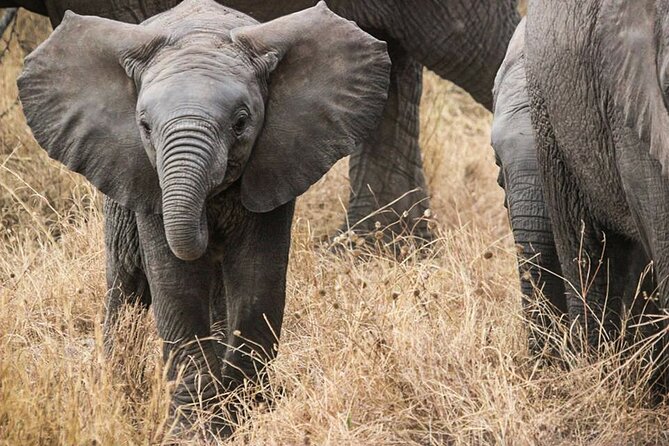
Tarangire is an excellent mid-trip reset because it often delivers wildlife without the huge crush of the most famous parks. It’s also a birding favorite, and the elephant action can be strong, including the feel of migration patterns in the right season.
What makes Tarangire valuable on this route: it’s slightly off the main safari track, so you get a more peaceful atmosphere. That changes what you notice. When there’s less rushing, you can actually sit with a scene long enough for animals to move into view.
Small tip: bring patience. In parks like Tarangire, you’ll sometimes get the best results by staying calm when things look quiet. Movement often starts once the herd decides you’re not a threat.
Day 4: Lake Manyara with a Canopy Walk and Lion-Spotting Odds
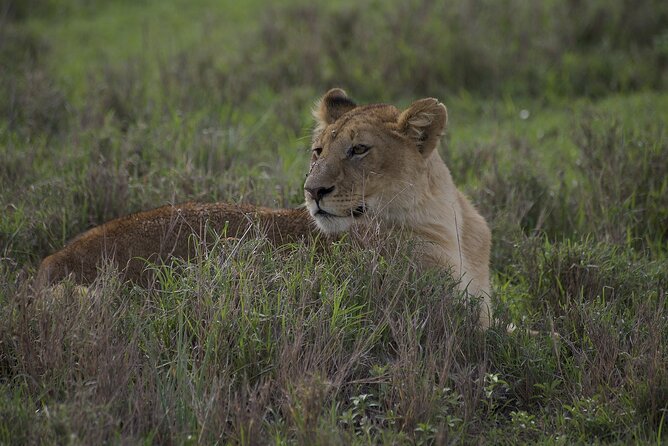
Today combines a game drive with a canopy walk tour in/around Lake Manyara National Park, plus the usual set-up for a hot meal lunch and refreshments. You’ll drive to your lodge in the evening for dinner and overnight.
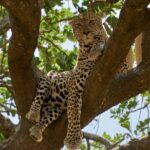
Lake Manyara’s big selling points are birds and the possibility of tree-climbing lions—an unusual behavior that’s not guaranteed, but it’s part of why this park is on many bucket lists. The canopy walk adds a different viewing angle too. Instead of only scanning grass and open ground, you’re looking up and through the trees, where birds are active and where you can catch animal movement you’d miss from the vehicle.
A balanced way to think about this day: treat it as a wildlife and birding day first, and lions as the extra bonus. That mindset keeps the experience fun even if lions are elusive.
Day 5: Ngorongoro Crater Day with Crater Rim Views at Night
You’ll leave after breakfast for a full-day game drive in Ngorongoro Crater. The plan includes a hot meal lunch inside the crater area, then later you head to a lodge positioned on the Ngorongoro rim for dinner and overnight.
Ngorongoro is the headline natural feature: a massive volcanic caldera, about 20 km across and roughly 600 m deep, with a year-round population of mammals. That all-year resident element is a key reason Ngorongoro works so well for safari planning. You’re not relying on seasonal timing as much as you do in other ecosystems.
This day is also set up for good pacing. You’re not just driving past viewpoints; you’re spending time in the crater and then shifting to rim lodging so you get different light and different animal behavior at different times.
Possible consideration: it’s a full-day crater circuit, so your legs and back will feel it. Plan to take breaks when you can and keep water handy.
Day 6: Serengeti Transfer with a Ngorongoro Rim Walk (Armed Ranger)
Day six mixes something rare with the transition: you’ll do a walking segment along the Ngorongoro crater rim with an armed ranger, then return to the lodge for lunch and later head to Serengeti National Park. You arrive in time for an evening game drive en route to your lodge for dinner and overnight.
This is a “slow down and understand what you’re seeing” day. The crater rim walk gives you context for the caldera—where the animals move and why the views are so dramatic. Then you’re back into the Serengeti rhythm with that evening game drive.
Why this works for you: you get the big visual in daylight and then experience the broader ecosystem at golden-hour speeds. That pairing often makes the Serengeti feel less abstract once you’re fully inside the park.
Days 7 and 8: Serengeti Game Drives, Lions, Leopards, and a Balloon Morning
You’ll spend two days in the Serengeti, with Seronera being a key region for wildlife viewing. Day seven starts with a leisure breakfast and then a full-day game drive. Your guide sets up a hot meal lunch. That day is strongly oriented toward resident wildlife, including lions and leopards.
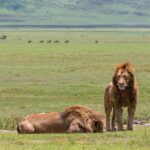
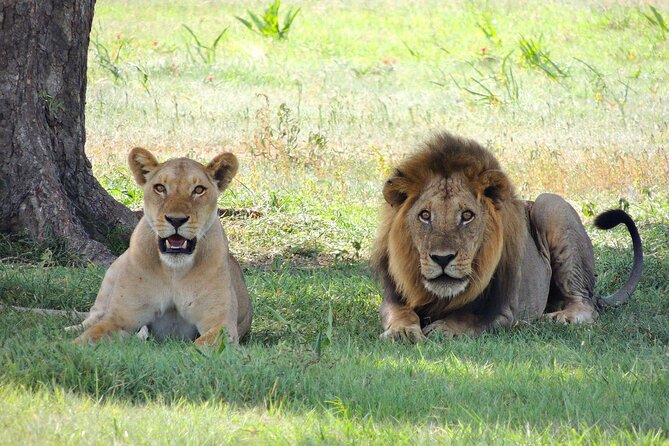
The Serengeti is famous for big predators, and the standout detail here is how concentrated the ecosystem can feel. The area is tied to a very large lion population, and leopards are present too, including in the Seronera region.
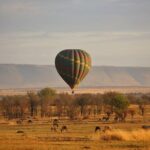
Day eight adds the headline experience: an early morning hot air balloon safari with a champagne breakfast. After the balloon, you return for a hot lunch, then later you go out for an evening game drive. You also get Serengeti bush cocktails as a fun surprise before dinner.
How to make these two Serengeti days pay off: don’t think of them as separate days of searching. Think of them as time to build pattern recognition. Once you know what the guide is scanning for, you’ll start seeing tells yourself—how birds react, how dust kicks up, and where animal movement tends to funnel.
One planning note: balloon rides depend on weather, and the experience requires good weather. That’s normal for balloon safaris, so have flexible expectations.
Day 9: Morning Drive, Flight Back to Arusha, and One Last Look
Your final morning includes breakfast at the lodge and a morning game drive. Then you transfer to Seronera Airstrip for your flight to Arusha. On arrival, you get taken to the lodge for lunch, and later you transfer to the airport for your flight home.
I like that the last day doesn’t end with a rushed departure right after a transfer. You still get a morning drive, which is often when animals are most active before midday heat settles in. Then the flight gets you off the road efficiently, which helps you end the trip feeling like you still had a safari, not just a long series of transfers.
Your Guide Matters More Than You Think
Across the feedback for this operator, specific guide names keep showing up: Roger, Allen, Morris, Albert, Calvin, Bariki Mseli, William, Ombeni, Rahim, and Zadock Ayo. The pattern isn’t just praise for friendliness—it’s praise for spotting ability and explanations that help you connect the dots.
What you should take from that: safari success is partly about luck, but it’s heavily about reading the landscape (literal terrain cues), learning animal rhythms, and knowing where to look next. A good guide makes you see more than what’s in front of you.
Also, I noticed a repeated theme of safety and responsiveness in the way guides are described. That’s especially important on long days with early mornings and big drives between parks.
If you do this tour, consider asking your guide what their scanning strategy is: how they watch for predator movement, how they interpret bird calls, and where they tend to find active feeding zones.
Price and Logistics: What’s Covered, What You Still Budget
The big number here is $12,375 per person, and this trip is positioned as high-end with meals and park fees included. Included items list park fees plus breakfast (8), lunch (8), and dinner (9). That’s a meaningful slice of typical safari costs—especially in remote areas where meals alone can be pricey.
But you still need to budget for what’s not included:
- International flights to/from home
- Any extra nights before the tour starts or after it ends
- Tips, with a guideline of $20 per person per day
- Personal items and travel insurance
- Visa fees and any government-imposed tax or park fee increases
If you’re comparing this to cheaper safaris, the most honest way to judge value is to add up all the smaller costs on the other option: meals, park fees, balloon or special activities (if included), and tip expectations. When you price it that way, you start to see why a higher all-inclusive number can still be a better deal—if the included package truly matches what you want to do.
Who This Safari Fits Best
This 9-day circuit works best if you want:
- Big northern park variety in one trip
- A mix of walking safari and classic game drives
- The Serengeti balloon experience
- Private guiding for a calmer, more flexible viewing style
- A structured, meal-covered schedule so you can focus on wildlife
It’s also a strong pick for couples and families who want comfort and planning support without sacrificing authenticity. The lodge and tented camp nights are part of the package vibe, and the pacing keeps you from feeling like you only see animals through a window.
If you’re extremely budget-driven, you might feel the price and tip totals. But if you care most about getting the route right and seeing a lot of behavior (not just quick sightings), it’s built for that.
Should You Book This 9-Day Tanzania Safari?
Yes, if your main goal is a high-quality northern Tanzania highlight route with a real mix of experiences—walking time, calmer park moments, Ngorongoro’s crater magic, and a Serengeti balloon day. The included meals and park fees make it easier to control your trip spending once you arrive.
No, if you want the cheapest possible safari or you don’t want to plan around weather for balloon conditions. Also, if you’re picky about tipping habits, budget it in early so it doesn’t surprise you at the end.
If you book, do one thing that pays off fast: align your expectations with behavior, not just animals on a list. With guides who are consistently praised for spotting and explanations, you’ll enjoy the chase as much as the sightings.
FAQ
Where does the safari start?
It starts with pickup/meeting at Kilimanjaro Airport.
How long is the tour?
It’s about 9 days.
Is this a private tour?
Yes. It’s listed as a private tour/activity, so only your group participates.
Which parks are included?
Arusha National Park, Tarangire National Park, Lake Manyara National Park, Ngorongoro Crater, Serengeti National Park, and Lake Manyara National Park.
Are park fees included?
Yes. Park fees are included.
Are meals included?
Yes. The package includes breakfast (8), lunch (8), and dinner (9).
Are international flights included?
No. International flights are not included.
Is the hot air balloon included?
The schedule includes a hot air balloon safari with a champagne breakfast on the Serengeti day.
What should I budget for tips?
Tips are not included. The guideline given is US$20.00 per person per day.