REVIEW · MOSHI
Tanzania Safari – The Great Migration in the North of the Serengeti and Lake Natron
Book on Viator →Operated by Safari Crew Tanzania · Bookable on Viator
Wildlife drama happens fast here, especially in the North Serengeti. This safari is built around Great Migration season (July to October), with game drives that target the northern Serengeti herds of wildebeest and zebra. I also like that the route mixes classic big-show parks with a quieter Rift Valley add-on: Lake Natron flamingos plus the chance to walk near Oldoinyo Lengai and the Engare Sero stream.
Two more “you’ll feel it” strengths: Lake Manyara brings monkeys, elephants, and a dense bird scene, and the Ngorongoro Crater day puts you in a compact wildlife bowl after a dramatic volcanic story. One consideration: the migration and flamingo action is highly season-dependent, and the Lake Natron foot excursion includes wading/standing water, so you’ll want shoes that grip and clothing that can get wet.
In This Review
- Key highlights to lock in
- The real prize: Great Migration season in North Serengeti
- Lake Manyara: small park, big variety of animals
- Ngorongoro Crater: a volcanic bowl where wildlife concentrates
- Serengeti National Park: big ecosystem, big predator presence
- Mara Region game drives: where open sightlines help you spot more
- Lake Natron: flamingo nesting in alkaline Rift Valley country
- Oldoinyo Lengai and Engare Sero: the walk that adds a human layer
- Tarangire National Park: baobabs, elephants, and a river-shaped day
- Comfort, food, and transport: what’s included and why it matters
- Price and value: what you’re paying for in this 8-day loop
- Guides and on-the-ground organization: why it affects your sightings
- Who should book this North Tanzania Great Migration safari
- Should you book it?
- FAQ
- How long is this safari?
- Where does the safari start and end?
- Is pickup offered?
- Is this a private tour?
- What’s included in the price?
- What’s not included?
- When is the best time for Great Migration and Lake Natron flamingos?
Key highlights to lock in
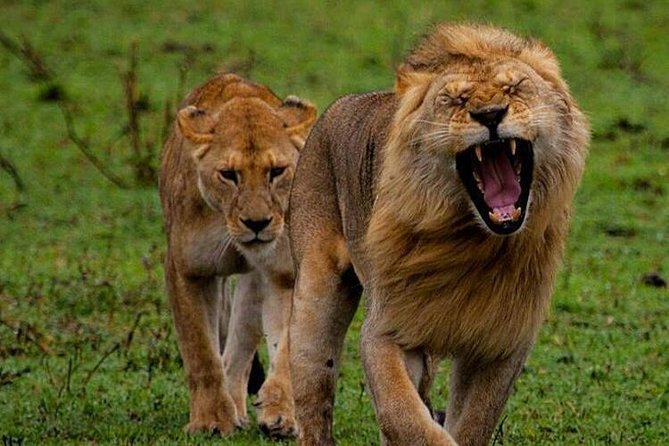
- North Serengeti timing (July–October) for the Great Migration crossings you’ve seen on screens
- Ngorongoro Crater wildlife density inside a former volcanic caldera
- Lake Natron flamingo season (June–October) in a harsh, alkaline Rift Valley setting
- Oldoinyo Lengai and Engare Sero walk with a swim option and non-slip shoe advice
- Tarangire River dry-season focus for elephants, lions, and baobabs
The real prize: Great Migration season in North Serengeti
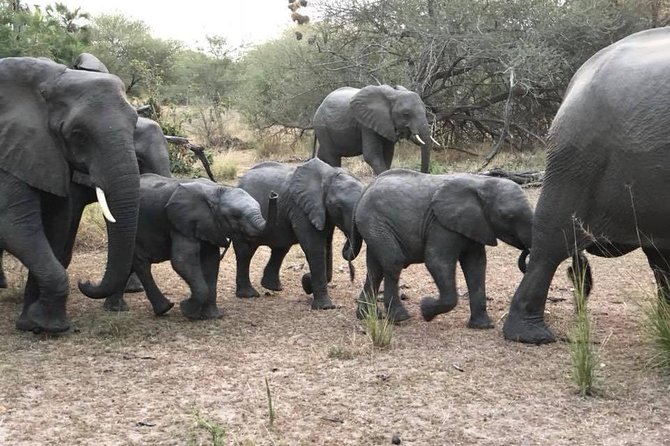
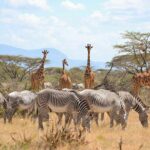
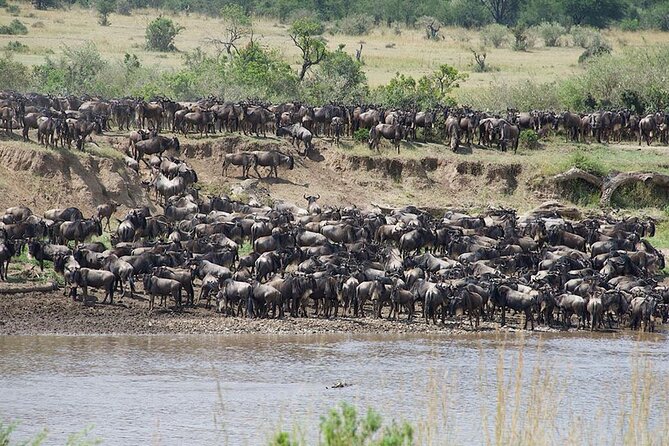
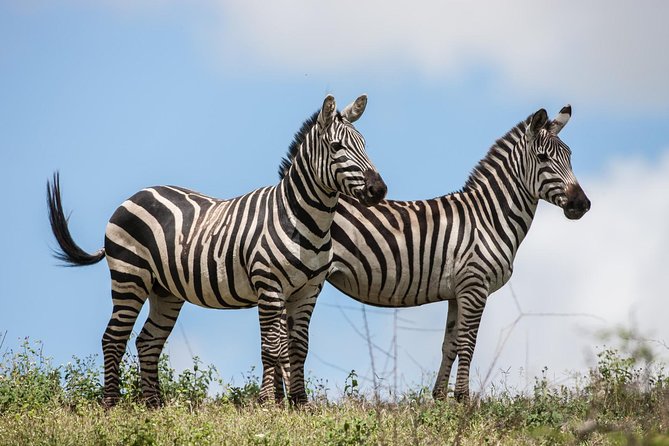
If you’re choosing this safari for one reason, it should be the timing. Between July and October, the huge herds of migrating wildebeest and zebra gather in the northern Serengeti as they search for pasture and water. That matters, because the Serengeti ecosystem is vast, and the animals are moving across it rather than sitting in one fixed spot.
What I like about this plan is that it doesn’t treat migration as a single “maybe” moment. It gives you dedicated time in the Mara region, where the ground conditions help wildlife spotting. The northern plains tend to be open because the subsoil and volcanic rocks limit tall tree growth, so visibility is better for spotting animals during game drives.
One more practical point: you’ll spend time in the right locations, but you should still expect the day-to-day feel to be “chase the movement,” not “arrive and park.” The payoff is that when you hit the right stretch of migration activity, the scenes can feel unreal.
You can also read our reviews of more tours and experiences in Moshi.
Lake Manyara: small park, big variety of animals
Lake Manyara National Park is tucked under the Rift Valley escarpment, and it packs a lot of environments into a relatively small area. Even though the park is about 330 sq km, roughly 200 sq km is the lake itself. That mix creates sharp habitat changes: dense spring-fed forest, savannah, and marshy edges.
This day is a strong warm-up because it offers several types of wildlife and not just one flavor. Expect chances for elephants and giraffes, and if you like primates you should feel at home. The park is known for large baboon and vervet monkey populations, plus a strong bird presence (about 380 species). If you visit in a different season you might see pink flamingos around the lake (Lake Manyara is described as a flamingo area from December to March), but this safari’s flamingo focus shifts toward Lake Natron later.
The main drawback to keep in mind is that Manyara can feel more “variety hunting” than “single-epic-animal moment.” If you want a day that’s laser-focused on one big event, this isn’t that. If you want a day that gets your safari senses awake, it’s perfect.
Ngorongoro Crater: a volcanic bowl where wildlife concentrates
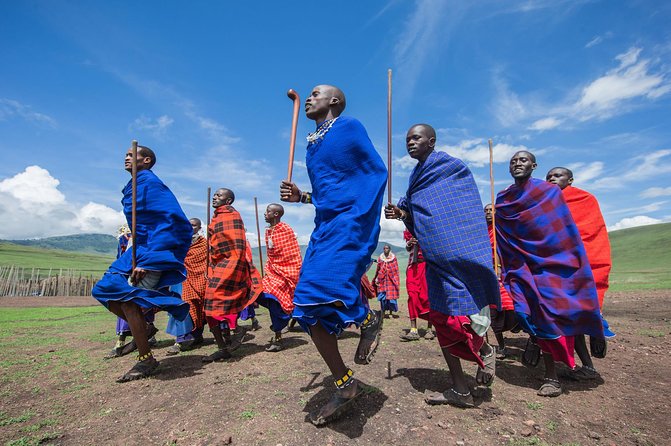
Ngorongoro Crater is one of those places that makes you understand why people call East Africa the Africa of documentaries. This is not a simple plain. It’s the remains of an ancient volcanic cone where the top collapsed around 2.5 million years ago, leaving a caldera with a savannah floor.
What’s useful for you as a traveler is the “shape” of the place. The caldera is described as a pan roughly 16 to 20 km across, with raised edges about 600 m above the bottom. Inside that bowl live more than 25,000 large animals, and the crater’s altitude edges top out around 2,300 meters. The variety of micro-habitats plus the natural enclosure can mean more animals within reach during a drive.
There’s also one detail worth filing away: the crater description notes that giraffes are the typical species exception here. So don’t build your day around seeing giraffes in the crater, but do build it around big-cat and general wildlife density. If you’re a photo lover, this stop can feel like a moving gallery, because the crater’s views and the wildlife contrast are both strong.
Serengeti National Park: big ecosystem, big predator presence
In the Serengeti, the numbers get extreme, and that’s not just marketing. The Serengeti ecosystem is described as home to well over a million wildebeest and hundreds of thousands of zebra, plus large populations of predators. The provided figures include over 2,700 lions, about 1,000 leopards, and around 500 cheetahs, plus huge herds of elephants and many other grazers.
Even if you don’t think in spreadsheets, this ecosystem scale changes what you can expect. You’re not just looking for animals. You’re looking for patterns across a living landscape: predator hunting strategies, prey clustering around water, and the constant movement of groups.
A practical benefit of this safari’s structure is that you get time in Serengeti beyond just the migration chase. You’re not forced to gamble everything on one day. That makes the experience feel more balanced, especially if your migration sightings vary based on where the herds are that day.
Mara Region game drives: where open sightlines help you spot more
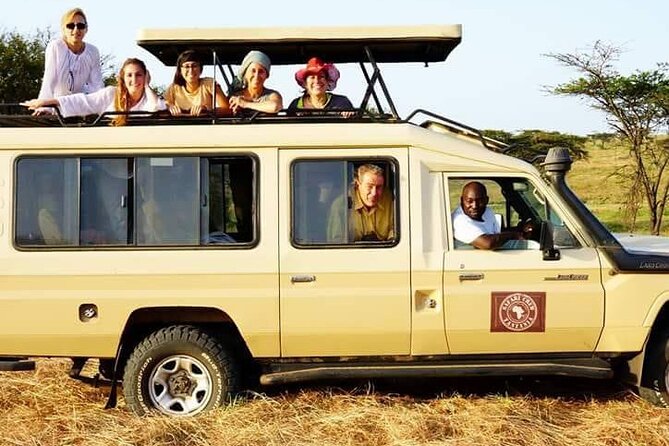
After the broader Serengeti time, the Mara area is where the story sharpens. The Great Migration is described as affecting the northern Serengeti between July and October, and the Mara region is part of where those herds gather.
This is also where the safari’s geography becomes a tool. The description highlights how volcanic soils limit tall trees in much of the Serengeti, so you’re in a more open setting. Open sightlines don’t guarantee big sightings, but they do improve your odds of seeing animals from longer distances during drives.
What you’ll likely feel on this portion is a mix of tension and excitement. The herds are in motion, and the driver is constantly adjusting the route based on where activity looks strongest. If you enjoy wildlife photography, the open environment can help you capture the “broad scene” look, not just close-up frames.
Lake Natron: flamingo nesting in alkaline Rift Valley country
Lake Natron is a totally different kind of safari day. It’s a strongly alkaline lake, formed in a Rift Valley depression, sitting in far north Tanzania in a rugged lava desert area. The scale here is easy to picture: the lake is about 50 km long and about 25 km wide.
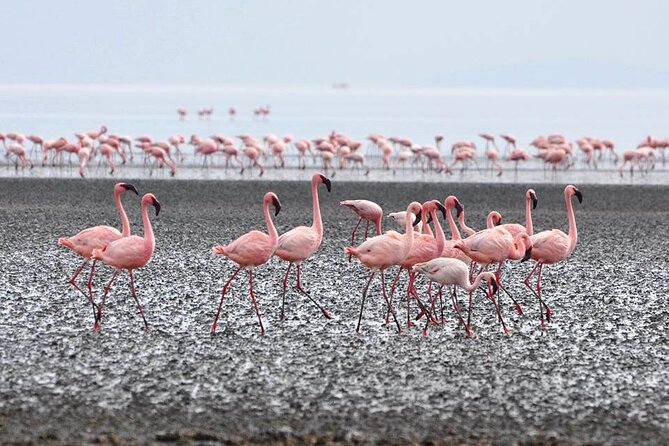
This is where the flamingo story becomes real. Lake Natron is described as the usual nesting area for millions of pink flamingos, especially during the dry season June to October, when cyanobacteria in the lake waters are concentrated. In other words, the season you choose matters here. This is not a year-round “guarantee flamingos” kind of stop.
The good news is that Lake Natron also brings drama beyond birds. The area is extremely arid with lava-desert terrain, so even when you’re not focused on flamingos, the scenery has strong character for photos and for just taking in the Rift Valley feel.
Possible drawback: it’s a harsher setting than many lush parks. You’ll want to treat sun protection and water seriously.
Oldoinyo Lengai and Engare Sero: the walk that adds a human layer
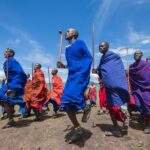
Most safari days are all about vehicles and viewing. This one adds a feet-on-ground moment, and it’s specifically tied to Oldoinyo Lengai. This volcano is described as sacred to the Maasai people, who consider it the home of God Leng’ai. The summit is almost 3,000 meters, and it’s noted as the only volcano in the world to emit natro-carbonatitic lava.
In the afternoon, you’ll walk along the Engare Sero stream through a narrow rocky gorge to a waterfall where swimming is possible. The trek isn’t described as difficult, but it does involve conditions that can get wet: sometimes you walk with your feet in water, which can reach up to knee height. The practical guidance is clear: bring a bathing suit and non-slip shoes.
This stop is valuable because it breaks the “classic safari circuit” feeling. You still get the scenery and wildlife-adjacent atmosphere, but you also get a closer look at how the land and water move through a rocky Rift environment.
Tarangire National Park: baobabs, elephants, and a river-shaped day
Tarangire is the day that makes the North feel complete. It’s described as a different environment than the rest of the northern parks, and it has the “park of the giants” reputation for good reason.
The park is about 2,600 sq km and the river system is the real engine. The description calls Tarangire the hub of life because during the dry season the Tarangire River and the nearby Silale Marsh become some of the only available water sources. That’s exactly when animals show up in stronger numbers near the water.
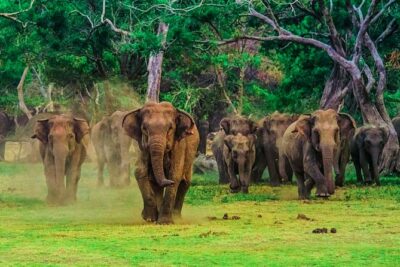
You’ll also have strong chances for the “signature Tarangire” mix: colossal baobabs and large herds of elephants, plus lions, leopards, wildebeest, zebras, buffalo, and a lot of birdlife (about 500 species, described as the highest concentration in Tanzania). If you’re hoping for a big-photo day that’s different from crater scenery and migration plains, this delivers.
A fair consideration: Tarangire can feel more “river and animal concentration” than “wide-open migration chaos.” If that sounds like what you want, great. If you only care about migration, this may feel like a contrast day rather than the main act.
Comfort, food, and transport: what’s included and why it matters
This is a private safari, with only your group participating. That matters more than it sounds. It means you’re not stuck with a pacing mismatch. It also means fewer compromises about when you stop for photos or where you position for sightings.
You’ll travel in 4×4 safari vehicles with full board. The package lists water on board and includes meals across the days: breakfast (7), lunch (8), and dinner (7). Park fees and transfers are also included, along with AMREF insurance. Those last two points are “quiet value” items. You don’t want a safari where you’re constantly doing paperwork or pay-at-the-gate surprises.
Also note the foot excursion element we discussed earlier. That means comfort isn’t just about lounging at the lodge. It’s about packing for real terrain: grip for wet rock, layers for sun and wind, and the willingness to get a bit dirty for the most memorable moments.
Price and value: what you’re paying for in this 8-day loop
At $4,974 per person for around 8 days, this isn’t a budget safari. What helps justify the price (based on what’s included in the package) is that you’re paying for the whole system: private transport, safari circuit driving in 4×4, full board, park fees, and insurance (AMREF). The route also covers multiple major environments, which usually increases logistics and access.
You should also be clear about what’s not included. International and local flights, the entry visa, drinks at lodges, and personal extras aren’t listed as included. So the real cost is price plus the parts of the trip you handle yourself.
One more value tip: this itinerary is designed so you’re not only chasing the migration. You also get Ngorongoro Crater and Tarangire, plus Lake Natron and Oldoinyo Lengai. That mix gives you a better shot at feeling like your safari had multiple “genres,” not just one.
Guides and on-the-ground organization: why it affects your sightings
Wildlife safaris depend on more than luck. Organization affects where you spend your best hours and how calmly you deal with long drives, early starts, and changing conditions.
From past feedback tied to this operator, guide names such as John, Naftal, and Beni show up with praise for strong guidance and an easy, patient way of answering questions. The operation is also described as meticulously planned, which you’ll feel in how smoothly days connect from one park to the next.
Even with a great guide, I’d still treat this as a safari where the schedule is a tool, not a promise. The herds move. Animals appear and disappear based on water and grazing. The best guide helps you read the landscape fast and make smart choices without rushing you.
Who should book this North Tanzania Great Migration safari
This is a great fit if you want:
- Great Migration season in the North Serengeti between July and October
- A full northern circuit that includes crater wildlife and Tarangire elephants
- Lake Natron flamingos during June to October
- At least one active element (the Engare Sero walk, possibly swim-ready)
It may be less ideal if you:
- Want a purely comfortable, no-mud, no-wet day. The Lake Natron walking experience involves standing in water at times.
- Travel when flamingo and migration timing is outside the windows described above.
- Are looking for a super short trip with minimal driving. This is an 8-day loop with multiple major stops.
Should you book it?
If Great Migration in northern Serengeti is on your bucket list, this safari has the right bones: time in the northern region during the described season, a full day in the Ngorongoro Crater for concentration wildlife, and a strong secondary story at Lake Natron. The added walk near Oldoinyo Lengai gives you something more than a standard drive-and-watch day.
I’d book if you’re comfortable planning around seasonal wildlife timing and you pack for wet feet and non-slip traction. I’d hesitate if you’re booking in the wrong season or you strongly prefer trips with zero hiking/wading.
FAQ
How long is this safari?
It’s listed as 8 days (approx.).
Where does the safari start and end?
The trip is based in the Arusha / Moshi area, with departures starting from Arusha (for Lake Manyara) and returning to Arusha for lunch and transfer to either Kilimanjaro Airport or Arusha Airport.
Is pickup offered?
Yes, pickup is offered.
Is this a private tour?
Yes. It’s described as a private tour/activity, and only your group participates.
What’s included in the price?
The package includes private transportation, 4×4 safari circuit, full board, transfers, park fees, AMREF insurance, and water on board, along with meals (breakfast, lunch, dinner). All fees and taxes are included.
What’s not included?
The tour does not include international and local flights, entry visa, drinks/lodge extras, and personal extras.
When is the best time for Great Migration and Lake Natron flamingos?
The Great Migration is described as affecting the northern Serengeti between July and October. Lake Natron is described as a key flamingo nesting area especially during the dry season June–October.