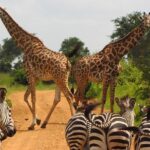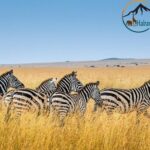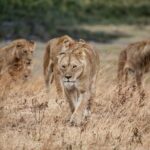
Elephants, lions, and big skies in one week. This mid-range safari is built for game viewing in four major parks, using a pop-up roof 4×4 so you can film and photograph without fighting for window space. I also like how the trip is paced as a true wildlife circuit, not a rushed checklist.
The main trade-off is simple: you’re signing up for long days on the road and in the parks, often around 10–12 hours, plus an 8:00 am start. If you’re not a fan of early mornings or you prefer slower travel, this schedule may feel like a workout.
In This Review
- Key things I’d zero in on
- Entering Arusha First: easy start, optional add-ons, and a smooth transfer
- Tarangire National Park: elephants, baobabs, and birding that surprises
- Lake Manyara: tree-climbing lions, green rift valley water, and 450+ bird species
- Serengeti, twice: endless plains energy and a better shot at the big action
- Ngorongoro Conservation Area and the crater tour: concentrated wildlife and Maasai land use
- What the 7-day pace really feels like (and how comfort is handled)
- Price and value: why $2,760 can make sense for this route
- Who this safari fits best (and who should adjust expectations)
- Booking with Kiwoito Africa Safaris: what stands out from real-world service patterns
- Should you book this 7-day mid-range Tanzania wildlife safari?
- FAQ
- Where does this safari start?
- What parks are included in the 7 days?
- What’s included in the price?
- What is not included?
- Is this a private tour?
- What if I need to cancel?
Key things I’d zero in on
- Pop-up roof 4×4 safari vehicle for better angles at lions, giraffes, and birds
- Four standout parks in 7 days: Tarangire, Lake Manyara, Serengeti, Ngorongoro
- Packed-lunch style safari days so you lose less time to stops
- Planner and guide support is repeatedly praised, including names like Charles, Evaline, and Jesca
- Serengeti has two full days so you’re not relying on one game drive
- Crater day in Ngorongoro for the close-up feel of big wildlife in a concentrated setting
Entering Arusha First: easy start, optional add-ons, and a smooth transfer
Day 1 is all about getting your Tanzania footing. You land at Kilimanjaro International Airport, then meet the representative for transfer to your hotel. There’s also an 8:00 am start time noted for the overall experience, so if you like to hit the ground running, you’ll fit right in.
What I like here is the low-friction opening. Airport anxiety is real, and having pickup and drop-off handled keeps your first day calmer. You’ll also have time for a short city tour or a few extras depending on what you’re curious about, like museums or even Chemka Hot Springs.
A practical tip: if you have jet lag, keep your optional plans light. The safari portion gets active fast, and you’ll want a clear head on Day 2 when Tarangire wildlife starts doing what it does best.
You can also read our reviews of more tours and experiences in Moshi.
Tarangire National Park: elephants, baobabs, and birding that surprises
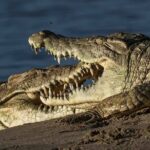
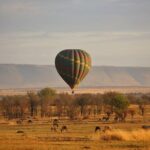
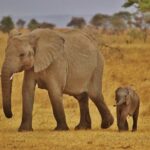
Tarangire is one of those parks where you can feel the wildlife all around you, even when you’re not looking at a herd. The big theme is elephants—often in strong numbers—plus the park’s iconic baobab trees that give the scenery a very distinct look.
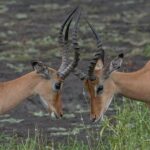
This day is built around a game drive after breakfast. In the dry season, the Tarangire River becomes a dependable water source, which is huge for animal sightings. You might see giraffes, zebras, wildebeest, hippos, buffalo, baboons, and a range of antelopes. It’s also a strong stop for birds, with 400+ species recorded, and even rarer types like Greater Kudu and wild dogs are part of what people hope to spot.
Why this matters for your trip: elephants tend to make a safari feel real fast. They’re not only dramatic to watch—they also set the tone for the day. And baobabs mean your photos won’t look like every other safari photo set.
Possible drawback: this is a full wildlife day, and the best sightings often come when you’re patient. If you want constant action every minute, you might find yourself bargaining with time and attention. Still, Tarangire is one of the most reliable parks in Tanzania for getting value out of your hours.
Lake Manyara: tree-climbing lions, green rift valley water, and 450+ bird species
After breakfast, you’ll head to Lake Manyara National Park, with lunch boxes to keep the day flowing. This park sits along the steep western wall of the Rift Valley, and the key detail is underground water feeding the forest—so it tends to stay green through the year.
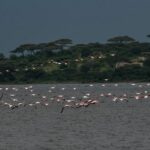
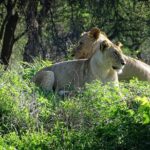
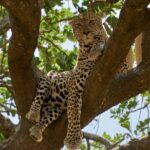
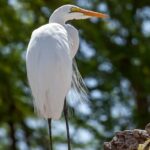
Lake Manyara is famous for its tree-climbing lions, and you’ll also be in the right zone to spot olive baboons, herds of elephants, buffalo, zebras, wildebeest, giraffes, hippos, and klipspringer. On top of that, there’s a major birding angle: 450+ bird species, including flocks of flamingos and other birds that can make your game drives feel like a nature documentary.
What I’d tell you to do: take the birding portion seriously. Even if you mainly care about the big mammals, Manyara can reward you for slowing down and scanning. The park is greener than many others, so there’s more to see between the sightings.
Optional add-ons are listed for the area around Karatu, like a local market, a treetop walkway, or a cultural tour. If you add any of these, do it knowing they’re trade-offs against rest. Manyara is already a long day, so don’t stack too many extras unless you’re feeling strong.
Serengeti, twice: endless plains energy and a better shot at the big action
Serengeti is where this safari starts to feel like the main event. You’ll travel in from the Karatu side through Ngorongoro Conservation Area and do an en-route game drive before spending the afternoon in Serengeti proper.
Then you get a second full day in Serengeti, focused on photo safari time with packed lunch boxes. Two days matters. One game drive can be great. Two increases your odds of hitting a wider range of animal behavior—morning feeding patterns, afternoon movement, and different predator-prey moments.
Serengeti’s claim to fame is the southern grass plains and the way wildebeest and zebras can show up in large numbers during the Great Migration season. The seasonal part is important: the trip is designed to support migration viewing, but your actual sightings depend on the time of year.
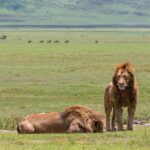
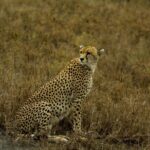
The park is also described as one of Tanzania’s largest, and it’s known for high wildlife variety, including the chance for big game animals and carnivores. In plain terms: you’ll spend a lot of time on the move looking for patterns. If you enjoy the hunt for meaning in animal behavior—who’s following whom, what changed since last hour—this is your park.
Practical expectation setting: Serengeti doesn’t guarantee the same moment at the same time for everyone. What it does guarantee is a wildlife-rich environment where long drives often pay off.
Ngorongoro Conservation Area and the crater tour: concentrated wildlife and Maasai land use
Day 6 is Ngorongoro Conservation Area, with picnic boxes and a crater tour. This is the day that changes the safari “feel” the most, because the crater setting can put many animals in closer visual range than you might expect.
Ngorongoro is described as a multiple land use area where Maasai pastoralists share the ecosystem with wildlife. It’s also part of the wider Serengeti ecosystem, and the calving period is highlighted as a best time for wildlife viewing between December and April—especially around Ndutu.
The Ngorongoro Crater itself is described as the largest unbroken and non-flooded caldera in the world. The crater formed after a volcano collapsed on itself, and that creates the kind of natural bowl where animal density can become the story. Depending on season, you can see many antelopes very close, plus the possibility of big game and the famous animals associated with the region.
Here’s the key value for you: crater tours tend to reduce your “search area.” Instead of covering huge distances for glimpses, you’re watching a system where animals may appear repeatedly across the day.
A consideration: crater days can still be long and involve lots of seating time. You’ll want sunscreen and water habits dialed in. The good news is the safari includes mineral water and tea and coffee during safari time, and meals are handled for you.
What the 7-day pace really feels like (and how comfort is handled)
This tour is priced and structured as mid-range, and the comfort choices match that goal. You’ll travel in a pop-up roof safari vehicle for the game drives, plus comfortable mini-van transfers from airports to hotels. The goal here is practicality: pop-up roof means easier spotting and better views without changing where you sit every few minutes.
Private transportation is part of the package, and it’s described as a private tour/activity with only your group participating. That’s a big deal in wildlife travel. You’re less likely to waste time waiting on other groups or getting pulled in different directions.
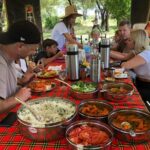
Daily meals are included: breakfast (6), lunch (6), and dinner (6), plus mineral water and tea and coffee during safari. For long park days, having lunch boxes matters. It keeps momentum, and it reduces the chances that your day gets chopped into awkward gaps.
Overnights are in budget tented camps or hotels (the exact style can vary), with three meals per day included. That keeps the safari focused on wildlife rather than constant extra budgeting.
Price and value: why $2,760 can make sense for this route
At $2,760 per person, this safari isn’t cheap in the way backpackers imagine. But it also isn’t trying to be a bare-bones DIY trip. The value comes from what’s included.
From what’s listed, you’re covering:
- 4×4 safari vehicle use with a pop-up roof for park time
- airport transfers
- private transportation
- park fees and all taxes inclusive
- accommodation in tented camps/hotels
- three meals per day during the safari
- mineral water and tea/coffee during safari
- flight tickets from Zanzibar to Arusha Airport, go and return (if your plan includes this transfer leg)
When you price this kind of trip yourself, the costs that add up fast are park fees, vehicle/ranger logistics, and arranging reliable lodging with correct timing. If you want a smooth wildlife circuit and you’d rather not coordinate every moving part, this package can feel fair.
One note to keep you from surprises: alcohol and soft drinks are not included. If you’re someone who plans on drinking daily, factor that into your personal budget.
Who this safari fits best (and who should adjust expectations)
This is a strong fit if you:
- want a classic Tanzania wildlife route: Tarangire → Manyara → Serengeti (twice) → Ngorongoro
- like having enough time in Serengeti to actually get patterns, not just one lucky drive
- prefer a private setup so your day runs on your group’s rhythm
- want meals and key costs handled so you can focus on wildlife
It may be less ideal if you:
- struggle with long days and lots of time in the vehicle
- want a trip with minimal early mornings
- need lots of downtime between drives
The tour asks for moderate physical fitness level, which is a good reminder that this is not a sit-straight-easy vacation. You’ll be on uneven ground around lodges and in safari settings, and you’ll be spending many hours outdoors.
Booking with Kiwoito Africa Safaris: what stands out from real-world service patterns
When people praise local safari operators, it usually comes down to two things: communication that doesn’t drop off, and drivers/guides who know where to go.
In the feedback I reviewed, Kiwoito Africa Safaris comes through as responsive and organized. Names like Charles (owner) and office support such as Jesca and Evaline show up in how people describe planning and quick help when questions come up. On the safari side, guides like Feston, Abu, Senyaeli, and Sofiane are mentioned for steering the day and keeping it moving toward sightings.
Even if you don’t get the exact same guide mentioned in feedback, you can still use that pattern to choose well: this company’s reputation is tied to guide expertise and follow-through, not just the idea of a safari.
Should you book this 7-day mid-range Tanzania wildlife safari?
Yes, if you want a solid wildlife circuit with enough time in Serengeti to matter, and you’d rather trust park logistics, meals, and key costs to be handled. The included structure—private transport, pop-up roof vehicle, park fees, and meals—leans practical, which is what you want for a week where your “main activity” is searching for animals.
Skip it or re-think the fit if you hate long days in motion. This trip can feel like a steady rhythm: drive, scan, stop, repeat.
If you tell me your travel month and whether you’re combining Zanzibar before or after, I can suggest the best time windows for migration-style wildlife moments and how to plan your days to reduce fatigue.
FAQ
Where does this safari start?
The experience starts at Kilimanjaro International Airport. Airport pickup and transfers are included.
What parks are included in the 7 days?
You’ll visit Tarangire National Park, Lake Manyara National Park, Serengeti National Park, and Ngorongoro Conservation Area (for the crater tour).
What’s included in the price?
The package includes airport transfers, private transportation, a pop-up roof safari vehicle for game drives, accommodations with 3 meals per day, mineral water, tea and coffee during safari, park fees, taxes, and all taxes inclusive. It also includes flight tickets from Zanzibar to Arusha Airport, go and return.
What is not included?
Travel insurance is not included. Alcoholic and soft drinks are not included. Masai village or cultural tour activities are also not included.
Is this a private tour?
Yes. It’s a private tour/activity and only your group will participate.
What if I need to cancel?
You can cancel up to 24 hours in advance of the experience’s start time for a full refund. If you cancel less than 24 hours before, the amount paid is not refunded.