REVIEW · MOSHI
Tanzania Luxury Safari
Book on Viator →Operated by Savannah Explorers · Bookable on Viator
Land Cruisers, lions, and real comfort. This 6-day Tanzania luxury safari from Moshi strings together Tarangire, Serengeti, and Ngorongoro Crater in a tight route, with a guide who stays with you and a game-drive setup that’s built for spotting.
Two details I really like are unlimited mileage during game drives and a 4×4 safari vehicle (Land Rover or Toyota Land Cruiser) with a pop-up roof, binoculars, fridge, inverter, plus complimentary drinks and water in the jeep. One consideration: the days are long and you’ll spend hours on the road between parks, so it helps to be comfortable with an active schedule.
Also, do check what’s included before you plan your flights: the tour starts with pickup/transfer arrangements around Kilimanjaro, but international flights aren’t included. The pricing also comes with a strict no-change, no-refund approach once booked—so make sure your dates are firm.
In This Review
- Key highlights that matter before you go
- Moshi, the gateway, and why this route works
- The safari vehicle: what “luxury” looks like here
- Day 1: Arrive, transfer to Arusha, and get oriented
- Tarangire National Park: elephants, baobabs, and predator odds
- Serengeti days: the big savannah work and the hippo break
- Ngorongoro Crater: the animal density payoff
- Day 6: Karatu for a soft landing back to Arusha or Kilimanjaro
- Meals and drinks: when comfort prevents safari fatigue
- AMREF Flying Doctors: real peace of mind built in
- Price and logistics: whether $5,500 is a good deal
- Guides and service: the human side that shows up in reviews
- Who should book this safari, and who might want a different plan
- Should you book this Tanzania Luxury Safari?
- FAQ
- What is the duration of the Tanzania Luxury Safari?
- Where does this safari start?
- Does the tour include airport pickup?
- Which parks and areas are visited?
- Are meals included?
- Is there a picnic lunch?
- What kind of safari vehicle is used?
- Is unlimited mileage included?
- What insurance is included?
- What is not included in the price?
Key highlights that matter before you go
- Unlimited mileage keeps game drive time flexible, especially when sightings pop up
- Pop-up roof + binoculars help you scan fast and get better views without leaning over constantly
- Full-board meals with picnic lunches and mineral water keeps your day rolling
- AMREF Flying Doctors insurance (500 km radius) is included for air medical evacuation
- Tailor-made planning means the route can be shaped around what you care about most
- Group discounts and a private setup help you balance comfort with cost
Moshi, the gateway, and why this route works
Moshi puts you close to the Kilimanjaro area, and that matters on a safari that starts with transfers right away. On Day 1, you’re picked up at Kilimanjaro Airport and sent to Arusha by private car for an overnight in town. That first night is a practical buffer: instead of rushing straight into parks, you get time to reset and meet your safari team.
Then the trip stacks the big-name wildlife zones. You’ll hit Tarangire, spend major time in Serengeti, and end with Ngorongoro Crater—one of the most consistently rewarding places for animal density. The tradeoff is distance: the itinerary includes long transfer days, like the push from Tarangire toward Ngorongoro/Serengeti. If you hate car time, this specific routing may feel like a sprint. If you like getting the key sights out of the way, it’s efficient.
You can also read our reviews of more tours and experiences in Moshi.
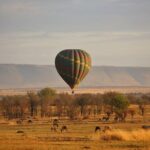
The safari vehicle: what “luxury” looks like here
This safari’s comfort isn’t just a fancy word. You’ll travel in a 4×4 Land Rover or Toyota Land Cruiser with a pop-up roof. That matters because it changes how you spot animals. When you can lift up and scan from a better height, you spot movement sooner, and you waste less time bouncing around trying to get sightlines.
Inside the vehicle, the setup includes binoculars, a fridge, and an inverter, plus complimentary drinks and water. In hot, dusty conditions, that small mix of cold drinks, reliable water, and power to run small electronics can make a big difference to your mood on long game drives.
You also get a professional guide with you throughout the safari. That full-time presence is one of the biggest practical upgrades: you’re not stuck waiting for someone between stops, and the guide can keep translating the landscape into real wildlife behavior—where to look, what you’re seeing, and what to expect next.
One more detail worth noting: the safari offers early morning game drives. Early starts aren’t everyone’s favorite, but they can pay off because wildlife activity often shifts with light and temperature.
Day 1: Arrive, transfer to Arusha, and get oriented
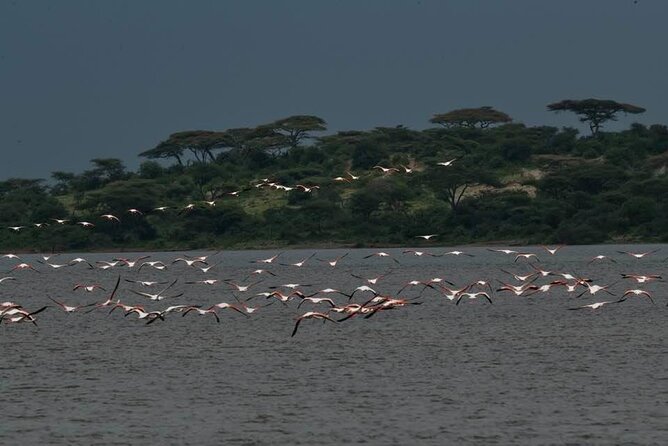
Day 1 is built to be low-stress. After pickup at Kilimanjaro Airport, you’ll transfer to Arusha by private car for an overnight. If you have time, you can do a town tour with your safari guide; otherwise, you can relax at the lodge.
This part of the itinerary is smart for two reasons. First, it helps you avoid the common mistake of arriving exhausted and trying to “win” the safari day right after landing. Second, having a guide around right away can speed up orientation so you understand how game drives will work before you’re deep in the parks.
Tarangire National Park: elephants, baobabs, and predator odds
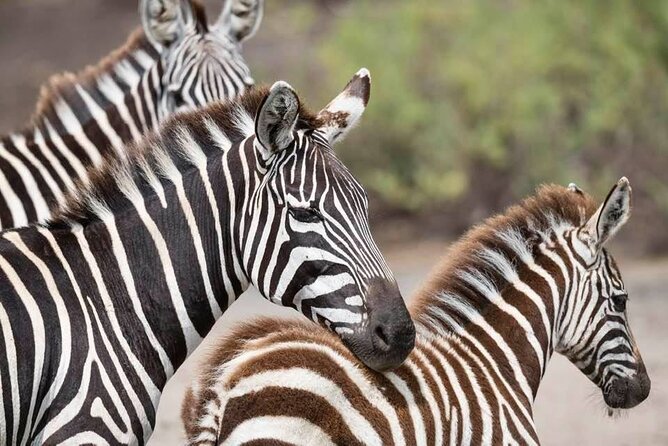
On Day 2 you’ll transfer about two hours from Arusha to Tarangire National Park. Then you’ll do a full game drive with a picnic lunch. Tarangire is known for big herds of elephants, huge baobab trees, and a strong predator presence. Translation: you’re not just chasing single sightings—you can often get repeated wildlife moments in the same general area.
The river crossing element is also a key reason this park can feel active. When animals concentrate around water, your chances improve for both elephants and the species that hunt around them. Tarangire often works as a “warm-up” park for the rest of the trip. It gets you into the rhythm of game drives without the pressure of trying to see everything in one day.
A practical note: Day 2 is listed as about 8 hours on safari. That’s plenty of time to feel like you’re doing more than just a quick loop, but it also means you should bring sun protection and expect heat.
Serengeti days: the big savannah work and the hippo break
Day 3 begins with a longer transfer (listed at about 4 hours) from Tarangire through Ngorongoro Highlands to the Serengeti gate, where your game drive starts. Then you’ll have a picnic lunch as the day plays out. That day is listed as about 8 hours total in-park time.
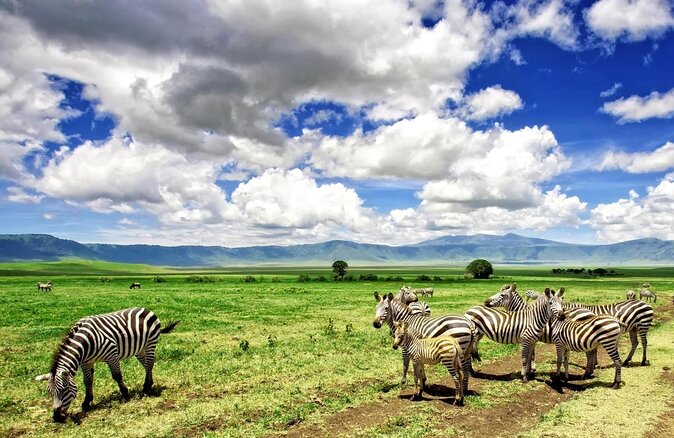
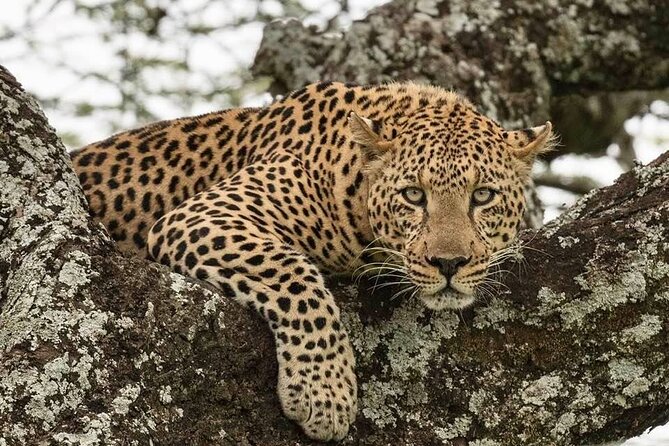
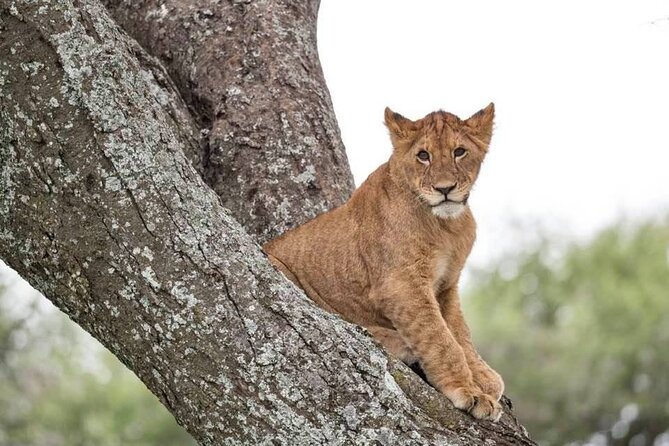
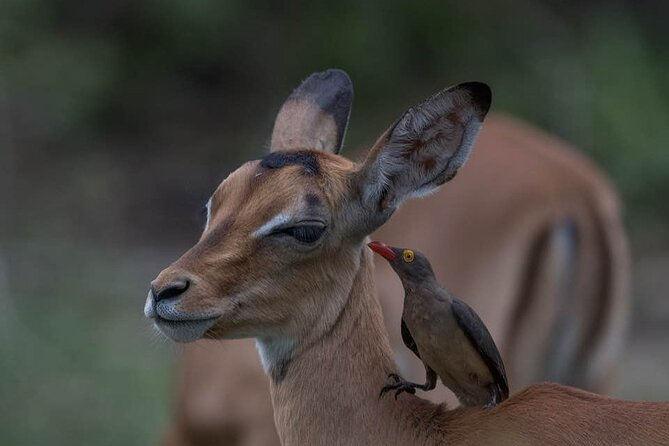
Serengeti is the main event. You’re dealing with a massive stretch of savannah where lions, leopards, cheetahs, giraffes, elephants, and more are possible. The reason Serengeti deserves its reputation is simple: wildlife doesn’t just appear once. When you’ve got enough time, you often get multiple chances.
Day 3 also includes a Serengeti Hippo Pool stop for about 1 hour, where you can see hippos. This is a nice change of pace during a safari heavy on open plains. Hippos can be surprisingly good for close, steady viewing compared to fast-moving predators on the hunt.
Day 4 is more Serengeti. After breakfast, you continue game driving in the park for about 10 hours. That’s a long day, but it’s also where the safari’s “luxury” format pays off. When you’re not rushed, your guide can react to what’s happening: a new sighting, better light, or a location that gives you more time to watch behavior rather than just spotting silhouettes.
Ngorongoro Crater: the animal density payoff
Day 5 brings the big payoff. You’ll drive to Ngorongoro Conservation Area, descend into the Ngorongoro Crater for a game drive, and enjoy a picnic lunch. This day is listed at about 7 hours.
The crater is famous for high animal density. That phrase matters because it changes your odds. Instead of hoping you stumble on wildlife across a broad area, you’re working in a natural bowl where many species tend to show up in predictable ways. You’ll also see the conservation aspect: the Ngorongoro Conservation Area is described as a project where the Maasai and their livestock live alongside wild animals.
One thing to keep in mind: descending into the crater can mean changes in temperature and visibility, even within the same day. Pack for layers, even if you expect warmth up top.
Day 6: Karatu for a soft landing back to Arusha or Kilimanjaro
After breakfast on Day 6, you’ll transfer toward Karatu (listed as a stop) and then on to Arusha or Kilimanjaro Airport (about 2–3 hours). This final day is lighter. You’ll either relax at the lodge or have time for shopping, then wrap up and head out.
That matters because after several long wildlife days, you don’t want a hectic final push. A calmer exit helps you keep the safari feeling like a trip, not a marathon.
Meals and drinks: when comfort prevents safari fatigue
This is a full-board safari with meals included (breakfasts, lunches, and dinners). You’ll also get mineral water and complimentary drinks during the days out on safari.
Picnic lunches are part of the plan, which is a big practical win. Instead of constantly driving back and forth to a lodge, you stay in position, keep your timing aligned with animal activity, and avoid the “we’ll eat quickly somewhere” feeling that can steal a safari day from you.
On a long route like this, good hydration and consistent meals are not perks. They’re what keep your focus sharp for longer game drives.
AMREF Flying Doctors: real peace of mind built in
One of the smartest “luxury” additions here is the included AMREF Flying Doctors insurance for air medical evacuation service within a 500 km radius. Safari travel has real remoteness. If something goes wrong, having this safety net built in is comforting, and it can make planning feel less stressful.
This doesn’t replace common-sense travel precautions, but it does add a layer of seriousness to the overall package.
Price and logistics: whether $5,500 is a good deal
At $5,500 per person for approximately 6 days, this is not a budget safari. So the question is value: what do you actually get for the money?
From what’s included in this package:
- a private safari setup (your group only)
- a 4×4 Land Rover or Toyota Land Cruiser with pop-up roof, binoculars, fridge, inverter
- unlimited mileage during game drives
- full-board meals, including picnic lunches
- AMREF air medical evacuation insurance
- park admissions listed as free in several places, plus specific included admission stops (like hippo pool and crater game drive)
For many people, the biggest value is the combination. A lot of “luxury” safaris cut corners on one area: they skip insurance, or they limit drive flexibility, or they make meals feel like an afterthought. Here, the package leans into comfort + time in the parks.
That said, two cautions before you commit:
1) international flights are not included, so your total trip cost will be higher than the safari price alone
2) the route is intense with long driving windows, so you want to match your own energy level to the schedule
Guides and service: the human side that shows up in reviews
The operation behind this safari includes a roster of guides that clients have praised by name: Gerry, Emmanuel, Thomas (Uncle T), Modi, Raymond, Daniel, David, Cosmos, Ismail, Mukhusini, and Augustin. That’s a strong sign that service isn’t just scripted—it’s delivered by specific people who know how to keep a day running smoothly.
What I find practical about the good-guide reputation is that it affects your safari outcomes. A strong guide helps you:
- read animal behavior and movement
- choose where to position the vehicle for better viewing
- keep timing on track across multiple park areas
And when the team can customize—this safari is described as tailor-made—you’re more likely to get a plan that matches what you personally care about, whether that’s predators, elephants, or the crater.
Who should book this safari, and who might want a different plan
This safari fits you best if:
- you want real comfort in the vehicle (not just a nicer room at night)
- you care about maximizing game drive time, especially with unlimited mileage
- you want a route that covers Tarangire + Serengeti + Ngorongoro in a focused 6 days
- you value included safety support via AMREF Flying Doctors
It may feel like too much if:
- you dislike long transfer days and long in-park drives
- you’re looking for a slower pace with more downtime between parks
- your schedule is fragile and you need flexible changes (since this booking approach is strict after purchase)
On the plus side, one review specifically highlighted how well this kind of safari worked for a family with young boys, which suggests the guiding and planning style can handle different group needs.
Should you book this Tanzania Luxury Safari?
If your priority is a high-comfort, high-focus wildlife circuit—with a pop-up roof vehicle, unlimited mileage, full-board meals, and included medical evacuation coverage—this is a strong fit. The pricing isn’t cheap, but it’s easier to justify when so many essentials are built into the package and the schedule is aimed at big wildlife moments.
Book it if you have firm dates, you’re okay with long days on the move, and you want the classic Tanzania highlights in one tight loop. Pass or consider a different duration if you want more breathing room between parks or you’re still uncertain about flight timing and travel dates.
FAQ
What is the duration of the Tanzania Luxury Safari?
The tour duration is listed as approximately 6 days.
Where does this safari start?
It starts at Mount Kilimanjaro, Tanzania, with a start time of 8:00 am.
Does the tour include airport pickup?
Yes. Pickup is offered, and Day 1 includes pickup at Kilimanjaro Airport with a transfer to Arusha.
Which parks and areas are visited?
You’ll visit Tarangire National Park, Serengeti National Park (including a hippo pool stop), and Ngorongoro Crater in the Ngorongoro Conservation Area. You also overnight in Arusha and spend time in Karatu at the end.
Are meals included?
Yes. Breakfast (5), lunch (5), and dinner (5) are included, along with mineral water and complimentary drinks.
Is there a picnic lunch?
Yes. Picnic lunches are included on the game drive days listed in the itinerary.
What kind of safari vehicle is used?
You travel in a 4×4 Land Rover or Toyota Land Cruiser with a pop-up roof, binoculars, fridge, inverter, and complimentary drinks and water on the jeep.
Is unlimited mileage included?
Yes. The safari includes unlimited mileage during game drives.
What insurance is included?
AMREF Flying Doctors insurance is included for air medical evacuation service within a 500 km radius.
What is not included in the price?
International flights are not included.