REVIEW · MOSHI
3-Day Ngorongoro Crater Manyara and Tarangire Safari from Arusha
Book on Viator →Operated by Cubs Expeditions Limited · Bookable on Viator
A safari with big payoffs starts early. This 3-day camping route links Tarangire, Ngorongoro Crater, and Lake Manyara with game drives, picnic lunches, and meals handled for you. I especially like how the day-by-day structure keeps you searching for wildlife (elephants, baobabs, and even the hope of lions in odd places), and how cooks like Halidi and Filippo show up prepared with the included food plan. The main drawback to plan around: you’re not guaranteed sightings of every highlight, and the leopard often stays hidden.
You’ll be in a small group (max 15), which makes it easier to hear the guide’s animal explanations and get time in the best viewing spots. Expect long days too: about 10 hours on safari days, plus the early start from the Arusha/Moshi area. If you want a calm, slow vacation with late mornings, this one may feel like a sprint.
Still, for the money, this is a practical way to see three classic Tanzania areas without wrestling logistics. At $700 per person, you’re paying for park access, transportation, and the full “on-the-ground” setup, not just a seat in a vehicle. If you’re okay with camping and early mornings, this is a strong value play.
In This Review
- Key Points Before You Go
- Why This 3-Day Camping Safari Works for First-Time Park Fans
- The Pace: Pickup at Dawn, Long Safari Days, Campside Evenings
- Day 1: Tarangire National Park’s Baobabs and Elephant Energy
- Day 2: Ngorongoro Crater and the Descent That Sets the Mood
- Day 3: Lake Manyara’s Full Day Game Viewing and the Return to Arusha
- Guides, Spotting, and Why Small Groups Matter
- Camping Equipment and Meals: The Stuff That Actually Impacts Your Comfort
- Price and Value: Is $700 a Fair Deal?
- Who Should Book This Safari, and Who Might Want Another Style?
- Should You Book This Tour?
- FAQ
- Which parks are included on this 3-day safari?
- What time does the safari start?
- Where will I stay overnight?
- Are meals and drinks included?
- What is not included in the price?
- Can I cancel for a full refund?
Key Points Before You Go
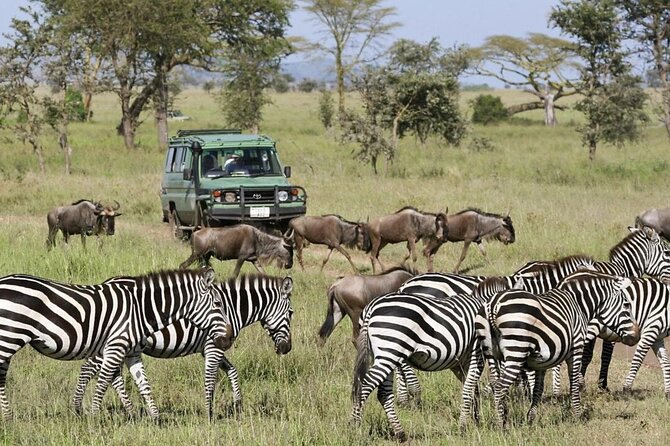
- Three parks, three days: Tarangire, Ngorongoro Conservation Area, then Lake Manyara
- Max 15 travelers: easier group movement and more time with your driver-guide
- Meals and drinks included: breakfast, lunch (picnic style), and dinner are part of the package
- Camping equipment is included: you’re not sourcing gear last-minute
- Game drives built into every day: not just transit time, you’re out looking for animals
- Guides and drivers focus on spotting: people like Ely, Abdul, Joshua, Gabriel, Omari, and Godwin have been cited for sharp eyes and helpful guidance
Why This 3-Day Camping Safari Works for First-Time Park Fans
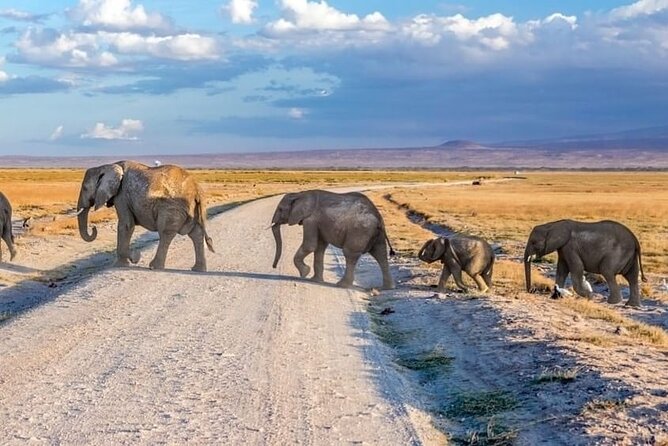
If you’re short on time in Northern Tanzania, this is the kind of plan that makes sense. You get a full sweep of three very different wildlife settings: Tarangire’s famous scenery, Ngorongoro’s crater bowl, and Lake Manyara’s varied habitat.
What I like here is the “all logistics handled” approach. You’re not negotiating park entry, buying day-by-day tickets, or figuring out transport between ecosystems. The itinerary is built so the drive time is paired with actual game viewing, and the vehicle is there when the sightings happen.
You also get a real group feel without going huge. With up to 15 people, it still feels social, but it doesn’t turn into a moving crowd where your driver can’t hear you or where your questions get lost.
You can also read our reviews of more tours and experiences in Moshi.
The Pace: Pickup at Dawn, Long Safari Days, Campside Evenings
The start time is 6:00 am, which matters. Even if the plan has you leaving Arusha around 8:30 am on Day 1, that early pickup window is how they get you into position for a productive game drive day.
Each day is roughly 10 hours in the schedule. That means comfort breaks matter, and you’ll want to pack snacks and water for yourself beyond what’s included, just in case. The good news: the plan is not “drive all day, look for animals later.” It’s designed around full-day searching, with picnic lunches included.
At night, you’re sleeping at campsites with camping equipment provided. The package is set up so you can focus on the wildlife, then rest once the day is over. Camping isn’t the same thing as a hotel, but the included setup keeps you from having to solve the gear problem.
Day 1: Tarangire National Park’s Baobabs and Elephant Energy
Your first full game drive day starts after breakfast, with pickup in the Arusha area and a drive into Tarangire National Park. The day is built for a long wildlife session, with a picnic lunch planned during the drive rather than as a rushed stop.
Tarangire is often loved for two reasons your driver can actively search for: elephants and the visual drama of baobab trees. That combination matters because it increases your odds of meaningful sightings. If you’re the type who loves not only animals but also the stage they perform on, Tarangire delivers.
What to expect day one is also about rhythm. Day 1 is when you’ll likely get your “eyes tuned in” to how this safari operates: scanning for movement, stopping when there’s a track or group behavior, and letting the guide talk you through what you’re seeing.
A practical note: you’ll be tired by late afternoon. The plan has you moving to the campsite for dinner and overnight after the day’s game viewing, so it’s not an open-ended evening. That predictable wind-down is a plus when you’re doing three days in a row.
Day 2: Ngorongoro Crater and the Descent That Sets the Mood
Ngorongoro is the headline for a lot of people, and the structure of this trip puts you in the crater for real viewing time. After an early breakfast, you drive into the Ngorongoro Conservation Area and then descend into the crater floor.
That descent isn’t just scenic theater. It changes how animals behave and where you can spot them. In a crater setting, wildlife can feel concentrated, and the terrain gives you different viewing angles than the open parks.
You’ll have picnic lunches planned during the day, then return to the campsite for dinner and overnight in the afternoon. That matters because it keeps you from burning time wandering between meals and viewing sessions.
Wildlife reality check: the leopard is a popular “big idea” for people coming to Ngorongoro. In the tour’s past experiences, some guides were able to find many animals fast, but a leopard sighting still may not happen. Go in with a flexible mindset, and you’ll enjoy the sightings you do get without feeling like you missed a checklist item.
If you care about animal behavior, Ngorongoro is a great day for that. Even when the big predator you hoped for is absent, you’ll often see enough activity—feeding, guarding, migration-related movement—to keep your guide’s explanations worth listening to.
Day 3: Lake Manyara’s Full Day Game Viewing and the Return to Arusha
On Day 3 you head to Lake Manyara National Park, again with a full day of game viewing. The day starts with breakfast, and then you collect picnic lunches from the cook before driving into the park.
That small detail is helpful. It keeps you out of the vehicle for a minimum amount of time and helps your day flow smoothly, especially if you end up with a late-day sighting. You’ll be positioned for another long wildlife session, then you return to Arusha around 5 pm for drop-off.
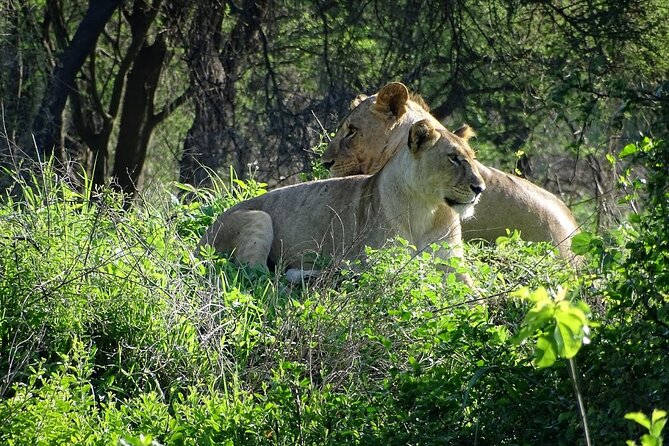
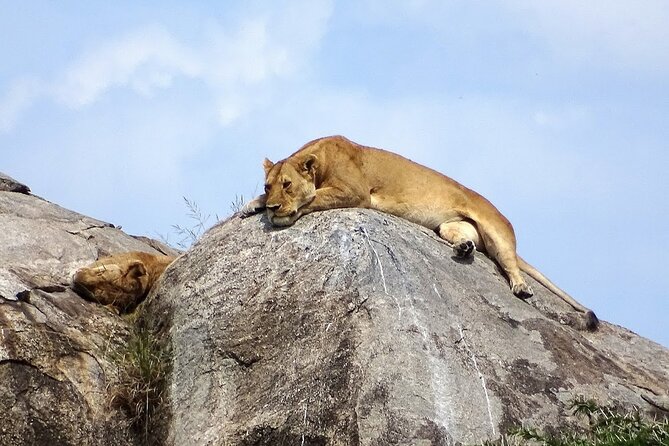
Lake Manyara is known for its mix of habitats. The tour info specifically points you to chances like lions climbing trees. Whether that exact behavior happens while you’re there is part of the wildlife mystery, but the park’s reputation does mean you should stay alert for unusual lion sightings and the guide’s quick calls.
This is the day that often feels like your safari is finishing strong. By now you’ve learned what kinds of stops your driver makes, how they communicate with the group, and where you should place your attention when they slow down.
When you’re back in Arusha around 5 pm, you’ll have time to reset. You’re not facing an all-night transit puzzle, which makes this three-day plan easier to fit into an overall itinerary around Mount Kilimanjaro or your next Tanzania stop.
Guides, Spotting, and Why Small Groups Matter
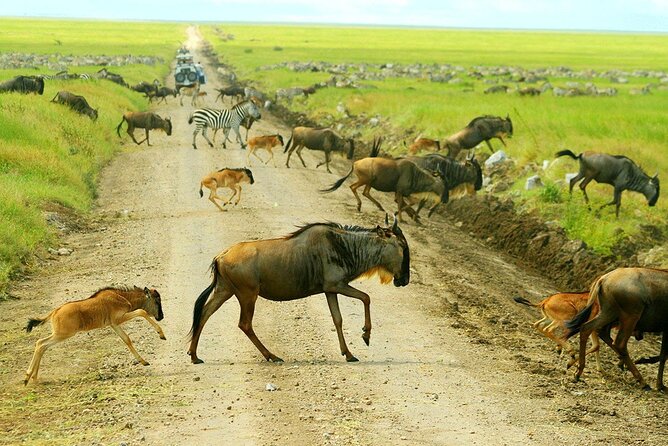
The safari is only as good as the person behind the wheel and the person explaining what you’re seeing. In this tour’s record, guides like Ely, Abdul, Joshua, Gabriel, Omari, and Godwin have been recognized for being informative and for spotting animals effectively.
One trend stands out: drivers and guides here don’t just drive. They actively search, stop when they spot something worth your time, and help you understand animal behavior rather than just pointing at movement. That is where the safari becomes more than a photo line.
I also like that this tour supports a group size that stays manageable. With a maximum of 15 travelers, you can actually hear instructions and respond to guide questions. On bigger safaris, you can end up watching from the side while the front of the vehicle gets all the attention.
If you’re a solo traveler, the past experience on this route also includes being added into a group without drama. That’s valuable because it can lower costs while still keeping the service level practical.
And if you’re coming with your own photo goals, you may meet a guide who leans into helping with photos. Ely has been mentioned for acting like a personal photographer in past trips, which tells you the driver-guide style can include more than wildlife talk.
Camping Equipment and Meals: The Stuff That Actually Impacts Your Comfort
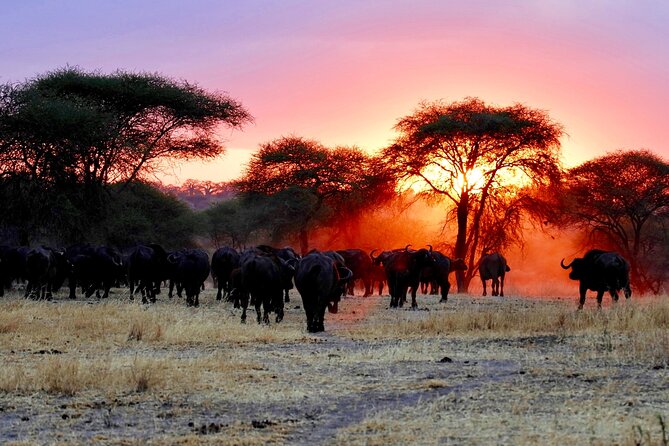
Camping can be a make-or-break part of a safari. The good news is this trip includes camping equipment, so you’re not carrying gear or scrambling to rent tents and basics in Tanzania.
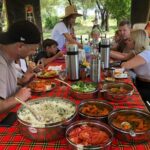
Then there’s the food plan. This safari includes breakfast (3), lunch (3), dinner (3), plus drinks. That’s not a small detail. In long park days, food can either keep you energized or turn your trip into a cranky slog.
Cooks like Halidi and Filippo have been praised for good cooking, with Halidi specifically noted for tasty, well-prepared food. When a safari includes the cook and keeps the meal schedule consistent, you spend less mental energy worrying about where to eat and more energy scanning for wildlife.
Picnic lunches also help. Instead of hunting for a place to eat at the worst possible time, you’re already set up for game drives. You can keep your attention on animals rather than food logistics.
Practical packing tip: with included meals, you still should bring a few comfort items of your own. A warm layer for early mornings, sunscreen for daytime, and a headlamp for campsite evenings are the kind of small things that make camping feel easier.
Price and Value: Is $700 a Fair Deal?
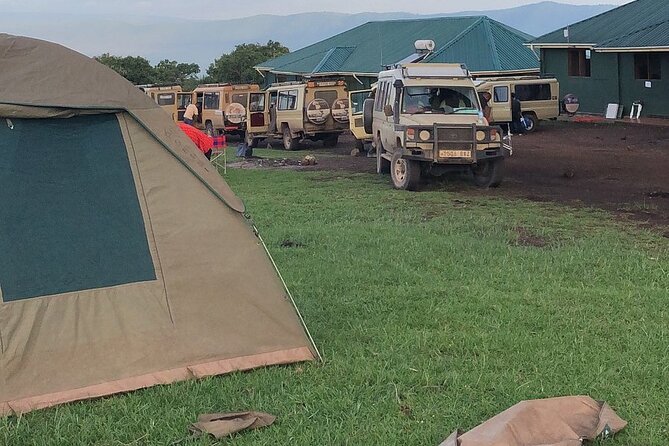
At $700 per person, the value here is in what’s included. You’re paying for park fees, all transportation, game driving, admission tickets, camping setup, and the meal plan for all three days.
That matters because safaris are easy to underestimate. If you tried to build this trip yourself, you’d likely spend time and money on park entry, vehicle costs, guide service, and meals. Here, the package bundles those costs into one line item.
Also, this is a group safari with group discounts built in and a cap of 15 people. That structure can lower the per-person cost while keeping the experience personal.
What’s not included is also clear. International flights and tips are not part of the price. In other words, you’ll budget for getting to Tanzania and for gratuities at the end. If you prefer to handle tipping as a separate line item, this setup keeps that simple.
One more value point: this is often booked well ahead (on average around 149 days). That suggests availability can move, so if you have firm dates around Mount Kilimanjaro or other plans, locking in early can help you avoid last-minute scrambling.
Who Should Book This Safari, and Who Might Want Another Style?
This trip is ideal for you if you want:
- Three major Northern Tanzania parks in a tight timeframe
- A small group format with a real guide
- Included meals and camping equipment so you travel lighter
- A classic wildlife mix: elephants, crater viewing, and Lake Manyara’s habitat variety
It’s a tougher fit if you:
- Want a fully hotel-based trip
- Hate early mornings (start time is 6:00 am)
- Prefer short safari days or minimal driving
If you’re traveling as a couple, you’ll like the shared experience and the manageable group size. If you’re solo, it can be a solid way to meet people without losing the benefits of a small group format.
And if you’re a wildlife-focused traveler, the route keeps you in search mode each day. You’re not doing a sightseeing tour where animals are an occasional bonus. You’re doing a safari with game viewing built in.
Should You Book This Tour?
Yes, if you want an efficient, good-value safari that covers Tarangire + Ngorongoro + Lake Manyara with minimal hassle. The included structure—transport, park fees, camping equipment, and meals—means you can spend your energy on wildlife spotting and enjoying the parks rather than managing logistics.
I’d book it if you can handle three full days and the reality that sightings are never guaranteed. If you’re coming with the leopard or Big Five as a must-have, keep expectations flexible. You may still see plenty of animals, and your guide’s spotting skills are clearly part of the tour’s appeal.
If you want a low-stress first safari with a small group, this is a practical match. Just go in ready for early mornings, long drive days, and the best kind of mystery: the next sighting is always one turn of the vehicle away.
FAQ
Which parks are included on this 3-day safari?
You’ll visit Tarangire National Park, the Ngorongoro Conservation Area (including Ngorongoro Crater), and Lake Manyara National Park.
What time does the safari start?
The experience has a 6:00 am start time. Day 1 departs Arusha town at 8:30 am for Tarangire.
Where will I stay overnight?
Overnights are at campsites. The tour also includes all accommodation and camping equipment.
Are meals and drinks included?
Yes. The package includes breakfast (3), lunch (3, picnic style), and dinner (3), plus drinks.
What is not included in the price?
The tour price does not include international flights and tips.
Can I cancel for a full refund?
Yes. You can cancel up to 24 hours in advance of the experience’s start time for a full refund. If you cancel within 24 hours of the start time, the amount paid is not refunded.