REVIEW · MOSHI
4 days adventure camping safari
Book on Viator →Operated by safari soles tours · Bookable on Viator
Few places feel more like Africa than this. You’ll get a camping safari style trip across Tanzania’s Northern Circuit, with game drives timed for dramatic wildlife moments, plus time at the Ngorongoro Crater and Serengeti. I especially like the way the plan mixes Tarangire, Serengeti, and Ngorongoro so you don’t see the same scenery twice, and I like that a strong crew handles both guiding and cooking so you can focus on the sightings. The main drawback to know up front: you’re sleeping in mobile tents and driving long hours in a safari jeep, so this is adventure-focused, not a comfort-hotel break.
The big win here is logistics done right. Pickup is offered, and the safari jeep includes a pop-up roof, cooler fridge, and charging ports, which makes early mornings and long drives easier on your body. Many past guests also reported fast, flexible communication from the team (people have worked with coordinators like Bryson), plus guides such as Simon, Chadi, Jeff, and Chedy who kept the pace under control and explained what you were seeing. If you’re sensitive to rugged conditions, you’ll want to mentally set expectations for camping nights and dusty park roads.
The schedule also aims for the moments you’ll remember: sunrise and sunset drives and the chase for harder-to-spot animals like black rhinos. You won’t be guaranteed a single species on any safari, but the route is built to maximize your odds across multiple ecosystems. Just be aware that at least one optional cultural stop (the Maasai village) can add a separate entrance fee.
In This Review
- Key Things That Make This Safari Worth Your Time
- Moshi to the Northern Circuit: The Route That Changes Every Day
- Tarangire National Park: A Full Day for Big Cats and Thick Herbivore Action
- Ngorongoro Crater Viewpoints and the Optional Maasai Village Stop
- Serengeti Afternoon to Sunset in Seronera: When Predators Start Timing You
- Early Drive Days in Serengeti and the Move to Simba Campsite
- Black Rhinos on Day 4: What the Crater Floor Means for Your Chances
- Camping Gear, Pop-Top Jeeps, and Meal Support That Makes Roughing It Work
- Price and Value: What $1,650 Covers (and What You Should Budget Extra)
- Wildlife Chances, Big Five Targets, and Realistic Rhino Expectations
- Who This Safari Suits Best (And Who Should Rethink It)
- Should You Book This 4-Day Adventure Camping Safari?
- FAQ
- What national parks are included in this 4-day safari?
- Is camping equipment included?
- Are meals included in the price?
- Are sunrise and sunset game drives part of the experience?
- Do I need to pay extra for the Maasai village visit?
- Is the $1,650 price supposed to cover park fees and taxes?
- What wildlife does the safari focus on?
- Can I cancel for a full refund?
Key Things That Make This Safari Worth Your Time
- Sunrise and sunset game drives that put animals into the light you want for real viewing
- Mobile camping tents so you sleep close to the action without needing a lodge
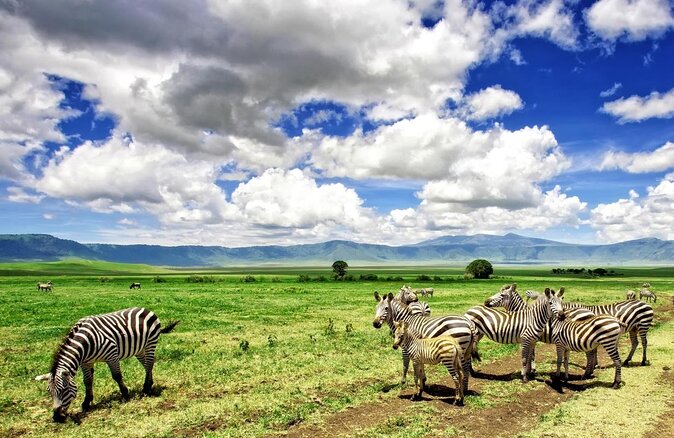
- Tarangire all day with targets like lions, cheetahs, leopards, and plenty of elephants and other herbivores
- Ngorongoro Crater from two angles, including a viewpoint and later a rhino-focused descent
- Real crew support, including guides reported by name (Simon, Chadi, Jeff, Chedy) and chefs/cooks such as Action and Geoffrey
- Food and water handled for you, with bottled water throughout and multiple meals included
Moshi to the Northern Circuit: The Route That Changes Every Day
Moshi is your staging point for the Northern Circuit, and the smart move here is that the safari doesn’t just repeat one park. Tarangire, the Serengeti, and Ngorongoro each have their own feel and animal patterns, so the trip stays interesting even after the first long drive day.
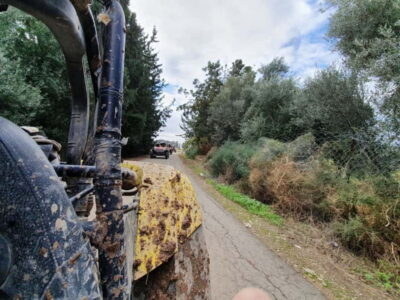
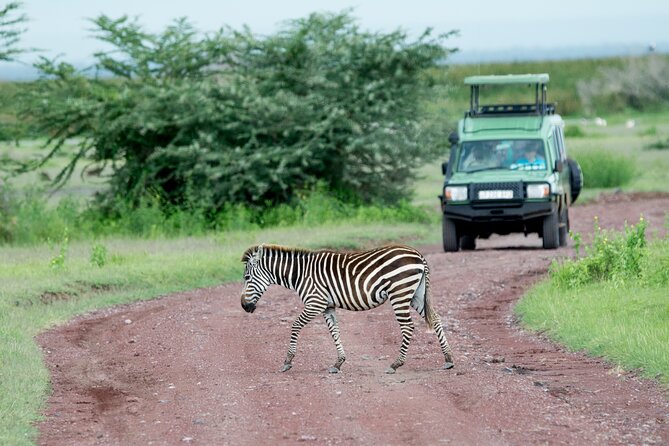
You’ll also spend most of your time in a 4×4 safari jeep with a pop-up roof. That matters more than people think. It makes it easier to spot animals while you’re moving, and it keeps viewing comfortable even when the road is bouncing. Add charging ports and a cooler fridge, and you can keep your phone power and water/cold drinks sorted, which is a big deal on a multi-day camping trip.
Lastly, the timing seems designed around wildlife rhythm. You don’t just arrive, drive, and repeat. The plan includes sunrise and sunset game drives because that’s when many animals are more active and the light is less harsh.
You can also read our reviews of more tours and experiences in Moshi.
Tarangire National Park: A Full Day for Big Cats and Thick Herbivore Action
Tarangire is a strong Day 1 choice because it’s the kind of park where you can rack up sightings without constantly changing plans. This day runs about 9 hours and is built around a full day game drive, aimed at predators such as lions, cheetahs, and leopards, with herbivores like elephants, wildebeest, buffaloes, zebras, and gazelles in the mix.
What I like about this setup is the focus. A full day gives your guide time to reposition as animals show up, rather than chasing a strict checklist. You also get a smoother ramp into safari life. You’ll be learning sighting patterns, practicing scanning for movement, and getting used to the jeep routine.
A practical consideration: long safari days mean you’ll want to be comfortable in a seated vehicle for hours. The pop-up roof helps you see, but the day is still physically demanding. If you’re doing this with a child or someone who gets travel-worn quickly, plan breaks during the stops you’re given and keep hydration steady.
Ngorongoro Crater Viewpoints and the Optional Maasai Village Stop
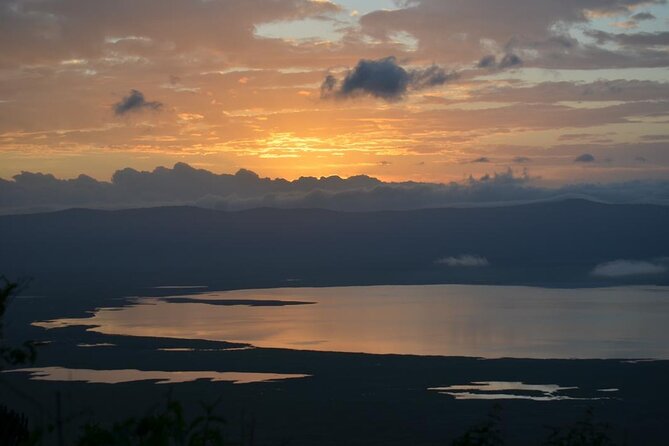
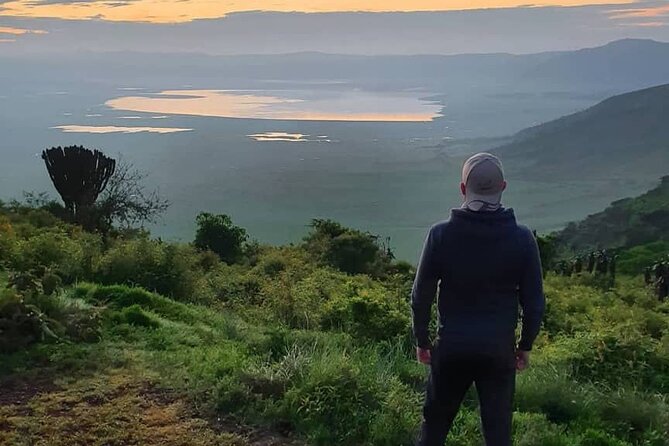
Ngorongoro is the centerpiece, and this experience treats it with attention. You get a first look from the Ngorongoro viewpoint, for about 20 minutes, where the crater’s scale hits you fast. From the viewpoint, it’s more about the big picture: you’re seeing a giant caldera system that funnels wildlife and weather patterns into one bowl.
Then you descend to the crater area in a second segment that also includes an optional cultural stop. The Maasai village visit is about 45 minutes, and it’s optional, with a $20 entrance fee that is not included.
Here’s the honest value of that cultural add-on. You’ll learn about Maasai life as it’s practiced today, and you’ll hear stories about warrior traditions and hunting narratives. The tour description also notes that some older practices are in the past, while others remain part of the culture. If your priority is wildlife only, you can skip it and spend that time resting or staying focused on the crater drive.
One caution: cultural stops can be emotionally intense for some visitors because they’re often presented through lenses of tradition. If you’re sensitive to that, go in with curiosity rather than expecting a modern museum-style explanation.
Serengeti Afternoon to Sunset in Seronera: When Predators Start Timing You
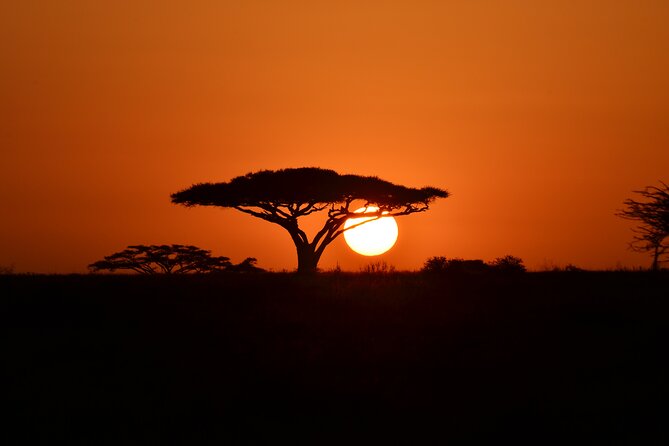
The trip shifts to Serengeti on Day 2, arriving in the afternoon and doing a game drive in Seronera (the central Serengeti area) through late evening. The day’s structure is long, about 12 hours, and it’s designed around a key moment: sunset in Serengeti.
That timing helps because many predator sightings happen when visibility and animal movement line up. You may catch action like hunting or feeding if the timing clicks, and even when you don’t see a kill, you often see something almost as good: stalking behavior, groups shifting direction, or sudden attention from herbivores.
You’ll then head to the camp site around Seronera. The experience notes that you can still view animals from camp mostly hyenas, and that there’s close protection from active rangers so it’s not meant to feel unsafe. This is a big part of why camping safaris feel different. You’re not insulated behind lodge walls—you’re in the ecosystem.
Small drawback: hyenas and other wildlife noises can be loud at night. That’s normal here. If you sleep lightly, you’ll want to accept that you’re camping in the wild, not in a quiet neighborhood.
Early Drive Days in Serengeti and the Move to Simba Campsite
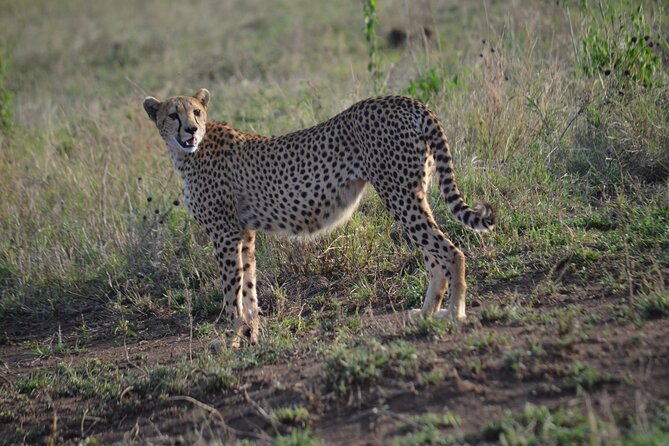
Day 3 starts with an early breakfast and then another early game drive in Serengeti, continuing to afternoon. That day is also about 12 hours, and the rhythm is very safari-true: morning for activity and positioning, afternoon for persistence.
This is when patience often pays off. Early driving tends to bring you the highest chance of seeing animals moving between grazing areas and water sources. Even when sightings slow down, your guide can often steer you to places where animals are likely to be.
After lunch, you’ll do a park drive while exiting and then head to Simba campsite. The plan also notes that animals can be spotted around campsites. So even during breaks in driving, you may be watching the savanna rather than fully disconnecting.
A practical note from an experience like this: long hours mean you’ll feel tired in your body even if the scenery stays amazing. The best way to enjoy Day 3 is to keep your routines simple: hydrate, eat the meals provided, and accept that some drives will be quiet before the action.
Black Rhinos on Day 4: What the Crater Floor Means for Your Chances
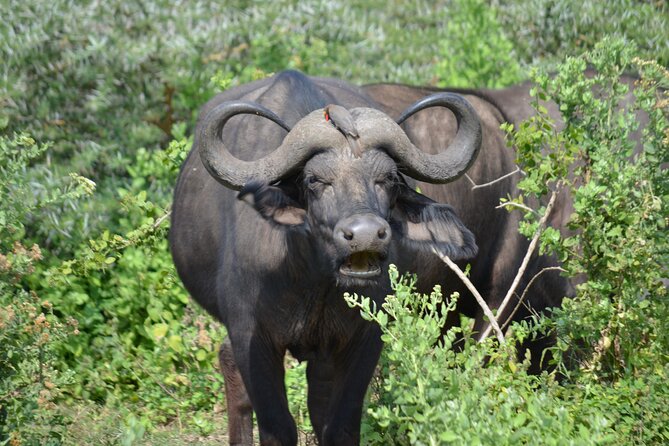
Your final day brings the Ngorongoro focus back, and it’s the rhino day. After an early breakfast, you descend the crater aiming to find black rhinos. The description is very clear that black rhinos are the hardest to spot in the crater because many animals are easier to spot on the floor of the caldera.
That detail matters for expectations. This is a targeting day, not a promise day. Still, the crater setting can increase your odds because many other animals are visible across the floor area, which helps you read the terrain and animal patterns while you wait for the elusive ones.
After lunch, you’ll do a game drive and ascend back toward camp. Then you pack and head back to Arusha town. Day 4 is about 7 hours, which feels shorter mainly because you’re coming down from the crater and tying off the safari.
If you really want a single animal as a must-see, black rhinos are the one to treat with respect. You might get lucky quickly, or you might spend time searching. Either way, the crater drive is still one of the most memorable parts of Tanzania’s safari circuit.
Camping Gear, Pop-Top Jeeps, and Meal Support That Makes Roughing It Work
Camping safaris can feel like two different experiences: the wilderness part and the logistics part. This one does a lot right on logistics.
Included in the experience:
- Camping equipment
- A professional safari guide
- A 4×4 safari jeep with pop-up roof, cooler fridge, and charging ports
- Bottled water throughout the trip
- Meals: Breakfast (3), Lunch (4), Dinner (3)
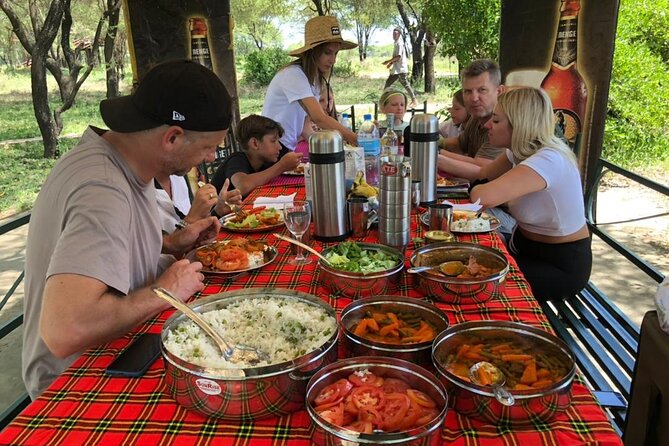
That meal structure is more useful than it sounds. You’re not trying to hunt for food after a long drive. The counts also suggest you’ll have solid coverage across all driving days, including days with longer stretches where you’d otherwise be stuck with snacks.
The jeep features matter too. A cooler fridge is a small comfort that turns into big comfort after a hot drive. Charging ports keep your mapping and camera use less stressful.
On the crew side, names show up in past experiences that hint at how well the operation runs. Guides like Simon, Chadi, Jeff, and Chedy are described as patient and able to explain what’s happening. Cooks/chefs such as Action and Geoffrey are mentioned as preparing excellent meals. That kind of teamwork is what turns camping from a chore into a real safari rhythm.
Price and Value: What $1,650 Covers (and What You Should Budget Extra)
At $1,650 per person, this isn’t the cheapest option. The question is whether you’re paying for convenience and real inclusions, or just for branding.
Here’s what you do get for that price:
- Camping gear
- A professional guide
- A 4×4 safari jeep with pop-up roof, cooler fridge, and charging ports
- Bottled water
- All fees and taxes
- Multiple meals across the trip
So you’re not paying separately for the core pieces that usually add up fast: transport, guiding, park-related costs, and food.
What’s not included is also clearly stated:
- Tipping
- The Maasai village entrance fee ($20) if you choose that optional stop
- Anything personal outside meals and bottled water
Also note the tour summary says group discounts, and the experience is described as a private tour/activity. At the same time, some past guests have described it as a joined group. That inconsistency is worth handling in one quick message to the operator before you lock in plans: ask whether your specific departure is private-only or shared with other people.
Wildlife Chances, Big Five Targets, and Realistic Rhino Expectations
The highlights call out big-five opportunities, and the day-by-day plan includes predator-focused driving in Tarangire and a black rhino target at Ngorongoro.
From a practical standpoint, you should think in probabilities, not guarantees. The experience gives you multiple chances across different parks:
- Tarangire for predators plus lots of herbivores
- Serengeti for predator timing around sunset and active morning driving
- Ngorongoro for dense wildlife viewing from viewpoint and crater floor
The black rhino focus on Day 4 is the biggest reason this safari feels serious. Many safaris talk about rhinos in general terms. Here, the plan explicitly targets black rhinos and calls out that they’re tough to spot.
So what should you do as a visitor? Be ready to wait. When the guide stops for sighting potential, stay patient and keep your gear ready. The best safari photos usually come from calm people, not frantic people.
Who This Safari Suits Best (And Who Should Rethink It)
This is for adventure lovers who don’t mind rougher sleeping conditions and long time in a jeep. If you want a safari that feels like a real journey, with camping nights and wildlife as your constant soundtrack, you’ll probably love it.
It also fits families in the sense that the operator indicates most travelers can participate, and there are past mentions of families traveling with kids. Still, this is not a gentle sightseeing cruise. Long drives and early mornings are part of the deal.
If you’re the type who needs a quiet, climate-controlled room every night, then you’ll likely find camping stressful. The upside is that the experience includes your camping equipment, meals, and water support, so you’re not personally managing the biggest pain points.
Should You Book This 4-Day Adventure Camping Safari?
I’d book this if you want a Northern Circuit safari that feels active and well-run, without paying extra for the basics. The combination of Tarangire + Serengeti + Ngorongoro, the emphasis on sunrise and sunset drives, and the fact that camping gear, meals, and bottled water are included makes the price feel more justified than it looks at first glance.
I’d think twice if you hate camping sounds, dislike long drives, or need a strict comfort level. Also, if black rhinos are a non-negotiable must-see, go in ready for uncertainty while still chasing the best viewing setup.
My best advice: message the operator with two questions before you book—what your actual group size will be on your departure, and whether you’re planning to include the Maasai village stop. Clear answers let you match the trip to your own comfort and curiosity level.
FAQ
What national parks are included in this 4-day safari?
You’ll visit Tarangire National Park, Ngorongoro Crater, and Serengeti National Park over the four days.
Is camping equipment included?
Yes. Camping equipment is included, and the safari uses mobile tents under the stars.
Are meals included in the price?
Yes. The package includes Breakfast (3), Lunch (4), Dinner (3), plus bottled water throughout the trip.
Are sunrise and sunset game drives part of the experience?
Yes. The highlights specifically include sunrise and sunset game drives for more dramatic wildlife viewing.
Do I need to pay extra for the Maasai village visit?
The Maasai village visit is optional. The entrance fee is $20 and is not included.
Is the $1,650 price supposed to cover park fees and taxes?
The package includes all fees and taxes. However, the Maasai village entrance fee is called out separately as not included.
What wildlife does the safari focus on?
The safari highlights big-five wildlife opportunities, with Tarangire targeting predators such as lions, cheetahs, and leopards, and Ngorongoro aiming for black rhinos.
Can I cancel for a full refund?
Yes. You can cancel up to 24 hours in advance for a full refund, and the cancellation cutoff uses the experience’s local time.