REVIEW · MOSHI
7-Day Tanzania Odyssey Safari- High End Tour
Book on Viator →Operated by Gosheni Safaris (T) Limited · Bookable on Viator
A million wildebeest are dramatic even on paper. Add lions, cheetahs, and crocodiles to the mix, and this Tanzania route turns into a real-life survival story across big parks.
I like that the trip is built around prime wildlife zones (Tarangire, Ngorongoro Crater, Serengeti, and the Mara River) instead of rushed stop-and-go. I also like that you get private guiding with a professional driver/guide and day-long game drives, not just a quick drive-by.
One thing to consider: Mara River crossings depend on timing and luck. You’ll chase the river, but you should go with flexible expectations around when the big crossing happens.
In This Review
- Key Highlights You’ll Actually Care About
- A Safari Built Around Survival, Not Scenic Bus Stops
- Day 1: Arusha Pickup and a Settling-In Night at Arusha Coffee Lodge
- Tarangire National Park: Elephants, Baobabs, and the Tree-Climbing Lion Bonus
- Ngorongoro Crater: Picnic Descent and Strong Rhino-Predator Odds
- Central Serengeti: Game Drives and the Migration Story Window
- Mara Region: The Tough Luck-and-Patience Days
- Kogatende Airstrip Flight Day: Endgame Logistics Done with Minimal Stress
- Price and Value: What You’re Really Paying For
- Guides and Vehicles: Why the Right Driver Changes Everything
- What You Should Bring (So You Enjoy Long Days)
- Should You Book This 7-Day Tanzania Odyssey Safari?
Key Highlights You’ll Actually Care About
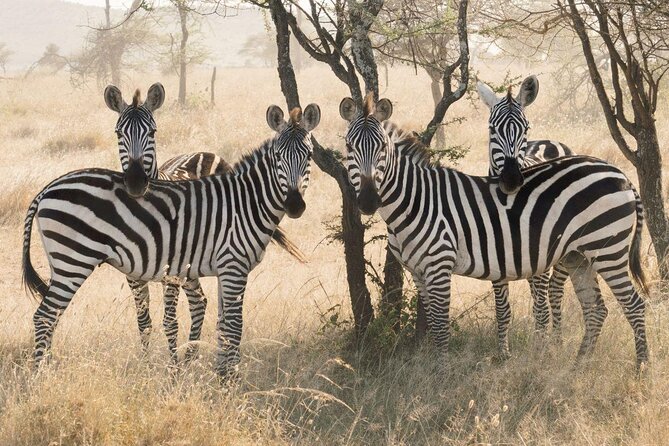
- Mara River crossings are the main event and the guide has to work hard for the best sightlines.
- Ngorongoro Crater is a “dense wildlife day” with standout odds for predators and the black rhino population.
- Tarangire’s elephants and baobabs make it feel different from Serengeti, even though it’s still pure safari country.
- Serengeti timing matters for migration and calving; July–October is when the story is strongest.
- You’re usually moving for full days, with picnic lunches and long game-drive time blocks.
- Private tour means your pace is your pace, and you’re not stuck with other groups’ plans.
A Safari Built Around Survival, Not Scenic Bus Stops
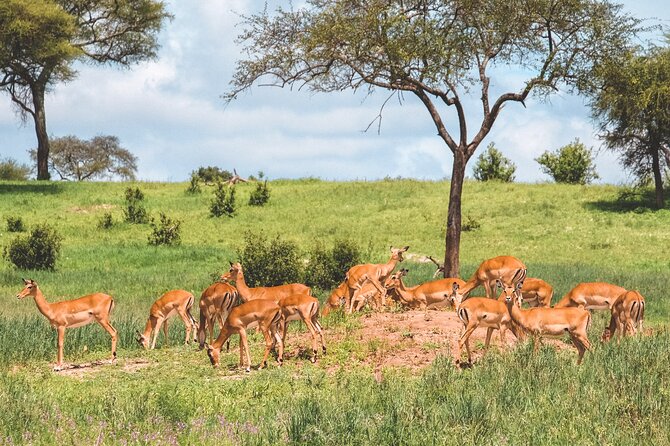
This is the kind of Tanzania safari where the scenery is there, but the plot matters more. You’re traveling through ecosystems that connect, so what happens in one area sets up what you’re looking for next. You start with iconic regions around Moshi and then focus on the wildlife “superhighways” where herbivores, predators, and scavengers all overlap.
The big idea you’re paying for is time in the right places. Two million wildebeest and the rest of the herd aren’t simply migrating for a photo. They’re moving toward water and survival, and predators follow their movement. That’s why lions and cheetahs matter. That’s why the Mara River matters. And yes, that’s why even a “normal” game drive often feels like it could turn into action at any moment.
You can also read our reviews of more tours and experiences in Moshi.
Day 1: Arusha Pickup and a Settling-In Night at Arusha Coffee Lodge
You’ll start with pickup by Gosheni Safaris staff from Kilimanjaro International Airport, plus a short briefing. Then it’s on to Arusha Coffee Lodge for your first night.
Why this first day is useful: Arusha is your buffer. It helps you get out of “jet lag mode” and into safari mode before the driving and early wildlife mornings start stacking up. You’re not trying to arrive, cram, and immediately chase a river crossing. You’re getting your bearings and getting your logistics sorted.
Practical note: your arrival timing matters here. If your flight lands late, ask your driver about how flexible the briefing and check-in timing can be. With safari tours, smooth starts set up smoother days.
Tarangire National Park: Elephants, Baobabs, and the Tree-Climbing Lion Bonus
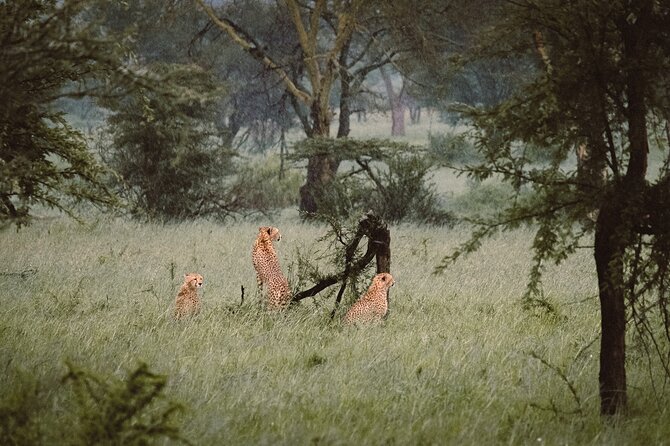
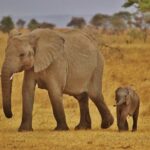
After breakfast in Arusha, you drive to Tarangire National Park, typically with most of a full day dedicated to wildlife. Tarangire is especially known for large elephant herds and baobab trees, including the famous Tree of Life vibe that locals attach to those huge trunks.
Here’s what makes Tarangire feel special in real life: it’s a different wildlife mood than Serengeti. The park is tied to the Tarangire River, which flows year-round and becomes a key water source in dry seasons. When water is stable, animals are more predictable—at least compared to parks where everything depends on luck and timing.
Then there’s the headline behavior: the park is known for tree-climbing lions. I won’t promise you’ll see one, but it’s the kind of detail that changes how you scan the landscape. When you’re looking for cats up in branches, you stop treating a safari as only ground-level sightings.
What to watch for on your drive here
- Elephant movement near water and shade
- Predator signs around groups of herbivores
- Baobabs as natural “where-to-look” markers during game drives
Ngorongoro Crater: Picnic Descent and Strong Rhino-Predator Odds
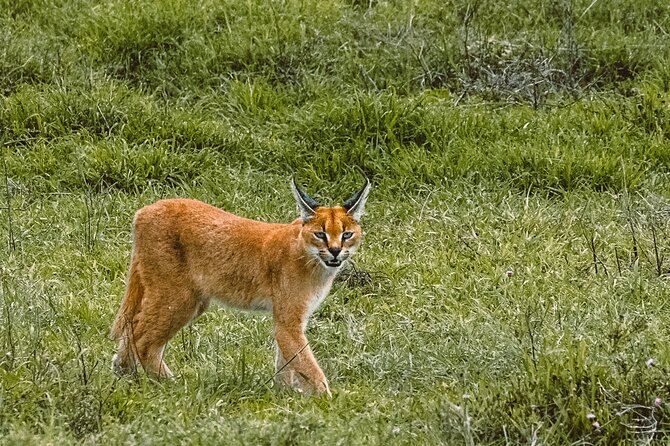
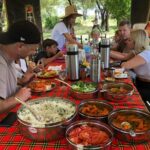
From Arusha’s general savanna feel, you move to one of Tanzania’s most dramatic wildlife settings: Ngorongoro Crater. The day includes a crater tour with a picnic descent to the crater floor.
Why Ngorongoro is a standout day: it’s a contained system. The crater holds a mix of habitats, and that concentration means you can rack up wildlife sightings in fewer minutes than you’d expect elsewhere. The route also has a specific promise built in: the area supports about 20 black rhinoceros and roughly 20,000 mammals overall.
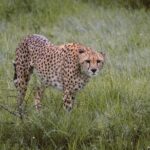
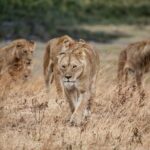
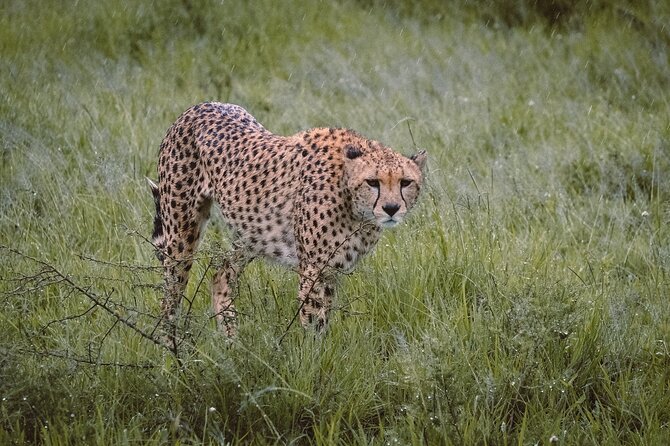
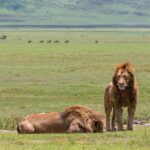
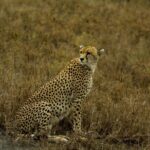
And yes, predators show up. The crater floor has some of the highest carnivore densities in the world, and you can commonly see lions, cheetahs, hyenas, and jackals. With luck, leopards, servals, and bat-eared foxes can also appear.
How to think about this day: Ngorongoro isn’t only about “seeing a rhino.” It’s about understanding how predators behave when prey is concentrated. You’ll get a front-row view of how hunting pressure shapes animal movement.
A small drawback you should plan for: the crater day is intense. Expect long hours and lots of scanning. If you’re the type who gets impatient during slow periods, bring a strategy: pick one animal group to watch (grazers, browsers, or predators) and stick with it rather than bouncing your attention every few minutes.
Central Serengeti: Game Drives and the Migration Story Window
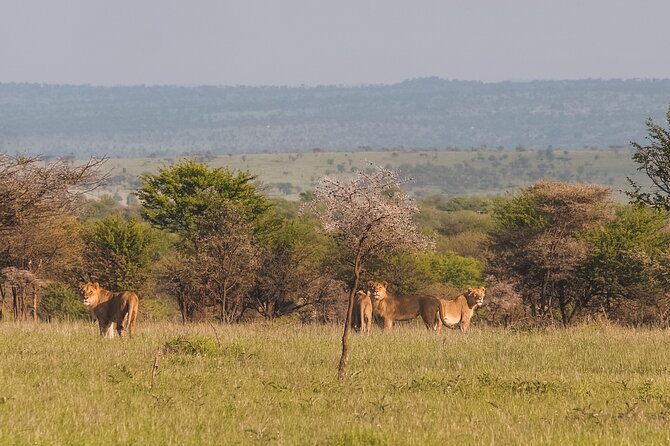
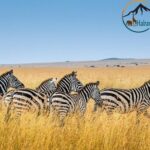
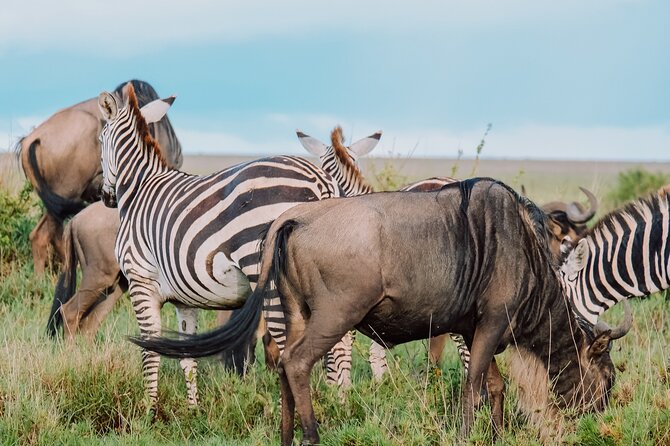
Next you head toward Central Serengeti National Park with a picnic lunch and game drive along the way. Serengeti is famous for the annual migration, including over 1.5 million wildebeest and hundreds of thousands of zebras, and for predator action around mating and territorial behavior from July to October.
This is also the moment when you get the “survival story” version of safari. The wildebeest produce more than 8,000 calves daily during the migration cycle before the long journey begins again. Calving is chaotic. Predators pick up on that chaos fast.
So what does this mean for you during your game drives? It means:
- you’re often driving in areas where animals are actively moving
- you’re more likely to see predator-prey tension
- sightings can be action-heavy, especially around the migration corridor peaks
One practical thing: the migration is timing-dependent. If you’re traveling outside July–October, you may still see tons of wildlife, but the “calving peak” energy and the specific herd pressure may look different.
Mara Region: The Tough Luck-and-Patience Days
After breakfast you drive to the Mara area for the great migration viewing. This is where the Mara River becomes the dramatic centerpiece. It’s not unusual to see herds cross north on one day, then back south a few days later.
Here’s the key reality: finding an actual crossing is challenging. Even in the right region, it can come down to luck and timing. You might see herds sitting close to the river, then they don’t commit until later days. In other words, you’re buying a higher chance, not a guarantee.
What makes Mara special beyond crossings is the scenery and animal mix: kopjes, woodland, riverine vegetation, and open plains. It can look like a different version of Masai Mara, and that’s not an accident. You’re in a migration corridor where the animals treat the river like a moving border.
How to enjoy Mara without losing your mind
- Give your guide your best attention at dawn and late day
- Don’t treat “no crossing today” as failure. It’s part of the rhythm.
- When the herd is near the river, stay mentally ready for sudden decisions
Day 6 keeps you in the Mara region for another game drive. That second full day matters. If a crossing happens, it’s more likely you’ll be in the right place at the right time.
Kogatende Airstrip Flight Day: Endgame Logistics Done with Minimal Stress
On the final day, you drive en route to Kogatende Airstrip and catch your flight to Arusha. You’ll arrive for lunch, then you’re driven onward toward the Kilimanjaro International Airport for your final departure.
Why this “fly-out” style ending is valuable: it can prevent the kind of final-day road grind that makes people resent the trip they worked so hard to plan. You still get a full game-drive day before this stage, and then the end feels structured.
Also, it keeps the overall route tight. You’re not trying to squeeze extra distance into the final hours. That’s a big quality-of-life factor when you’re spending most days focused on wildlife and long drives.
Price and Value: What You’re Really Paying For
At $7,630 per person for 7 days, this is high-end pricing. So what does that money translate into in practical terms?
From what’s included:
- Park entrance fees are included
- All accommodations are included
- A professional driver/guide is included
- All transportation is included unless labeled optional
- Meals are included: 6 breakfasts, 6 lunches, and 6 dinners
- Pickup offered from Kilimanjaro International Airport
- Mobile ticket is provided
That matters because the biggest costs on safari are often the ones that quietly add up: permits/parks, transport, and time. A tour that bundles these reduces surprises and helps you focus on the actual safari day.
What’s not included:
- Tips (a guideline listed is $20 pp per day)
- Airport/departure tax
- Visa fees and personal items
- Extra nights before/after the safari
My value takeaway: for this price, you’re paying for a route that prioritizes animal-rich areas and for a workflow that keeps you in motion without random gaps. If you hate uncertainty, included planning help. If you want the easiest possible safari version of Tanzania, the bundled structure is part of what you’re buying.
And one more thing: guide quality is a major variable, and this operator clearly leans into strong guiding. Names you’ve likely seen associated with Gosheni Safaris trips include Frank Winstone, Elibariki, Albert, Calvin Kileo, Juma, James, Samir, Rodrick, Hassani, Ombeni, Francis, Bariki, and Obeni. Across those stories, the common themes are guidance, patience, and real driving skill for finding wildlife in working conditions.
Guides and Vehicles: Why the Right Driver Changes Everything
Safari guiding is more than “point and smile.” It’s about positioning and timing. On the days with dense wildlife (like Ngorongoro) or time-sensitive moments (like Mara), a driver who understands animal behavior saves you from wasting time.
From guide descriptions attached to recent trips, I’d pay special attention to traits like:
- sharp spotting for animals at distance
- patient scanning when animals don’t instantly appear
- smooth driving that keeps you comfortable over long game-drive hours
- willingness to answer questions, including animal behavior and local culture
If you get a guide like Rodrick, Juma, Albert, or Hassani, you’ll want to use the time: ask what they’re watching for each hour. Then follow their cues. That simple habit makes you feel part of the hunt instead of just sitting in the vehicle waiting.
What You Should Bring (So You Enjoy Long Days)
The trip runs full days in the parks, so pack for sun, dust, and early mornings. Your tour includes meals and accommodations, so you’re mostly managing comfort.
Bring:
- light layers for early mornings and warm afternoons
- a hat and sunglasses
- sunscreen
- comfortable shoes for lodge areas and possible walking around stops
- a small day bag for water and personal items
Also, plan for wildlife viewing style. You’ll spend time staring out of a window or at a wide horizon. Anything that helps you stay comfortable (water, sun protection, and a steady routine) turns waiting into enjoyment.
Should You Book This 7-Day Tanzania Odyssey Safari?
I’d book it if you want a classic Tanzania big-picture safari with a high-end, structured setup: included parks, included meals, professional guiding, and the migration-focused days that make Serengeti and Mara worth the trip.
I would think twice if:
- you can’t handle uncertainty around Mara crossings
- you’re expecting a “no heavy driving days” vacation
- you’re traveling for a very specific animal guarantee (safari sightings always involve luck)
If you go in with the right mindset—flexible about the river, enthusiastic about predator-prey tension—you’ll come away with that rare feeling: not just seeing wildlife, but watching the whole ecosystem run.
If this fits your budget and you’re aiming for Serengeti and Mara as the core of your trip, this is one of the cleaner ways to do it from Moshi.